What to Expect From a Roofing Estimate
When you’re planning to repair or replace your roof, getting a detailed roofing estimate is a critical step. It helps you understand the scope of work, costs involved, and timelines. Here’s what you can expect when requesting an estimate from a professional roofing contractor.
An Initial Assessment
The process usually begins with an inspection of your roof. During this step:
– A contractor may climb onto the roof to assess its condition.
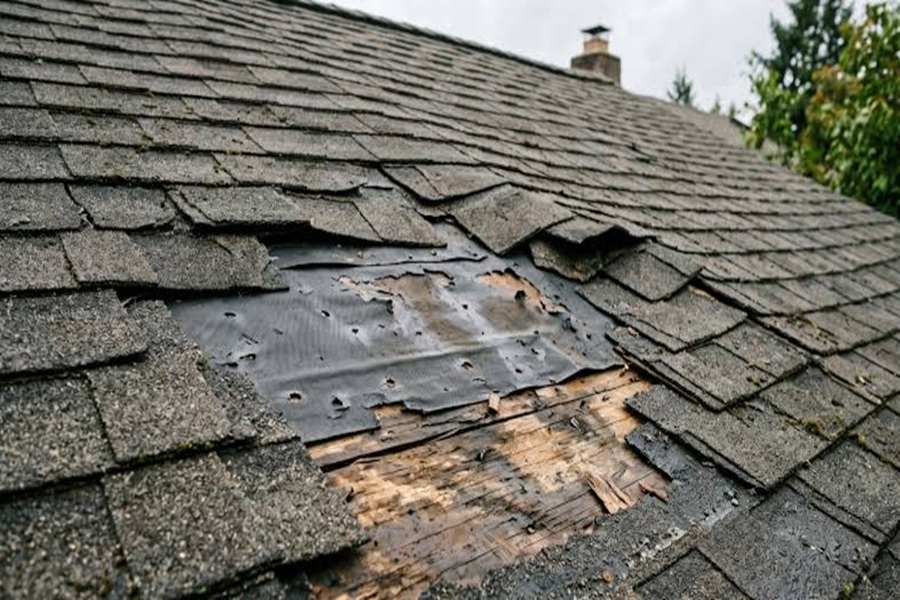
– They will check for visible signs of damage such as cracked shingles, leaks, or sagging areas.
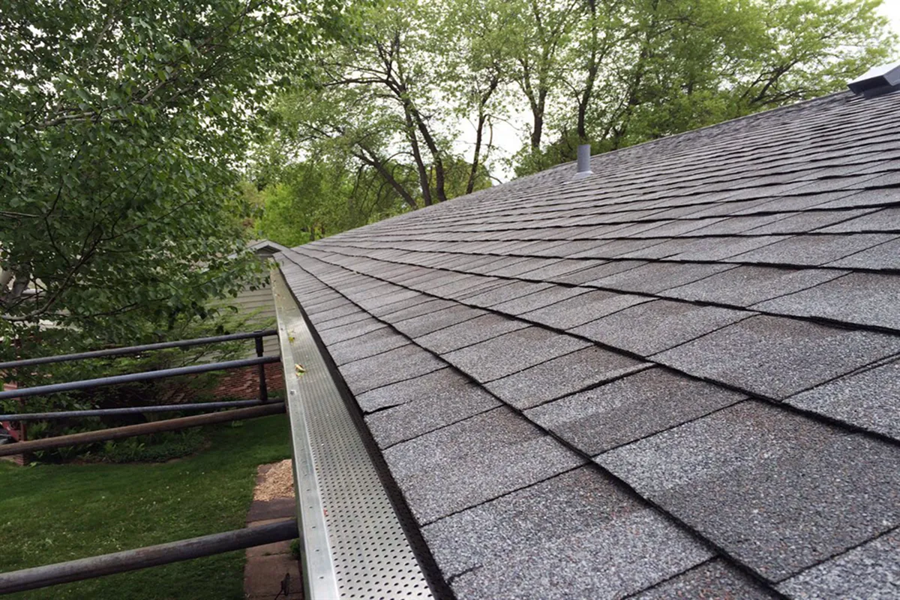
– The inspection might also include evaluating structural elements like flashing, gutters, and ventilation systems.
For accuracy in their evaluation, some contractors may use advanced tools like drones or infrared cameras to detect moisture that’s not visible on the surface.
Detailed Cost Breakdown
The roofing estimate will typically include a line-by-line breakdown of expenses so you know exactly where your money is going. Expect this section to cover:
– Materials: This includes shingles (or other roofing materials), underlayment, nails, flashing, and sealants. You’ll likely be presented with options varying in quality and price.
– Labor Costs: Reflecting both the complexity of the job and the number of workers required.
– Disposal Fees: Charges for removing old materials like shingles and hauling them away after the project is complete.
– Permits: If your area requires permits for certain types of roofing work, these costs should also be included.
Item | Estimated Cost | Notes |
Shingles | $2,000 | 25-year warranty included |
Labor | $1,500 | Includes 3-person crew |
Old Roof Removal | $500 | Disposal fee for materials |
Permit | $200 | Required by local regulations |
Prices will vary depending on factors such as roof size and material type.
Timeline for Completion
Your estimate should outline when the project will begin and how long it’s expected to take. Factors affecting timelines may include:
– Weather conditions in your area. – The size and complexity of your roof. – Availability of materials.
A trustworthy contractor will provide realistic timeframes while accounting for unforeseen issues that could delay progress.
Warranty Information
Reputable contractors detail warranty coverage in their estimates as well—both on labor and materials used. Take note of the length of warranties offered and what they cover (e.g., defects in workmanship vs natural wear over time).
Scope of Work
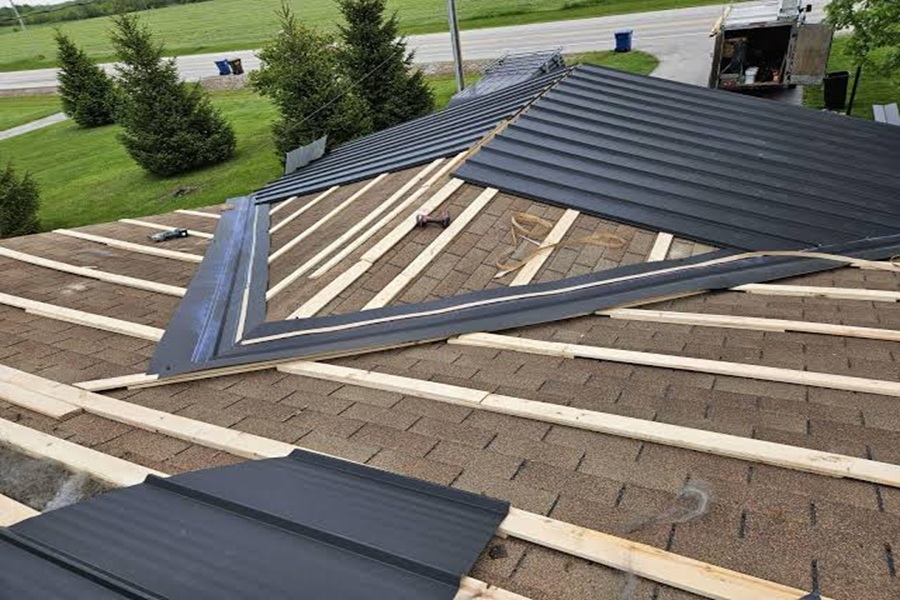
The scope section clearly defines what’s included in the job—and just as importantly—what isn’t. This reduces misunderstandings during the project itself. Carefully review items such as: – Whether clean-up services are provided after completion. – The extent of any repairs beyond standard installation/replacement.
Questions You Should Ask
While reviewing an estimate, don’t hesitate to ask questions if anything is unclear: 1. Are there additional costs that could arise unexpectedly?
2. How will weather-related delays be handled?
3. Who is responsible for acquiring necessary permits?
By ensuring transparency upfront through these questions alongside reviewing itemized details carefully,you’re less likely face surprises mid-project
When is it Time to Get a Roofing Estimate
Determining the right time to get a roofing estimate can save you money, protect your home, and prevent further damage to your property. Acting promptly when issues arise is key, but it’s not always easy to identify the signs or situations that warrant professional attention. Below are some scenarios when reaching out for a roofing estimate is necessary.
After Severe Weather Events
Storms, hail, and heavy winds can wreak havoc on a roof, even if the damage isn’t immediately visible. You should consider getting a roofing estimate in these situations: – After hailstorms: Hail can leave cracks or dents in shingles, reducing their ability to deflect water. – Heavy rain or windstorms: Strong winds can loosen shingles or expose underlying layers of the roof. – Snow buildup: The weight of snow or ice dams may cause structural stress over time.
Scheduling an inspection after such events ensures minor issues don’t turn into costly repairs.
When Your Roof Reaches Its Lifespan
Every roof has an expected lifespan that depends on the materials used: – Asphalt shingles: 20–30 years
– Metal roofs: 40–70 years
– Clay tiles: 50+ years
If your roof is nearing the end of its lifespan, an estimate will help you plan for necessary repairs or replacement before failures occur.
Noticeable Wear and Tear
Even without external events like storms, regular wear and tear can lead to problems. Here are clear indicators that it might be time for a roofing estimate: – Curling, cracked, or missing shingles
– Granule loss (evident in gutters)
– Sagging areas on your roof
– Leaks or water stains inside your home
These signs indicate that parts of your roof may no longer provide adequate protection for your home.
Before Selling or Buying a Home
A well-maintained roof adds significant value to any home. If you’re planning to sell your property—or are considering buying one—getting a professional roofing estimate ensures you understand its condition and any associated costs. This not only helps in negotiations but also prevents unexpected expenses post-sale.
Routine Maintenance Inspections
Even without obvious damage, proactive maintenance goes a long way in extending your roof’s life. Experts recommend scheduling periodic estimates every few years: – For newer roofs: Every 5 years – For older roofs: Every 2–3 years
This approach allows professionals to identify potential vulnerabilities early on.
Table: Key Indicators for Scheduling A Roofing Estimate
Event/Condition | Recommended Action | Frequency/Timing |
Severe weather | Schedule an immediate inspection | Post-storm occurrence |
Aging materials | Plan for repairs/replacement | Nearing material lifespan |
Visible damage | Request an expert evaluation | As soon as damage appears |
Selling/Buying property | Include in pre-sale/pre-purchase process | Prior to transaction |
Routine maintenance | Conduct preventive assessments | Every 2–5 years |
By being attentive to these situations and scheduling estimates promptly when needed, you ensure that small issues don’t escalate into more costly problems. Proactive care also helps maintain the safety and value of your home over time.
Do You Need to Get a Roof Estimate
Understanding whether you need to get a roofing estimate is an essential step in protecting your home and ensuring your roofing system remains functional. A roofing estimate provides clarity on costs, materials, and timelines involved in repairing or replacing your roof. Below, we explore the scenarios where obtaining a professional roofing estimate is not just beneficial but necessary.
Common Scenarios That Call for a Roofing Estimate
- Post-Storm Damage
Severe weather events such as hailstorms, strong winds, or heavy rains can compromise the integrity of your roof. Look for visible signs like missing shingles, dents in metal panels, or debris accumulation. These issues warrant immediate attention and an inspection. - Aging Roof
Most roofs have a lifespan depending on the material used. For instance: - Asphalt shingles: 20–30 years
- Metal roofs: 40–70 years
If your roof is nearing or has surpassed its expected lifespan, it’s wise to request an evaluation before more costly issues arise. - Water Leaks or Stains
Water damage inside your home—such as ceiling stains or peeling paint—often indicates roof problems. A professional roofing estimate will help identify where water infiltration is occurring and provide guidance on necessary repairs. - Increased Energy Bills
Higher-than-normal energy bills could signal poor insulation from your roof due to damage or aging materials. A proper assessment will determine if repairs or upgrades are needed to improve efficiency. - Before Buying or Selling a Home
If you’re purchasing a property, understanding the condition of its roof can save you from unexpected repair costs later. Similarly, sellers can benefit by providing potential buyers with proof of recent inspections and estimates.
What Information Does Getting a Roofing Estimate Offer?
Key Details Provided by Roofing Estimates | Description |
Scope of Work | Clarifies whether you need minor repairs, partial replacement, or full installation. |
Material Options & Costs | Breaks down material choices (e.g., asphalt shingles vs. metal) along with associated pricing. |
Timeline | Offers an estimated start-to-finish timeline for completion of work. |
Warranty Information | Details coverage periods for labor and materials provided by contractors/manufacturers. |
Practical Tips When Seeking Roofing Estimates
- Schedule Multiple Estimates: Aim to obtain at least three estimates from reputable contractors in order to compare pricing and services offered.
- Review Contractor Credentials: Verify licensing, insurance coverage, and any certifications before moving forward.
- Ask About Hidden Costs: Inquire about additional expenses that may arise (e.g., removing old roofing layers) so there are no surprises later.
- Request Detailed Documentation: Ensure all aspects of the job—including labor costs, materials breakdowns, cleanup processes—are outlined clearly in writing.
Taking these steps ensures that you’re equipped with all necessary information when making decisions about one of your home’s most critical components—your roof.
By proactively addressing concerns through an accurate roofing estimate process tailored specifically to your needs, you’ll save time and money while maintaining peace of mind knowing your property is adequately protected from future challenges.
Do You Need to Get a Roof Estimate
Determining whether you need a roof estimate is an essential step in maintaining the overall health of your home. A roofing estimate serves as a critical tool for understanding the current state of your roof, planning repairs or replacements, and budgeting effectively. Below are key considerations to help you decide if it’s time to reach out for an estimate.
Assessing the Condition of Your Roof
Before seeking a roofing estimate, it’s helpful to evaluate the condition of your roof. Regular visual inspections can alert you to potential issues that may require professional attention. Look for:
– Missing shingles: Gaps in your shingles can expose underlying materials, leading to leaks and structural damage.
– Curled or cracked shingles: These are signs that your roof may be nearing the end of its lifespan.
– Moss or algae growth: While not always damaging, excessive growth can trap moisture and contribute to deterioration over time.
– Sagging areas: This could indicate structural damage beneath the surface, often caused by water pooling or rot.
If any of these issues are present, it’s wise to request an estimate sooner rather than later.
Age and Materials
The age and material type of your roofing system also play a significant role in determining whether an estimate is necessary. Different materials have varying lifespans:
| Roof Material | Average Lifespan |
|————————–|———————-|
| Asphalt Shingles | 20–30 years |
| Metal Roofing | 40–70 years |
| Clay or Concrete Tiles | 50–100 years |
If your roof is nearing its expected lifespan or involves older materials prone to wear and tear, scheduling an inspection and obtaining an estimate becomes crucial.
Post-Storm Inspections
Severe weather conditions—such as hailstorms, heavy winds, or prolonged snow accumulation—can cause significant damage that isn’t always visible from ground level. After major weather events: – Check for debris on the roof (e.g., fallen branches).
– Look inside your attic for signs of leaking or water stains on ceilings.
Even if damage seems minimal, obtaining a professional roofing estimate ensures that no underlying issues go unnoticed.
Benefits of Acting Early
Waiting too long before addressing roofing concerns can lead to more extensive damage and higher costs down the line. Proactive maintenance supported by a professional roofing estimate offers several advantages: – Helps prevent water infiltration and mold issues. – Allows for accurate budgeting and cost planning. – Provides peace of mind knowing there are no hidden problems jeopardizing your home’s structural integrity.
Whether you’re considering minor repairs or anticipating a complete replacement, timely estimates give you clear insights into what steps need to be taken next.
Do You Need to Get a Roof Estimate
Deciding whether you need a roofing estimate can feel overwhelming, especially if you’re unsure about the condition of your roof or when repairs are needed. This section will walk you through scenarios where obtaining a roof estimate is necessary and beneficial. Knowing when to call a professional could save you time, money, and prevent minor issues from becoming major problems.
Situations Where You May Need a Roof Estimate
- Visible Damage: If you notice cracked, missing, or curling shingles, it’s time to evaluate the extent of the damage and consider repairs or replacement.
- Leaks or Water Stains: Signs of water intrusion, such as stains on ceilings or walls, are strong indicators that your roof needs attention.
- Age of Your Roof: If your current roof is nearing the end of its expected lifespan (around 20–30 years for asphalt shingles), it’s wise to assess its condition.
- Storm Damage: After severe storms with high winds, hail, or heavy rain, it’s essential to check for potential damage even if it’s not immediately visible.
- Rising Energy Bills: Insufficient insulation due to roof issues can lead to higher heating or cooling costs. A professional inspection may uncover gaps in efficiency.
Benefits of Getting an Estimate
- Cost Transparency: Understand what charges you’ll incur upfront before committing.
- Detailed Assessment: A roofing contractor will evaluate structural integrity, materials needed, and labor costs while highlighting potential future issues.
- Tailored Solutions: Contractors can provide recommendations based on local climate conditions and the materials best suited for your area.
- Preventative Care: Early detection through an estimate can prevent costly repairs by addressing small issues before they become significant problems.
What Information Should Be Provided During an Estimate?
Information Needed | Why It’s Important |
Age of the Roof | Helps determine whether repair or replacement is needed. |
Known Issues | Allows contractors to focus on specific problem areas quickly. |
Roofing Material Type | Different materials have unique repair/replacement requirements. |
History of Past Repairs | Offers insight into recurring issues that may need permanent solutions. |
Sharing this information ensures accurate pricing and recommendations tailored specifically for your situation.
Tips for Choosing the Right Contractor
- Request estimates from at least three licensed companies for comparison.
- Look for certifications—reliable contractors are often certified by manufacturers like GAF or CertainTeed.
- Verify insurance coverage (both liability and workers’ compensation).
- Read reviews or request references from past clients.
By carefully assessing these factors before choosing a contractor, you’ll set yourself up for better results during both the estimating process and any subsequent work done.
Understanding when—and why—you need a roofing estimate is key to maintaining both safety and financial peace of mind regarding your home’s structure. By seeking guidance from professionals at the right time, you’re ensuring that issues are managed effectively without unnecessary delays or expenses later down the line.
Do You Need to Get a Roof Estimate
Determining whether you need a roofing estimate is a critical step in ensuring the health and longevity of your roof. A roofing estimate provides valuable insights into the scope, cost, and timeline for any necessary repairs or replacements. Below, we’ll explore key scenarios when it’s appropriate to reach out to a professional for an estimate, factors to consider before making the call, and how an estimate can empower you to make better decisions regarding your home or property.
When Should You Consider Getting a Roofing Estimate?
- Visible Signs of Damage: If you spot cracks, missing shingles, curling edges, or sagging areas on your roof, it’s time for an expert opinion.
- Leaking or Water Damage: Water stains on ceilings or walls often indicate underlying roof issues that need assessment. An estimate can help gauge repair costs and urgency.
- Storm Aftermath: Severe weather events like hailstorms, high winds, or heavy snowfall can cause damage that may not always be immediately visible from the ground. A professional inspection followed by an estimate can uncover hidden vulnerabilities.
- Age of Your Roof: If your roof is nearing the end of its expected lifespan (20–30 years for asphalt shingles), it’s wise to get an evaluation before problems escalate.
- Buying or Selling Property: Whether you’re purchasing a new home or selling your current one, having up-to-date information about the roof’s condition through an estimate adds transparency and value during negotiations.
Benefits of Requesting a Roofing Estimate
- Clarity on Scope of Work: A detailed breakdown highlights what repairs are necessary versus optional improvements.
- Cost Comparisons: Collecting multiple estimates allows you to compare prices and services from different contractors.
- Budget Planning: An accurate quote helps avoid surprises during repair work by providing upfront cost details.
- Professional Expertise: Contractors conducting estimates often identify issues homeowners may overlook.
Preparing for Your Roofing Estimate
- Compile notes about existing problems (e.g., leaks, drafts).
- Gather any available documentation regarding past roof work.
- Take note of warranty information if applicable; some repairs may still be covered.
- Prepare questions about materials and timelines so you fully understand all aspects of potential projects.
Checklist Before Getting an Estimate |
Inspect attic interior for leaks/stains |
Look for curling/missing shingles |
Note sagging or uneven surfaces |
Document storm-related damage |
Avoid Costly Mistakes by Acting Early
Delaying action when roofing issues arise can lead to more extensive—and expensive—problems down the road. For example: – Ignoring small leaks might result in widespread water damage requiring structural repairs. – Postponing shingle replacements could increase energy costs due to poor insulation.
By seeking prompt evaluations and obtaining estimates proactively, homeowners can extend their roofs’ lifespan while mitigating future expenses.
Do You Need to Get a Roof Estimate
Determining whether you need a roof estimate is an essential first step in addressing roofing concerns. A roofing estimate provides clarity on the extent of work required, the associated costs, and the timeline for completing the project. Understanding when and why you might need one will help you make informed decisions about maintaining or repairing your roof.
Situations That Necessitate a Roofing Estimate
There are several scenarios where obtaining a roofing estimate becomes necessary:
– Visible Signs of Damage: Missing shingles, cracked tiles, or sagging areas on your roof are clear indicators that repairs are needed.
– Leakage Inside Your Home: If you notice water stains on ceilings or walls, it’s time to act. These leaks could point to compromised roofing materials or flashing.
– Post-Severe Weather Events: Harsh weather such as hailstorms, heavy winds, or snow can harm your roof. Getting an assessment after such events ensures no hidden damage is overlooked.
– Age of Roof: Most roofs have a lifespan depending on the material used (e.g., asphalt shingles typically last 20–30 years). If your roof is approaching its expected lifespan, it’s wise to get an estimate to explore repair versus replacement options.
– Planning Renovations: If you’re upgrading other parts of your home (like gutters or attic insulation), assessing the condition of your roof ensures compatibility with these improvements.
Benefits of Getting a Roofing Estimate
A professional roofing estimate offers multiple advantages that go beyond just determining costs. The benefits include:
1. Detailed Scope of Work: An estimate outlines specific tasks involved—whether it’s repairing damaged sections, replacing shingles, or addressing structural issues. 2. Budget Planning: Knowing the potential costs allows homeowners to prepare financially and avoid unexpected expenses later. 3. Material Options: Estimates often provide details about material choices—such as asphalt shingles versus metal roofing—and their respective costs and benefits. 4. Preventative Maintenance Insights: A thorough inspection during the estimation process may highlight minor issues that can be addressed before they escalate into expensive repairs.
Questions to Ask During the Estimation Process
To ensure you’re getting accurate and useful information from your roofing contractor, consider asking these questions during the process: – What is included in this estimate? Are labor and materials itemized separately?
– How long will it take to complete this project?
– Does this quote cover unforeseen issues like rotting wood under existing shingles?
– What warranties do you offer for both materials and workmanship?
When You May Not Need an Estimate
While estimates are often crucial, there are situations where they may not be immediately necessary: – Routine inspections without visible damage can wait until more substantial concerns arise. – Extremely minor cosmetic wear (e.g., discolored shingles) may not require immediate professional evaluation unless accompanied by functional problems like leaks.
By recognizing whether a situation calls for a professional assessment and acting accordingly, you can protect one of your home’s most essential components while ensuring cost-effective maintenance over time.