Is It Possible to Install Metal Roofing Over Existing Shingles
Yes, it is possible to install a metal roof over existing shingles in many situations, provided specific conditions are met. This method can save time, reduce labor costs, and minimize waste. However, before proceeding, it’s crucial to understand the structural requirements, local building codes, and the compatibility of metal roofing with your existing shingles.
Factors That Determine Feasibility
- Structural Integrity: The existing roof’s structure must be strong enough to support the additional weight of a metal roof. Most metal roofing materials are lightweight (around 1-3 pounds per square foot), but any underlying damage or weakness in the current roof needs to be addressed before installation.
- Number of Layers: Many building codes allow one layer of roofing material under a new layer; however, if there are already multiple layers of shingles present, removing them may be required.
- Local Building Codes: Check local regulations as some areas restrict overlay installation due to climate or safety concerns. Permits may also be required for this type of project.
- Flatness and Condition of Shingles: Warped or curling shingles can create an uneven surface that might compromise the performance of the metal roof. Any such issues should be resolved prior to installation.
Key Installation Methods
- Direct Installation Over Shingles: Involves placing the new panels directly on top of your existing shingle roof without removing any material. While cost-effective and faster, this approach requires careful inspection to avoid trapping water or creating ventilation problems.
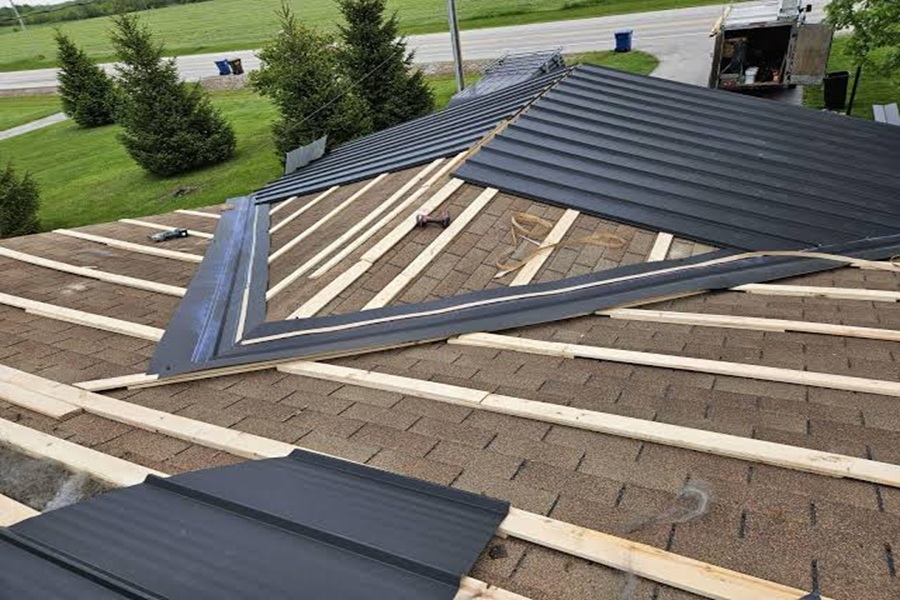
- Using Furring Strips (Purlins): Metal panels are installed over furring strips (thin wood pieces) that create an air gap between the old and new roofs. This improves ventilation, provides added insulation benefits, and prevents direct contact between materials.
| Installation Method | Pros | Cons |
| Direct Installation | Cost-efficient; less labor involved | May reduce ventilation; uneven surfaces can cause issues |
| Furring Strips | Better ventilation; energy efficiency | Slightly higher cost; additional time required |
Advantages of This Approach
- Avoids costly demolition and disposal fees associated with shingle removal.
- Reduces landfill waste by reusing the old roofing structure.
- Quicker installation process compared to a complete tear-off.
Cautions When Proceeding
- Poor ventilation could cause moisture buildup under the new roof.
- If underlying damage isn’t addressed properly before installation, it may shorten the lifespan of both roofs.
By carefully assessing these factors and consulting with professionals when necessary, you can determine whether installing a metal roof over your current shingles is feasible for your home’s unique needs without compromising its safety or durability.
Benefits of Installing Metal Roofing Over Shingles
1. Reduced Installation Time and Cost
- Eliminates Tear-Off Costs: One of the primary advantages is that you avoid the labor-intensive process of tearing off existing shingles. This significantly reduces both labor costs and project time.
- Minimized Disposal Fees: With no need to remove old shingles, you save on waste disposal expenses typically associated with roof tear-offs.
- Streamlined Installation: Metal roofing panels can often be installed directly over shingles, allowing for quicker project completion without compromising quality.
2. Environmental Advantages
- Less Waste in Landfills: Skipping the removal process means fewer old shingles (typically asphalt) are sent to landfills, contributing to a more eco-friendly renovation.
- Many metal roofing options are made from recycled materials or can be fully recycled at the end of their lifespan, further reducing environmental impact.
3. Enhanced Insulation and Energy Efficiency
- Added Layer of Insulation: When installed over existing shingles, metal roofing can create an extra barrier that improves insulation properties.
- This added layer may help reduce heat transfer through your roof, lowering energy consumption during hot summers or cold winters.
- Pairing metal roofs with appropriate underlayment or foam spacers enhances thermal efficiency even further.
- Many metal roofs reflect solar heat better than asphalt shingles, which can contribute to lower cooling costs.
4. Longer Lifespan and Durability
- Metal roofs are known for their longevity, often lasting 40–70 years depending on the material used (e.g., aluminum, steel, or copper). When installed properly over shingles:
- They provide an additional layer of protection against weather-related wear-and-tear.
- Their resistance to fire, rot, mold, and pests ensures they outlast traditional shingle roofs by decades.
| Feature | Metal Roof Over Shingles | Full Shingle Tear-Off |
| Installation Time | Faster | Slower |
| Cost | Lower | Higher |
| Environmental Impact | Eco-friendlier | More Waste |
| Lifespan | Longer | Similar |
5. Aesthetic Versatility
Modern metal roofing comes in various colors, finishes, and styles designed to mimic traditional materials such as clay tiles or wood shakes. This allows homeowners to achieve their desired design aesthetic while gaining all the functional benefits that metal provides.
6. Greater Weather Resilience
Metal roofs are highly resistant to extreme weather conditions: – They perform exceptionally well against rain and snow due to their smooth surface that sheds water easily. – With proper installation techniques such as using fasteners designed for high winds metal roofs remain secure even during severe storms.
Practical Considerations
While these benefits make installing metal roofing over shingles an appealing option for many homeowners:
- Confirm local building codes allow this method (some jurisdictions limit how many layers of roofing can exist).
- Ensure your current roof deck is structurally sound enough to support the added weight.
- Work with a professional contractor who understands how to prevent common issues like moisture entrapment between layers.
By understanding these advantages upfront and planning carefully with skilled experts where needed, you can maximize both cost savings and long-term performance from your new roof installation.
Potential Drawbacks and Risks to Consider
While installing a metal roof over existing shingles can have its advantages, it’s important to be aware of potential drawbacks and risks before proceeding. A thorough understanding of these considerations ensures you avoid unexpected complications during or after installation.
Increased Weight on the Structure
One of the primary concerns in this roofing method is the added weight. Although metal roofs are lightweight compared to other roofing materials, the cumulative load of multiple layers (existing shingles plus metal panels) may stress your home’s structural integrity.
- Risk: Excess weight over time may lead to sagging or damage to the roof deck, especially in older homes.
- What to Check: Consult a structural engineer to verify whether your home can safely support both layers.
Trapped Moisture and Ventilation Issues
Installing metal roofing over shingles without addressing potential moisture build-up can lead to significant long-term problems. Without proper ventilation or underlayment, moisture can become trapped between the layers, causing issues like mold growth or wood rot.
- Formation of condensation due to temperature differences between layers
- Water leakage from old shingles damaging underlying structures
- Ensure proper ventilation systems are installed (e.g., ridge vents).
- Add a moisture-resistant barrier like synthetic underlayment between shingles and metal panels.
Uneven Surface Problems
If the existing shingle layer is not perfectly flat, it may create an uneven surface for metal installation. This could result in difficulties with fastening panels securely and maintaining visual appeal.
- Raised or curled shingle edges
- Dips caused by damaged substrate below
- Recommended Action: Flatten out areas where shingles are warped by replacing damaged sections or using a leveling layer before installing the metal roof.
Noise Concerns
Metal roofs are known for producing noise during rainstorms, hail, or wind if not insulated properly. When installed over shingles without accounting for sound insulation, this issue could worsen.
- Install sound-dampening materials such as foam backers beneath metal panels.
- Use thicker gauge metal sheets that produce less vibration-related noise.
Reduced Longevity if Underlying Issues Are Ignored
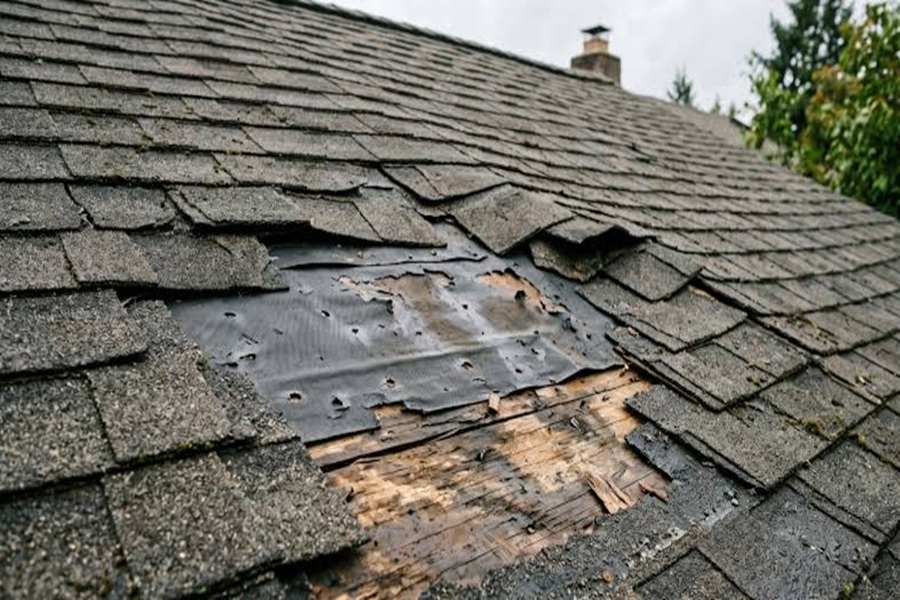
Covering up existing problems with shingles like leaks, deteriorated decking, or poor flashing without addressing them first can compromise both short- and long-term performance of your new roof.
- Rotting wood in decking
- Damaged flashing around chimneys or vents
- Signs of pest infestations beneath old shingles
Ignoring these repairs increases the likelihood that problems will resurface later on, potentially diminishing the lifespan and functionality of the new metal roof system.
Risk Assessment Table
| Potential Risk | Description | Mitigation Strategy |
| Structural Overload | Excess weight on older homes | Consult professionals for load assessment |
| Moisture Build-Up | Trapped condensation causing mold/rot | Add underlayment; ensure proper ventilation |
| Uneven Surface | Warped/curling shingles affecting installation | Flatten substrate; replace damaged sections |
| Noise | Increased noise from weather impacts | Use thicker metals; install soundproofing |
| Hidden Damage | Unaddressed leaks/wood rot creating future issues | Repair underlying structure before proceeding |
Understanding these potential risks helps homeowners make informed decisions about whether installing a metal roof over existing shingles is truly feasible for their property needs while ensuring long-lasting results with fewer complications.
Comparing Costs: Metal Roofing Over Shingles vs. Full Tear-Off
When deciding between installing a metal roof over existing shingles or opting for a full tear-off, cost plays a critical role in the decision-making process. Each approach has distinct financial implications, and understanding these can help homeowners make an informed choice that aligns with their budget and long-term goals.
Upfront Costs: A Side-by-Side Comparison
| Cost Factor | Metal Roof Over Shingles | Full Tear-Off with Metal Roof |
| Labor Costs | Lower – Requires less labor-intensive work as existing shingles remain in place | Higher – Involves removing old shingles before installing the new roof |
| Material Waste Disposal | Minimal to none – No old shingles to dispose of, reducing landfill fees | Significant – Old shingles must be removed and properly disposed of |
| Installation Time | Faster installation due to fewer steps | Longer due to the tear-off process |
| Material Costs | Same for metal roofing materials | Same for metal roofing materials |
Long-Term Financial Implications
- Energy Efficiency Savings: Metal roofs installed directly over shingles may slightly reduce energy efficiency if proper underlayment is not used. A full tear-off allows for better insulation upgrades during installation.
- Maintenance & Repairs: Skipping a tear-off means underlying issues, such as water damage or rotting wood beneath the old shingles, may go unnoticed. These issues could lead to higher repair costs down the line.
- Longevity: Properly installed metal roofs have a lifespan of 40–70 years or more. However, placing them over compromised shingle layers can shorten their lifespan if existing problems aren’t addressed.
Environmental Considerations and Hidden Costs
- Mold remediation
- Structural repairs
- Potential roof leaks from undetected weaknesses
While opting for a full tear-off generates waste initially, it provides an opportunity to fix problems beneath the roof surface and ensures a solid foundation for your metal roofing investment.
Practical Tips for Cost Management
- Request Multiple Estimates: Compare quotes from contractors for both options.
- Consider Partial Tear-Offs: For homes with localized damage, removing problem areas while retaining intact shingle sections may be cost-effective.
- Check Warranties: Some manufacturers offer warranties that require specific installation methods confirm whether covering existing shingles impacts warranty eligibility.
By carefully comparing these costs and weighing both short-term savings against long-term benefits, homeowners can select an option that suits their needs without compromising quality or performance.
When to Hire a Professional for Metal Roof Installation
Installing a metal roof over existing shingles can be a complex process, requiring specific tools, knowledge, and expertise. While some homeowners may consider taking a DIY approach, there are several scenarios where hiring a professional is highly recommended. Here’s what you need to know when deciding whether to bring in the experts.
Complex Roof Structures
If your roof has multiple peaks, valleys, or an intricate design, it is essential to hire a professional installer. These features make installation more challenging and increase the risk of improper sealing or alignment without expert care. A skilled roofer will ensure that these tricky areas are properly handled to avoid future leaks or structural issues.
Local Building Codes and Permits
Many regions have building codes that regulate whether metal roofing can be installed directly over shingles. Professionals are familiar with local regulations and can ensure compliance to avoid fines or complications down the road. They’ll also handle any necessary permits that may be required for the installation process.
Assessing Structural Integrity
Before installing a metal roof over shingles, it’s critical to assess whether your home’s structure can support the new roofing material’s weight. Although metal roofs are generally lightweight compared to other materials, adding them on top of existing shingles could strain older structures if they’re not reinforced properly. A professional contractor will evaluate your roof’s underlying structure and make any necessary adjustments before installation.
Proper Installation Techniques
Metal roofs require precise techniques for flashing, ventilation, and fastening systems that may not be intuitive for non-professionals. Mistakes in installation can lead to:
– Gaps allowing water infiltration
– Poor insulation or ventilation performance
– Reduced lifespan of the roof due to improper fastening
Professionals bring expertise in these areas and use specialized tools that ensure proper fitting and alignment of panels.
Warranty Considerations
Most manufacturers offer warranties on their roofing materials only if they’re installed by certified contractors. Hiring a professional ensures your warranty remains valid while protecting your investment in case of defects or issues with the materials.
Safety Concerns
Roof work always poses safety risks due to heights involved and potential hazards like slippery surfaces or loose debris from old shingles. Trained professionals follow strict safety protocols and use equipment like harnesses and scaffolding to minimize accidents during installation.
Time Efficiency
DIY installations often take significantly longer than anticipated due to unforeseen complications or lack of experience. A professional team is equipped with the manpower and tools needed to complete the job efficiently without sacrificing quality.
| Scenario | Professional Recommended? |
| Simple roof design | Optional |
| Multiple peaks or valleys | Yes |
| Local code requirements | Yes |
| Evaluating structural integrity | Yes |
| Warranty compliance | Yes |
| Homeowner unfamiliar with tools | Yes |
Hiring a professional for metal roof installation ensures peace of mind through quality workmanship while protecting both your home’s structure and your financial investment over time. While it might involve additional upfront costs compared to DIY efforts, it often saves money in preventing costly repairs down the line.