Common Reasons Roof Claims Get Denied
Understanding why roof claims are denied is essential for navigating the claims process effectively. Insurance companies often reject claims for a variety of reasons, some of which may be preventable if addressed proactively. Below are the most common causes of claim denials and tips for avoiding them.
1. Insufficient Maintenance or Neglect
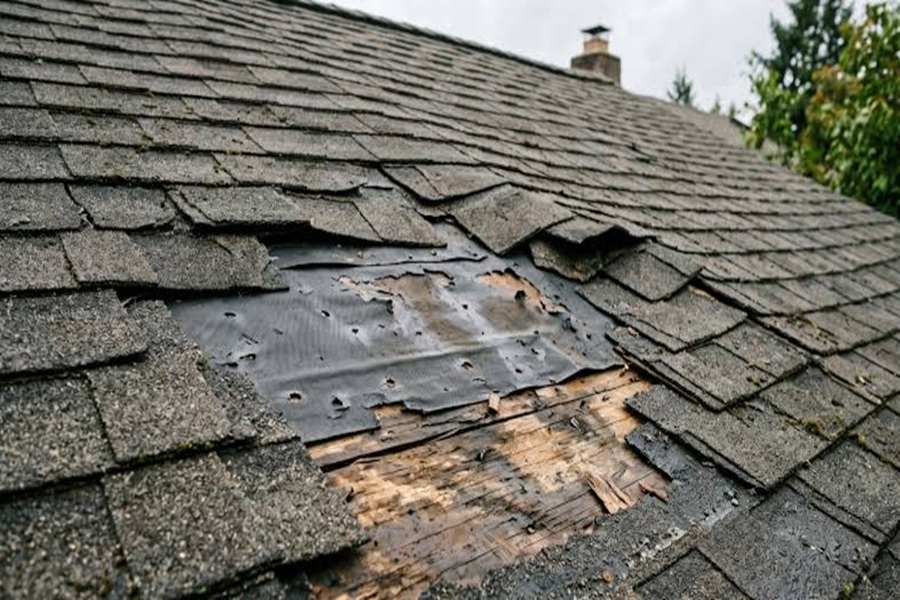
One major reason claims are denied is that insurance adjusters determine the roof damage was due to neglect or poor maintenance rather than an insured event (e.g., storm damage). Issues like old shingles, clogged gutters, or prolonged water pooling can signal neglect.
How to Avoid This: – Schedule regular roof inspections (ideally twice a year) to catch issues early. – Clean gutters and downspouts to prevent water damage. – Promptly repair minor issues such as small leaks or loose shingles.
2. Damage Excluded by Policy Coverage
Roof damage caused by specific events may not be covered under your insurance policy. For example: – Normal wear and tear is typically excluded. – Damage from pests, such as termites or rodents, might not be covered. – Certain weather events (e.g., floods) could require separate coverage.
What You Can Do: – Review your policy’s exclusions carefully and consider supplemental coverage if needed (e.g., flood insurance). – Ensure your policy includes protection against local risks such as hailstorms or hurricanes.
3. Filing Outside the Allowed Timeframe
Insurance policies often have strict timelines for filing claims after a damaging event occurs. If you miss this deadline, your claim will likely be denied.
Steps to Take: – Report roof damage to your insurer immediately after noticing it. – Keep records of all communication with your insurer regarding deadlines.
4. Lack of Evidence Supporting Your Claim
Insurers often deny claims due to insufficient evidence that links the roof damage to a specific covered event, such as a storm or falling debris.
How to Address This Issue: – Take clear photos and videos of damaged areas immediately after an incident. – Gather receipts for past maintenance and repairs as proof you’ve been taking care of your roof. – Obtain testimonials from roofing professionals documenting the cause and extent of the damage.
5. Pre-existing Damage
If an insurer determines that the claimed damage existed before your coverage began or before the most recent insured event, they may deny the claim on this basis.
Preventive Tips: – Conduct a thorough inspection when purchasing a new home and document its condition with photos/video. – Maintain dated records of routine inspections and repairs over time.
Summary Table: Key Reasons for Denial & Solutions
Reason for Denial | Solution |
Insufficient Maintenance | Schedule regular inspections & clean gutters |
Damage Excluded by Policy | Review exclusions; add supplemental coverage |
Filing Outside Timeframe | Report damages promptly; track deadlines |
Lack of Evidence | Document damages with photos/videos |
Pre-existing Damage | Inspect property at purchase; keep repair records |
By understanding these common reasons for denial, you’ll be better equipped to handle roof-related insurance claims effectively while minimizing potential obstacles in securing approval.
Reviewing Your Insurance Policy Carefully
One of the most critical steps in addressing a denied roof claim is to thoroughly review your insurance policy. Understanding the terms, coverage limits, and exclusions outlined in your policy can help you identify why your claim may have been denied and guide your next steps for resolution.
Key Elements to Review in Your Policy
- Coverage Details:
Check if roof damage is covered under your policy. Some policies may only cover specific types of damage, such as those caused by storms or falling debris, while excluding wear and tear or maintenance-related issues. - Exclusions:
Look for any exclusions that may apply to roof claims, such as damage caused by neglect, improper installation, or certain natural disasters like earthquakes or floods. Knowing these exclusions can clarify why the insurer may have denied your claim. - Claim Filing Requirements:
Review any deadlines for filing a claim after the damage occurs. A delay in reporting the incident may result in denial. Additionally, check whether specific documentation or evidence was required at the time of filing. - Deductibles:
Make sure you understand how much you’re responsible for paying out-of-pocket before coverage begins. If repair costs are below your deductible amount, this could explain why your claim was denied.
Steps for Reviewing Your Policy Effectively
- Request a Copy of Your Full Insurance Policy:
If you don’t already have a copy of your complete policy (not just the declarations page), contact your insurance provider to obtain one. The full document contains all pertinent details about coverage and exclusions. - Highlight Important Sections:
Use highlighters or sticky notes to mark key parts related to roof damage coverage and general claims procedures. - Consult with Your Agent or Broker:
If certain terms are unclear, reach out to your insurance agent for clarification on how they apply to roof claims specifically. - Seek Legal or Professional Assistance if Needed:
In complicated cases where exclusions or vague language create confusion, consulting with an attorney or public adjuster can provide additional insight into interpreting your rights under the policy.
Common Oversights That Lead to Denial
- Failing to meet maintenance requirements stated in the policy (e.g., not repairing minor leaks promptly).
- Not reporting damage immediately or within stipulated timeframes.
- Assuming all forms of weather-related damage are covered without reviewing specifics like hail vs windstorm damage clauses.
Key Section | What to Look For |
Coverage | Types of events/damages covered (storm-related vs gradual wear). |
Exclusions | Specific situations not covered (e.g., poor maintenance). |
Deadlines | Timeframes for reporting incidents and submitting claims documentation accurately |
Deductibles | Minimum threshold before insurer pays out on damages |
By taking time to carefully examine these aspects of your insurance contract, you’ll be better equipped to determine why a denial occurred while also preparing yourself with knowledge needed for appeals or further action if necessary.
How to Gather Evidence and Documentation
When your insurance company denies your roof damage claim, one of the most effective ways to challenge the decision is by gathering strong evidence and documentation. Clear, organized records can make a significant difference in demonstrating the validity of your claim. Below, we’ll break down practical steps for collecting and organizing evidence to strengthen your case.
Start With Immediate Documentation
- Take Photos and Videos: Document the condition of your roof as soon as possible after the event causing damage (e.g., storm, hail, or fallen tree). Be thorough:
- Focus on damaged shingles, leaks, or structural issues.
- Capture both close-up shots and wide-angle views.
- Don’t forget interior damage caused by roof leaks (such as water stains on ceilings or walls).
- Date Your Evidence: Use tools that can timestamp photos and videos to create an unquestionable record.
Collect Relevant Documents
- Homeowner’s Policy: Review your insurance policy carefully to understand coverage terms (e.g., what types of roof damage are covered). Highlight sections that specifically apply to natural disasters or wear-and-tear exclusions.
- Maintenance Records: Provide evidence of regular maintenance and repairs. This counters any argument that neglect contributed to the damage.
- Professional Inspections: If you’ve had your roof inspected before or after the incident by a licensed professional, include their reports. These often carry weight in disputes.
- Estimates for Repairs: Gather repair estimates from trusted contractors to show the financial impact of the damage.
Document Type | Purpose |
Photos/Videos | Visual proof of roof damage |
Insurance Policy | Highlights applicable coverage |
Maintenance Records | Demonstrates proper upkeep |
Inspection Reports | Adds credibility with expert analysis |
Repair/Replacement Estimates | Shows financial burden |
Leverage Weather Reports
In cases involving storms or extreme weather events: – Obtain local meteorological records from a reputable source (e.g., National Weather Service). – Use these reports to correlate weather conditions with the timing of your roof’s damage (e.g., wind speeds capable of causing shingle loss).
Witness Statements
If neighbors or passersby witnessed events like a tree falling on your property or high winds damaging shingles: – Collect written statements from them. – Ensure witnesses include their name, contact information, and details about what they observed.
Organize Your Evidence Effectively
Presenting evidence clearly can make it easier for an insurance adjuster—or even a court—to understand the merits of your claim. Follow these organizational tips: 1. Group related documents together (photos with corresponding inspection reports). 2. Use file names that describe each document’s content if submitting digitally (e.g., “RoofDamage_Photos_March2023”). 3. Create a timeline showing when each piece of evidence was collected; this demonstrates diligence in responding promptly to the issue.
Avoid Common Pitfalls
While gathering evidence is crucial, avoid these mistakes: – Submitting incomplete documentation: Missing key pieces may weaken your case. – Providing unclear or low-quality photos: Ensure images are sharp and well-lit. – Failing to document damages promptly: Delays could lead insurers to argue pre-existing conditions were involved.
By thoroughly documenting every aspect of roof damage and presenting clear proof tied directly to your policy’s terms, you dramatically increase the chances of reversing an initial denial decision.
Requesting a Second Inspection or Reassessment
If your roof insurance claim has been denied, one of the key steps you can take is to request a second inspection or reassessment. Insurance companies occasionally make errors during the review process, and a reassessment can help ensure your claim is given full and fair consideration. Below are steps and tips for navigating this process effectively.
Understand Why the Claim Was Denied
Before requesting a second inspection, it’s critical to understand the reason(s) behind the denial. Review the denial letter carefully and look for details such as: – Specific exclusions cited from your policy. – Claims of insufficient evidence to prove damage. – Allegations that damage is due to wear-and-tear rather than a covered peril.
Having a clear understanding of why your claim was denied allows you to address gaps in evidence or documentation when requesting another evaluation.
Steps to Request a Second Inspection
- Reach out directly to the adjuster who handled your initial claim.
- Politely express concerns about the original assessment and provide any additional reasons why you believe a second inspection is warranted.
- Photographs showing extensive roof damage.
- Contractor estimates or reports detailing repairs needed.
- Weather reports proving storm-related causes for damage.
- If you suspect bias in the original assessment, ask if it’s possible to have an independent adjuster conduct the second inspection. An independent professional may offer a more neutral evaluation.
- Keep detailed records of every interaction with your insurer, including emails, phone calls, and letters concerning your request for reassessment.
Situations That Support Your Request
Certain circumstances might strengthen your case for a second inspection, such as: – Discrepancies between what you believe was damaged versus what was reported by their adjuster. – Visible issues missed during the first inspection (e.g., hidden water leaks or structural problems). – Reports from roofing contractors contradicting the insurer’s findings.
Tips for Success
When pursuing reassessment: – Remain Professional: Stay courteous throughout all communications; hostility may hinder negotiations with your insurer. – Involve Experts: Consider hiring an experienced roofer or contractor to be present during the second inspection. They can point out specific areas of damage that support your claim. – Ask Questions: During inspections, don’t hesitate to ask questions about what’s being evaluated—this ensures transparency in how decisions are made.
Second Inspection Checklist | Details |
Review initial denial letter | Identify reasons cited for rejecting coverage |
Gather supplemental evidence | Include photos, repair estimates, weather data |
Contact insurer professionally | Ask them about their policy regarding reassessments |
Involve third-party experts (if necessary) | Roofing contractors or independent adjusters |
When Additional Help May Be Needed
If you’re unsatisfied with the outcome of the second inspection or if you’re encountering resistance from your insurer: – You might consider consulting with a public adjuster who works on behalf of policyholders rather than insurance companies. – Alternatively, legal counsel may be necessary if other avenues fail to resolve disputes fairly.
Requesting another look at your roof damage can help uncover errors in prior assessments while giving you another opportunity to present supporting evidence. Taking this step demonstrates persistence and shows insurers that you’re committed to ensuring fairness in handling your claim.
Filing an Appeal With Your Insurance Company
If your roof insurance claim has been denied, filing an appeal is often the next logical step. While receiving a claim denial can be frustrating, it doesn’t mean the process is over. Insurance companies have internal review processes that allow policyholders to challenge decisions, and understanding how to navigate this process effectively can greatly improve your chances of success. Below is a structured approach to guide you through this process.
1. Understand Why Your Claim Was Denied
Before filing an appeal, it’s essential to clearly understand the reasons for the denial. Review the denial letter provided by your insurance company carefully, as it will typically detail why they rejected your claim. Common reasons may include:
– Insufficient documentation or evidence of damage
– Exclusions in your policy (e.g., wear and tear or maintenance issues)
– Filing the claim too late after the damage occurred
– Disputes over whether the cause of damage (such as a storm) is covered
By pinpointing the exact issue behind the denial, you’ll know what needs to be addressed in your appeal.
2. Gather Supporting Evidence
Strengthening your case with robust evidence is crucial when appealing a denied roof claim. You’ll want to provide documentation that counters the reasons for denial and supports your position. This may include:
– Photographic evidence: Before-and-after photos of your roof to highlight damages caused by a specific event (e.g., hailstorms or wind).
– Professional inspections: Independent assessments from roofing contractors or inspectors who can verify that damage was caused by a covered peril rather than neglect or aging materials.
– Receipts and invoices: If temporary repairs were done or preventative measures were taken, include proof of these efforts to validate that proper care was maintained for your roof.
3. Write a Strong Appeal Letter
When filing an appeal, prepare a written letter explaining why you believe the denial was incorrect and what supporting evidence backs up this claim. The tone should remain professional but confident. Key elements to include are:
1. A clear explanation referencing specific clauses in your insurance policy that support coverage for the damage in question. 2. Details about why their decision may have been based on incomplete information (if applicable). For example, if they didn’t conduct an inspection or overlooked parts of submitted documentation. 3. Relevant supporting documents attached with brief explanations connecting them directly to your argument.
4. Request Formal Reassessment Procedures
Most insurance companies have formal procedures for reassessing claims during appeals reviews. You may request one of these actions during your appeal process depending on circumstances:
| Action Requested | Purpose | |————————————-|——————————————————————————————| | Second Inspection | Request another visit by their inspector if prior reports lacked thoroughness | | Mediation Services | Work with neutral third parties facilitating negotiation between yourself & insurer teams|
If unsatisfied even after such re-evaluations further steps involving legal representation always remain open also .
When to Hire a Public Adjuster or Attorney
Navigating the complexities of an insurance claim for roof damage can be overwhelming, especially when a claim has been denied. In certain circumstances, hiring a public adjuster or an attorney can make all the difference in ensuring your case is properly handled and your rights are protected. Below, we’ll explore when it’s appropriate to involve these professionals and how they can assist you.
What is a Public Adjuster?
A public adjuster is an independent professional who works on behalf of policyholders—not the insurance company. They specialize in interpreting insurance policies, assessing damages, and negotiating claims with insurers on your behalf.
When to Consider Hiring a Public Adjuster: – Complexity in Damage Assessment: If the damage to your roof is extensive or complicated (e.g., involving structural issues), it may require expertise beyond what you’re able to provide or understand. A public adjuster can ensure all damages are accounted for. – Disputes Over Claim Value: If there’s disagreement between you and your insurer regarding the value of the claim, a public adjuster can advocate for a fair settlement. – Lack of Progress: If your insurer is delaying payment or communication about your claim, a public adjuster may help expedite the process.
What Does an Attorney Do?
An attorney specializing in insurance disputes can provide legal advice and representation in instances where negotiations fail or if there’s evidence that an insurer has acted in bad faith.
When You Should Consult an Attorney: – Bad Faith Insurance Practices: If your insurer is acting unfairly—such as misinterpreting policy language, denying valid claims without justification, or failing to provide timely responses—it may be time to seek legal counsel. – Appealing Denied Claims: An attorney can help challenge denied claims that were rejected without proper cause by gathering evidence and presenting legal arguments. – Legal Deadlines or Complex Appeals Process: Insurance companies sometimes impose strict deadlines for appeals. An attorney ensures you meet these deadlines while leveraging their expertise within complex processes.
Key Differences Between Public Adjusters & Attorneys |
Public Adjusters focus on accurately assessing damages and negotiating settlements with insurers based on the scope of damage covered by policies. |
Attorneys handle legal disputes, particularly when insurers act unlawfully. They also file lawsuits if necessary. |
Red Flags Indicating You May Need Professional Help
- Your insurance company pressures you into accepting less than what you believe you’re entitled to receive.
- They outright deny coverage for something clearly stated as covered in your policy.
- You’re unsure how to proceed after receiving unclear documentation following denial.
Weighing Costs
Both public adjusters and attorneys typically charge fees based on the settlement received: – Public Adjusters usually charge 5–15% of the final claim payout (varies by state). – Attorneys may require retainer fees upfront but could also work on contingency (a percentage of what they win).
Hiring either professional should ultimately increase the likelihood of obtaining fair compensation from your insurer while reducing stress throughout complicated proceedings.
Tips to Strengthen Your Roof Insurance Claim
Strengthening your roof insurance claim can make the difference between an approval and a denial. Preparing thoroughly, understanding your policy, and communicating effectively with your insurer are key steps in building a strong case. Below are tips to help you maximize the chances of success when filing a roof insurance claim.
Understand Your Policy Coverage
- Coverage Limits: Verify the maximum amount your insurer will pay for roof repairs or replacement.
- Exclusions: Identify specific damages not covered, such as wear-and-tear or damage caused by neglect.
- Deductibles: Know how much you’ll be responsible for paying out of pocket before insurance kicks in.
- Time Limits: Check whether there are deadlines for reporting damage or filing claims after an incident occurs.
Document Damage Thoroughly
- Take wide-angle shots to capture the full scope of damage.
- Include close-up images of specific areas like shingles, gutters, or structural harm.
- Retain receipts for emergency repairs (e.g., temporary tarps) made immediately after the damage.
- Maintain copies of prior inspections or maintenance records to establish pre-event conditions.
- Record the date and time when the incident occurred (e.g., storm, hail, tree fall).
Proper documentation strengthens your case by creating a comprehensive record of events.
Communicate Effectively With Your Insurer
- Be respectful but assertive when discussing losses.
- Avoid speculation about causes; provide facts backed by evidence instead.
- Respond promptly to any requests for additional documents or clarification.
Consider keeping written communication whenever possible—emails and letters create a paper trail that protects both parties’ interests.
Maintain Routine Preventative Maintenance
- Cleaning gutters regularly to prevent water buildup.
- Scheduling annual professional inspections to spot vulnerabilities early.
- Replacing damaged shingles or tiles before further deterioration occurs.
By demonstrating consistent upkeep, you reduce arguments that neglect contributed to issues.
Consider Professional Assistance Early
If you’re unsure whether you’ve submitted everything needed—or if you suspect bias—seek help from professionals such as contractors or public adjusters who can advocate on your behalf.
Professional | Role in Supporting Your Claim |
Roofer/Contractor | Provides detailed repair estimates and justification for costs |
Public Adjuster | Represents homeowners in negotiations with insurers |
Attorney | Offers legal advice if disputes escalate beyond negotiation |
These experts lend credibility while helping navigate complexities of insurance processes.
By taking these proactive measures, you’ll ensure you’re prepared not only to file but also defend any potential challenges posed during review stages.