Without proper flashing installation and maintenance, your home could be at risk of extensive water damage.
Purpose of Roof Flashing
It ensures that rainwater or melting snow does not penetrate beneath the roofing material and into the building.
Some specific benefits include:
– Waterproofing: Roof flashing protects against water infiltration at critical junctions.
– Durability: High-quality flashing materials can withstand various weather conditions, ensuring long-term performance.
– Structural Integrity
Without effective roof flashing in place, even a well-built roof can become compromised over time due to moisture exposure.
Roof flashing comes in different forms depending on its application and material composition.
| Type | Description | Common Applications |
| Galvanized Steel | Durable and rust-resistant | Valleys, edges |
| Aluminum | Lightweight and flexible | Around chimneys/skylights |
| Copper | Long-lasting with aesthetic appeal | Premium installations |
| Rubberized Asphalt | Flexible for sealing unique areas | Around vents/pipe penetrations |
Each type offers distinct advantages based on factors like cost, appearance, and level of exposure to harsh elements.
Key Applications in Roofing Systems
- Valleys: Where two sloping sections meet to form a channel for water runoff. Properly installed valley flashing directs water toward gutters without pooling.
- Chimneys: Flashing around chimneys prevents water from infiltrating where the chimney meets the roof surface.
- Skylights: Provides a seal between skylights and roofing materials.
- Vent Pipes: Protects openings created by vent pipes or HVAC system components.
- Edges/Gutters: Ensures smooth redirection of rainwater into gutters without leakage near eaves or edges.
By understanding what roof flashing does and its importance within your overall roofing system, you can take proactive steps to keep your home protected against potential damage caused by water intrusion.
Key Areas Where Flashing Is Installed
Chimneys
Chimneys are one of the most common places for roof leaks due to their complex connection to the roofline.
- Step Flashing: Installed along the sides of the chimney where it meets the roof.
- Counter Flashing: Covers step flashing and is embedded into the chimney mortar for added protection.
Proper installation ensures that water cannot seep into gaps between the chimney and roofing materials.
Valleys
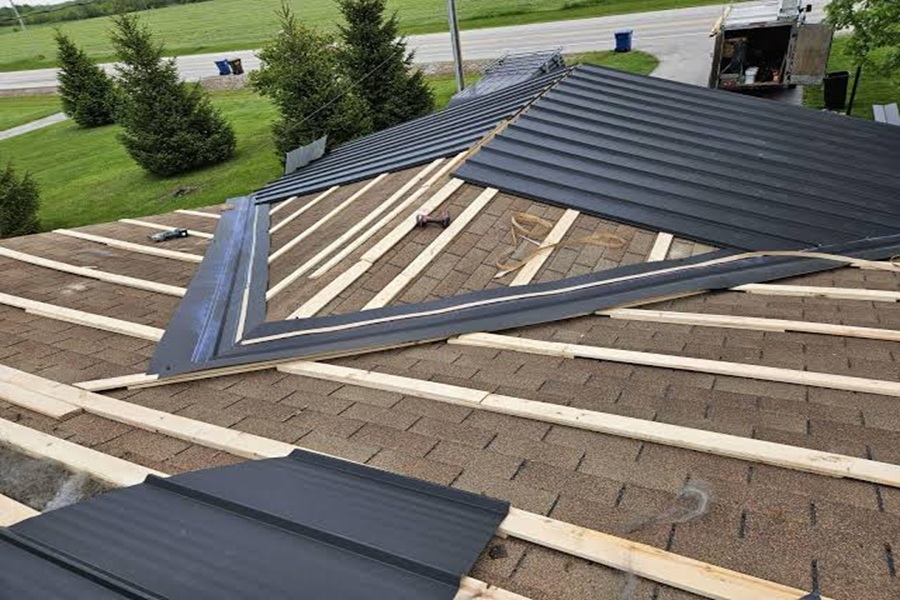
Roof valleys, where two sloping sections of a roof meet, are natural channels for water runoff. These areas handle significant amounts of water flow during rainstorms, making them highly vulnerable if not properly protected. Metal valley flashing is often used here to direct water safely off the roof without pooling or causing leaks.
Skylights
Skylights add natural light and beauty to a home but require careful attention when it comes to waterproofing.
- Step Flashing: Installed under shingles around the perimeter.
Improperly flashed skylights can lead to persistent leaks and damage over time.
Roof Edges
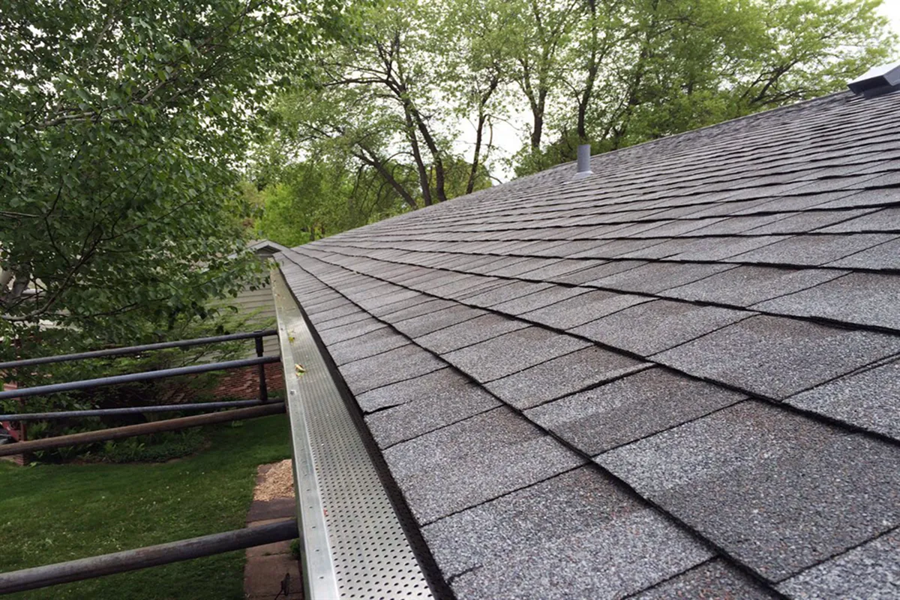
Drip edge flashing is installed along roof edges to help direct rainwater into gutters. This prevents water from seeping under shingles or causing wood rot along fascia boards. Drip edges also contribute to overall roof longevity by minimizing moisture-related issues at critical entry points.
Dormers
Dormers are architectural features that extend vertically out from a sloping roof, often containing windows. The junctions between dormers and roofs can cause leaks if not sealed effectively with flashing. Typically, step flashing and counter flashing are used around dormer bases for complete coverage.
Vents & Pipes
Vents and pipes that penetrate through your roofing system require special attention since these create natural openings in an otherwise sealed surface. Rubber boots with integrated metal flashing are commonly installed around these penetrations to ensure watertight protection.
Why Proper Installation Matters
- Water infiltration damaging insulation, ceilings, or walls.
- Accelerated wear on roofing materials due to moisture retention.
- Potential mold growth caused by trapped moisture inside your home’s structure.
Ensuring proper placement at all key areas helps maintain your home’s structural integrity while extending its lifespan. Always rely on professional roofing contractors who understand best practices for installing high-quality materials tailored to your specific needs.
How Flashing Prevents Water Leaks
Its primary role is to create a watertight barrier that prevents moisture infiltration, which can lead to leaks and structural damage. Here’s a closer look at how flashing performs its function effectively.
The Mechanism of Roof Flashing in Leak Prevention
Roof flashing works by leveraging its durable, weather-resistant materials and strategic placement on the roof.
- Redirecting Water Flow
By channeling water toward the gutters or drainage systems, it minimizes the risk of pooling or seepage into underlying structures. - Sealing Vulnerable Areas
Roofs have numerous areas prone to leaks, such as valleys, chimneys, vents, skylights, and intersections of roof planes. Flashing is installed over these areas to form a protective seal that blocks water from penetrating through cracks or seams. - Durability Against Weather Conditions
Made from materials like galvanized steel, aluminum, copper, or PVC-based materials, flashing is designed to resist corrosion and withstand extreme weather conditions such as heavy rain, snow accumulation, and high winds. - Layered Installation
Flashing is often layered with roofing materials like shingles or tiles in a way that ensures overlapping surfaces—this design prevents water from sneaking underneath the roofing structure.
The effectiveness of roof flashing also depends on its type and specific application.
| Type of Flashing | Primary Use | Characteristics |
| Step Flashing | Along walls connected to the roof | Consists of small pieces layered with shingles |
| Chimney Flashing | Around chimney bases | Includes base flashing & counterflashing |
| Valley Flashing | In roof valleys | W-shaped metal piece bridging valley gap |
| Drip Edge | At edges of the roof | Guides water off eaves into gutters |
| Vent Pipe Flashing | Around vent pipes | Features rubber gaskets for tight seals |
Benefits Beyond Leak Prevention
Beyond preventing water intrusion directly into your home’s interior spaces, effective flashing also protects against:
– Mold Growth:By keeping moisture out of your attic or ceiling layers.Structural Decay:Prevents wood rot in framing or decking components.Energy Efficiency Loss:Seals gaps that could allow air drafts in addition to moisture.
Maintenance Tips to Ensure Optimal Performance
To ensure long-term protection against leaks: – Inspect your roof regularly for signs of damaged or displaced flashing. – Clear debris around critical areas like valleys and chimney bases. – Reapply caulking or sealant if you notice gaps forming around the edges of your flashing. – Consult professional roofing services for repairs if necessary.
Repair vs.
When dealing with damaged or failing roof flashing, one of the key decisions homeowners face is whether to repair the existing flashing or replace it entirely. Both options come with their own set of advantages and limitations, and evaluating them carefully can help maintain the integrity of your roof while managing costs effectively. Below are some important factors to consider when deciding between repair and replacement.
Factors to Assess
- If the damage is minimal, such as a few cracks or loose sections, repairs can often restore the flashing’s effectiveness without the need for a full replacement.
- Widespread corrosion, warping, or missing sections may necessitate complete replacement to ensure long-term waterproofing.
- Flashing materials such as aluminum or galvanized steel are durable but may become compromised over time due to rust or corrosion. In such cases, replacing these materials may be more cost-effective than patching them repeatedly.
- Flexible materials like rubber-based flashing might be easier to repair in small sections compared to rigid metals.
- Older flashing materials nearing the end of their lifespan are better candidates for replacement rather than repair.
- Modern roofing systems often use advanced flashing techniques and materials that might be incompatible with older installations, making full replacement a smarter choice.
Benefits of Repair
- Cost Savings: Repairs are typically less expensive than replacing an entire section of flashing.
- Quick Fix: Minor issues like sealing gaps or securing loose edges can be resolved relatively quickly by professionals.
- Minimized Disruption: Repairs don’t require extensive removal of adjacent roofing materials.
When Replacement Is Necessary
- The flashing has severe rust damage that compromises its structural integrity.
- Multiple areas along your roof show signs of water infiltration caused by failing flashing.
- The existing material is outdated and doesn’t meet current building codes or standards.
- Large sections have detached from their intended position and cannot be securely reattached without compromising water resistance.
Comparing Cost Over Time
| Criteria | Repair Costs | Replacement Costs |
| Upfront Expense | Lower | Higher |
| Longevity | Short-term fix | Long-term solution |
| Maintenance Requirements | May require repeated repairs | Minimal after installation |
Professional Assessment
One crucial step before deciding on repair vs. replacement is seeking a professional inspection from a roofing contractor. A trained expert can evaluate the extent of damage and recommend an appropriate course of action based on your roof’s specific needs.
By weighing these considerations carefully, you can determine whether repairing or replacing your roof flashing will provide better protection for your home against water leaks and other potential issues down the line.
Repair vs.
When dealing with roof flashing, determining whether to repair or replace it can be a crucial decision that impacts both the longevity of your roof and your budget. Understanding the factors involved will help you make an informed choice.
When to Consider Repairs
In some cases, minor damage to roof flashing can be resolved through repairs rather than full replacement. This is typically a more cost-effective option if the damage is isolated and the flashing is otherwise in good condition.
- Small cracks or holes: If there are minor gaps or punctures in the flashing, they can often be sealed using roofing sealant or other appropriate materials.
- Loose sections: Flashing that has come partially loose due to weather or wear may simply need to be re-secured using nails, screws, or adhesives.
- Surface corrosion: Minor rust or corrosion on metal flashing can sometimes be removed and treated with protective coatings instead of replacing the entire section.
Repairs are generally recommended for issues that do not compromise the structural integrity of the roof or create significant risk for water intrusion.
When Replacement Is Necessary
In other situations, replacement of roof flashing may be unavoidable. This is particularly true when damage is extensive or when repairs might only provide a temporary solution.
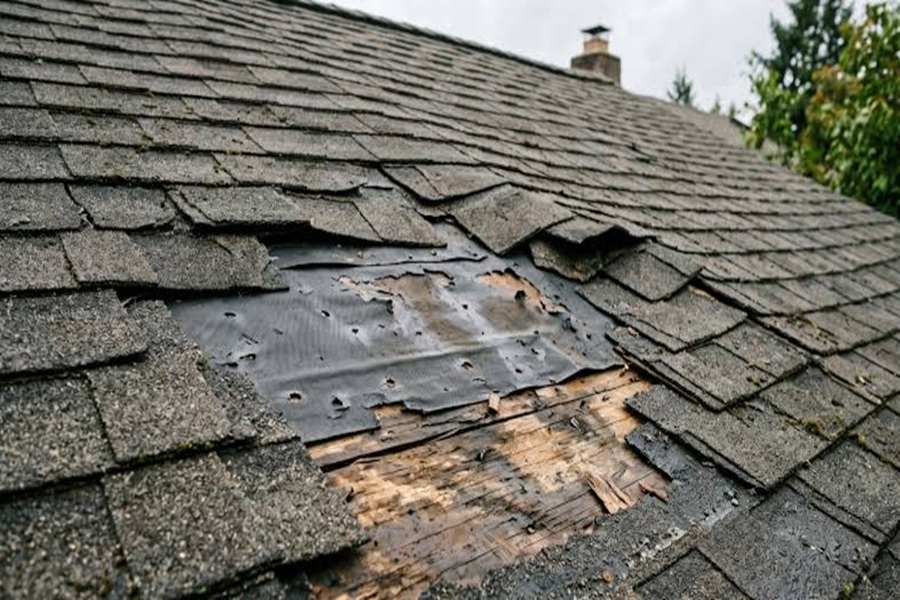
- Severe corrosion: Extensive rusting on metal flashing weakens its ability to protect against water and cannot always be repaired effectively.
- Bent or warped flashing: Metal that has become severely deformed due to strong winds or heavy impacts may no longer fit securely against the roof surface.
- Leaks caused by improper installation: Flashing installed incorrectly during initial construction may require complete removal and reinstallation for optimal performance.
- Deteriorated materials: Over time, certain types of flashing materials (such as older asphalt-based products) may degrade beyond repair.
Replacement ensures long-term durability and protects against recurring problems caused by compromised materials.
Cost Comparison
The decision between repair and replacement often depends on cost considerations as well as long-term value.
| Factor | Repair | Replacement |
| Cost | Lower upfront expense | Higher initial investment |
| Longevity | Shorter lifespan | Longer-lasting solution |
| Time Required | Generally quicker | May require more time |
| Suitability for Severe Damage | Not ideal | Best option |
Professional Assessment
Given the complexity of roofing systems, it’s advisable to consult with a professional roofer when deciding between repair and replacement. A qualified contractor can assess the condition of your flashing, identify potential risks, and recommend an appropriate course of action based on their findings.
Proper maintenance after either repair or replacement can further enhance your roof’s performance by preventing future damage to critical areas like valleys, chimneys, vents, and skylights.