What Is Roof Decking
Roof decking, also referred to as sheathing, forms the foundational layer of your roofing system. It serves as the structural base that supports the entire roof covering—whether that’s shingles, tiles, or metal panels—and connects the roof to the rest of your home’s frame. Without roof decking, your roofing materials would lack the stability and support they need to function effectively.
Typically made from sturdy materials such as plywood or oriented strand board (OSB), roof decking acts as a critical intermediary between your home’s rafters and its outer roof covering. Installed directly on top of the roof’s framework, it provides a solid and level surface for attaching roofing materials. While often concealed beneath layers of insulation and weatherproofing barriers, its importance cannot be overstated.
A key feature of roof decking is its ability to distribute weight evenly across your roofing structure. This includes not only the weight of roofing materials but also external forces such as snow accumulation, rainwater pooling, and foot traffic during inspections or repairs. Properly installed decking ensures that these loads are safely transferred down through the home’s framework without causing damage.
Beyond structural support, roof decking plays an essential role in protecting your home from moisture intrusion. During installation, it is paired with a protective underlayment that acts as a secondary barrier against water penetration. This dual-layer approach helps prevent issues such as leaks, mold growth, and rot—problems that can compromise both your roofing system and interior spaces.
Modern advancements in construction have introduced various specialized decking materials designed to meet specific needs like fire resistance or enhanced durability against harsh weather conditions. Regardless of material choice, professionally installed roof decking ensures seamless integration with insulation layers and ventilation systems for optimal performance.
Understanding what roof decking is lays the groundwork for appreciating its broader role in safeguarding your home’s structural integrity and comfort levels year-round.
The Role Roof Decking Plays in Your Roofing System
Roof decking serves as the critical foundation of your entire roofing system. Positioned between the structural framework of your roof and the outer roofing materials, such as shingles or metal panels, it provides a sturdy base that ensures durability and structural integrity. Without proper roof decking, your entire roofing system would lack stability and may fail to protect your home from external elements effectively.
One of the primary roles of roof decking is its ability to distribute weight evenly across the roof. The decking acts as a bridge, transferring loads such as snow, debris, or even foot traffic during maintenance to the supporting framework. This ensures that no part of the roof is overburdened, reducing the risk of sagging or collapse.
Roof decking also helps in creating a weather-resistant barrier. When paired with waterproof underlayment materials, it prevents water from infiltrating into your home’s interior during rain or snowstorms. A strong and properly installed deck minimizes the chances of leaks and water damage that could compromise other parts of your roof and home.
Another key function is facilitating insulation and energy efficiency. With advancements in construction materials, modern roof decks often help improve thermal performance by providing a solid base for installing insulation layers. This can lead to better indoor temperature regulation while reducing energy costs over time.
In addition to these practical benefits, roof decking plays an essential role in securing roofing materials in place. Whether it’s asphalt shingles, clay tiles, or metal sheets being used for your outer layer, they need a firm structure underneath to be fastened securely. A stable deck ensures these materials remain intact even during high winds or severe weather conditions.
From an aesthetic perspective, although not visible from outside or within most homes, quality roof decking contributes indirectly to how well the outer roofing components perform long-term without curling or shifting out of place. This preserves both functionality and curb appeal over years of use.
Lastly, safety is paramount when discussing any aspect of a building’s infrastructure—and roof decking is no exception. The stability provided by this essential component ensures that individuals performing inspections or repairs can walk across roofs without concerns about weak spots giving way unexpectedly.
In essence, while it might not be readily seen or thought about often by homeowners, roof decking performs vital functions behind the scenes that impact everything from structural soundness to overall energy efficiency—making it one of the most integral parts of any well-designed roofing system. Proper maintenance and quality installation are crucial for ensuring its continued performance throughout its lifespan.
The Role Roof Decking Plays in Your Roofing System
Roof decking, often referred to as sheathing, serves as the foundational platform of any roofing system. It is installed beneath the outer layers of the roof, such as shingles or tiles, and provides critical structural support. Without this essential component, your roof would lack the stability needed to protect your home effectively from weather conditions and external elements.
One of the primary roles of roof decking is to act as a solid base for roofing materials to be attached securely. Whether your roof is covered with asphalt shingles, metal panels, or clay tiles, they need a sturdy surface to fasten onto. The decking not only ensures proper attachment but also helps distribute weight evenly across the roof structure. This weight distribution prevents undue stress on specific areas and minimizes risks of sagging or collapse over time.
Another vital function of roof decking lies in its ability to reinforce insulation and energy efficiency within your home. While it may not directly insulate your house like attic insulation does, good-quality decking acts as a barrier that keeps moisture out and reduces thermal transfer. By keeping out water leaks and drafts, an intact deck contributes to maintaining stable indoor temperatures and lower energy bills.
Additionally, roof decking serves as a critical layer of protection for the structural integrity of your home during extreme weather events. Harsh winds, heavy rains, snow accumulation, or hail can compromise roofs that lack a resilient deck underneath them. A properly installed deck absorbs these impacts while helping keep water from seeping into vulnerable parts of your home’s interior.
Beyond physical support and weather defense, well-maintained roof decking also contributes to long-term durability for your entire roofing system. When paired with adequate ventilation systems in your attic space or underlayment materials designed for moisture control, it helps prevent common issues like mold growth or wood rot that could jeopardize other parts of the roof over time.
Lastly, having quality decking facilitates easier maintenance and repairs when needed. Whether it’s replacing damaged shingles after a storm or performing routine inspections on aging roofs, professionals rely on a strong deck as their foundation for accessing problem areas safely.
The role that roof decking plays extends far beyond being “just another layer.” It binds together multiple elements of your roofing system into one cohesive structure capable of withstanding environmental challenges while preserving the comfort and safety of those living beneath it. Recognizing its importance ensures you make informed decisions about materials used during installation or replacement projects—choices that directly impact how well-protected your home remains over time.
Signs Your Roof Decking May Be Damaged
Roof decking serves as the essential foundation for the rest of your roofing materials, and any damage to it can compromise the stability and functionality of your entire roof. Identifying signs of damage early is crucial to preventing costly repairs and safeguarding your home.
Water Stains or Leaks Inside Your Home
One of the most common signs of damaged roof decking is water infiltration. If you notice water stains on ceilings or walls, or if you experience leaks during heavy rain, it could indicate that moisture has penetrated the roof decking. This usually happens when shingles or other roofing materials are compromised, allowing water to seep through to the wood underneath.
Sagging Areas on Your Roof
A sagging roofline is a clear indicator of weakened roof decking. Over time, exposure to moisture and weight can cause the wooden boards to deteriorate, leading to structural issues. Sagging areas may also be visible from within your attic space as uneven or drooping sections between rafters.
Mold or Mildew Growth
The presence of mold or mildew in your attic is another red flag that your roof decking may be damaged. Moisture trapped in the wooden decking provides an ideal environment for these growths, which not only weaken the material further but can also pose health risks for occupants.
Roofing Material Issues
If you observe curling shingles, missing tiles, or nails popping up from your roof’s surface, these could indicate underlying damage to your roof decking. As decking starts to deteriorate under stress from weather conditions or aging materials, it can no longer hold nails securely, leading to loosening shingles and other visible problems.
Increased Energy Bills
Damaged roof decking often leads to gaps in insulation and ventilation problems within the roofing system. This can make maintaining a consistent indoor temperature more difficult, causing heating and cooling systems to work harder than necessary—resulting in higher energy bills.
Addressing Roof Decking Damage Early
If you identify any of these warning signs, it’s essential not to delay addressing them. A thorough inspection by a professional roofing contractor can pinpoint whether minor repairs are sufficient or a full replacement is needed. Regular maintenance checks are key in extending the lifespan of both your roof decking and overall roofing system while preventing costly issues down the line.
When Should Roof Decking Be Repaired or Replaced
Roof decking serves as the backbone of your roofing system, supporting the layers of shingles, underlayment, and insulation that protect your home. Over time, it can be subjected to various forms of wear and tear due to weather conditions, structural stress, and environmental factors. Knowing when roof decking needs repair or replacement is crucial for maintaining the integrity of your roof and ensuring the safety of your home.
Recognizing Warning Signs
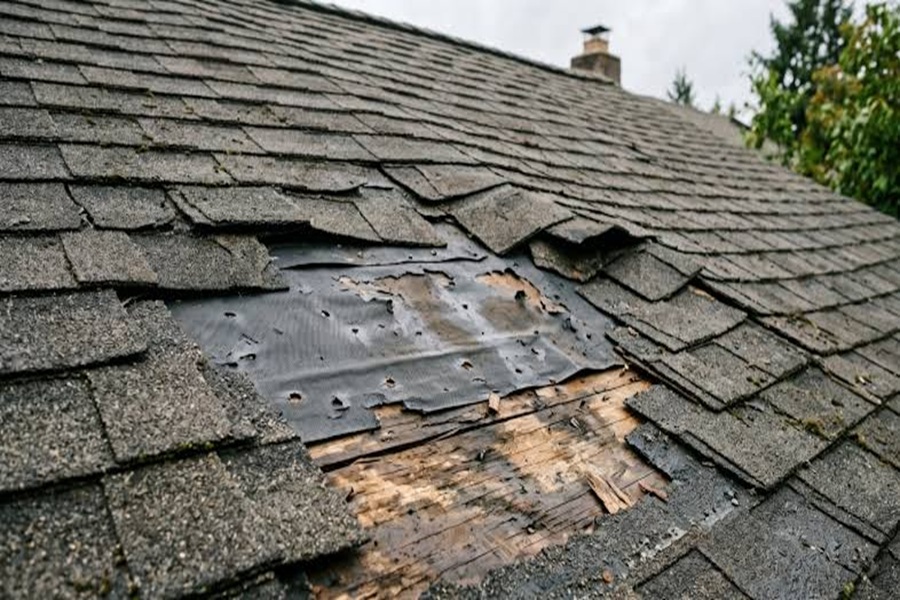
One of the first steps in determining whether your roof decking requires attention is identifying warning signs. These may include visible sagging in parts of the roof or unusual dips when viewed from a distance. Inside your home, water stains on ceilings or walls can indicate that water has bypassed the outer roofing layer and compromised the decking. In severe cases, you may notice mold growth or soft spots in your attic where moisture has been retained.
If you experience frequent roofing leaks during rain or snowfall, this could also signal problems with roof decking. Pay attention to musty odors in attic spaces or areas where water damage seems to persist even after superficial repairs are conducted on shingles or flashing.
The Impact of Moisture and Age
Moisture is one of the leading culprits behind deteriorating roof decking. Prolonged exposure to water can cause wood-based materials like plywood or OSB (oriented strand board) to warp, rot, or weaken over time. Once this damage sets in, it compromises not just the decking itself but also the overall structure of your roofing system.
Age is another factor that cannot be ignored. Even if a roof appears outwardly intact, older roofs—typically those exceeding 20-30 years—should be inspected for potential underlying issues with their decking quality.
Repair vs Replacement: Making an Informed Choice
Deciding between repairing specific sections vs replacing entire sheets depends largely on how extensive the damage is. For minor issues like isolated leaks resulting from small cracks in shingles above the deck, repairs may be sufficient if caught early enough. However, widespread rot affecting multiple areas typically necessitates replacement to prevent further structural compromise.
It’s essential to consult professional roofing contractors who have experience assessing both visible damage and less obvious structural concerns beneath surface layers like shingles and underlayment.
Preventative Care Can Save Costs
Addressing problems promptly reduces repair costs while preserving longer-term durability for other components tied directly into good-quality decks beneath finish exteriors above! Most owners overlook early-stage vulnerabilities simply because severe external leakage hasn’t manifested outwardly yet still threatens indoors stability
How Proper Roof Decking Protects Your Home
Roof decking serves as the essential foundation of your roof, playing a significant role in maintaining the structural integrity of your home. When installed and maintained correctly, it goes beyond simply holding shingles in place; it actively safeguards your home from various potential risks and environmental challenges. Understanding how proper roof decking protects your home can help you appreciate its importance and ensure it remains in excellent condition for years to come.
Provides Structural Stability
At its core, roof decking acts as the skeletal structure that supports your entire roofing system. It connects the framework of your house to the external roofing materials, distributing weight evenly across the surface. This stability is crucial not only for holding up shingles or tiles but also for ensuring your roof can withstand heavy snow loads, strong winds, and other environmental pressures. Without sturdy roof decking, even well-constructed roofs are vulnerable to collapse or sagging over time.
Enhances Weather Resistance
Roof decking acts as the first line of defense against nature’s elements when paired with underlayment and shingles. It creates a solid barrier that prevents water infiltration into your home during heavy rains or snowstorms. If moisture seeps through damaged or weak decking, it can lead to leaks, mold growth, and structural decay within walls and ceilings. A properly installed deck minimizes these risks by providing a seamless layer that keeps water out while offering additional insulation.
Boosts Energy Efficiency
Well-maintained roof decking contributes to better energy efficiency within your home by providing an added layer of insulation. It works in tandem with roofing materials to regulate indoor temperatures by preventing heat transfer from the attic to living spaces below. This reduces strain on heating and cooling systems, helping homeowners save on energy bills while maintaining a more comfortable indoor environment.
Prevents Pest Intrusion
Damaged or improperly installed roof decking can create entry points for pests like rodents or insects. Even small gaps in deteriorating wood can allow critters access into attics or walls where they may nest and cause further damage. Correctly installed roof decking eliminates these vulnerabilities by sealing off potential openings and maintaining a secure barrier against infestations.
Protects Against Fire Spread
Some types of modern roof decking materials are designed with fire-resistant properties to provide an additional safety measure for homes located in wildfire-prone areas. By incorporating fire-resistant options during installation or replacement, homeowners gain peace of mind knowing their roofs are better equipped to withstand certain fire hazards compared to older or untreated wood decks.
Prolongs Overall Roof Lifespan
Finally, proper care and maintenance of roof decking extend the lifespan of an entire roofing system. Solidly constructed decks prevent problems from developing prematurely in other layers like underlayment or shingles. Investing in high-quality materials during installation ensures long-term durability while reducing costly repairs down the road.
By serving as both a literal platform for roofing materials and a comprehensive protective layer for your home’s structure, proper roof decking is indispensable when it comes to safeguarding what matters most—your family’s comfort and safety within their living space.
How Proper Roof Decking Protects Your Home
Roof decking, often referred to as the backbone of your roof, plays a pivotal role in shielding your home from the elements. Acting as a foundational layer between the structural framework and the outer roofing materials, it is integral to maintaining a secure and well-functioning home. Properly installed and maintained roof decking ensures that your home remains protected against water damage, fluctuating temperatures, and other external threats that may compromise its integrity.
Preventing Water Damage
One of the primary functions of roof decking is to create a barrier against moisture. When properly installed and paired with an effective underlayment, it prevents water from seeping into your attic or living spaces. Without solid decking, even minor leaks could escalate into significant problems like mold growth or structural decay. The strength and quality of your roof decking directly determine its ability to keep out rain, snow, or ice that would otherwise infiltrate your home’s interior.
Supporting Structural Stability
Roof decking distributes weight evenly across the roofing system. This becomes crucial during heavy snowfalls or intense storms when additional pressure is placed on the surface. Properly designed and installed roof decking prevents sagging or collapsing by reinforcing the structural integrity of your roof. It ensures that each component of the roofing system works in harmony to withstand environmental stressors.
Improving Energy Efficiency
A well-maintained layer of decking also contributes to better insulation in your home by reducing heat transfer. High-quality materials act as an extra shield against extreme temperatures, helping keep indoor spaces comfortable year-round. This added efficiency results in energy savings by reducing heating and cooling costs over time—a benefit for both homeowners and the environment.
Providing Durability for Roofing Materials
The longevity of shingles or other outer roofing layers depends greatly on how reliable the base layer is beneath them. Roof decking lays down a stable foundation for these materials to attach securely without shifting or deteriorating prematurely. This prevents common issues like curling shingles or uneven wear patterns caused by inadequate support.
Enhancing Safety
Proper roof decking not only protects your home but also safeguards its occupants. In areas prone to high winds or hurricanes, strong roof decking reduces risks associated with flying debris or sections of roofs being torn off during storms. Investing in durable materials minimizes vulnerabilities during extreme weather events and provides peace of mind about your home’s safety.
Long-Term Cost Savings
While proper installation might require an upfront investment, sound roof decking saves money in the long run by reducing repair needs caused by leaks, poor ventilation, or insufficient support for outer materials. A high-functioning deck minimizes maintenance costs while maximizing overall lifespan for both itself and the entire roofing system above it.
Selecting appropriate materials tailored to local climate conditions ensures optimal protection from external factors while extending durability further. By prioritizing quality craftsmanship during installation and paying attention to upkeep over time—such as replacing damaged sections promptly—homeowners can rely on their roof’s ability to safeguard their property effectively for decades ahead.