Understanding the Concept: What Is a Roof Cricket?
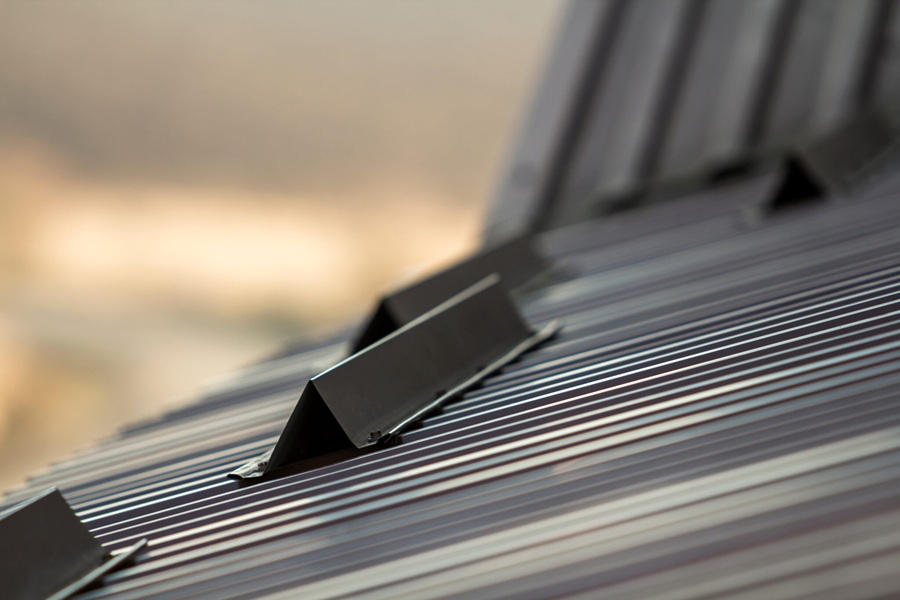
A roof cricket, also known as a saddle, is an architectural design feature used in roofing. It’s essentially a small, secondary roof structure that diverts water and snow away from certain areas of the roof where it could potentially accumulate and cause damage. The main purpose of a roof cricket is to prevent leaks and extend the lifespan of your roofing system.
Roof crickets are typically installed at the point where two sections of a roof meet, generally behind chimneys or other large roof projections. The size and slope of the cricket are determined by the size of the obstruction and slope of the existing roof. This structure has an angled surface designed to efficiently guide water around these obstructions, directing it towards the gutters where it can safely drain away.
This term is taken from cricket in sports because when viewed from above, some roof crickets resemble a cricket pitch.
- They have an inverted V-shape.
- They are made using waterproof materials.
- They are often found behind chimneys or other obstructions on the rooftop.
- Their size varies depending on factors like obstruction size, location on the rooftop, and regional climate conditions.
Understanding this concept can be beneficial for homeowners or anyone involved in property maintenance as it provides insights into effective ways to protect roofing systems from potential water damage.
Exploring Different Types of Roof Crickets and Their Uses
The concept of roof crickets, also known as chimney saddles or roof diverters, is not widely known among homeowners. However, it is an essential architectural feature that ensures the longevity of a building’s roof by redirecting water and debris away from critical areas. Understanding the different types of roof crickets and their specific uses can help homeowners make informed decisions regarding their installation.
1. Chimney Crickets
The most common type of roof cricket is associated with chimneys. When a chimney protrudes through the middle of a sloped roof, it creates an area where water can pool and seep into the building structure causing leaks or structural damage over time. To prevent this from happening, a chimney cricket is installed behind the chimney to divert rainwater to the sides of the chimney instead.
2. Valley Crickets
Valley crickets are used in roofs with complex geometries – particularly where two sloping roofs meet forming a ‘valley’. These valleys can become water collection points during heavy rains and snowfall if not properly drained. Valley crickets are therefore designed to redirect this water toward the edge of the roof, effectively preventing accumulation.
3. Dormer Crickets
Dormer windows are popular architectural features that add extra space and light to a home’s interior. However, like chimneys, they can create potential water traps on your roof. A dormer cricket is used in this case to direct rainwater around these structures rather than allowing it to pool at their base.
- Leak Prevention: The main function of all types of roof crickets is to prevent potential leaks by directing runoff away from vulnerable points on your roof.
- Debris Management: In addition to managing water flow, roof crickets help manage debris such as leaves or twigs that can accumulate and cause blockage on the roof.
- Ice Dam Prevention: In colder climates, crickets are especially useful for preventing ice dams. Ice dams form when melting snow refreezes at the edge of your roofline. By redirecting water away from these areas, crickets help prevent this issue.
So whether you’re dealing with a chimney, a valley, or a dormer window on your roof, there’s a cricket design for every circumstance. All are aimed at preserving the structural integrity and longevity of your roof by effectively dealing with precipitation and debris.
Identifying the Right Circumstances for Using a Roof Cricket
- Large Chimneys: One of the most common places to spot roof crickets is behind large chimneys. If chimney breadth exceeds 30 inches, building regulations often stipulate that a cricket must be installed.
- Valleys and Intersecting Roofs: At intersections where two roofs meet, particularly in valleys, crickets can help prevent water from pooling and potentially causing leaks or structural damage.
- Flat Roofs or Low Slope Roofs: In cases where the roof has a low slope or is flat, water tends to accumulate easily. Crickets can aid in channeling this water towards gutters or drain systems.
- Roofs with Skylights: Skylights are notorious for developing leaks over time due to their sealant becoming less effective with age. A well-placed cricket can divert water away from skylight seams, reducing the potential risk of leaks.
- Roofs Prone to Heavy Snowfall: In regions with heavy snowfall, crickets can aid in directing snow away from vulnerable points on your roof such as chimneys or skylights.
Realistically evaluating your roofing circumstances is pivotal when deciding whether you need a roof cricket or not. For instance, consider factors like your regional climate, your property’s architecture and design features like chimneys or skylights.
An experienced roofing contractor should be able to advise you on whether you need one based on an inspection of your property and an understanding of local weather conditions and building codes. It’s essential to ensure that any roof cricket installation job is executed properly, with the right materials and techniques being used to ensure its effectiveness and longevity.
While some homeowners might view a roof cricket as an unnecessary expense, it is important to consider the long-term benefits they provide in preventing water damage or structural issues. They offer a cost-effective solution in maintaining the overall health of your roof over time. Always remember that a well-constructed and installed roof cricket is a long-term investment that will save you money on costly repairs down the line.
Why Investing in a Roof Cricket Can Be Beneficial
Diverts Water Away from Critical Areas
Perhaps one of the most significant benefits of having a roof cricket is its ability to divert water away from critical areas on your rooftop. This is especially useful if you have chimneys or skylights, where water tends to accumulate and cause damage over time. A well-constructed roof cricket channels rainwater and snowmelt around these structures, preventing pooling and eventual leakage into your home.
Increases Roof Longevity
Roof crickets also play an essential role in increasing the lifespan of your roofing system by effectively managing water runoff during heavy rains or snowfall. By directing rainwater away from vulnerable areas such as valleys or joints, which are prone to leaks, a roof cricket can minimize weather-related wear and tear. This improved drainage system helps keep your roof and its associated structures dry and intact for longer periods.
Reduces Maintenance Costs
A leaking roof can lead to significant repair costs, not only for fixing the leak itself but also for addressing any resulting damage within your home. Accumulated moisture can lead to issues such as mold growth, damaged insulation, staining on walls and ceilings, and other structural problems that may require costly remediation efforts. By preventing water accumulation and subsequent leakage with the installation of a roof cricket, you can reduce maintenance costs over time.
Enhances Aesthetic Appeal
Beyond the practical benefits, a well-designed and installed roof cricket can enhance your property’s overall aesthetic appeal. It seamlessly integrates with existing roofing materials and architectural elements to provide an attractive finishing touch that complements your home’s design.
Promotes Energy Efficiency
Roof crickets can contribute to a home’s energy efficiency by providing an additional layer of insulation against heat loss in winter and cool air escape in summer. This insulation capability helps maintain consistent indoor temperatures, reducing the strain on your heating and cooling systems and potentially lowering your energy bills.
Investing in a roof cricket goes beyond just addressing architectural challenges on your roof. It’s about enhancing your property’s overall structural integrity, aesthetic appeal, and energy efficiency, while also ensuring long-term savings by reducing damage-related repair costs. As such, if you want an effective solution to manage water runoff on your roof particularly around intersections or protruding structures like chimneys, consider integrating a roof cricket into your roofing system.
Practical Advantages of Having a Roof Cricket on Your Property
A roof cricket, also known as a saddle, is a ridge structure designed to divert water on a roof. It is installed at the high side of the roof plane, usually behind chimneys or along intersections in the roof. The main purpose of a roof cricket is to prevent water buildup and leakage, which can cause significant damage over time. Let’s delve into the practical advantages of having a roof cricket installed on your property.
1. Enhanced Water Drainage
One of the primary benefits of having a roof cricket is its ability to improve water drainage significantly. Its unique design helps to divert water around elements such as chimneys or vents that may otherwise obstruct smooth runoff and lead to pooling or leaks.
2. Prevention of Snow and Ice Accumulation
In areas that experience heavy snowfall during winter months, ice dams and snow accumulation on roofs can become problematic. Roof crickets can effectively prevent this buildup by helping snow and ice slide off instead of settling on flat surfaces or against vertical structures.
3. Protection Against Structural Damage
When you have a roof cricket installed, you essentially protect your property from potential structural damage caused by persistent water leaks. Prolonged exposure to moisture can rot wood and rust metals – elements often used in roofing construction. By directing water away from these vulnerable points, you maintain the integrity of your structure for longer periods.
4. Increased Lifespan for Your Roof
By offering enhanced protection against damaging elements like rainwater, snow, and debris buildup, installing a cricket extends your roof’s lifespan significantly. This makes it an economical option in the long run as it saves you from frequent repairs or replacements due to wear and tear.
5. Boosting Property Value
While they may not be visually appealing or even noticeable most times, having functional crickets can boost your property value substantially when it’s time to sell. They are indicative of a well-maintained roof and provide potential buyers with the assurance that their investment is secure against common roofing issues.
6. Reduced Maintenance Costs
Roof crickets can help homeowners save on maintenance costs by minimizing the likelihood of leaks and water damage. Less frequent repairs mean less money spent in the long run.
In summary, installing a roof cricket is a strategic move for property owners looking to protect their investments from water-related damage, extend their roofs’ lifespan, and potentially increase property value. Despite being unseen heroes in roof construction, they provide tangible benefits that contribute to residential or commercial properties’ overall well-being.