Why Proper Roof Ventilation Matters
Proper roof ventilation is a critical aspect of maintaining the health and longevity of your home. Many homeowners overlook the importance of a well-ventilated roof, but it serves as a silent guardian that protects your house from a variety of potential issues. It is not just about keeping your attic cool; it is about ensuring that your home remains energy-efficient, structurally sound, and free from avoidable problems.
One of the primary roles of roof ventilation is to regulate temperature. During hot summer months, heat can build up in the attic, creating an oven-like environment. Without proper ventilation, this trapped heat can cause your air conditioning system to work harder, leading to increased energy bills. A well-designed ventilation system allows excess heat to escape efficiently, keeping indoor temperatures more stable and reducing overall cooling costs.
In colder climates, roof ventilation becomes equally vital. When warm air from within the house rises into the attic during winter months, it can meet cold surfaces such as roof decking. This sudden temperature change causes condensation to form. Over time, excess moisture in the attic can lead to mold growth, wood rot, and damage to insulation materials—all of which are costly issues to repair. Proper airflow ensures that moisture does not accumulate and helps maintain a dry environment.
Roof ventilation also plays an essential role in extending the lifespan of roofing materials. Shingles exposed to excessive heat or trapped moisture are more likely to warp, crack, or deteriorate prematurely. By allowing for consistent airflow under the roof deck, you can prevent these problems and save money on frequent repairs or replacements.
Beyond physical protection for your home and wallet-friendly energy savings, good ventilation contributes to better indoor air quality by reducing pollutants and humidity levels that could otherwise seep into living spaces from an unventilated attic. This is particularly beneficial for individuals with allergies or respiratory conditions.
For any homeowner who wants peace of mind about their property’s condition over time—and who doesn’t?—investing in proper roof ventilation should be non-negotiable. Whether you’re building a new home or upgrading an existing one, understanding how various types of vents work together as part of a balanced system will ensure that every component functions optimally while protecting what matters most: your home’s structural integrity and comfort year-round.
Understanding Ridge Vents
Ridge vents are among the most effective and widely used types of roof ventilation systems. They run along the peak or ridge of a roof, creating a continuous venting solution that allows hot air and moisture to escape from the attic space. Designed to blend seamlessly with the roofline, ridge vents are both functional and aesthetically pleasing, making them a popular choice for modern homes.
Ridge vents work on the principle of natural convection. As warm air rises within your home, it collects in the attic. Without proper ventilation, this heat buildup can cause damage to roofing materials, increase indoor temperatures, and lead to moisture-related issues like mold or mildew growth. By allowing this trapped air to escape through the ridge vent, your home’s overall energy efficiency improves, while also protecting structural components from unnecessary wear and tear.
One of the main advantages of ridge vents is their ability to provide consistent and evenly distributed airflow throughout the attic. Unlike other vent types that may only target specific areas, ridge vents allow for an even exchange of air across the entire roof plane when combined with adequate intake vents like soffit vents. This balanced system ensures that heat and moisture are effectively removed year-round.
Another benefit is their discreet appearance. Ridge vents are typically covered by shingles or protective caps that match the roofing material, making them nearly invisible from ground level. This design not only helps maintain curb appeal but also protects against debris or pests entering through exposed openings.
However, proper installation is crucial for ridge vents to work effectively. They need to be paired with sufficient intake ventilation—such as soffit vents—to create a steady flow of air through the attic space. Without adequate intake points, hot air may not be efficiently pulled out through the ridge vent.
When considering whether ridge vents are right for your home, it’s important to evaluate factors such as your roof’s pitch and climate conditions in your region. While they perform well in most environments, homes located in areas prone to heavy snow accumulation may require additional considerations since snow can temporarily block airflow along ridges.
If you’re planning a new roof installation or upgrading an existing one, consulting with a professional roofing contractor can help ensure that ridge vents are installed correctly and integrated into a comprehensive ventilation system tailored to your needs. Investing in proper ventilation not only contributes to better indoor comfort but also extends the lifespan of your roofing materials—an essential factor when maintaining a durable and efficient home.
How Soffit Vents Improve Attic Airflow
Soffit vents play a critical role in maintaining proper ventilation within your home, particularly in the attic space. These vents are installed on the underside of your roof’s overhang, known as the soffit, and work alongside other types of vents to promote healthy airflow. By allowing fresh air to flow into the attic from below, soffit vents help create a balanced ventilation system that removes excess heat and moisture. This balance is key to protecting your home from potential damage and ensuring energy efficiency.
The Role of Intake Vents
Soffit vents serve as intake vents in a roof ventilation system. While exhaust vents—like ridge or box vents—work to expel hot and moist air from the attic, soffit vents pull cooler outdoor air into the space. Together, intake and exhaust vents create a continuous flow of air that prevents hot air from becoming trapped in the attic during warmer months or moisture buildup during colder months.
Proper airflow is essential for regulating temperature within your home. During summer, stagnant hot air can cause your cooling system to work harder, leading to higher energy bills. In winter, inadequate ventilation can lead to condensation buildup, which may result in mold growth or even structural damage due to rot.
Types of Soffit Vents
There are two main types of soffit vents: continuous strip vents and individual vent panels. Continuous strip soffits run along the entire length of the roof’s overhang for consistent airflow across multiple areas. This design is ideal for homes with long eaves and ensures there are no gaps in ventilation coverage.
Individual vent panels, on the other hand, are spaced out at regular intervals along the soffit. They’re a suitable option when only certain areas need additional ventilation or when it’s not practical to install continuous strips.
Materials for soffit vents vary as well; they’re typically made from aluminum, vinyl, or PVC due to their durability against outdoor elements.
Benefits Beyond Airflow
Improving attic airflow is just one benefit of installing soffit vents. By reducing excess heat buildup inside your attic during summer months, these vents contribute indirectly to extending shingle life since intense heat can cause roofing materials to deteriorate faster over time.
Additionally, proper venting helps prevent ice dams during winter by keeping attics closer to ambient temperatures rather than allowing warm indoor air leaks that melt snow unevenly on roofs. Ice dams can lead to significant water damage if left unchecked.
Finally, good attic ventilation supported by effective soffit venting contributes directly toward better indoor air quality overall by reducing mildew risks caused by trapped humidity.
Maintenance Tips
To ensure that your soffit vents function optimally over time:
– Regularly inspect them for blockages caused by debris like leaves or dirt. – Clean them gently using compressed air or a soft brush if necessary. – Check periodically for signs of rust (if metal) or cracks (if made from plastic), replacing any damaged sections promptly. – Ensure insulation inside the attic doesn’t block airflow near these intake points; insulation should be properly aligned away from vent openings while maintaining thermal coverage elsewhere.
Investing time in maintaining and optimizing your soffit vent system will pay off through improved energy efficiency and protection against costly repairs related to poor roof ventilation down the road.
Box Vents and Other Static Vent Options
Box vents, often referred to as static vents or low-profile vents, are a common and cost-effective solution for roof ventilation. Unlike powered vents or turbine fans, box vents have no moving parts. Instead, they rely on natural airflow dynamics to regulate attic temperatures and moisture levels. These vents are installed near the roof’s peak and work in tandem with intake vents, such as soffit vents, to create a balanced ventilation system.
Static vents like box vents operate on the principle of warm air rising. As heat builds up in your attic, it naturally escapes through these small openings. This process is passive but highly efficient when properly implemented in conjunction with adequate intake ventilation.
Advantages of Box Vents
One of the main benefits of box vents is their straightforward design and installation process. Because they have no mechanical components, there is minimal risk of malfunction or breakdown over time. This makes them a low-maintenance option that can serve homeowners for many years when installed correctly.
Box vents are also versatile in their application. They can be used on various roof designs and materials without disrupting the overall aesthetic of the home. Available in multiple colors and materials, these static vent options can blend seamlessly with your roofing shingles.
Drawbacks to Consider
Despite their affordability and simplicity, box vents may not always be suitable for every climate or home design. For instance, because they depend on natural air movement rather than mechanical force, they may struggle to perform effectively in areas with limited wind activity or extreme humidity levels.
Additionally, box vents require proper placement during installation to ensure maximum efficiency. If not strategically located near the ridge line or paired with sufficient intake ventilation, their ability to expel hot air diminishes significantly.
Alternatives Within Static Vent Options
- Off-ridge Vents: Similar to box vents but elongated in shape; they cover more surface area and may be ideal for homes needing additional airflow.
- Cupola Vents: Often decorative as well as functional; these are typically installed atop barns or larger structures but can also be adapted for residential use.
- Gable Vents: Installed at the ends of a home’s gable; these provide additional cross-ventilation when paired with other venting solutions.
Proper Installation is Key
Regardless of which type you choose—be it box vents or another form of static vent—it’s critical that professional installation guidelines are followed. Poorly placed or inadequately sized static ventilation systems can lead to moisture buildup that damages insulation materials over time while contributing to mold growth.
For optimal performance, always consult an experienced contractor who can evaluate your attic space dimensions along with local climate patterns before determining which venting option suits you best.
Turbine and Powered Roof Vents
Roof ventilation plays a crucial role in maintaining the health of your home, and turbine vents, along with powered roof vents, are practical solutions for ensuring proper airflow. These types of vents differ significantly in design and functionality, catering to different needs depending on your home’s architecture and climate. Understanding their unique features can help you decide whether they’re the right option for your roof.
Turbine Roof Vents: Harnessing Wind Power
Turbine roof vents, often referred to as “whirlybirds,” are a type of wind-driven vent that actively draws out hot air from your attic. They consist of a rounded top with fins or blades that spin when the wind blows against them. This spinning motion creates suction, allowing warm air trapped inside the attic to escape efficiently.
Advantages of Turbine Vents:
– Energy Efficiency: Since turbine vents rely entirely on wind power, they do not consume electricity, making them an eco-friendly choice. – Cost-Effectiveness: The installation cost is relatively low compared to powered options while still being effective in areas with moderate winds. – Durability: Most turbine vents are made from materials like aluminum or galvanized steel, which resist rust and weather damage.
However, turbine vents function optimally in areas where there is consistent airflow. In regions with little to no wind or during particularly calm days, their efficiency may decrease. Additionally, proper installation is key; poorly-installed turbines can allow water leaks during rain.
Powered Roof Vents: Mechanical Efficiency at Its Best
Powered roof vents take a more active approach to ventilation by using electricity (or sometimes solar power) to operate fans that expel hot air from the attic. These are particularly useful in hot climates or areas prone to extreme summer temperatures where passive options may not be sufficient.
- Electric-Powered Vents: These connect directly to your home’s electrical system and offer reliable performance regardless of outdoor conditions.
- Solar-Powered Vents: A sustainable alternative that uses solar panels mounted on the vent itself to run the fan motor—a great option for reducing energy costs while keeping your attic cool.
Benefits of Powered Vents:
– Consistent Performance: Unlike passive systems like ridge or soffit vents, powered models work consistently regardless of external factors like wind speed. – High Efficiency: They can quickly remove large volumes of air from attics that tend to trap excessive heat. – Customizable Settings: Many units allow homeowners to adjust fan speeds or program systems based on temperature thresholds.
Despite their efficiency, powered roof vents come with higher upfront costs due to both the product itself and professional installation requirements. Depending on local energy prices or available sunlight (in the case of solar-powered models), operational costs might also be something homeowners need to consider.
Factors for Choosing Between Turbine and Powered Options
Selecting between turbine and powered roof vents largely depends on your home’s specific needs:
– If you live in a windy region and want an eco-friendly solution without ongoing costs, turbine vents could be ideal. – For homes in areas with high heat levels or limited natural airflow, powered roof vents provide consistent performance regardless of environmental conditions.
Both options contribute significantly toward improving attic ventilation when chosen based on climate compatibility and homeowner preferences. Proper maintenance—such as cleaning debris from turbines or ensuring motors run efficiently—will ensure either system works effectively over time.
How to Choose the Right Roof Vent for Your Home
Selecting the ideal roof vent for your home requires careful consideration of factors such as your local climate, the structure of your roof, and your overall ventilation needs. Proper roof ventilation is a critical component of maintaining a healthy and energy-efficient home. The right choice can help regulate attic temperatures, protect the integrity of your roofing materials, and reduce energy costs.
Understand Your Climate and Local Weather Conditions
Climate plays a major role in determining what type of roof vent will work best for you. If you live in an area with high humidity or hot summers, ridge vents combined with soffit vents may offer effective natural airflow. On the other hand, areas with frequent heavy rainfall or snow accumulation might benefit more from box vents or powered ventilation systems that are specifically designed to handle moisture control and extreme weather scenarios.
Evaluate Your Roof Design
The structure and slope of your roof can also influence your choice. For instance, homes with steep-sloped roofs are often well-suited for ridge vents because they take advantage of natural convection to improve airflow. Flat or low-sloped roofs may require alternative solutions such as turbine vents or powered fans that can actively draw out stale air. Additionally, consider whether you’re dealing with any architectural limitations—some homes simply aren’t compatible with certain types of vents without extensive modifications.
Assess Energy Efficiency Needs
If energy efficiency is a priority for you, powered roof vents might be worth exploring. Solar-powered attic fans present an environmentally friendly option that reduces dependence on electricity while efficiently improving air exchange in the attic space. However, passive ventilation systems like ridge and soffit vents are generally more sustainable over time since they rely on wind and thermal dynamics rather than mechanical power.
Factor in Aesthetics
Aesthetics may not be the first thing you think about when choosing a roof vent, but it’s worth considering how these additions will affect the overall appearance of your home’s exterior. Ridge vents are sleek and low-profile compared to box or turbine-style options, which tend to be more noticeable from ground level. Choosing a design that blends seamlessly into your roofing materials can help maintain curb appeal.
Consult Professionals When Necessary
When in doubt about which venting system suits your needs best, consulting with roofing professionals is always a smart move. They can assess specific details such as attic insulation levels, existing ductwork configurations, and other factors that could affect performance. Proper installation is crucial; even the best-designed vent won’t work effectively if installed incorrectly.
By understanding these considerations before making a decision, you’ll ensure that your investment enhances both the functionality and longevity of your home’s roofing system while aligning with its unique characteristics.
Signs Your Roof Ventilation Needs Improvement
Proper roof ventilation plays a crucial role in maintaining the health and longevity of your home’s roofing system. However, not every homeowner realizes when their roof ventilation system is underperforming or failing entirely. Recognizing early signs of poor ventilation can save you from costly repairs down the line and ensure your home stays safe, energy-efficient, and comfortable. Below are some of the key indicators that your roof ventilation could need immediate attention.
Excessive Heat in the Attic
One of the most apparent signs of inadequate roof ventilation is an overly hot attic. If you step into this space during warmer months and feel stifling heat, it’s often a signal that stale air isn’t being properly vented out. A well-ventilated attic should remain relatively consistent with outdoor temperatures during summer. Excess heat not only damages insulation but can also warp wooden structural elements and degrade roofing materials prematurely.
Noticeable Increase in Energy Bills
If your home’s cooling or heating costs have suddenly spiked without any changes to your HVAC usage, poor roof ventilation might be to blame. Inadequate airflow can trap hot air or cold moisture inside your attic, forcing your HVAC system to work harder to maintain comfortable indoor temperatures. This inefficiency quickly reflects on utility bills.
Ice Dams During Winter
Ice dams occur when warm air from your improperly ventilated attic melts snow on the roof unevenly, causing water to refreeze at the eaves. These ice formations prevent proper drainage and can lead to water intrusion beneath shingles or into walls. If you notice frequent ice damming during colder months, it’s time to assess whether your current venting system balances airflow appropriately.
Mold or Mildew Growth
A damp attic space is one of the most common consequences of poor ventilation. Insufficient airflow traps moisture inside the attic, creating an ideal environment for mold or mildew growth on wooden beams and insulation surfaces. Beyond structural damage, this issue poses serious health risks for household occupants due to airborne spores circulating through the home.
Peeling Paint or Warped Wood
Improperly ventilated roofs often trap excess moisture within various parts of a house—walls included. Over time, this can result in peeling paint on walls or ceilings near the upper floors due to trapped humidity trying to escape internally instead of through vents as designed. Similarly, warped wood within attics may suggest prolonged exposure to retained moisture levels.
Lingering Odors
A musty smell coming from your attic or upper floors could be another sign something isn’t right with your roof’s venting system. Lingering odors often result from stagnant air combined with moisture buildup that promotes mold development—and ignoring these smells might lead to more pervasive issues throughout the house.
Shingle Damage
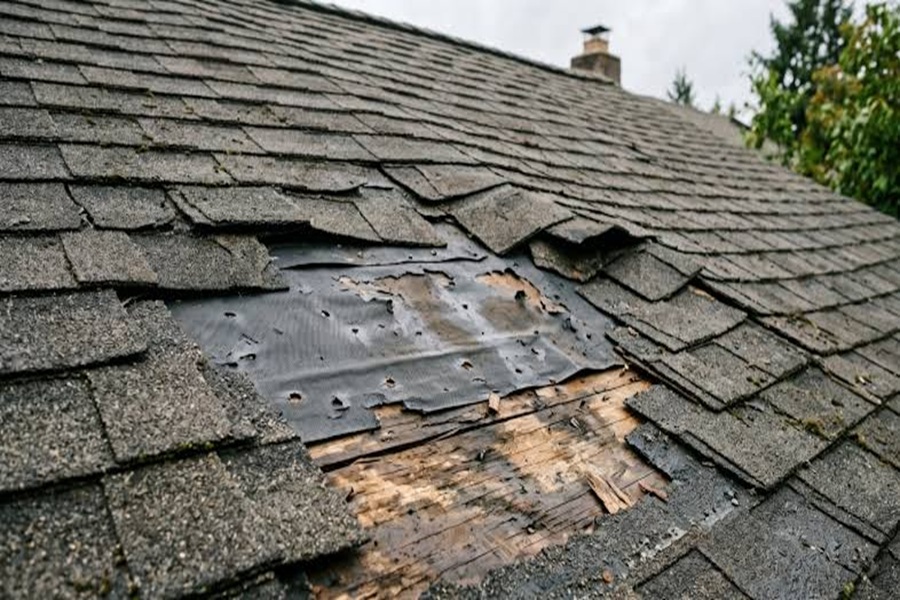
Your roof shingles themselves may reflect signs that point back toward insufficient ventilation. Premature curling, cracking, or blistering indicates that excessive heat from underneath is damaging them over time—potentially reducing their lifespan significantly compared with homes with adequate vent systems installed.
Assessing Next Steps
If you’ve noticed one or more of these warning signs in your own home—or even suspect potential issues—it’s essential not to ignore them for too long. Consulting a professional roofer experienced in evaluating and addressing ventilation problems can help pinpoint underlying causes promptly while offering effective solutions tailored specifically for your property needs.
Regular inspections combined with proactive maintenance ensure lasting performance while protecting both structural integrity and indoor comfort year-round for homeowners investing wisely into their rooftop systems’ health.