What Is a Roof Penetration
Roof penetrations are essential components of any structure’s roofing system. Simply put, a roof penetration refers to any opening, hole, or structural modification in the roof designed to accommodate specific functional elements. These penetrations allow for the installation of necessary systems and components that extend through or above the roofline, providing access points for utilities like ventilation, plumbing, electrical wiring, or heating and cooling systems. While they are instrumental to the operation and livability of buildings, they also represent potential weak points in a roof’s integrity if not installed or maintained correctly.
The most common examples of roof penetrations include vent pipes that expel gases from plumbing systems, chimneys that release smoke and exhaust from fireplaces or furnaces, skylights that bring natural light into interior spaces, and HVAC ducts used for heating and cooling. Each type serves its own purpose but shares the need for precise installation to ensure functionality while protecting the building from water intrusion.
Roof penetrations are not only technical necessities; they also play an important role in creating comfortable indoor environments. For instance, bathroom vents prevent moisture buildup by allowing humid air to escape outside rather than accumulating inside walls or ceilings. Similarly, skylights enhance energy efficiency by reducing reliance on artificial lighting during daylight hours. However beneficial these features may be functionally or aesthetically, their integration into a roofing system must be approached with care.
The challenge with roof penetrations lies in striking a balance between performance and protection. Because they interrupt the otherwise continuous surface of a roof’s waterproof barrier, penetrations must be designed and sealed carefully to prevent leaks over time. Factors such as material compatibility with the roofing membrane, proper flashing techniques around openings, and regular inspection schedules all contribute to maintaining their effectiveness.
Ultimately, understanding what constitutes a roof penetration is key to recognizing their critical role in both residential and commercial properties. Whether you’re building new construction or maintaining an older property, being aware of how these elements interact with your roofing system can help protect your investment while ensuring long-term functionality.
Common Types of Roof Penetrations
Roof penetrations are essential components of modern roofing systems, allowing various structural and functional elements to pass through a roof while maintaining its integrity. Understanding the common types of roof penetrations can help property owners and contractors ensure proper installation, maintenance, and longevity of the roof.
Vent Pipes
Vent pipes are among the most frequently encountered roof penetrations. These pipes serve as outlets for plumbing systems, ensuring proper ventilation and preventing pressure buildup in waste or drainage systems. Vent pipes are generally small but require precise sealing to avoid potential leaks.
Chimneys
Chimneys are larger, more visible penetrations designed to vent smoke and gases from fireplaces or heating appliances. Given their size and the frequent exposure to heat, chimneys require specialized flashing materials that can withstand temperature fluctuations while keeping moisture out.
Skylights
Skylights bring natural light into a building by creating openings in the roof. While aesthetically pleasing, these features represent a significant risk for water intrusion if improperly installed or sealed. Skylights often require custom flashing to accommodate their unique sizes and shapes.
HVAC Ducts
Heating, ventilation, and air conditioning (HVAC) systems often necessitate ducts that penetrate through roofs. These ducts range in size depending on the system’s requirements and must be carefully flashed to prevent air or water infiltration that could compromise energy efficiency or cause damage.
Antennas and Satellite Dishes
Antennas and satellite dishes are common additions to residential roofs, requiring small but crucial penetrations for mounting brackets or cabling. Misaligned or poorly sealed installations can lead to leaks over time.
Solar Panels
As renewable energy gains popularity, solar panels have become increasingly common on rooftops. While most panels use surface mounts that don’t require full penetration, some setups still need small openings for wiring or brackets. Proper sealing ensures these penetrations do not compromise the overall weatherproofing of a roof.
Dormers
Dormers are architectural features that protrude from sloped roofs to create additional usable space inside an attic or upper floor. These structures come with their own set of flashing requirements since they interrupt the natural flow of rainwater down a roof.
Exhaust Fans
Exhaust fans used in kitchens, bathrooms, or attics often necessitate vent hoods that pass through the roofline. Similar to vent pipes, these installations must be carefully flashed to prevent moisture buildup around their bases.
Each type of penetration presents unique challenges when it comes to preventing leaks and ensuring durability over time. Proper installation techniques combined with high-quality materials can make all the difference in maintaining a watertight roofing system capable of enduring varying weather conditions year-round.
Why Proper Flashing Around Roof Penetrations Matters
Flashing is one of the most critical components in protecting your roof and home from water damage. It acts as a barrier, safeguarding vulnerable areas where roof penetrations occur. Roof penetrations—such as vents, chimneys, skylights, and ducts—are places where the roofing material is disrupted, leaving gaps that are naturally prone to leaks if not properly sealed. Flashing provides an extra layer of protection by directing water away from these weak points and ensuring your roof remains watertight.
The importance of proper flashing cannot be overstated because even minor errors in installation or maintenance can lead to costly repairs. When flashing is correctly installed and maintained, it prevents water from seeping into the underlying roofing materials or the home’s interior spaces. Water intrusion through poorly flashed penetrations can cause extensive structural damage over time, including rotting wood framing, mold growth, and compromised insulation.
Incorrectly installed or aging flashing can result in leaks during heavy rains or snowmelt scenarios. Water that infiltrates through unprotected areas around a chimney or vent pipe often travels unseen inside walls or ceilings before noticeable damage occurs. By this point, repair costs may increase substantially as damages spread to other parts of the building.
Proper flashing also plays a key role in energy efficiency. Gaps around penetrations not only allow moisture to enter but can also enable air leakage. This compromises insulation performance and forces heating and cooling systems to work harder than necessary, leading to higher energy bills.
Different types of flashing materials are used depending on the specific penetration and roofing type—aluminum for lightweight needs like vent pipes or rubberized flashing for flexible seals around irregular shapes like skylights. Each material must be selected with care to ensure compatibility with roofing materials and climate conditions.
In addition to initial installation quality, ongoing monitoring of flashing is equally important. Over time, weather exposure can cause deterioration or loosening of the seal due to temperature fluctuations or heavy wind loads. Routine inspections help detect early signs of wear before they escalate into larger issues.
Professional expertise often makes a significant difference in ensuring proper installation and maintenance of flashing around roof penetrations. While DIY repairs might seem tempting for minor issues, improper fixes could void warranties on your roofing material or create further vulnerabilities if not done correctly.
Investing time in understanding how flashing protects your property ensures you’re better prepared to maintain your roof’s integrity for years ahead while avoiding preventable problems caused by neglecting these critical areas.
Signs of Leaks and Damage Around Roof Penetrations
Roof penetrations, while essential for functionality, are also some of the most vulnerable points on a roof. They create openings in what should be a continuous waterproof barrier, making them prone to leaks and damage if not properly installed or maintained. Identifying signs of potential issues early can help prevent costly repairs and protect the structural integrity of your home or building.
Water Stains on Ceilings or Walls
One of the most apparent indicators of a leak around roof penetrations is water stains on interior ceilings or walls. These stains often appear as brown, yellow, or discolored patches and may grow larger over time if the issue isn’t addressed. Such signs typically mean that water has infiltrated the roofing system and may already be causing damage to insulation, drywall, or wooden structures underneath.
Mold and Mildew Growth
Persistent moisture caused by roof penetration leaks can lead to mold and mildew development inside your home. These fungi thrive in damp environments and not only cause unpleasant odors but can also pose serious health risks for occupants. Inspect areas near chimneys, skylights, vents, or other penetrations for musty smells or visible mold growth.
Dripping Water During Rainstorms
Water visibly dripping from ceilings during a rainstorm is an unmistakable sign that there is a breach in your roofing system. This often indicates that flashing around roof penetrations has failed or deteriorated to the point where it no longer provides an effective seal.
Peeling Paint or Bubbling Wallpaper
Excess moisture caused by leaks can lead to peeling paint on walls or ceilings near roof penetration points. Similarly, wallpaper may begin bubbling due to trapped humidity beneath its surface. Both signs suggest ongoing water intrusion that should be addressed immediately.
Warping, Cracking, or Rotting Materials
Roof leaks around penetrations can affect more than just interior finishes; they may also lead to warping in wooden structures like beams or ceiling joists. Over time, unchecked water exposure can result in cracking paintwork on exterior soffits and fascias—or worse—rotting wood components.
Damaged Roofing Materials Near Penetration Points
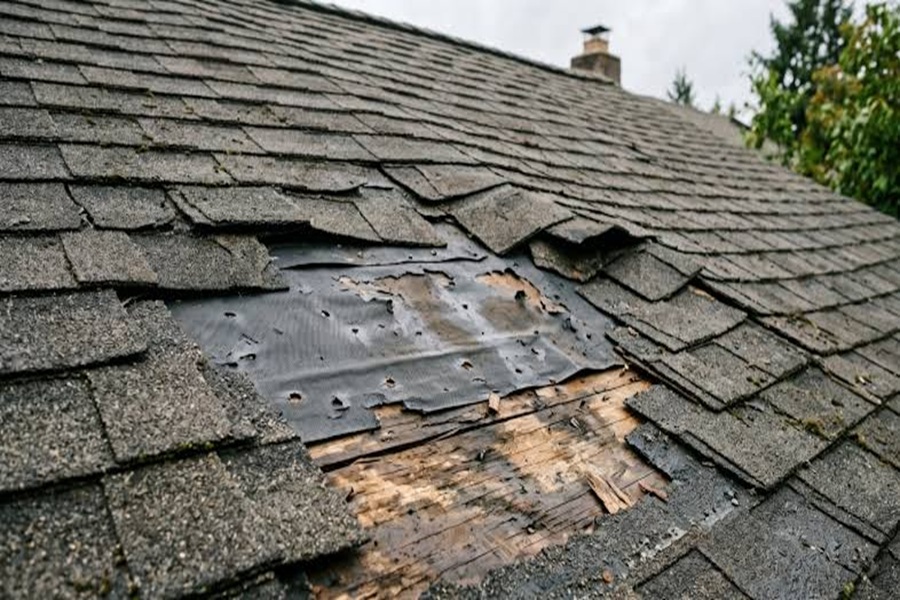
Inspect the exterior condition of your roof for missing shingles, damaged tiles, punctures in membranes surrounding penetrations like skylights or vent pipes. Debris such as leaves caught within these areas may trap moisture that accelerates wear-and-tear over time.
Unexplained Spike in Energy Bills
Another subtle indicator could be an unexplained increase in heating or cooling costs due to improper sealing around penetrations such as HVAC vents. Air leakage allows conditioned indoor air (or outdoor air) into spaces unintentionally—forcing systems into overdrive just so indoor temperatures remain comfortable year-round.
Proper routine inspections along with prompt action are key when dealing with any signs pointing toward possible problems stemming from compromised roofs
How Roof Penetrations Are Sealed and Maintained
Roof penetrations are critical points on a roof where pipes, vents, chimneys, skylights, or other structures intersect the roof surface. These areas demand careful attention to ensure proper sealing and maintenance, as they are more vulnerable to water intrusion than other parts of a roof. Proper sealing not only protects the building from leaks but also extends the roof’s lifespan by preventing long-term damage caused by moisture.
The Importance of Quality Materials
The first step in effectively sealing a roof penetration is choosing high-quality materials designed for durability and weather resistance. Flashing, sealants, and membranes must be compatible with the roofing material and capable of withstanding harsh conditions such as intense sunlight, heavy rain, snow, and wind. For instance: – Metal flashing is often used for its strength and resistance to corrosion. – Rubber boots or gaskets are popular for pipe penetrations due to their flexibility and tight fit. – Roofing-specific sealants (like silicone or polyurethane) provide an additional waterproof layer around joints.
Using substandard materials can lead to premature failures that compromise the entire roofing system.
Step-by-Step Sealing Process
Sealing a roof penetration involves meticulous steps to ensure maximum protection against water infiltration: 1. Cleaning the Surface: Any debris or old sealant around the penetration must be removed. A clean surface ensures better adhesion of new materials. 2. Installing Flashing: Flashing is installed around the base of the penetration point. It acts as a barrier that redirects water away from vulnerable areas. 3. Applying Sealant: High-quality sealant is applied at all seams where flashing meets roofing material or where pipes pass through. 4. Adding Protective Membranes (if required): Some installations include additional waterproof membranes for enhanced protection. 5. Inspection: Lastly, professionals carefully inspect their work to confirm there are no gaps or weak spots.
This multi-layered approach ensures that even if one component fails over time due to wear and tear, others will still provide protection.
Ongoing Maintenance Strategies
Sealing roof penetrations is not a one-time process; consistent maintenance plays a crucial role in ensuring long-term performance: – Check seals annually for signs of cracking or deterioration caused by UV exposure or temperature changes. – Clean away dirt or moss buildup around penetrations that could hold moisture against seals. – Reapply sealant when early signs of wear appear instead of waiting for leaks.
For particularly active areas like chimneys or vents exposed to significant temperature fluctuations (e.g., hot exhaust gases), more frequent checks may be necessary.
The Role of Professional Expertise
While regular inspections can often be done by homeowners, complex repairs should always involve professional roofing contractors who have experience dealing with various penetration types. They bring specialized tools and knowledge to fix even subtle issues before they escalate into larger problems.
Properly sealed and maintained roof penetrations are essential in keeping your home safe from weather-related damage. By using quality materials, following trusted installation methods, and committing to regular upkeep, you can safeguard your investment while ensuring your home remains dry and secure year-round.
Common Mistakes That Can Lead to Water Intrusion
Roof penetrations serve an essential function in allowing various systems, such as vents, chimneys, and skylights, to pass through the roof while maintaining its structural integrity. However, mistakes—either during installation or ongoing maintenance—can compromise their ability to keep water out. These errors can lead to costly water damage and reduced roof lifespan. Avoiding these common pitfalls is key to ensuring a durable and leak-free roof.
One of the most frequent mistakes is improper flashing installation. Flashing, typically made from metal or rubber materials, creates a crucial barrier around roof penetrations. When installed incorrectly—whether due to gaps, misaligned pieces, or insufficient sealing—it leaves weak points vulnerable to water infiltration over time. Another oversight involves using low-quality flashing materials that deteriorate quickly under exposure to weather elements like UV rays and heavy rain.
Neglecting routine inspections and maintenance is another leading contributor to water intrusion. Over time, sealants around penetrations can crack due to temperature fluctuations or simply age out of effectiveness. Homeowners often overlook these gradual signs of wear until significant damage has already occurred. Regularly checking for cracks in caulk or degradation in rubber boot flashings can prevent minor issues from escalating into severe leaks.
Improper roofing techniques during installation also play a role in roofing failures. Cutting holes that are too large for the penetration fixture can leave room for moisture entry even when flashing is applied. Conversely, cutting too small might create stress on the roofing material and cause it to split over time.
Another error lies in failing to account for compatible materials during repairs or installations. For instance, certain adhesives or sealants may not bond effectively with modern synthetic roofing membranes like TPO or EPDM systems. Similarly, applying incompatible materials near metal components may lead to corrosive reactions exacerbating vulnerability at penetration points.
Ignoring ventilation needs around roof penetrations can also be problematic. Poor airflow caused by blocked vents may trap moisture within the attic space beneath the roofline, ultimately contributing to mold growth and wood rot around these critical areas.
Additionally, DIY attempts at addressing issues are often rife with errors that exacerbate problems rather than solving them effectively. While it might appear cost-effective initially, lack of professional expertise when sealing or replacing components around penetrations results in a higher likelihood of improper techniques being applied.
To avoid these common mistakes and ensure long-term performance from your roof penetrations, always rely on experienced professionals who understand proper installation standards and use high-quality materials suited for your specific roofing system’s needs. Routine inspections conducted by experts can help identify early warning signs before they turn into costly repairs down the road.
When to Have Roof Penetrations Inspected by a Professional
Roof penetrations play an essential role in the functionality and durability of your roof. They are the points where elements like vents, chimneys, skylights, or pipes pass through the roof structure, creating potential vulnerabilities. While regular roof maintenance is crucial for extending its lifespan, there are specific instances when professional inspection of roof penetrations becomes absolutely necessary. Knowing when to call in a roofing expert can help you prevent minor issues from becoming costly repairs.
After Severe Weather Events
Extreme weather events such as heavy rain, hailstorms, or strong winds can put significant stress on your roof and its penetrations. Flashing, sealants, and the roofing material around these areas may weaken or loosen due to high-impact forces or prolonged exposure to moisture. Following such events, a professional inspection ensures that any hidden damage around penetrations is promptly identified and addressed before it exacerbates structural issues.
Signs of Leaks or Moisture Intrusion
If you notice water stains on ceilings or walls, peeling paint, mold growth, or dripping water inside your home during rainfall, it’s time to call a roofing expert. These are common indicators that water is infiltrating your home through compromised roof penetrations. A professional will not only determine the source of the leak but also check for underlying damage like rotted wood or insulation degradation.
Routine Maintenance Checks
Even without visible signs of damage, it’s wise to schedule periodic inspections with a qualified roofer to assess the condition of your roof penetrations. Over time, sealants can crack due to UV exposure and temperature fluctuations while flashing may corrode or shift slightly out of place. Professionals use specialized tools and expertise to detect early-stage issues that might not be visible during casual observation.
Before Installing New Roof Features
Adding new features like solar panels, satellite dishes, or skylights requires creating additional roof penetrations. In such cases, consulting with a professional ensures these installations do not compromise the integrity of existing structures or exacerbate potential vulnerabilities in your roofing system.
Aging Roof Systems
Roofs have finite lifespans depending on their material—be it asphalt shingles, metal panels, clay tiles—or other options. As a roof ages toward the end of its functional lifespan, materials lose their resilience against wear and tear caused by weathering elements. A professional inspection during this phase helps ensure that old penetration points remain sealed properly while planning for repair or replacement needs.
Selling Your Home
When putting your property on the market, prospective buyers often request inspections as part of their due diligence process. Ensuring all aspects of your roofing system—including penetrations—are properly inspected and maintained reflects positively on both curb appeal and property value.
A proactive approach toward inspecting roof penetrations can save homeowners from unexpected costs and inconvenience down the line. Regularly partnering with certified professionals helps maintain peace of mind while protecting one of your most significant investments—your home’s structural integrity—and ensuring safe shelter for years to come.