Understanding Delayed Roof Leaks After Severe Weather
After the skies clear and the storm has passed, many homeowners breathe a sigh of relief, assuming their property has weathered the event unscathed. Yet, days or even weeks later, a persistent drip, discoloration on ceilings, or an unexplained musty odor may suggest otherwise. This phenomenon — delayed roof leaks — is more common than one might think and can cause significant concern for homeowners.
Storms can inflict damage in ways that are not immediately visible. High winds may lift shingles ever so slightly, heavy rain can seep into pre-existing hairline cracks, and hail might create small punctures that go unnoticed at first. These minor damages can compromise the protective barrier of your roof without significant immediate signs. The result? Water slowly finds its way through these vulnerabilities over time, appearing long after the initial weather event.
The delayed nature of some leaks can also be tied to how water travels within structures. A roof is rarely flat; its layers are designed to direct water away from vulnerable areas. However, water tends to follow gravity and take the path of least resistance. This means it might find its way into insulation, down beams, or along rafters before finally becoming visible indoors—sometimes far from its original entry point.
Another key factor lies in the materials used in home construction. Certain materials like wood absorb moisture slowly but steadily over time and only show signs of saturation once they reach their limit. Similarly, insulation might trap moisture for days without any outward evidence before it starts affecting walls or ceilings.
Understanding why leaks appear later helps us see why ignoring minor signs after a storm can lead to bigger problems down the road. Even if you don’t notice obvious issues immediately following severe weather, it’s vital to remain vigilant in the weeks that follow. Delayed roof leaks often serve as silent reminders that post-storm inspections shouldn’t just be about what’s visible on day one but should consider potential hidden damage as well.
By recognizing how seemingly minor disruptions caused by severe weather evolve into delayed issues, homeowners can act more decisively to mitigate risks effectively and prevent further complications from arising.
How Storm Damage Creates Hidden Entry Points for Water
Severe storms can often cause damage to a property that is not immediately visible. During heavy rains, hailstorms, or strong winds, roofs and exterior surfaces are subjected to immense pressure, which can weaken structural elements over time. This gradual degradation may not create an obvious problem right away, but it sets the stage for water ingress days—or even weeks—later. Understanding how storm damage creates hidden entry points for water is essential in protecting your home from costly repairs.
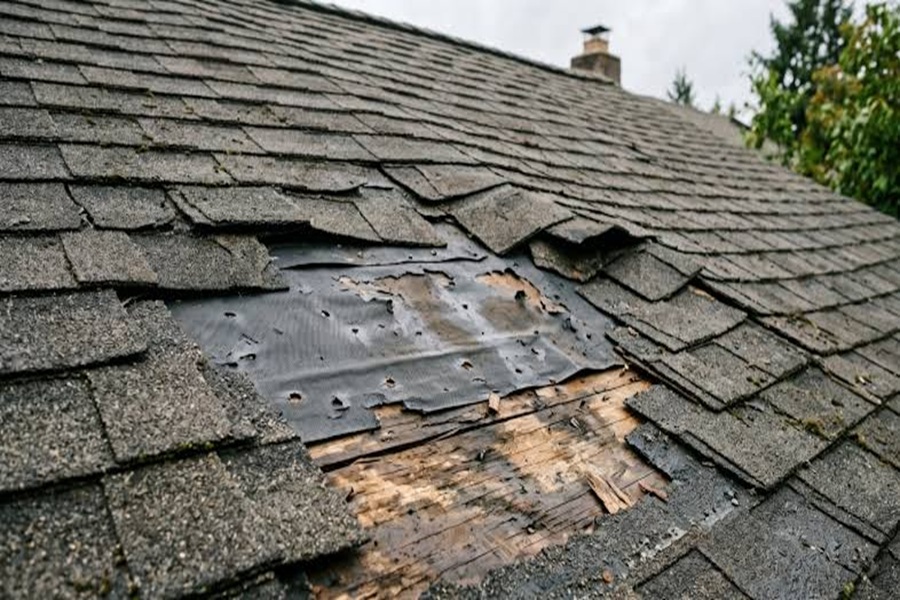
Storms commonly impact roofing materials such as shingles, tiles, or metal panels. High winds can dislodge shingles or lift portions of the roof enough to create small gaps where rainwater can seep through. Hailstones and flying debris often leave behind subtle cracks or punctures that may not be large enough to cause an immediate leak but will allow moisture to penetrate during subsequent rainfalls.
Another overlooked factor lies in the flashing and sealant areas around vents, chimneys, and skylights. These components are especially vulnerable during storms because they rely heavily on tight seals to keep water out. If these seals are compromised due to wind-driven rain or debris impact, water may find these weak points and infiltrate into attic spaces or wall cavities.
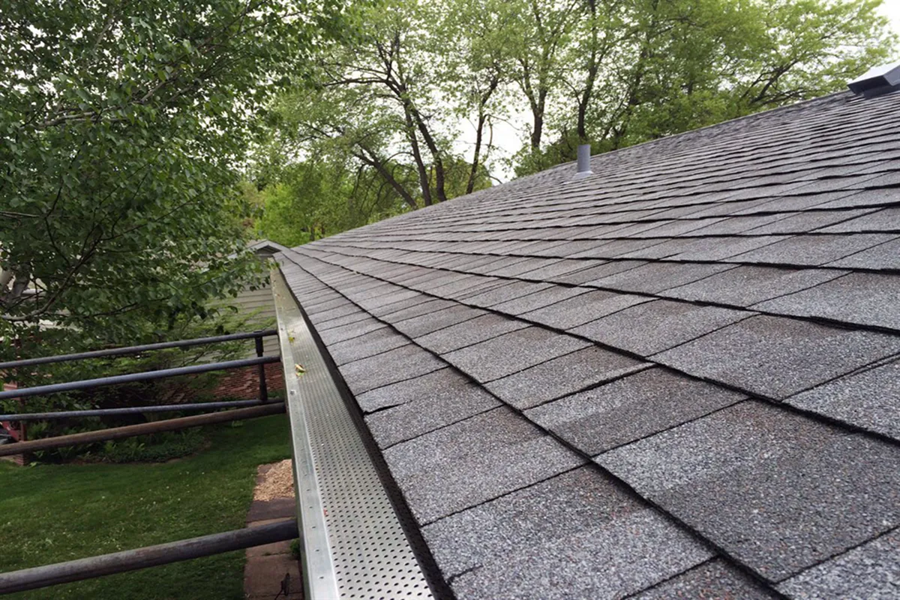
Gutters also play a crucial role in managing stormwater. However, they can become clogged with organic debris such as leaves and twigs during severe weather events. When gutters overflow or sag from excessive weight, water no longer flows away from the structure as intended but instead pools near the foundation or seeps into rooflines.
Foundation cracks and siding damage caused by storm-borne objects further compound the problem by creating less obvious entry points for moisture at ground-level areas of the home. Even small fissures in masonry walls or between siding panels can become pathways for water intrusion after a storm weakens these defensive layers.
One of the more insidious aspects of storm-related damage is how it interacts with existing wear-and-tear on your home’s materials. A roof nearing the end of its life may have minor vulnerabilities that would have held up under normal conditions but fail under extreme weather stress.
Addressing potential hidden entry points begins with thorough inspections after every major storm event. Homeowners should look beyond surface-level signs of damage while keeping an eye on subtle changes such as water stains on ceilings or musty odors in living spaces. Regular maintenance of roofing systems—paired with professional evaluations—ensures that minor issues do not evolve into expensive problems caused by delayed leaks.
Why Moisture Can Take Days to Become Visible Indoors
After a major storm, homeowners may assume that any damage caused by water would instantly become apparent. However, this is often not the case. Moisture has a way of hiding and slowly making its presence known days, or even weeks, after severe weather has passed. Understanding the reasons behind delayed moisture visibility is important for addressing water ingress effectively and avoiding long-term damage.
One of the primary reasons moisture takes time to appear indoors is due to how water travels through structural materials. Building materials such as wood, drywall, and insulation are porous and absorb water gradually. When rainwater or melted snow penetrates through roof openings or cracks, it doesn’t immediately seep into visible spaces. Instead, it spreads slowly within walls, ceilings, and floors—often out of sight—before reaching a point where it becomes noticeable on interior surfaces.
Additionally, temperature fluctuations after a storm can play a role in delayed water damage visibility. For instance, warm sunlight following rainfall can accelerate evaporation in some areas while driving moisture further into others. This inconsistent drying process can result in patches of dampness becoming apparent over time as absorbed moisture works its way out. Similarly, hidden pockets of water trapped within attic spaces or insulation may take longer to dry completely under fluctuating humidity levels.
Another factor contributing to delayed signs of water ingress is the interaction between trapped moisture and structural elements like wood framing or drywall sheets. Prolonged exposure to damp conditions can lead to swelling and warping over several days before creating visible issues such as buckling walls or sagging ceilings. Mold growth is another common indicator that appears later since mold spores take time—ideally 24-48 hours in moist environments—to germinate and become detectable visually or through odor.
Homeowners may also overlook less obvious entry points where moisture begins its slow journey indoors after a storm. Tiny cracks in flashing around chimneys or improperly sealed skylights might allow small amounts of water to trickle in unnoticed initially. Over time, these minor intrusions compound into larger visible issues like stained paintwork or peeling wallpaper.
To avoid surprises several days after extreme weather events, proactive steps such as thorough inspections are crucial. Often professional roofers can identify unseen vulnerabilities before they escalate into major problems. Recognizing that water ingress doesn’t always present itself immediately allows property owners to stay vigilant for subtle changes indoors—including discoloration on walls or ceilings and musty odors—that might signal hidden moisture at work behind layers unseen to the naked eye.
Being aware of how water behaves post-storm ensures timely action when leaks finally reveal themselves indoors—a crucial step toward mitigating further harm to both property value and structural integrity.
Why Moisture Can Take Days to Become Visible Indoors
After a major storm, water ingress is not always immediately apparent. It’s a phenomenon that can leave homeowners puzzled and frustrated. The delay in visible signs of water intrusion often stems from the subtle and complex ways moisture interacts with building materials. Understanding this process can help you act quickly when the first signs of trouble appear.
When storm-driven rain or excessive moisture enters your home, it often finds its way into concealed areas such as wall cavities, attic spaces, or under flooring. These hidden entry points allow water to settle into porous materials like wood, insulation, and drywall. Because these materials naturally absorb water, it takes time for them to reach their saturation point. Only when they become overly saturated does the moisture begin migrating outward, where it manifests as visible damage like discoloration or peeling paint.
Another factor contributing to the delay is evaporation. Depending on temperature, humidity levels, and airflow in your home after the storm subsides, some of the water may begin to evaporate before it becomes noticeable. However, even if surface drying occurs quickly, deeper layers of construction materials may remain damp for days or even weeks.
Moisture trapped within structural elements can also lead to secondary effects that are slower to develop but equally concerning. Mold growth is one such delayed consequence. Mold spores require both dampness and time—usually between 24 and 48 hours—to begin colonizing surfaces. You might notice a musty odor long before you see visible mold patches on walls or ceilings.
Another reason for delayed visibility is how water travels through your home’s structure over time due to gravity or capillary action. For instance, water entering through a damaged roof may initially soak into attic insulation but later seep down vertical beams and appear as stains on lower walls far removed from the original entry point.
The key takeaway here is that just because no immediate damage is apparent doesn’t mean your home escaped unscathed after a storm. By understanding these dynamics—how and why moisture takes time to show itself—you’ll be better prepared to monitor hidden vulnerabilities in your space and address them promptly before they evolve into more costly issues like rot or compromised structural integrity.
The Importance of Prompt Roof Inspections After a Storm
After a storm has passed and the skies have cleared, it’s easy to assume that your home is in the clear as well. However, appearances can be deceiving when it comes to storm damage, particularly with water ingress. A roof that looks intact from the ground may still harbor hidden vulnerabilities that could lead to future leaks. This is why scheduling a professional roof inspection promptly after severe weather is crucial for protecting your home from long-term water damage.
Storms are unpredictable and can weaken roofing systems in subtle but significant ways. High winds can loosen shingles or create small cracks, while heavy rain and hail may compromise flashing or gutters. These types of damage are not always noticeable without a detailed inspection, leaving your home exposed to moisture infiltration long after the storm has ended.
A professional roof inspection goes beyond surface evaluation and helps identify potential problem areas early. Trained inspectors know how to spot issues such as loose shingles, damaged underlayment, missing flashing, and clogged drainage systems. They often use specialized tools like moisture meters or thermal imaging to detect water intrusion that might not yet be visible indoors.
Prompt inspections are particularly important because many forms of water damage evolve slowly over time. For instance, even minor entry points created during a storm can allow water to seep into your home’s structure. Over days or weeks, this moisture may spread into walls, ceilings, or insulation—often unnoticed until significant damage occurs. By catching these issues early through an inspection, you reduce the risk of costly repairs down the road.
It’s also worth noting that timely inspections play an essential role in insurance claims after storm events. Most insurance policies require prompt reporting of damage to qualify for coverage. If you delay an inspection and problems worsen as a result, you could face challenges when filing claims for repair costs.
In addition to hiring professionals after major storms, homeowners should consider periodic roof checks as part of regular home maintenance—especially if they live in areas prone to severe weather. Preventative care not only extends the lifespan of your roof but also gives peace of mind when storms inevitably occur.
Bringing in experts sooner rather than later minimizes the chances of hidden moisture lingering within your home’s structure—and ensures any necessary repairs are handled before they escalate into bigger problems. By prioritizing immediate inspections following extreme weather events, you safeguard both your property and its long-term integrity against the often-unseen impacts of delayed leaks caused by storm-related water ingress.
The Importance of Prompt Roof Inspections After a Storm
After a storm has passed, visible damage like fallen branches or broken shingles might catch your attention, but the less obvious issues can often cause the most harm over time. This is why conducting a prompt roof inspection is critical. Water ingress, even when delayed, can lead to severe structural and health consequences if left undetected and untreated. A professional inspection can uncover vulnerabilities in your roof that might not be immediately apparent to an untrained eye.
Storms often bring strong winds, torrential rain, hail, or debris that can weaken your roof’s protective layers and create small gaps or fissures. While these openings may not result in immediate leaks, they serve as entry points for moisture that begins to seep in over time. When ignored, this moisture silently causes problems such as rotting wood, mold growth, and weakening of critical structural components.
A timely roof inspection allows these overlooked issues to be identified early—before they escalate into larger and more expensive repairs. Professionals use both visual assessments and tools like infrared scanners to detect trapped moisture beneath roofing materials. They look for telltale signs such as loose shingles, damaged flashing around vents or chimneys, clogged gutters that may have caused water pooling on the roof surface, or even subtle sagging areas.
Homeowners often underestimate how quickly untreated water ingress can develop into long-term damage when inspections are delayed. Beyond structural concerns, prolonged exposure to moisture encourages mold growth inside walls and ceilings. Mold isn’t just an eyesore; it also negatively impacts indoor air quality and can trigger respiratory health issues for those living in the home.
Scheduling inspections immediately after a storm minimizes your risk by allowing for swift intervention should any problem areas be uncovered. Acting promptly means you’ll save on repair costs while ensuring your home remains safe from hidden threats below the surface of its exterior.
If you live in an area prone to frequent storms or extreme weather events, consider regular maintenance plans with roofing professionals who specialize in post-storm evaluations. This proactive approach ensures that small problems don’t go unnoticed until they’ve turned into significant—and costly—issues down the line.
While it may feel like an inconvenience at first glance to call for an inspection after every significant weather event, think of it as an investment in your home’s long-term integrity and value. A small effort now prevents large headaches later on—a concept every homeowner will appreciate after understanding how subtle water ingress operates over time.
Preventing Long-Term Damage from Delayed Leaks
Addressing delayed water leaks promptly is critical in protecting your home or building from significant and costly damage. When water slowly infiltrates a structure unnoticed, it can compromise its integrity over time, leading to issues that are more complex and expensive to resolve. By taking proactive steps, you can minimize the risks of long-term harm caused by these seemingly minor leaks.
One of the most effective ways to prevent prolonged damage is by conducting regular inspections after severe weather events. Even if there are no obvious signs of water ingress immediately following a storm, hidden vulnerabilities may still exist. A professional inspection can uncover subtle issues such as small cracks, damaged shingles, or clogged gutters that might allow moisture to seep inside over time. Spotting these early ensures they can be addressed before escalating into larger problems.
Another essential step in prevention is maintaining proper ventilation and drainage systems. Poor airflow in attics or basements can trap moisture, creating an environment conducive to mold growth and wood rot. Similarly, blocked gutters and downspouts allow water to pool near the foundation, increasing the risk of seepage into walls or floors. Regularly clearing debris from gutters and ensuring downspouts direct rainwater away from the building’s base are simple measures that can significantly reduce water damage risks.
Using high-quality sealants on vulnerable areas like window frames, roof seams, and flashing adds another layer of protection against delayed leaks. Over time, seals can degrade due to constant exposure to weather extremes. Periodic resealing with durable materials ensures these entry points remain watertight even under heavy rainfall or strong winds.
Quick action is essential when a leak is detected—no matter how minor it may seem at first glance. Delayed repairs often allow small amounts of moisture to accumulate behind walls or beneath floors, which may go unnoticed until significant structural damage occurs. Addressing leaks immediately not only prevents this escalation but also helps preserve indoor air quality by reducing mold risks.
Educating yourself about the early signs of hidden water damage—such as peeling paint, musty odors, or unexplained stains—can also be instrumental in prevention efforts. Knowing what to look for empowers you to take action before problems worsen.
Preventive strategies should not stop with reactive maintenance; consider investing in storm-resistant roofing materials designed for durability under extreme weather conditions. These upgrades may include impact-resistant shingles or modern waterproof membranes that create an additional barrier between your home and potential storms.
By combining diligent inspections with consistent maintenance practices and timely repairs, you minimize long-term threats posed by delayed leaks while safeguarding your home’s value and functionality for years ahead.