Exploring the Various Types of Roof Shingles for Residential Houses
Roof shingles are a critical part of any residential house. They not only provide an aesthetic appeal to the home but also offer a first line of defense against the elements. Their design and construction can drastically impact the longevity, resistance, and overall performance of a roof.
Asphalt Shingles
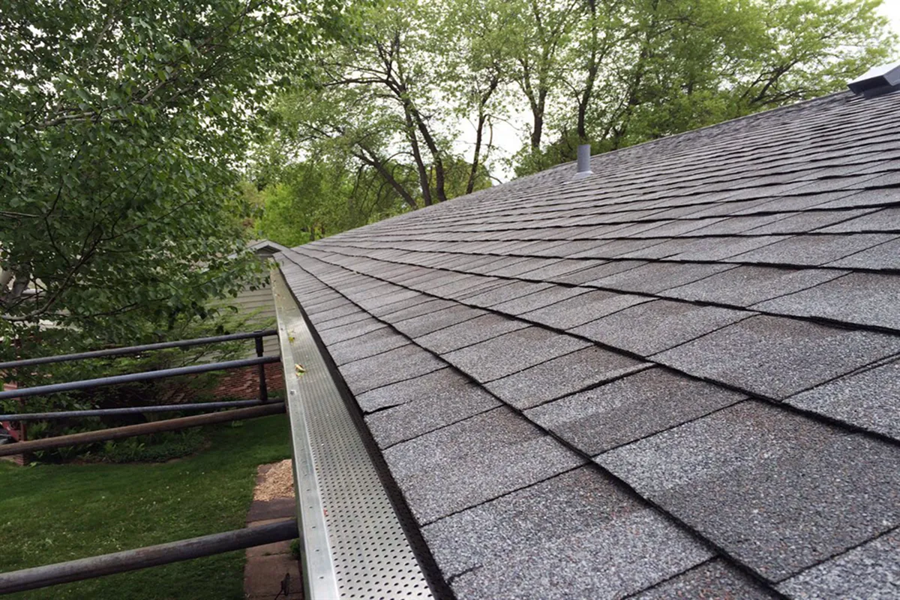
Asphalt shingles are one of the most popular types used in residential houses in North America. They are affordable, durable, and available in a variety of colors and styles.
- 3-Tab Asphalt Shingles: These are the most basic type of asphalt shingle. They are lightweight and relatively inexpensive.
- Architectural Asphalt Shingles: These offer more aesthetic appeal due to their dimensional look. They are more durable but also more expensive than 3-tab shingles.
- Premium Asphalt Shingles: Premium asphalt shingles offer a high-end look like slate or cedar shakes but at a fraction of their cost.
Metal Roofing
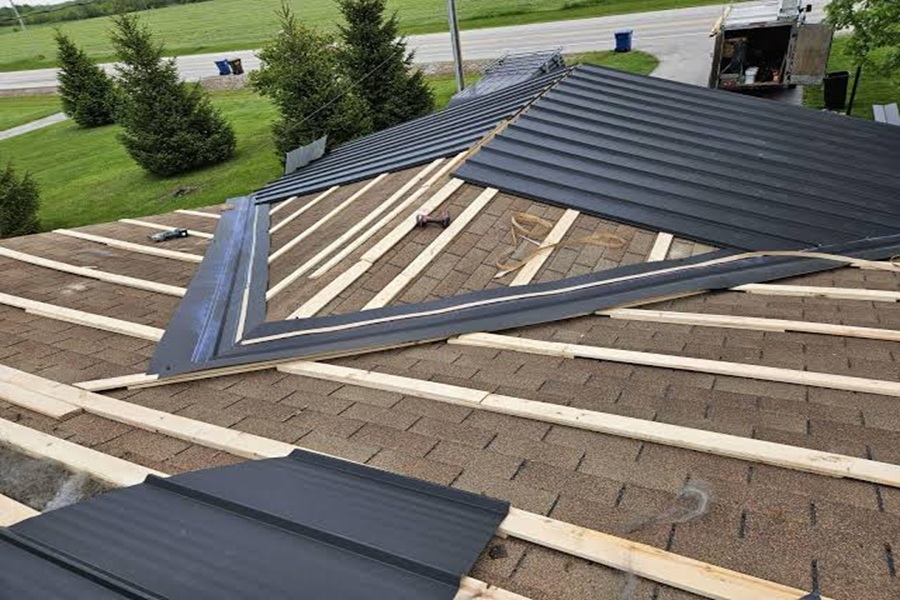
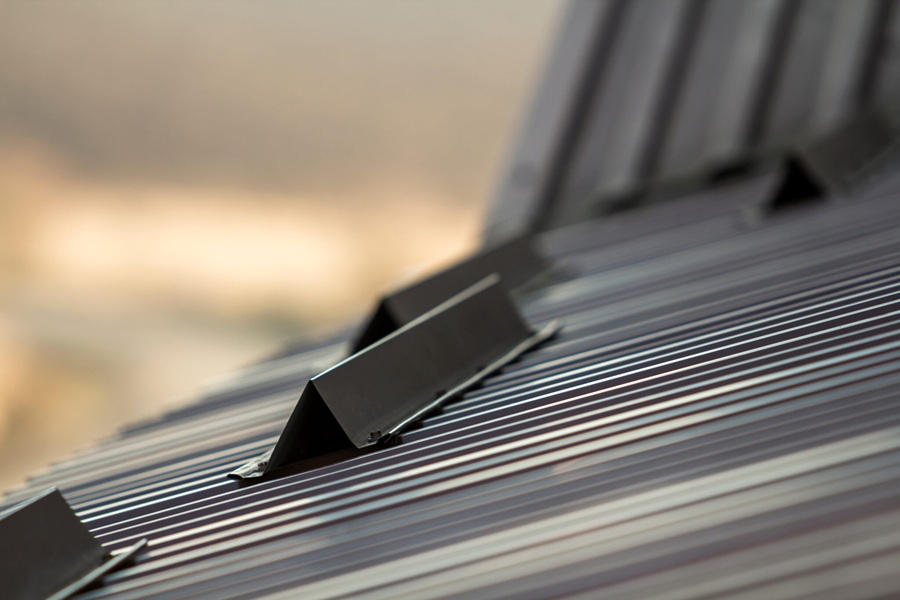
Metal roofing is gaining popularity due to its durability and energy efficiency. It can be manufactured to resemble traditional roof coverings such as tiles or cedar shake.
Wood Shakes or Cedar Shakes
Wood shakes or cedar shakes add natural beauty to a house while offering good insulation properties. However, they require regular maintenance to prevent decay and fire issues.
Clay Tile or Concrete Tile
Clay or concrete tiles add an elegant touch to homes while offering excellent durability and fire resistance. However, they can be quite heavy, requiring stronger roof support structures.
Slate Roofing
Slate roofing offers unmatched durability and beauty but comes at a high cost. It also requires skilled installation and a robust roof structure to support its weight.
Synthetic Roofing
Synthetic roofing includes rubber, plastic, and polymer-based products. These can mimic the look of wood shakes, slate, or tiles while offering lighter weight and often better weather resistance.
Remember that the best type of roof shingle for your home depends on your specific needs, preferences, and circumstances. Take into account factors such as local climate, budget, desired look, maintenance requirements, and expected lifespan when making your decision. Consulting with a professional roofer can help you make an informed choice that will serve you well for years to come.
Understanding What Roof Shingles Are and Their Importance in Home Construction
Roof shingles are a crucial element in the envelope of a home, serving as the first line of defense against adverse weather conditions. Essentially, these are individual overlapping pieces that are typically rectangular and laid in rows from the bottom edge of the roof upwards. They are designed to shed water away from the building, offering essential waterproofing protection for your house.
Roof shingles play an important role in enhancing a home’s aesthetic appeal. As one of the most visible elements of your home, they contribute significantly to its exterior design. They come in various styles, colors, and materials, allowing homeowners to customize their appearance according to their desired architectural style.
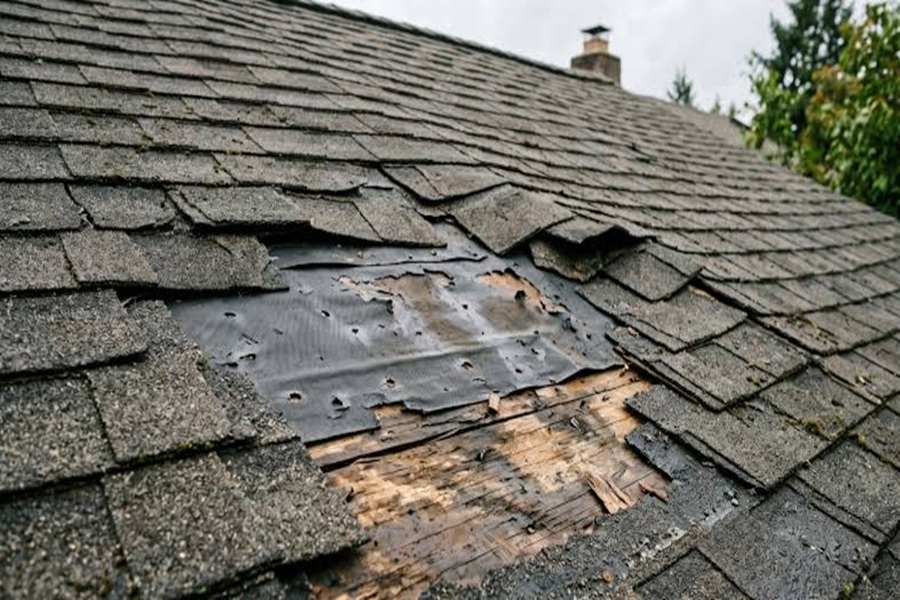
But these elements serve an even more critical function: protection. Shingles shield the structure from elements like rain, snow, hail and extreme sunlight. By providing this protection, they prevent water leakage that could result in structural damage such as rotting wood.
- Durability: When installed correctly and given appropriate maintenance, certain types of roof shingles can last anywhere between 20-50 years or even longer.
- Energy Efficiency: Some types of shingles reflect heat away from your home rather than absorbing it, which can help regulate indoor temperatures and reduce energy costs.
- Cost-effectiveness: Depending on the chosen material, roof shingles can serve as a cost-effective roofing solution compared to other options like tile or metal roofing.
- Fire resistance: There are specific types of shingle materials that are fire-resistant which can provide an added layer of safety for your home.
Understanding the importance of roof shingles helps homeowners make informed decisions when it comes to choosing a suitable type for their houses. Whether you prioritize durability over aesthetics or cost-effectiveness over energy efficiency will largely influence your choice of material.
However it’s vital not just to focus solely on the benefits when choosing roof shingles. It’s equally important to keep in mind their maintenance requirements and installation costs. Remember that certain materials may require more ongoing maintenance than others or may be more challenging to install, which can increase their overall cost.
In the end, the best roof shingles for your home will depend on a variety of factors including your budget, architectural style, local climate, and personal preference. By considering all these factors and understanding the role of shingles in home construction, you’ll be better equipped to make a choice that suits your needs.
A Comprehensive Guide to the Different Types of Roof Shingles and Their Materials
Roof shingles are a key component in structurally sound and aesthetically pleasing homes. They not only provide protection against elements such as rain, snow, wind, and heat but also contribute to the overall style and curb appeal of houses. In this discussion, we will detail the different types of roof shingles available in today’s market and discuss their respective materials.
Asphalt Shingles
These are the most common type of roofing material in North America due to their cost-effectiveness, ease of installation, and wide range of colors and styles. Asphalt shingles are made from fiberglass or organic materials saturated with asphalt. They can last from 15 to 30 years depending on the quality of installation and type.
- 3-tab shingles: These are traditional asphalt shingles characterized by a flat layered structure providing a simple, uniform appearance.
- Architectural (or dimensional) shingles: These offer a more distinctive, textured appearance giving off an upscale vibe.
Wood Shingles
Wood shingles have been used for hundreds of years offering a natural look that can complement many architectural styles particularly for Cape Cod, Colonial, bungalow homes among others. Wood shingle roofs can last anywhere from 25 to 50 years or more with proper maintenance.
- Cedar Shingles: Cedar is the most common type of wood used due to its resistance to moisture.
- Redwood Shingles: Redwood is another popular choice because it repels water naturally and resist warping.
Metal Roofs
- Steel: This is primarily coated with zinc or a combination of zinc and aluminum to resist rusting.
- Aluminum: Rust-resistant and long-lasting, this is a great option for coastal homes.
- Copper, zinc, or titanium: These can be more expensive but offer longevity.
Slate Tiles
Slates are heavy-duty roofing materials known for their durability (can last up to 100 years) and distinctive elegant look. They are made from real stone making them fire-resistant and virtually invincible to weather conditions.
Solar Shingles
A modern variation, solar shingles not only act as a roofing material but double as solar panels to generate electricity. They’re made from thin-film photovoltaic cells that capture sunlight and convert it into energy.
Every type of roof shingle has its respective strengths and weaknesses depending on factors such as cost, durability, style preference, and local climate conditions. It’s crucial to understand the details of these various types in making an informed decision for your home construction or renovation project.
Evaluating Other Preferred Types of Roofing Materials for Home Construction
Roofing is an integral part of building construction, whether it’s residential or commercial. Shingles are a popular choice, but there are several other types of roofing materials used in home construction that are worth considering. Some people might prefer these alternatives due to their aesthetic appeal, durability, cost-effectiveness or ease of installation. Let’s evaluate some of these preferred roofing materials.
Metal Roofing
Metal roofs are increasingly becoming a popular choice for homeowners as they offer both style and durability. These roofs can last up to 50 years or more with proper maintenance. They’re resistant to fire, wind and hail damage. Additionally, metal roofs come in a variety of designs and colors to give your home an appealing look.
- Durable and long-lasting
- Fire-resistant
- Available in various styles and colors
- Can be more expensive than other types
- May be noisy during heavy rain or hail
Clay and Concrete Tiles
Clay and concrete tiles add elegance and sophistication to your home. They’re highly durable, fire-resistant and can withstand harsh weather conditions making them suitable for homes in hot climates or areas prone to wildfires.
- Extremely durable
- Fire-resistant
- Perfect for hot climates
- Heavyweight could require additional support
- High cost compared to other materials
Slate Roofs
Slate roofs offer a distinctive look coupled with longevity and resilience. They’re made from natural slate rock making them eco-friendly options that can last over a century if well maintained.
- Highly durable
- Environmentally friendly
- Can last up to hundred years
- More expensive than most roofing materials
- Requires professional installation
Wood Shakes and Shingles
Wood shakes and shingles provide a rustic aesthetic. They are typically made from cedar, redwood or pine. Despite being less durable than other roofing materials, they offer good insulation and are eco-friendly.
- Natural insulation
- Environmentally friendly
- Unique aesthetic appeal
- Less durable than other materials
- Requires routine maintenance to prevent rot and decay
Synthetic Roofing Products
Synthetic roofing products such as rubber, plastic and polymer roofing have gained popularity in recent years. They’re designed to mimic traditional high-end materials like slate and wood but at a lower cost and maintenance requirement.
- Durable and lightweight
- Cost-effective alternative to high-end materials
- Variety of styles and colors available
- May not be as long-lasting as traditional materials
- Quality varies between manufacturers
By evaluating these preferred types of roofing materials for home construction, homeowners can make informed decisions that align with their aesthetic preferences, budget constraints, climatic conditions and long-term durability requirements.
Tips on How to Choose the Right Roofing Material for Your Home
Choosing the right roofing material for your home is essential, and it can make a significant difference in the overall aesthetics and functionality of your house. With numerous options available, making a decision can often be overwhelming. Here are some tips that will guide you through the process.
Understand Your Local Climate
The climate in your area plays a crucial role in determining the type of roofing material suitable for your home. Some materials are better suited to withstand heavy rainfalls, while others are more resistant to high winds or extreme heat. Therefore, understanding your local weather patterns is vital in this selection process.
- Asphalt shingles are considered versatile and can function well in various climates.
- Metal roofs are excellent for areas prone to high winds.
- Wood shingles and shakes work well in both hot and cool climates but may require additional maintenance.
Consider Your Home’s Architectural Style
Certain types of roofing materials go better with specific architectural styles. Making sure that your roof complements the overall aesthetic of your home is crucial. For example, slate shingles may look fantastic on historic homes, while metal roofs or asphalt shingles might suit modern designs better.
Look at Long-Term Cost
When choosing a roofing material, consider both the initial costs and long-term expenses. While some materials may be cheap upfront but require regular maintenance, others may have higher installation costs but last longer and offer more durability.
| Roofing Material | Initial Cost per Square Foot | Lifespan |
| Asphalt Shingles | $1 – $4 | 15-30 years |
| Wood Shakes | $3 – $5 | 15-25 years |
| Metal Roofs | $3 – $8 | 40-70 years |
| Slate Roofs | $9 – $16 | 75-100 years |
Check Local Building Codes
Your local building codes might limit some types of roofing materials. For example, certain areas prone to wildfires prohibit the use of wood shingles. Therefore, it’s essential to check with your local building department before making a decision.
Consult a Professional
Finally, consulting with a professional roofer can be beneficial. A professional would have in-depth knowledge about various roofing materials and could guide you towards the most suitable choice based on your specific needs.
Choosing the right roofing material for your home is an important decision that requires careful consideration and research. By taking into account factors such as climate, architectural style, cost, local building codes, and professional advice, you can ensure that you make a well-informed choice.