Understanding the Difference Between Roof Restoration and Repair
Tile roofs are known for their durability, longevity, and unique aesthetic appeal. However, like any roofing material, they are not immune to damage or wear over time. When issues arise, homeowners often face a choice between roof restoration and repair. While these terms may seem interchangeable to some, they represent two distinct approaches to addressing roof-related problems.
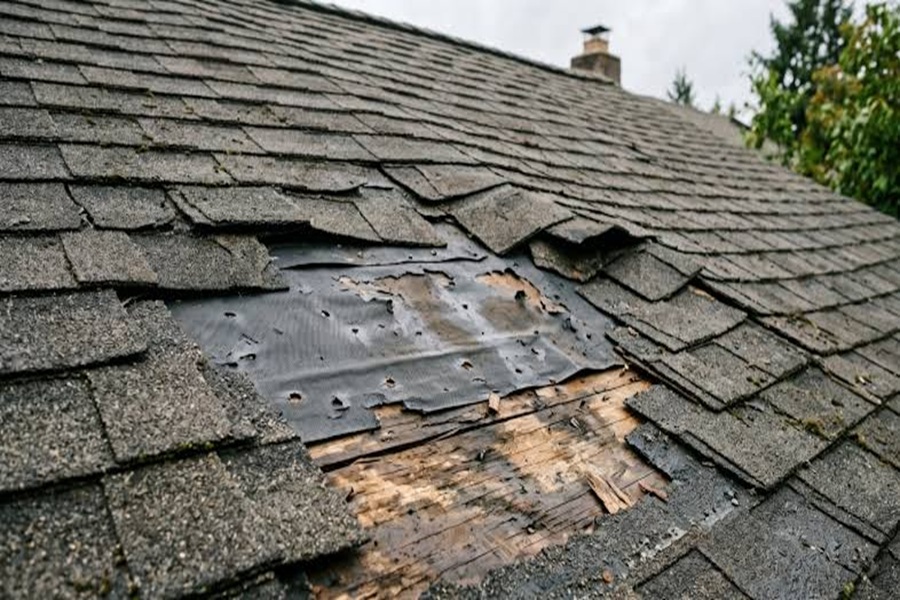
Roof repair typically focuses on localized issues. For example, if a storm displaces a few tiles or causes leaks in one section of the roof, repair involves fixing those specific areas without addressing the entire structure. The process might include replacing broken tiles, fixing flashing around chimneys or vents, or patching leaks caused by minor cracks. This is a targeted solution designed to resolve immediate problems without altering the rest of the roof.
In contrast, roof restoration takes a more comprehensive approach. Rather than simply addressing isolated issues, restoration rejuvenates the entire roofing system. For tile roofs specifically, this process usually involves cleaning off moss or algae buildup, replacing damaged tiles across large sections of the roof, re-bedding ridge capping where necessary, and applying protective coatings to improve overall durability. Restoration aims to enhance the functionality and lifespan of your roof as a whole while improving its appearance.
One key distinction lies in scope and intent: repairs are about solving specific problems quickly and efficiently; restoration focuses on revitalizing your roof’s condition for long-term performance. Both options have their place depending on factors such as extent of damage and future goals for your home’s maintenance.
A common misconception is that restoration is only necessary when there are severe issues with a tile roof. In reality, proactive restoration can prevent escalating problems later on by addressing small signs of wear before they worsen into costly repairs or replacements. On the other hand, partial repairs can be cost-effective when damage is minimal or localized.
Understanding these differences is essential when deciding how best to care for your tile roof. By evaluating both options with clarity—whether you require simple fixes or an overarching refresh—you can make an informed decision tailored to both your budget and long-term goals for maintaining your home’s structural integrity.
When a Partial Tile Roof Repair Makes Sense
A partial tile roof repair can be an effective solution in certain situations, particularly when the damage to your roof is limited in scope and isolated to specific areas. This approach allows you to address localized issues without the need for a full-scale restoration, saving time, money, and resources. However, determining whether this option is right for you depends on several factors.
One of the key scenarios where partial repair makes sense is when there are just a few cracked or missing tiles. This type of damage is often caused by fallen debris, severe weather events, or age-related wear and tear in specific sections of the roof. If the rest of your roof remains structurally sound and free from underlying issues such as water intrusion or widespread deterioration, replacing only the damaged tiles can effectively restore its function.
Another instance where partial repair may be appropriate is when leaks are confined to a small area. Leaks often occur due to improper flashing around vents or chimneys or because individual tiles have shifted out of place. In such cases, targeting the problem area with precise repairs can resolve the issue without requiring extensive work on parts of the roof that are still performing well.
Homeowners should also consider partial repairs if their roof has been recently restored or installed but requires minor fixes due to unforeseen damages. For example, accidental impacts from heavy objects like tree branches might necessitate small-scale repairs while leaving most of the roofing system intact.
Keep in mind that partial repairs are not always suitable if your tile roof exhibits larger-scale problems such as widespread mold growth, significant structural degradation underlaying many areas, or recurring issues across different sections over time. Patching up one portion without addressing systemic problems could lead to more frequent repairs down the road and higher costs overall.
When opting for partial repairs, it’s crucial to ensure that new tiles blend seamlessly with existing ones to maintain both functionality and aesthetics. This often involves sourcing matching materials and ensuring skilled craftsmanship during installation so that repaired areas don’t stand out visually or perform differently over time.
Partial repair solutions make practical sense when damages are minimal and localized while leaving most parts structurally intact
Signs Your Roof May Benefit from Full Restoration
Tile roofs are known for their durability and timeless appeal, but like any roofing material, they experience wear and tear over time. While minor issues can often be addressed with partial repairs, there are situations where a full restoration becomes the more effective solution for the long-term health of your roof. Knowing the signs that indicate a full restoration is necessary can save you from prolonged damage, recurring expenses, and potential safety concerns.
One of the most obvious signs that your roof may need a full restoration is widespread damage. If large sections of tiles are cracked, chipped, slipping out of place, or missing altogether, patching individual areas might not be enough to restore structural integrity. Over time, damaged tiles expose the underlying layers to moisture infiltration, which can lead to leaks or even rot in the wooden framework beneath.
Another key indicator is aging underlayment. The underlayment serves as a crucial barrier between your tiles and the interior structure of your home. Over decades, it deteriorates due to exposure to moisture and heat—especially in extreme climates. If routine inspections reveal that the underlayment is showing significant signs of wear or degradation across large portions of your roof, a full restoration may be warranted to ensure proper protection.
Persistent leaks are also a major red flag that you should not ignore. While isolated leaks can sometimes be addressed through targeted repairs, multiple recurring leaks across different parts of your roof point toward systemic issues that require comprehensive attention.
Moss and algae growth on tile surfaces may seem like an aesthetic issue initially but could signal deeper problems if left untreated for years. Excessive growth often means water retention around tiles or poor drainage—both circumstances that weaken structural components over time and highlight the need for complete refurbishment.
Energy inefficiency in your home can also point toward problems with your tile roof’s insulation and ventilation systems—factors often rectified during a thorough restoration process. Rising energy bills due to poor temperature regulation might indicate that addressing just visible tile damage isn’t enough; instead, an extensive overhaul could resolve inefficiencies while prolonging overall longevity.
Lastly, consider whether previous repair attempts have failed or only provided temporary fixes. If patch jobs no longer hold up against storms or regular environmental wear-and-tear despite repeated maintenance efforts, restoring the entire roof becomes more cost-effective in preventing future disruptions.
By addressing these key indicators promptly with a professional roofing contractor’s guidance, you can assess whether investing in full-scale restoration aligns better with protecting your property’s value than opting for continual smaller-scale interventions.
Comparing Costs, Lifespan, and Long-Term Value
When deciding between a tile roof restoration and a partial repair, cost is often one of the first considerations. However, it’s important to examine not just the initial expense but also how each option impacts the lifespan of your roof and its overall long-term value.
Initial Costs: Repair vs. Restoration
Partial repairs are generally more affordable upfront compared to full-scale restorations. If your roof has limited damage, such as a small number of cracked or missing tiles caused by localized issues like weather events or debris impact, a repair can be completed quickly with minimal material and labor costs. Restoration, on the other hand, involves more comprehensive work—cleaning your roof thoroughly, addressing underlying structural issues, resealing surfaces, and re-coating tiles. It requires a larger investment initially but provides substantial benefits over time.
Lifespan Considerations
While repairs may temporarily extend the life of your roof by addressing immediate problems, they often lack the preventive benefits that come with restoration. A restored tile roof typically lasts significantly longer than one that has undergone multiple patchwork repairs over several years. The restoration process revitalizes not only visible damage but also areas often overlooked during spot repairs: waterproof layers beneath tiles are reinforced, leaks are sealed comprehensively across the entire structure, and any weakening in materials is addressed to prevent future deterioration.
If your roof is already nearing the end of its expected lifespan (typically 50–100 years for high-quality tile roofs), repairs may only delay an inevitable replacement or full-scale intervention. Restoration in such cases can add decades to its usability without requiring total replacement.
Long-Term Value for Your Property
One major advantage of restoration is how it enhances not just functionality but also aesthetic appeal. Restoring a tile roof renews its appearance by removing moss growth or discoloration and applying protective coatings that prevent future staining or fading. This transformation improves curb appeal and adds tangible value when selling your home—potential buyers are likely to view a well-maintained roof as an indicator of overall property care.
In contrast, ongoing partial repairs can lead to mismatched tiles or uneven wear patterns that detract from visual harmony. Over time these inconsistencies might require further expenses for rebalancing aesthetics if you decide to sell your property down the line.
Weighing Cost Against Longevity
Ultimately, choosing between repair and restoration depends on evaluating how much you’re willing to invest now against what you’ll save—or spend—in maintenance over time. Restorations may seem costlier at first glance but tend to reduce recurring expenses by preventing major issues before they arise. Repairs can serve as short-term fixes when budgets are tight; however, they should be approached with caution if underlying problems risk escalating into costly replacements later.
By considering both immediate needs and future implications carefully within this context—balancing budget constraints against projected savings—you can make an informed decision aligned with both your financial priorities and long-term goals for maintaining your tile roof effectively across its lifespan.
How Roof Age and Overall Condition Affect the Decision
The age of your tile roof and its overall condition are critical factors in determining whether a partial repair or full restoration is the right solution. Both these aspects significantly influence the structural integrity, appearance, and long-term performance of your roof.
Assessing Roof Age
Tile roofs are known for their durability, often lasting upwards of 50 to 100 years depending on the material quality and installation. However, as with any construction material, time plays a role in its gradual degradation. Older roofs may experience tile cracking, underlayment deterioration, or weakened structural components. If your roof is nearing the end of its expected lifespan and you’re facing ongoing issues like leaks or loose tiles, a full restoration may be more practical than continuing with frequent repairs.
On the other hand, if your tile roof is relatively new—say, under 20 years old—and has been well-maintained but has some isolated damage caused by a storm or accident, a partial repair could suffice. Addressing local issues without overhauling the entire structure can save money while still ensuring safety and performance.
Evaluating Overall Condition
Beyond age, the current physical state of your roof plays a major role in decision-making. Begin by inspecting for common signs of wear such as cracked or missing tiles, moss growth, sagging areas, leaks inside the home, and damaged flashing.
If these issues are limited to specific areas or seem superficial—for instance, cosmetic cracks that don’t compromise waterproofing—repairing those trouble spots might be enough. However, widespread problems like pervasive moisture damage to the underlayment or consistent water intrusion during rainstorms could indicate that piecemeal repairs won’t address underlying issues. In such cases, restoring the roof completely ensures that all hidden vulnerabilities are resolved before they lead to bigger problems.
When Age Meets Condition
- Old roofs in poor condition: These often call for restoration since patchwork solutions won’t provide lasting results.
- Young roofs with localized damage: These can typically benefit from targeted repairs if no systemic problems exist.
- Moderate-age roofs with mixed conditions: This scenario requires careful evaluation by roofing professionals to weigh costs against potential lifespan extension through restoration versus intermittent fixes.
Professional Inspections Matter
Determining whether restoration or repair is best isn’t always straightforward without professional guidance. Roofing specialists can assess hidden damages beneath tiles and evaluate whether structural components like battens and underlayment need replacement due to age-related deterioration.
A professional opinion will also factor in variables such as climate conditions in your area (e.g., exposure to heavy rains or UV rays) which contribute differently based on how long your roof has been exposed to them.
By understanding how both age and condition intersect when considering options for your tile roof’s future maintenance plan, homeowners can feel more confident choosing an approach that balances immediate needs with long-term value.
Benefits and Limitations of Each Approach
When considering tile roof restoration versus partial repair, it’s essential to weigh the benefits and limitations of each option. Both approaches serve specific purposes depending on the condition of your roof, your budget, and your long-term goals for maintaining your property. By understanding these factors, you can make a more informed decision that ensures the longevity and functionality of your roof while potentially saving money in the process.
Benefits of Tile Roof Restoration
Roof restoration offers an extensive overhaul that focuses on improving not only the appearance but also the structural integrity of the entire roof system. One significant benefit is its ability to address underlying issues that might not be immediately visible. Whether it’s cracked tiles, weakened underlayment, or deteriorating sealants, restoration provides a chance to fix these problems comprehensively rather than treating them piecemeal.
Another advantage is improved energy efficiency. With modern coatings and treatments applied during a professional restoration, you can reduce heat absorption and improve insulation. This helps regulate indoor temperatures more effectively, reducing energy bills over time. Additionally, restoration often includes cleaning away moss, algae, or any other debris buildup that could compromise drainage systems or degrade tile surfaces.
From an aesthetic perspective, restoring a tile roof can breathe new life into an older structure. Worn-out or faded tiles are replaced or re-coated to restore their original vibrancy while protecting against future weathering. For homeowners looking to maintain curb appeal or enhance resale value, this comprehensive improvement is highly appealing.
Limitations of Tile Roof Restoration
While restoration has its advantages, it may not always be suitable for every situation. If severe structural damage exists—such as extensive rot in the underlayment or widespread breakage—the cost and effort required for complete restoration might outweigh its benefits when compared to a full replacement.
Additionally, restoration requires careful evaluation by professionals to determine if it’s a viable solution for your particular roof type and condition. Attempting to restore a roof with hidden but serious foundational issues could lead to recurring problems down the road.
Benefits of Partial Tile Roof Repair
Partial repairs are ideal for addressing isolated issues without overhauling the entire system. For example, if only certain sections have damaged tiles due to localized impact (like falling branches), targeted repairs offer an efficient solution at a lower cost than full-scale options like restoration or replacement.
By focusing on specific problem areas rather than treating unaffected sections unnecessarily, partial repairs allow homeowners with limited budgets to extend their roof’s lifespan while addressing immediate concerns.
Another key benefit is convenience; partial repairs are typically quicker than full restorations since they involve less labor-intensive work. This minimizes disruption while still ensuring safety and function in areas needing urgent attention.
Limitations of Partial Tile Roof Repair
Although cost-effective in many cases, partial repairs have limitations when dealing with older roofs nearing the end of their lifespan. Addressing one issue at a time might mask deeper systemic problems that worsen over time. In such cases, patchwork fixes could lead to higher cumulative costs as recurring repairs become necessary.
Additionally, color matching new tiles with existing ones can pose aesthetic challenges—particularly if weathered tiles have faded significantly over years exposed to sun and rain—making repaired sections stand out visually from surrounding areas.
Lastly, partial repair doesn’t address underlying deterioration across larger portions which may eventually require further intervention down the line anyway—a risk factor worth considering when balancing short-term savings against long-term peace of mind.
Finding Balance Between Solutions
Ultimately deciding between restoration and repair hinges on factors such as age-related wear-and-tear severity levels presented by inspections along w financial capabilities balanced against desired outcomes tied closely w priority placed maintaining visual appeal longevity investment returns through sustainable proactive maintenance choices made upfront deliberation stage itself
Benefits and Limitations of Each Approach
When deciding between tile roof restoration or partial repair, it’s essential to weigh the benefits and limitations of each approach. Both methods have their merits, but the best choice will depend on factors such as the condition of your roof, your budget, and your long-term goals.
Benefits of Restoration
Roof restoration is a comprehensive process that breathes new life into an aging tile roof. It involves cleaning, repairing, resealing, and rejuvenating the entire roof structure. One significant benefit is the enhancement of overall durability. By addressing widespread wear and tear rather than isolated issues, restoration ensures the roof can better withstand future weather challenges.
Another advantage lies in aesthetics. A restored roof looks almost brand-new and can significantly boost curb appeal—an important consideration for homeowners looking to increase property value or prepare a home for sale. Restoration also prolongs the lifespan of your existing tiles by addressing systemic damage like leaks or deteriorated underlayment that might not be visible at first glance.
From an environmental perspective, restoration requires fewer materials compared to a full replacement. This makes it a more sustainable option as fewer tiles end up in landfills—a benefit worth considering for eco-conscious homeowners.
Drawbacks of Restoration
However, restoring a tile roof isn’t always ideal. If your tiles are too damaged or if structural issues such as sagging beams exist, then restoration may only serve as a temporary fix. Additionally, while restoration may extend your roof’s lifespan significantly, it won’t last as long as an entirely new roof installation.
For those operating on tight budgets in the short term, the upfront cost of restoration can seem daunting. While it often proves more cost-effective over time due to its durability advantages and reduced need for future repairs, some homeowners might find it challenging to prioritize this investment immediately.
Benefits of Partial Repair
Partial repairs focus on solving specific problems in localized areas of your tile roof without addressing broader issues. This approach is particularly beneficial when only small sections are damaged due to events like fallen tree branches or isolated leaks caused by cracked tiles.
The most notable benefit is cost savings compared to full restoration or replacement. Partial repairs require less labor and fewer materials upfront while still tackling immediate concerns effectively. For newer roofs that have experienced minor damage but are otherwise sound overall, this can be an efficient solution.
Partial repairs also allow you to maintain most of your existing roofing structure without undergoing larger-scale projects—ideal if time constraints are a factor or if you’re not ready for more extensive work just yet.
Drawbacks of Partial Repair
On the flip side, partial repairs come with limitations that should not be overlooked. While they address immediate problems effectively in small areas, they don’t tackle underlying issues affecting the entire roof system such as age-related wear or weakened waterproofing layers beneath tiles. This means that even after completing localized fixes successfully today, additional problems may arise elsewhere on an aging structure tomorrow.
Aesthetically speaking, partial repairs may lead to inconsistencies in color or material matching unless great care is taken during material selection—a challenge with older tile styles no longer readily available on today’s market.
For aging roofs nearing their expected lifespan limits anyway or those impacted by widespread damage from storms or other events beyond just one section’s scope alone—it often makes more sense financially (and structurally) over time to invest in full restorations instead rather than repeatedly patching smaller areas piecemeal year after year.