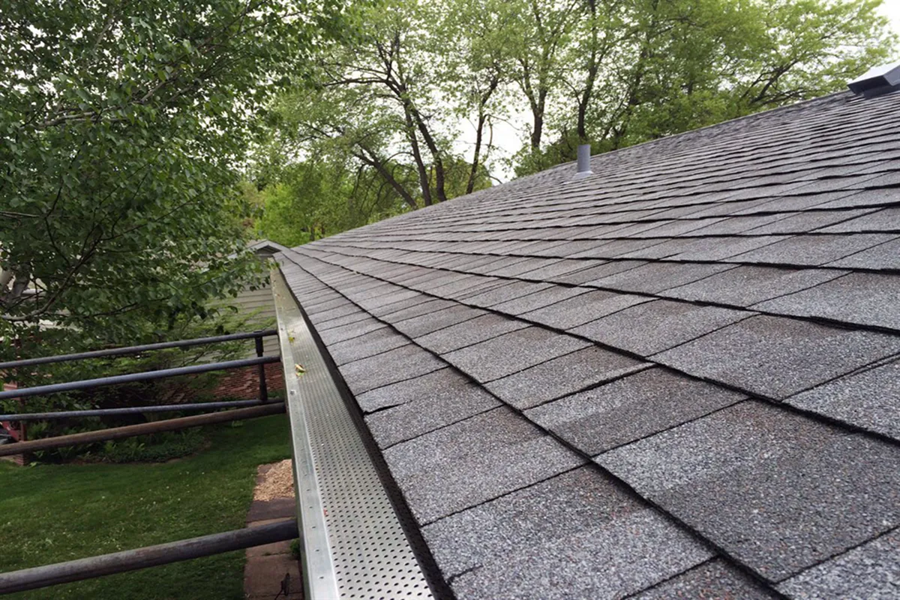
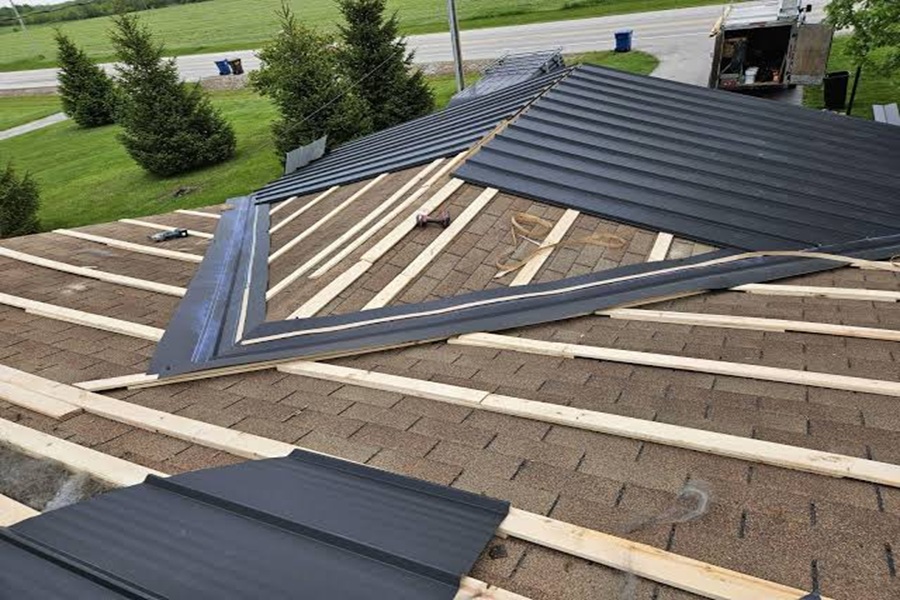
What Is a Drip Edge and Why Is It Important
Drip edges come in various shapes and materials, such as galvanized steel, aluminum, or copper, each chosen for its durability and resistance to corrosion. While small in size, this thin strip of metal serves a significant purpose in safeguarding your home from water-related damage.
Without this protective barrier, rainwater can creep under shingles, saturating the roof decking and potentially causing leaks or structural issues over time.
From an aesthetic standpoint, drip edges also contribute to your home’s overall curb appeal by creating clean, crisp lines along the roof’s perimeter. This organized appearance complements other roofing elements while hiding any rough cuts or imperfections at the roof’s edge.
Beyond aesthetics and functionality, drip edges play an integral role in preserving your home’s structural integrity. Over time, these issues could compromise not only your roof but also other parts of your home’s exterior.
In addition to protecting against environmental factors like rain or snow runoff, drip edges are generally required by modern building codes for new constructions or major renovations. They ensure compliance with industry standards while enhancing long-term performance.
Savvy homeowners and contractors alike recognize that investing in quality materials and proper installation can save significant repair costs down the road while ensuring peace of mind through all seasons.
How Drip Edges Protect Roof Decking and Fascia Boards
Drip edges are a critical yet often overlooked component of a roofing system, providing an essential first line of defense for roof decking and fascia boards. Without a properly functioning drip edge, rainwater, snowmelt, and even condensation can seep into your roof structure, ultimately leading to costly damage over time.
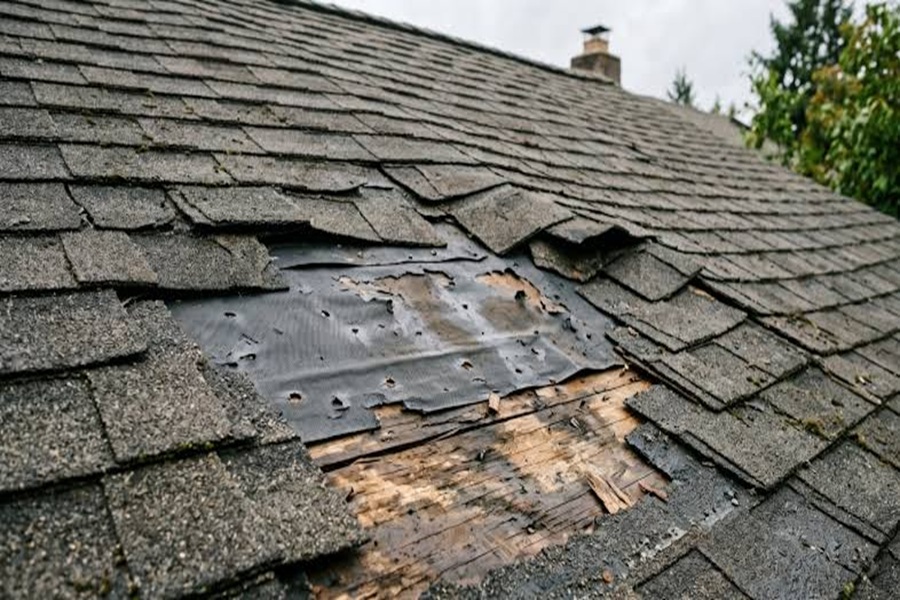
When water flows off the roof without a drip edge in place, it can cling to the underside of shingles or other roofing materials through capillary action. From there, it may infiltrate into the wooden decking beneath your shingles. Over time, this prolonged exposure to moisture weakens the structural integrity of the decking material. Warping and rotting are common consequences when wood is left unchecked under these conditions.
These boards not only provide an anchor point for gutters but also contribute to your home’s curb appeal by creating clean lines along the roofline. When water drips directly onto fascia boards due to an absent or damaged drip edge, it accelerates wear and tear on the wood.
A well-installed drip edge prevents these issues by redirecting water safely into gutters or away from vulnerable wooden components altogether. By creating a clear path for runoff, it helps maintain dry surfaces under your roofing system while also extending its lifespan significantly.
Another hidden benefit of protecting these components is savings in repair costs over time. Replacing damaged decking or fascia boards can be labor-intensive and expensive compared to ensuring that effective drip edges are installed in the first place.
Overall, investing in quality materials and proper installation techniques for drip edges ensures robust protection for both roof decking and fascia boards alike. With this small yet impactful feature in place, homeowners can enjoy peace of mind knowing their roof’s foundational elements are safeguarded against common threats posed by water intrusion.
The Connection Between Drip Edges and Gutter Performance
Drip edges play an integral role in safeguarding not just the roof itself but also the overall efficiency of a home’s gutter system. While often overlooked due to their modest size, these metal strips contribute significantly to directing water away from vulnerable areas of a roof and into the gutters, ensuring both components work seamlessly together. To better understand this relationship, it’s essential to explore how drip edges enhance gutter performance and why they are an indispensable feature in modern roofing systems.
A properly installed drip edge ensures water flows off the roof in a controlled manner. Without it, rainwater can roll under shingles and bypass gutters altogether. In such cases, water may cascade down exterior walls or accumulate near the foundation—leading to potential structural damage over time. The carefully engineered overhang provided by drip edges guides water directly into the gutter channel, minimizing splash-back that could otherwise stain walls or cause erosion.
Another significant function of drip edges lies in preventing debris buildup within gutters. When rainwater is poorly directed due to missing or inadequate drip edges, leaves, twigs, and other debris are more likely to stick along the roofline before eventually making their way into gutters. Over time, this can result in blockages that hinder proper drainage. By channeling water efficiently into the gutter system from the outset, drip edges reduce opportunities for such obstructions.
Drip edges also play a critical role during heavy storms or periods of substantial rainfall. Without them, overflowing water can damage not only your gutters through unnecessary strain but also compromise their attachment points along the fascia boards. Consistent use of drip edges helps distribute water evenly across the entire length of your gutters, reducing stress on individual sections and prolonging their lifespan.
The connection between these two components becomes even more vital for homes located in regions prone to ice dams or freezing temperatures. In colder climates, improperly routed meltwater can refreeze at gutter openings or along eaves—creating hazardous icicles or ice dams on roofing materials themselves. With properly installed drip edges ensuring smooth water flow into gutters during freeze-thaw cycles, homeowners can mitigate these risks significantly while also preserving the structural integrity of their roofing materials.
Therefore, whether you’re building a new home or maintaining an existing one, it’s critical to prioritize quality materials and professional installation when integrating both drip edges and gutters into your design plan.
Preventing Water Intrusion and Moisture Damage
Drip edges serve as a critical barrier in roof and gutter systems, specifically designed to prevent water intrusion and the moisture damage that can result from it. By redirecting water away from sensitive areas, drip edges offer an essential layer of protection.
When rainwater runs off a roof without a properly installed drip edge, it has the potential to seep into the underlying roof decking and fascia boards. Over time, this exposure can cause rotting, warping, and other types of deterioration that compromise both aesthetics and functionality. Once moisture infiltrates these components, it can spread to adjacent materials, leading to larger-scale problems like mold growth or leaks inside the home.
Drip edges also play a vital role in preventing ice dams during colder months. Ice dams occur when heat escaping from an attic melts snow on a roof. The melted water then refreezes near the edge of the roof where temperatures are cooler, creating blockages that trap additional water behind them. Without drip edges in place, this backed-up water can find its way under shingles and into roof layers, resulting in costly repairs.
In regions prone to heavy winds or frequent storms, drip edges safeguard against wind-driven rain penetrating beneath shingles at vulnerable points along the edge of the roof. By extending slightly beyond the edge of the roofing material and channeling water into gutters or safely away from walls, drip edges help maintain a dry environment around your home’s foundation while also reducing chances of erosion.
To maximize protection against moisture damage, high-quality materials like aluminum or galvanized steel are recommended for drip edges due to their durability and resistance to rust or corrosion over time. Proper installation is equally important—drip edges should be installed under roofing felt along eaves but over felt along gable ends for optimal performance.
Ultimately, investing in durable drip edges is about more than just preserving your home’s curb appeal; it’s about ensuring long-term structural health by keeping water where it belongs—away from vulnerable areas like fascia boards, siding, foundations, and interiors.
Signs of Missing or Damaged Drip Edges
Drip edges play a crucial role in maintaining the longevity and integrity of a roof and gutter system, yet because they are often out of sight, issues with them can go unnoticed until significant damage has occurred. Recognizing the signs of missing or damaged drip edges early on is critical to preventing costly repairs and ensuring that your roofing system performs effectively.
This happens when rainwater bypasses the edge of the roof due to gaps where a drip edge should be, allowing it to flow directly onto wooden surfaces.
Another symptom is sagging gutters or water spilling over their edges during rainfall. Drip edges help funnel rainwater efficiently into gutters, so when they are absent or compromised, water doesn’t enter the gutter as intended. Over time, this misdirection not only causes inefficiencies in drainage but also puts undue strain on the gutter system itself. In some cases, you may notice pooling water near the foundation of your home—a clear indication that runoff isn’t being directed properly.
Roof shingles curling at the edges could also point to underlying issues with a damaged drip edge. Without adequate protection at roof boundaries, shingles become susceptible to moisture infiltration. As water seeps underneath them over time, it can warp their structure and compromise their effectiveness against weather elements.
Interior leaks and ceiling stains near exterior walls are another potential red flag. Missing or damaged drip edges allow moisture to work its way under roofing materials and into vulnerable structural areas, leading to leaks inside your home. If you notice damp patches on your ceiling during heavy rains or experience persistent attic humidity issues, it’s worth inspecting whether an ineffective drip edge might be contributing.
In colder climates, ice dams forming along your roof’s edge in winter could signal inadequate water shedding due to improper or absent drip edging. Ice dams occur when snow melts unevenly on a rooftop and refreezes at its perimeter; without proper guidance from a functional drip edge, melted snow fails to drain correctly.
To prevent these issues from escalating further, routine maintenance is essential. Check after storms for visible damage like bent metal edges or gaps where sections might have come loose. Even minor flaws in installation—such as improper overhangs—can reduce performance significantly over time.
Addressing missing or damaged components promptly not only reduces immediate risks but also ensures that other parts of your roofing system remain protected from cascading damage caused by excessive moisture exposure.
Signs of Missing or Damaged Drip Edges
Detecting signs that your drip edges are missing or compromised is crucial for maintaining the integrity of your roof and gutter systems. Here are some indicators to look out for, along with the potential consequences of neglecting this essential component.
One of the most visible signs of missing or damaged drip edges is water streaks on fascia boards. When drip edges are absent or no longer functioning properly, water has no controlled path to flow off the roof. This often causes water to cascade over the edge and down onto fascia boards, leaving telltale stains, streaks, or even rot if left unaddressed.
Another common sign is sagging gutters. Without a proper drip edge in place, rainwater can backflow behind the gutter system rather than being directed into it.
Peeling paint near roof edges is also a potential red flag. Water that creeps underneath shingles due to missing drip edges can saturate wooden components beneath it. This moisture buildup often manifests as bubbling or peeling paint on exterior trim and walls near the eaves.
Evidence of moisture damage in attic spaces may point directly to compromised drip edges as well. When water infiltrates under shingles because there’s no effective barrier in place, it can seep into attic structures. Look for damp insulation, mold growth on wooden trusses, or general humidity issues in your attic during heavy rainfall.
In extreme cases, you might notice shingle damage near your roof’s perimeter where there’s no drip edge protection acting as a buffer against wind-driven rain. Curling shingles along the edge could indicate that water has saturated and weakened materials over time due to insufficient redirection.
Regular inspections are key to identifying these signs early before they spiral into costly repairs. A damaged or missing drip edge might not always be obvious from ground level—so enlisting professional roofing expertise periodically ensures peace of mind while extending your roof’s lifespan.
Addressing these issues promptly not only restores protection against moisture intrusion but also safeguards connected components like fascia boards and gutters from further complications. Understanding how integral this small roofing detail truly is underscores its value despite its often-overlooked role in a home’s overall structure.
Why Drip Edges Are a Small Component with a Big Impact
Drip edges might seem like an insignificant part of a roofing system, often overlooked in favor of more visible elements like shingles or gutters. However, this small component plays an outsized role in the overall performance and longevity of both roofs and gutter systems. Understanding its impact can help homeowners and contractors alike appreciate its essential function.
By directing rainwater off the roof and into the gutters, it minimizes the risk of moisture creeping into areas where it could cause damage over time. Without this simple addition, water can pool at roof edges, seeping into decking or fascia boards, eventually leading to rot and deterioration. This may not manifest immediately but can result in costly repairs down the line.
One of the key impacts of drip edges lies in their ability to protect against weather-related wear and tear. Roof edges are particularly vulnerable to wind-driven rain or ice dams forming during winter months. A well-installed drip edge creates a barrier that prevents ice melt or rainwater from infiltrating under shingles and causing internal leaks. Especially in regions prone to severe weather conditions, this layer of defense is crucial.
From an aesthetic perspective, drip edges contribute subtly but significantly to maintaining a professional, finished look for the roofline. They provide clean lines at roof boundaries while also protecting those areas from staining caused by constant water runoff.
Another reason their impact is so substantial is their contribution to gutter efficiency. A properly installed drip edge ensures that water flows seamlessly into gutters instead of cascading over sides or dripping down exterior walls. This not only protects siding but also helps prevent foundation issues caused by pooling water near the base of a structure.
Despite being small, they are recognized within modern building codes as essential elements for roofing systems. Their inclusion is now mandatory in many areas because experts acknowledge their critical role in preventing long-term structural damage due to moisture intrusion.
Maintenance is another area where these small components make life easier for homeowners. By reducing water-related stresses on other parts of the roofing system, they extend the lifespan of shingles, gutters, and fascia boards alike—saving money on frequent replacements or repairs.
Their effectiveness lies not just in what they do visibly but also in what they prevent—quietly protecting your home’s integrity year after year with minimal attention required.
So while it’s easy for these slim strips of metal flashing to go unnoticed during routine inspections or installations, recognizing their importance ensures that roofs remain durable no matter what nature throws at them. Sometimes it’s truly the smallest details that have the biggest impact on protecting your investment for decades ahead.