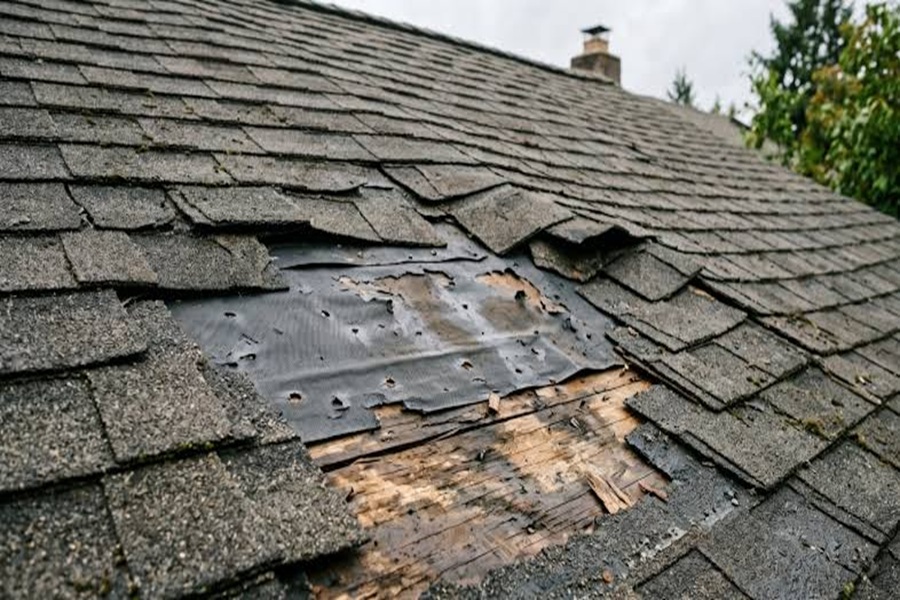
What Is Roof Underlayment and Why Does It Matter?
Roof underlayment is an essential yet often overlooked component of a roofing system. It is a protective layer installed directly onto the roof deck, beneath the primary roofing material such as shingles, metal panels, or tiles. While it may not be visible once the roof is complete, its role is fundamental to the overall performance and durability of your roof.
This layer acts as a secondary barrier against various environmental elements. If your primary roofing material gets damaged or worn over time due to severe weather conditions like heavy rain, snow, or high winds, the underlayment serves as an additional line of defense. Without it, even minor vulnerabilities in your roof could result in leaks that damage your home’s interior.
The importance of roof underlayment goes beyond just preventing water infiltration. It also provides protection during the installation process. Before shingles or other outer materials are applied, underlayment ensures that exposed areas are shielded from moisture and debris temporarily. Additionally, it stabilizes your roof’s structure by providing a smooth surface for installing other roofing components.
Modern building codes increasingly emphasize its necessity because of its critical role in protecting homes from water damage and contributing to energy efficiency. For instance, certain types of underlayment can offer reflective properties that enhance insulation and reduce heat transfer into your home.
Underlayment is available in various materials tailored for specific climates and conditions. Depending on where you live—whether it’s a region prone to heavy rainfall or extreme heat—using the right type can significantly improve your roofing system’s performance.
Finally, while it’s easy to prioritize visible elements like shingles when repairing or replacing a roof, neglecting what lies beneath them can lead to long-term issues. The seemingly hidden nature of underlayment doesn’t diminish its importance; rather, it highlights why homeowners should understand its value when investing in their roofing systems.
Properly installed and well-chosen underlayment ensures your home stays protected through all seasons while enhancing the overall lifespan and resilience of your roof. As such, understanding what roof underlayment is—and why it’s indispensable—is key to making informed decisions about one of the most critical components of any building: its roof system.
The Role of Underlayment in Protecting Your Home
Roof underlayment serves as one of the most critical components of a roofing system, providing an extra layer of protection between your roof deck and the external environment. While often hidden beneath shingles, tiles, or other roofing materials, its importance cannot be overstated when it comes to safeguarding your home from various types of damage.
One key function of roof underlayment is its ability to act as a moisture barrier. Even the most durable exterior roofing materials can occasionally allow water to seep through due to wind-driven rain, melting ice, or small gaps created over time. Without an underlayment in place, this water could infiltrate the roof deck and lead to issues such as rot, mold growth, and structural weakening. However, with a high-quality underlayment installed, this barrier catches and redirects any intruding moisture away from vulnerable areas.
Underlayment also plays a crucial role in insulating your home from weather extremes. For homeowners living in regions prone to severe winters or hot summers, certain types of roof underlayments are designed to provide thermal resistance. They help maintain comfortable indoor temperatures by reducing heat transfer through the roof system—this is particularly beneficial for improving energy efficiency and reducing heating or cooling costs throughout the year.
Another overlooked benefit of roofing underlayment is its capacity to enhance wind resistance. Strong winds can lift shingles or tiles away from the surface of your roof during storms. A secure and properly installed underlayment acts as a secondary shield that remains intact even if some exterior materials are damaged or blown off by high winds.
Additionally, some specialized types of underlayments offer fire-resistant properties. Homeowners residing in wildfire-prone areas may benefit significantly from using products designed with flame-retardant features that help slow the spread of fire across rooftops.
Not only does underlayment protect against environmental factors—it also adds durability during construction or renovation projects. Roofing installations often involve workers walking on top of exposed decking before shingles are laid down. The presence of robust underlayment provides temporary protection for the structure until the final roofing material is applied.
In summary, while it may not be visible once a project is complete, roof underlayment serves as an unsung hero within your overall roofing system by shielding your home from moisture intrusion, temperature fluctuations, strong winds, flames, and structural wear over time. Its role extends far beyond aesthetics; it directly influences how well-protected and enduring your house will be against nature’s forces for years to come.
The Role of Underlayment in Protecting Your Home
Roof underlayment serves as a crucial component in any roofing system, acting as a protective intermediary between the outer roofing material and the structural elements beneath. While your shingles or tiles serve as the first line of defense against the elements, underlayment provides an additional layer of security that ensures your home is better protected from moisture infiltration, wind-driven rain, and other environmental factors.
One of the primary roles underlayment plays is safeguarding your home from water damage. Even with high-quality roofing materials, gaps, cracks, and overlaps can occur due to installation imperfections or natural wear and tear over time. Underlayment acts as a barrier to block water that may seep through these vulnerabilities. This extra measure can help prevent costly repairs caused by water penetration into your attic, insulation, or interior walls.
Underlayment also helps act as a shield against wind-driven debris. Strong storm winds can lift shingles or displace sections of your roof’s exterior material temporarily or permanently. With durable underlayment in place, even if some shingles are displaced during extreme weather events, your home has an added layer of protection that reduces exposure to internal damage.
Temperature regulation is another less obvious but important benefit of roof underlayment. Certain types of underlayments are designed to reflect heat away from the roof structure or provide additional insulation. This can contribute to improved energy efficiency for your home by reducing heat transfer during summer months and retaining warmth during colder seasons.
Another critical role played by underlayment is its contribution to fire resistance. Some modern synthetic materials used for roofing underlayments are specially treated with fire-retardant properties that slow down the spread of flames in case of a fire incident. Additionally, using advanced materials provides further peace of mind that goes beyond just weather protection.
In short, while shingles and other outer materials may be what you see on your roof’s surface, it’s truly the unseen layer beneath—your roof underlayment—that significantly enhances your home’s durability and resilience against nature’s unpredictable forces. Without this foundational element in place, even minor vulnerabilities could escalate into major issues over time. Investing in quality underlayment ensures not only immediate protection but also long-term peace of mind for homeowners who want their roofs—and homes—to stand strong against time and weather challenges alike.
How Underlayment Helps Prevent Water Damage
Roof underlayment plays a critical role in shielding your home from water damage, serving as an additional layer of defense beneath your primary roofing material. While shingles or tiles are designed to repel water, they are not impervious to failure. Cracks, gaps, and missing pieces can leave your roof vulnerable to moisture intrusion. This is where roof underlayment becomes essential for long-term protection.
One of the primary ways underlayment prevents water damage is by acting as a waterproof barrier. When rainwater or melted snow seeps through damaged or improperly installed roofing materials, the underlayment is there to catch it before it penetrates further into the structure of your home. This not only minimizes the likelihood of leaks but also helps prevent more serious issues such as wood rot, mold growth, and structural deterioration.
In areas prone to heavy rainfall or extreme weather events like hurricanes and snowstorms, synthetic underlayments often outperform traditional felt materials due to their superior resistance to moisture absorption. These advanced options provide a tighter seal against water and are less likely to break down over time when exposed to high humidity levels.
Another significant benefit of underlayment is its ability to protect against wind-driven rain. During storms with strong winds, rain can be forced underneath shingles or tiles at unexpected angles. Without a properly installed layer of waterproof underlayment beneath the surface, this rainwater could infiltrate your attic and lead to significant internal damage over time.
In colder climates where ice dams can form along roof edges during winter months, the right type of underlayment—often one with self-sealing properties—can mitigate issues caused by freezing and thawing cycles. Ice dams trap water on roofs which can then seep into cracks or gaps in roofing materials. A durable underlayment specifically designed for these conditions will help combat this problem by creating a watertight seal that prevents leaks at vulnerable areas like eaves and valleys.
Proper installation of roof underlayment is just as important as choosing the right material for your climate and roofing system. Even top-tier products won’t function correctly if they’re not applied according to manufacturer guidelines or if there are gaps between sections that allow water infiltration.
To ensure optimal performance of your roof’s protective layers, it’s essential to schedule regular inspections—especially after major storms or extreme weather events—and address any signs of wear promptly before they escalate into costly repairs.
Roof underlayment serves as an integral part of your home’s defense system against water-related damages while also enhancing overall durability and lifespan. Protecting this hidden layer should always be a priority in maintaining both the functionality and safety of your home’s roofing system.
How Underlayment Helps Prevent Water Damage
Roof underlayment plays a critical role in safeguarding your home against water damage, acting as a secondary barrier beneath the outer roofing material. While the visible roofing surface—shingles, tiles, metal panels, or other materials—takes on most of the direct exposure to rain and snow, underlayment serves as an additional layer of defense to ensure water does not infiltrate the structural components of your roof.
One of its primary functions is preventing leaks caused by wind-driven rain or accumulated moisture that may seep through gaps, cracks, or imperfections in the top roofing layer. Even high-quality shingles can sometimes fail under extreme weather conditions like heavy storms or ice dams. When this happens, a durable underlayment ensures that water is stopped before it reaches the vulnerable areas beneath.
Modern underlayments are designed with water-resistant or waterproof materials that enhance their protective capabilities. Felt paper (saturated with asphalt) and synthetic underlayments are common options. While traditional felt provides basic water resistance, modern synthetic materials often offer superior waterproofing properties along with added resistance to tearing and UV exposure during installation.
Beyond stopping leaks during immediate weather events, roof underlayment also manages moisture over time. Roofs naturally experience fluctuations in temperature and humidity levels, which can lead to condensation forming underneath certain types of roofing materials. Without a proper barrier in place to redirect this moisture safely away from critical areas like wood decking or insulation layers, your roof could suffer from rot and mold growth over months or even years.
The importance of roof underlayment becomes even more apparent when considering complex roof designs with valleys or low-slope areas where water tends to accumulate more easily. These zones are especially prone to leaks if not paired with a high-quality underlayment properly installed by experienced professionals.
For homeowners who live in regions prone to harsh winters, ice dam formation is another significant concern. Ice dams occur when melting snow refreezes along eaves and gutters, causing water to back up beneath shingles. In such cases, an effective underlayment can act as a shield against trapped moisture until temperatures rise enough for proper drainage.
Although it’s often hidden from sight once installed, neglecting the quality or maintenance of your roof’s underlayment can have far-reaching consequences for your home’s structural integrity. When properly selected and installed according to industry standards, it ensures long-term protection against one of nature’s most persistent forces: water. By investing in quality materials and regular inspections for wear or damage over time—particularly after heavy storms—you reduce future risks while extending the lifespan of your entire roofing system.
Signs Your Roof Underlayment May Need Attention
Roof underlayment often works quietly behind the scenes, providing a crucial layer of protection for your home. However, like all components of a roofing system, it doesn’t last forever. Recognizing the signs that your underlayment may need attention is essential to avoid costly repairs and maintain the overall integrity of your roof.
Visible Roof Leaks
One of the most noticeable indicators that your underlayment may be compromised is the presence of leaks inside your home. If water stains appear on ceilings or walls, it’s a clear sign that moisture has found its way past the outer roofing materials and through to the interior. This is often due to either damaged or deteriorated underlayment, especially after severe weather conditions.
Wrinkling or Bubbling Beneath Shingles
During routine inspections or roof maintenance, spotting wrinkled or bubbled areas under shingles can point to aging or failing underlayment. These irregularities can occur when moisture becomes trapped within or beneath this protective layer over time. Not only does this impact the appearance of your roof, but it can also compromise its functionality by creating weak points where water can enter.
Increased Humidity in Attic Spaces
If you notice consistent humidity issues in your attic despite proper ventilation, it could be due to damage in your roof’s underlayment. When this barrier fails to keep moisture out effectively, water vapor can seep into attic spaces and create an environment conducive to mold and mildew growth.
Noticeable Wear After Severe Weather Events
Strong winds, heavy rainstorms, or hail can take a toll on any roofing system. After such events, take time to inspect for missing shingles or other damages that may expose the underlying layers. If shingles have been displaced for an extended period without anyone noticing, there’s a high likelihood that the exposed underlayment has sustained damage as well.
Age of Your Roofing System
Even without apparent external damage, age plays a critical role in determining whether your underlayment may need replacing. If your roof is nearing its expected lifespan—typically 20-30 years depending on materials—it’s likely that the underlying components are also wearing out and losing their efficiency at protecting against moisture penetration.
Granule Shedding from Shingles
Another less obvious sign involves granule loss from asphalt shingles. When large quantities of granules collect in gutters or downspouts after rainstorms over time, it might indicate significant wear not only on the surface but potentially on supporting layers like underlayment as well.
Professional Assessment Matters
While some signs are visible from ground level or through basic inspections, many underlying issues with roof underlayment require professional expertise to evaluate properly. Trained roofing contractors have specialized tools and experience that allow them to detect weaknesses invisible to an untrained eye.
Proactively addressing these warning signs ensures small problems don’t escalate into major structural concerns for both your roof and home overall. Regular inspections and prompt action when issues arise will help extend both the life of your roofing system and its ability to protect against environmental elements effectively.
Choosing the Right Underlayment for Your Roofing System
Selecting the right roof underlayment is a critical step in ensuring the performance and durability of your roofing system. Since underlayment serves as a protective layer beneath the outer roofing material, its quality and type can significantly influence how well your roof can withstand environmental stressors such as moisture, wind, and temperature fluctuations.
Assessing Your Climate
One of the foremost factors to consider when choosing a roof underlayment is the climate in your region. If you live in an area prone to heavy rainfall or snow, a waterproof synthetic underlayment may be ideal, as it provides superior resistance to water infiltration compared to traditional asphalt-saturated felt. Conversely, in predominantly dry and warm climates, felt underlayment could suffice for basic protection while remaining cost-effective.
Roofing Material Compatibility
- Asphalt Shingles: Traditional felt or synthetic underlayments work well with asphalt shingles.
- Metal Roofs: Synthetic options are often preferred as they provide excellent durability and are resistant to high temperatures.
- Tile Roofs: Non-slip synthetic underlayments are particularly beneficial for tile roofing systems due to their ability to handle weight and provide added grip during installation.
Matching your choice of underlayment with your roofing material ensures optimal performance and synchronization between layers of the roof.
Evaluating Cost vs Value
Budget constraints often influence decisions about roofing materials, including the choice of underlayment. While traditional felt might be less expensive upfront, advanced synthetic options generally last longer and provide more comprehensive protection against elements like UV rays, mold growth, and tearing. Investing in high-quality materials upfront can save substantial costs on repairs or replacements down the line.
Additional Considerations: Ventilation and Building Codes
Proper ventilation within your attic or ceiling structure is another aspect that should not be overlooked when selecting an underlayment. Without adequate air circulation, condensation may accumulate beneath your roof deck over time. In such cases, breathable synthetic underlayments with vapor permeability features can help mitigate moisture retention inside.
Additionally, always confirm that your chosen material complies with local building codes and regulations. Some municipalities may require specific types of underlayments based on geographic conditions or safety concerns.
The Importance of Professional Guidance
Finally, consulting a professional roofer or contractor when deciding on an appropriate roof underlayment can make all the difference. Skilled experts understand how different materials interact with one another and how they perform in various conditions. A professional assessment ensures that you make informed decisions tailored to your specific home requirements.
By carefully evaluating these factors—climate considerations, compatibility with roofing material, budget constraints, ventilation needs, regulatory compliance—you can confidently select an effective roof underlayment system that protects both your home’s structure and its inhabitants for years to come.