How Gutters Protect Your Roof and Home
Gutters might seem like a simple part of a home’s structure, but they play an essential role in safeguarding your roof, foundation, and overall property. Understanding their purpose can help homeowners recognize the importance of regular maintenance.
Key Functions of Gutters
- Gutters catch water running off the roof during rain or snowmelt and guide it toward downspouts. Without them, water would pool on your roof, potentially leading to leaks and water damage.
- When water falls freely off a roof without gutters, it can erode landscaping or compact soil near your home’s exterior walls. This not only affects curb appeal but also compromises structural stability over time.
- Properly functioning gutters direct water far enough away to minimize this problem.
- Overflowing or absent gutters allow dirty rainwater to streak down walls, causing stains on siding or brickwork that are difficult to clean and degrade your home’s appearance.
Benefits Table: Functional Role of Gutters
| Function | Potential Problem Without Gutters | How Gutters Help |
| Water drainage | Pooling on roof; possible leaks | Guides water off roof into designated areas |
| Foundation protection | Cracks due to soil erosion | Redirects water safely away from foundation |
| Landscaping preservation | Erosion caused by direct rainfall impact | Prevents loss of soil near home’s perimeter |
| Mold/mildew prevention | Moisture around base encourages growth | Moves water far enough to dry surrounding soil |
| Siding protection | Stains/damage from dripping rainwater | Keeps walls free from dirty runoff |
Why Proper Maintenance Matters
While gutters are highly functional systems, their effectiveness depends on their condition. Blockages caused by leaves, debris, or even pests can render them ineffective.
– Water may back up onto the roof surface. – Overflows can saturate the ground near foundations. – The added weight from debris-filled gutters could cause them to sag or detach entirely.
By understanding how vital gutters are in protecting both your roof and home infrastructure, you’re more likely to prioritize proper upkeep as part of routine house care tasks. Properly maintained systems will keep these benefits intact for years while avoiding costly repairs related to preventable damage caused by neglectful gutter care.
The Immediate Impact of Clogged Gutters
Long-Term Consequences of Ignoring Clogs
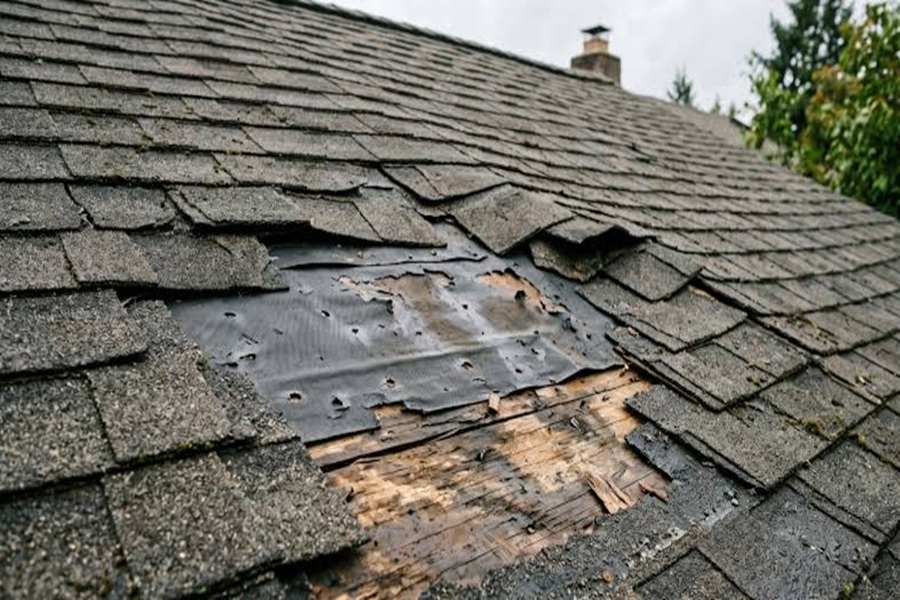
- Stagnant water in gutters can seep back under shingles or roofing material.
- Prolonged exposure leads to wood rot along roof edges or fascia boards.
- Ice dams may form during colder months, exacerbating roof damage.
- Overflowing water saturates the ground near your home’s foundation.
- Stagnant water becomes a breeding ground for mosquitoes.
- Water overflow can streak down exterior walls, leading to discoloration and erosion of paint or siding material.
How Clogging Impacts Drainage Systems
| Issue | Result |
| Blocked Downspouts | Prevents proper draining; causes water to back up into gutter channels |
| Misaligned Drainage | Redirects overflow toward walkways or landscaping instead of a designated drainage area |
| Soil Erosion | Water pooling at ground level erodes soil beds around your property |
Prevention Is Key
- Regularly clear out leaves and debris (especially after heavy storms or in autumn).
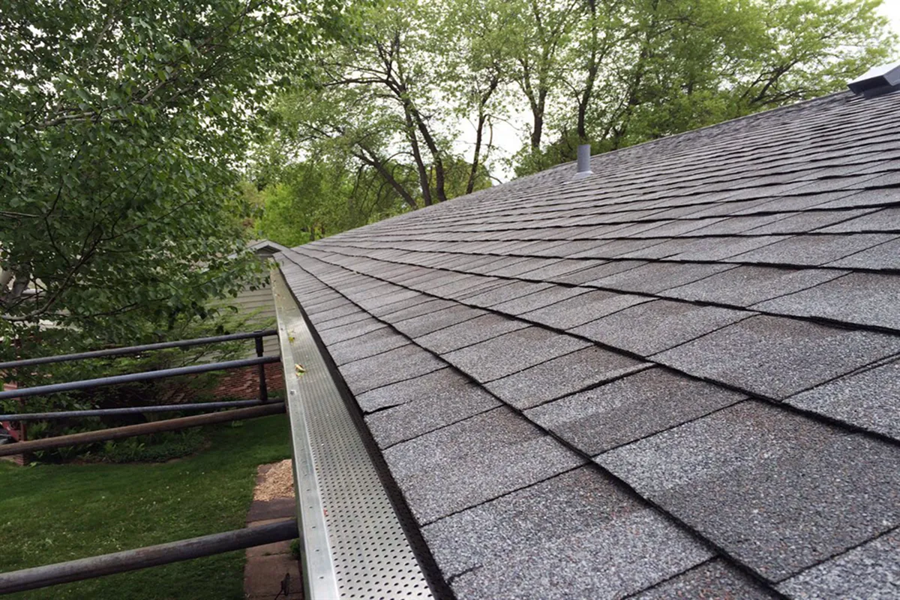
- Install gutter guards as an added measure to keep out larger debris while still allowing smooth water flow.
- Conduct biannual inspections once in spring and once before winter to ensure everything is functioning correctly.
Understanding the consequences of clogged gutters is key to appreciating why regular maintenance is so critical.
- Roof Damage:
- Water Pooling Around Foundation:
- Facade Damage:
Water spilling over due to clogs can stain siding materials or contribute to rotting wood on fascia boards. It may also promote mold growth on exterior walls. - Pest Problems:
Debris-filled gutters may also attract rodents or birds looking for nesting spaces.
Signs That Clogging Is an Issue
- Staining on Siding or Foundation: Look for streaks on walls where overflowing water has left marks.
- Pooling Water Near Your Home’s Base: Persistent puddles near the foundation after rain could signal that water isn’t being directed away effectively.
Prevention Tips for Avoiding Gutter Clogs
- Perform seasonal cleanings especially after heavy storms to remove debris before it causes blockages.
| Issue | Preventative Action |
| Leaves & Twigs | Install gutter guards/screens |
| Overflowing Water | Inspect & clean after heavy storms |
| Sagging Gutters | Reinforce brackets if needed |
| Pest Infestation | Eliminate standing water quickly |
The Long-Term Value of Maintenance
By addressing blockages promptly and implementing preventative maintenance strategies regularly, you’ll protect both your roof and home for years to come while avoiding unnecessary repair expenses in the future.
Preventing Water Damage With Proper Gutter Maintenance
Below is an overview of how proper upkeep can protect your home.
Why Water Damage Occurs Without Gutter Maintenance
- Siding and Wall Deterioration: Overflowing water can stain or deteriorate exterior walls and siding materials.
- Basement Flooding: Inadequate drainage can direct rainwater into your basement or crawl space, causing dampness or flooding.
Key Practices for Preventing Water Damage
By incorporating regular maintenance practices, you can avoid these issues altogether.
- Use gloves or gutter scoops for safety while cleaning manually.
- Choose options like mesh screens or foam inserts based on your specific needs.
- Check for cracks, rust spots, sagging sections, or missing fasteners that could interfere with proper drainage.
- Tighten loose fittings and replace damaged components as necessary.
- Confirm that downspouts are free from blockages.
Tools and Maintenance Schedule Table
| Task | Frequency | Tools Needed |
| Debris Removal | Twice annually | Gloves, ladder, bucket/gutter scoop |
| Gutter Guard Inspection | Once annually | Ladder |
| Downspout Cleaning | As needed | Garden hose/snake tool |
| Repair/Maintenance | When required | Screwdriver/drill/sealant |
The Role of Landscaping in Drainage Efficiency
– Avoid planting trees too close to the house; falling leaves contribute significantly to clogged gutters.
Proper landscaping enhances overall drainage effectiveness while complementing gutter maintenance efforts.
Preventing Water Damage With Proper Gutter Maintenance
Here’s how regular gutter care can help protect your home from water-related issues.
The Link Between Clogged Gutters and Water Damage
This blockage prevents water from flowing freely through the system.
- Exterior damage: Siding and wood trim may warp or decay when exposed to constant streams of overflowing gutter water.
Best Practices for Preventing Water Damage
- Look inside downspouts regularly to ensure they are clear of obstructions that might cause backups.
- Use garden hoses to test for proper flow after cleaning out debris.
- Adjust sections that appear flat or tilted backward.
Visual Guide: Common Gutter Maintenance Tasks
| Task | Recommended Frequency | Tools Needed |
| Cleaning debris | 2–4 times per year | Ladder, gloves, scoop |
| Checking downspout blockages | Twice per year | Garden hose |
| Inspecting slope | Annually | Level tool |
| Gutter guard installation | One-time investment | Professional services/tools |
Benefits Beyond Water Damage Prevention
Proper gutter maintenance doesn’t only prevent water damage; it also prolongs the life of your roof by reducing exposure to pooled moisture that could lead to rot or algae growth. Additionally, well-maintained gutters protect siding materials from warping and discoloration caused by prolonged exposure to splashing runoff.
By adopting these proactive measures for gutter care as part of regular home maintenance routines, you safeguard not just your roof but also the structural integrity, appearance, and value of your entire property long-term.
Checking Downspouts and Drainage Around Your Home
In this section, we’ll explore why downspouts and drainage are critical, how they function, and practical ways to ensure they’re working properly.
Why Downspouts and Drainage Are Important
That’s where downspouts come into play.
– Protect landscaping features such as flower beds or mulch from being washed out by heavy rainfall.
– Minimize wear on exterior surfaces like siding or windows by preventing water overflow during storms.
Common Issues with Downspouts and Drainage
1.Clogs– Leaves, twigs, or debris can get stuck inside downspouts, restricting water flow and leading to overflows or backups into gutters.
Improper Placement– If the end of a downspout is too close to the foundation, it can result in localized flooding or basement leaks during heavy rains.
3.Disconnected Extensions– Sometimes extensions meant to carry water farther away become detached or misplaced over time due to weather conditions or accidental collisions (e. g. , lawn equipment).
Steps for Effective Downspout Maintenance
- Ensure that all parts of the downspout are securely attached to both the gutter system and any extension tubing.
- Look for visible signs of rusting, cracking, or seams beginning to pull apart.
- After cleaning them out, test each downspout by pouring water at its entry point on the gutter system.
- Install Splash Blocks or Diverters (if necessary)
These devices help direct discharged water even farther away from areas susceptible to pooling near walls or foundations.
| Issue | Potential Impact | Solution |
| Clogged Downspout | Overflowed gutters leading to roof damage | Regular cleaning with hose/snakes |
| Poor Outlet Position | Foundation cracks due to pooling | Attach extensions 4–6 feet outward |
| Detached Extensions | Water damage near house walls | Re-secure with proper fasteners |
Preventative Measures for Long-Term Success
To keep drainage systems working flawlessly: – Use gutter guards that also protect against debris clogging up the entry points into your downspouts. – During heavy rainfall events, observe how well water flows through both gutters and drains; address any slow-draining areas immediately. – Engage professionals annually for thorough inspections if you live in regions prone to frequent storms.
Properly managed drainage systems ensure that rainwater doesn’t wreak havoc on your roof structure or compromise your home’s safety over time.
When to Call a Professional for Gutter Service
Knowing when to call a gutter specialist can save you time, prevent costly repairs, and ensure your gutters are functioning effectively.
While minor clogs can often be addressed with regular cleaning, some blockages are more stubborn and may require specialized tools or expertise to resolve.
– Water consistently overflows despite cleaning efforts.
– Leaves, debris, or dirt seem lodged deep within your gutters or downspouts.
– You suspect ice dams forming in colder months that you cannot safely remove yourself.
Certain types of damage signal the need for immediate professional attention:
– Cracks or splits along the length of the gutters that cause leaks.
– Sagging gutters
– Rust spots or corrosion compromising the structural integrity of metal gutters.
Professionals have experience repairing damaged sections and can ensure proper alignment and sealing without risking further harm to the system.
Pooling water near your foundation after rain is a red flag indicating drainage issues. This could result from faulty downspouts, misaligned gutters, or blockages in underground drainage systems like French drains. Professionals will assess the problem and recommend solutions such as extending downspouts, regrading soil around your home, or installing additional drainage features.
| Issue | Likely Cause | Recommended Action |
| Persistent pooling water | Poor drainage | Install extensions/regrade soil |
| Overflowing at one location | Misaligned pitch | Adjust sloping professionally |
| Cracks in foundation | Long-term water damage | Consult both gutter & foundation experts |
Homes with multi-level roofs, steep pitches, or intricate architectural features may have challenging gutter systems that require expert handling during repairs or cleaning.
– Hidden gutters integrated into the roofline. – High rooflines where safety equipment is necessary for access. – Custom rainwater collection systems needing maintenance.
Without proper knowledge and tools, addressing these designs yourself may increase risks of injury or damage.
If your existing gutter material has reached its lifespan typically around 20 years for aluminum or simply isn’t performing as required anymore (e. g. , undersized for increased rainfall capacity), professionals should handle replacement to meet modern standards effectively.
They can also advise on advanced options like seamless gutters which minimize leaking points compared to traditional segment-type installations.
While homeowners can perform basic upkeep periodically (like removing visible debris), not everyone has time available or comfortable working heights involved safely doing rooftop-based activities themselves.