How Small Roof Problems Can Become Major Damage
A roof serves as the primary barrier between your home and the elements, providing protection from rain, wind, snow, and sunlight. However, even seemingly small roof problems can spiral into major issues if left unaddressed. Homeowners often overlook minor signs of damage, thinking they are inconsequential. Unfortunately, this mindset can lead to significant financial and structural consequences over time.
The Domino Effect of Neglecting Minor Roof Issues
- A tiny crack or hole in a roof may seem harmless at first glance.
- Over time, these small openings allow water to seep into the structure.
- Persistent moisture can compromise the integrity of roofing materials like shingles and underlayment.
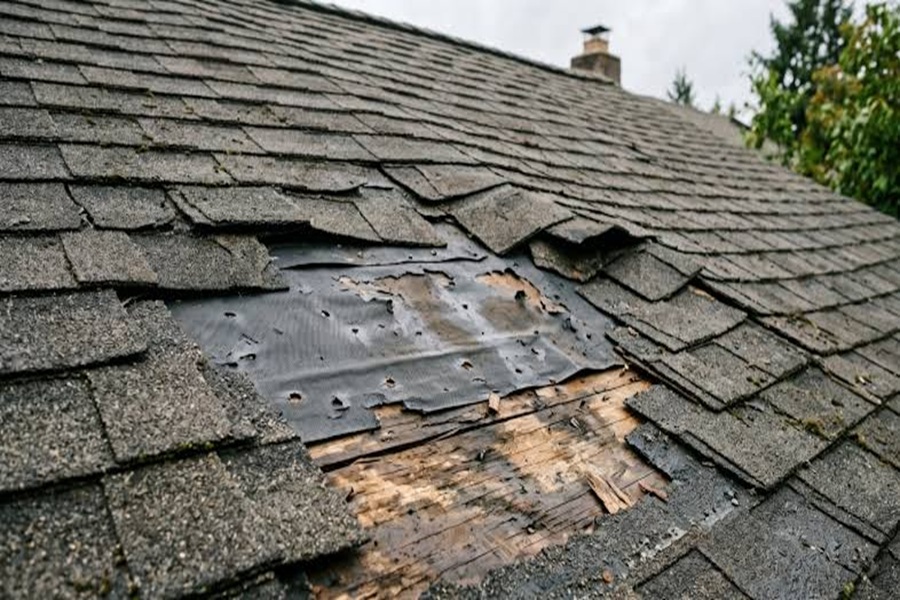
- Missing or broken shingles expose your roof deck to potential damage.
- Without adequate protection, the decking can warp or rot when exposed to water.
- Shingle issues also reduce your roof’s ability to deflect UV rays, accelerating wear on other materials.
- Debris accumulation in gutters might seem like a minor cosmetic problem.
- However, clogged gutters prevent proper drainage during heavy rains.
- Water pooling on your roofline increases pressure on weak spots and encourages leaks.
Consequences of Ignoring Small Problems
- Escalated Repair Costs:
Small repairs are significantly less expensive than addressing major structural damage. For example: | Minor Issue | Cost Range | |—————————|———————-| | Replacing a few shingles | 200–600 | | Fixing minor leaks | 150–400 | | Full roof replacement | 5,000–15,000+ | - Widespread Interior Damage:
What starts as a small leak can lead to: - Water-stained ceilings and walls
- Damaged insulation
- Swollen wooden beams or flooring
- Compromised Structural Integrity:
Water infiltration not only damages surface-level components but also weakens critical load-bearing structures over time.
Proactive Measures for Homeowners
To avoid letting small problems evolve into major headaches: – Schedule regular inspections (at least twice a year or after severe weather events). – Clear gutters and downspouts regularly to ensure proper drainage. – Immediately address damaged shingles or flashing when identified. – Consider investing in roofing materials with durable coatings if you live in extreme climates.
By addressing even minor issues early on, you mitigate risks and protect your most significant investment—your home—from unnecessary deterioration.
Water Leaks and the Risk of Interior Damage
Water leaks, even seemingly minor ones, can lead to significant interior damage if left unchecked. A neglected roof is one of the most common culprits behind water infiltration, which poses a serious threat to your home’s structural integrity and indoor environment. Understanding how water leaks can escalate into major issues will help homeowners take proactive measures.
How Water Leaks Begin
Small issues such as cracked shingles, damaged flashing, or clogged gutters often create entry points for rainwater. Over time, these minor problems allow moisture to seep into the underlying layers of your roof. Once water penetrates these layers, it can travel unnoticed until it causes visible signs of damage within your home.
Potential Interior Damage from Roof Leaks
- Ceiling Stains: Water stains on ceilings are one of the most apparent signs of leaks. These unsightly marks not only affect aesthetics but may also indicate deeper moisture issues.
- Wallpaper Bubbling or Peeling Paint: Persistent dampness caused by leaks can cause paint or wallpaper to bubble and peel in affected areas.
- Compromised Insulation: Insulation in the attic or walls may become saturated with water, reducing its effectiveness and creating an environment conducive to mold growth.
- Warped Flooring or Walls: Prolonged exposure to water may cause wood flooring or drywall to swell, warp, or even rot over time.
| Type of Damage | Impact on Home |
| Ceiling stains | Reduced visual appeal; possible hidden mold buildup |
| Compromised insulation | Lower energy efficiency; potential health risks |
| Warped floors/walls | Structural instability and higher repair costs |
Hidden Costs Associated with Water Leaks
- Increased Utility Bills: Damaged insulation from leaky roofs can force heating and cooling systems to work harder.
- Mold Remediation Expenses: Moist environments created by leaks encourage mold growth requiring costly remediation services.
- Decreased Property Value: A history of unresolved water damage could lower a home’s market value.
Prevention Tips for Homeowners
- Schedule regular inspections to identify weak points like damaged shingles or improperly sealed flashing.
- Keep gutters clean and functional so that rainfall is directed away from vulnerable roofing areas.
- Repair any small issues promptly rather than delaying maintenance.
By proactively managing your roof’s condition, you reduce the likelihood of water-related interior damage while protecting both your finances and property condition in the long term. Warm attention today saves cold regrets later!
How Poor Roof Maintenance Can Cause Structural Problems
Compromised Support Beams
When water infiltrates a roof due to broken shingles, damaged flashing, or clogged gutters, it can seep into the wooden support beams below. Over time, this moisture weakens the wood, causing it to warp or rot.
- Rotting Beams: Moisture causes wood to decay, leading to weakened support structures that struggle to bear weight.
- Warping: Consistent exposure to damp conditions can cause wooden beams to expand and contract unevenly. This may lead to unstable roofing and walls.
Weakened Foundations
Surprisingly, poor roof maintenance can impact your home’s foundation as well. When water from leaks isn’t properly directed away from your home (via functioning gutters and downspouts), it pools around the base of your property.
- Accumulated water undermines the soil beneath your foundation.
- Over time, cracks may form in concrete or masonry due to shifting ground caused by excess water exposure.
| Issue | Possible Causes | Impact on Structure |
| Rotting beams | Persistent leaks | Weakened support for walls and ceilings |
| Foundation cracks | Poor drainage from faulty gutters | Uneven settlement of the building |
| Sagging ceilings or walls | Excess weight from water absorption | Possible collapse risks |
Roof Collapse Risks
If early signs of damage are ignored, prolonged stresses like water retention or extreme weather conditions (e.g., snow accumulation) can increase pressure on your roof’s framework. This makes sections of the roof susceptible to sagging or even collapsing.
Key risk factors include: – Prolonged Neglect: Ignoring minor repairs leads to gradual degradation. – Extra Weight: Snow and debris add strain if roofing materials have already been compromised.
Spread of Damage
Roof neglect doesn’t just stay confined—it spreads throughout other parts of your home: 1. Walls may develop cracks as moisture seeps downwards. 2. Ceilings may begin sagging under constant exposure. 3. Floors may buckle if water reaches lower levels.
Regular maintenance ensures that small issues—such as missing tiles or clogged drainage systems—don’t snowball into problems affecting multiple components of your home’s structure.
Proactive Practices for Prevention
The best way to avoid these structural issues is through consistent care and inspection: – Schedule professional inspections bi-annually (before winter and summer seasons). – Clear gutters regularly so water flows freely away from the home. – Replace worn-out shingles promptly instead of waiting for widespread damage.
Timely care not only preserves structural integrity but also saves homeowners significant repair costs in the long run.
How Poor Roof Maintenance Can Cause Structural Problems
A roof is much more than just a protective covering for your home. It acts as a vital structural component, supporting and distributing weight while shielding the interior from the elements. When a roof is neglected and not properly maintained, small issues can gradually compromise the structural integrity of your home. Understanding how poor roof maintenance can lead to structural problems is essential for homeowners seeking to avoid costly repairs.
Increased Load on Roof Supports
- Water Accumulation: Missing shingles or clogged gutters can result in water pooling on the roof’s surface. Over time, this excess weight stresses beams, joists, and rafters.
- Snow and Ice: Without proper drainage or repair of damaged areas, snow and ice can accumulate, adding significant weight that exceeds your roof’s design capacity.
- Debris Build-Up: Leaves, branches, and dirt collecting on the roof can trap moisture, gradually weakening critical support structures.
Damage to Roof Decking
When moisture penetrates beneath damaged shingles or tiles due to poor maintenance, it often seeps into the wooden decking underneath. Prolonged exposure to water leads to:
– Warping: The deck may lose its shape, creating dips or sagging areas on the surface of the roof.
– Rotting Wood: Rotting compromises both load-bearing capacity and attachment points for other roofing materials.
As deck damage progresses unnoticed without regular inspections or repairs, it places strain on adjacent structures such as walls or ceilings.
Weakening of Structural Connections
An overlooked aspect of poor maintenance is how it affects fasteners like nails and screws holding roofing materials in place: – Rusting fasteners can weaken connections between roofing layers. – Windstorms may dislodge poorly secured parts of an already compromised structure. This cycle increases vulnerability during severe weather events.
Cracks in Walls and Foundation Shifts
A neglected roof often redirects water runoff toward unintended areas near your home’s foundation. Over time: – The excess moisture from improper drainage can erode soil near foundations. – Foundation settling occurs unevenly due to water saturation. Additionally, cracks may form along walls as pressure redistributes unevenly across weakened supports.
Protect Your Home with Proactive Maintenance
To prevent these cascading structural issues: 1. Conduct annual roofing inspections by professionals who understand early warning signs. 2. Replace missing shingles immediately rather than delaying repairs until leaks form. 3. Keep gutters clean year-round so rainwater flows away efficiently from your home. 4. Trim overhanging tree branches that could introduce debris onto your rooftop during storms.
By staying proactive with routine care and addressing minor problems early on, homeowners not only protect their investment but also ensure safety for those living under their roofs.
How Damaged Roofing Can Reduce Energy Efficiency
A damaged roof doesn’t just pose structural risks; it can significantly impact your home’s energy efficiency. Over time, even small issues such as cracks, missing shingles, or poorly sealed seams can lead to higher energy bills and an uncomfortable indoor environment. Here’s why a neglected or damaged roof can hurt your home’s efficiency and what you can do to address the issue.
Heat Loss During Winter
When your roof is compromised—whether due to missing insulation, gaps, or broken materials—it fails to act as a barrier against heat loss. Here’s how this affects your home:
– Escaping Warm Air: Heat naturally rises, meaning if your attic or roof has damaged insulation or holes, warm air created by your heating system escapes much faster.
– Increased Heating Costs: As heat escapes through the compromised areas of the roof, your HVAC system has to work harder to maintain comfortable temperatures during colder months.
Increased Cooling Costs in Summer
During the summer months, damaged roofing can contribute to excessive heat entering your home:
– Poor Ventilation: A roof in disrepair may lack proper ventilation pathways that manage air circulation in the attic space. This leads to hot air being trapped inside the house.
– Heat Absorption: Missing or damaged shingles may expose underlying materials that absorb more sunlight and heat compared to a well-maintained reflective surface. This increases indoor temperatures and forces your cooling systems to overcompensate.
Simple Solutions for Improved Roof Efficiency
- Repair Minor Damage Immediately: Fix issues like loose shingles, torn flashing, or cracked seals as soon as they’re identified.
- Inspect Insulation Levels: Make sure attic insulation meets modern standards for thermal efficiency.
- Install Reflective Materials: For homes in particularly sunny areas, consider reflective roofing materials designed to deflect solar radiation.
- Upgrade Ventilation Systems: Ensure that soffit vents and ridge vents are clean and functional so hot air doesn’t accumulate under the roof.
By addressing these relatively simple problems sooner rather than later, you’ll not only protect your home from further damage but also save on energy costs over time—proving that taking care of your roof is both an investment in comfort and financial health.
Signs Your Neglected Roof Needs Immediate Attention
A neglected roof often begins to show warning signs long before serious damage occurs. Identifying these red flags early can save homeowners from costly repairs, structural damage, and health risks. Below are some of the most common signs that your roof needs immediate attention.
1. Visible Damage to Shingles
- Cracked, curling, or missing shingles are one of the clearest indicators of a deteriorating roof.
- Granule loss on asphalt shingles (often visible in gutters or downspouts) can point to aging materials that will soon fail.
- Shingles that appear discolored in patches may indicate water damage or algae growth, which can compromise their integrity.
2. Leaking or Water Stains Indoors
- Brownish-yellow water stains on ceilings or walls are often signs of a leak caused by damaged roofing.
- If left unaddressed, minor leaks can lead to more significant issues like rot, mold growth, and even electrical problems if water seeps near wiring.
- A persistent musty smell in the attic or living areas could also be a subtle sign of hidden moisture caused by roof leaks.
3. Sagging Roof Decking
- A sagging appearance along certain sections of your roof indicates structural stress and potentially severe damage.
- This could result from trapped moisture weakening the wooden decking underneath your roofing material.
- Sagging roofs are not just cosmetic concerns—they pose serious risks to safety if ignored for too long.
4. Damaged Flashing Around Openings
- Flashing is used around chimneys, vents, skylights, and other penetrations to create a watertight seal. Over time, flashing can corrode or pull away from surfaces due to weather exposure.
- Damaged flashing leaves gaps where water can infiltrate and cause further deterioration inside the home.
5. Increased Energy Bills
- A neglected roof with poor insulation or gaps allows heat loss during winter and inadequate cooling during summer.
- If you notice spikes in energy costs without corresponding increases in usage, it might be worth investigating whether your roofing system is contributing to inefficiencies.
6. Unwanted Wildlife Activity
- Birds, squirrels, raccoons, and insects are all drawn to weaknesses they find in roofs such as cracks, openings around vents, or loose materials.
- Once inside the attic space through these vulnerabilities, pests can create nests that worsen both structural and sanitation concerns over time.
Quick Reference: Common Warning Signs
| Issue | What It Could Mean |
| Missing shingles | Roof vulnerable to leaks |
| Water stains indoors | Hidden leaks; possible mold risk |
| Sagging roof | Structural weakness; potential collapse |
| Damaged flashing | Increased risk of water intrusion near openings |
| Higher energy bills | Poor insulation or ventilation due to roofing problems |
| Pest activity | Openings providing access for wildlife |
Why It’s Important Not To Delay
Delaying maintenance after noticing these warning signs often leads to escalating problems: – Small leaks may expand into widespread water damage. – Minor material wear-and-tear could develop into full structural failure under heavy storms. – Repairs become significantly more expensive as issues worsen.
By recognizing these signs and taking immediate action—such as scheduling an inspection—you’ll preserve the value of your home while preventing both financial and physical stress later on. Always remember that proactive care adds years to the life of your roof while minimizing unexpected surprises down the road.
Why Regular Roof Inspections Can Save Homeowners Money
Investing in regular roof inspections may seem like an added expense, but it is one of the most effective ways to save money in the long run. A proactive approach to roof maintenance can help homeowners avoid costly repairs, extend the lifespan of their roofing system, and increase energy efficiency. Below, we explore how routine inspections provide significant financial benefits.
Early Detection Prevents Expensive Repairs
- Missing or damaged shingles: Repairing a few loose shingles is far less expensive than replacing entire sections of a roof.
- Leaks and water damage: Catching leaks early prevents widespread interior damage that could lead to costly drywall repairs or mold remediation.
- Clogged gutters: Ensuring gutters function properly can prevent water from pooling on the roof and seeping into vulnerable areas.
By addressing these issues during routine checks, homeowners can avoid exponential repair costs caused by unchecked damage.
Extended Roof Lifespan
Regular inspections help maintain the structural integrity of your roofing system, ensuring it functions optimally for as long as possible. Professional roofers often perform tasks such as resealing flashing, clearing debris, and replacing worn components during an inspection. These minor maintenance tasks preserve the condition of your roof and delay the need for a full replacement—an expense that can range into tens of thousands of dollars depending on size and materials.
| Roof Material | Average Lifespan (Without Maintenance) | Potential Lifespan (With Maintenance) |
| Asphalt Shingles | 15-20 years | 25+ years |
| Metal Roofing | 40-50 years | 60+ years |
| Clay Tiles | 50+ years | Up to 100 years |
By scheduling periodic inspections, you maximize your investment in roofing materials while reducing overall costs over time.
Improved Energy Efficiency
A neglected roof often leads to poor insulation performance. Cracks, leaks, or missing materials compromise your home’s ability to retain heat during winter or remain cool in summer. During an inspection, professionals check for gaps or damaged areas that might impact energy efficiency.
- Lower heating and cooling costs due to improved insulation.
- Enhanced comfort levels within the home throughout all seasons.
Additionally, sealing air leaks in attic spaces—a task typically performed after inspection—can result in noticeable monthly savings on utility bills.
Insurance Benefits
Many insurance policies require evidence of regular maintenance when filing claims for storm damage or other incidents. Proof of annual inspections demonstrates that you’ve taken reasonable steps to upkeep your property. This reduces disputes with insurers and ensures quicker payouts when legitimate claims arise.
- Some insurance providers offer discounts on premiums for homes with documented maintenance records.
Keeping up with professional inspections not only saves money through claim success but might also lower upfront costs related to policy renewals.
Practical Tips for Scheduling Inspections
- Schedule once in spring (to assess winter damage).
- Schedule once in fall (to prepare for cold weather).
- Look for licensed contractors with experience inspecting roofs similar to yours.
- Keep records of all past inspections and repairs for reference during future appointments or insurance claims.
Investing a small amount today in regular checks can save countless dollars down the line while protecting what’s likely one of your largest investments—your home.