Common Flat Roof Problems Homeowners Face
Flat roofs are a popular choice for many homes and commercial buildings due to their modern aesthetics and practical design. However, they are not without challenges. Understanding the common issues faced by flat roof owners is the first step toward addressing them effectively. Below, we explore some of these problems and their impacts on your property.
Frequent Issues with Flat Roofs
Flat roofs are more prone to certain problems compared to pitched roofs due to their low slope, which can affect drainage and durability over time.
- Ponding Water: Standing water is one of the most common problems for flat roofs. It occurs when water doesn’t drain properly after rainfall or snowmelt, leading to structural stress or leaks.
- Roof Leaks: Flat roofs are especially susceptible to leaks around seams, vents, flashing areas, and drainage points.
- Blistering or Cracking: Exposure to extreme weather conditions (e. g. , high heat or freezing temperatures) can lead to blisters or cracks in the roofing membrane.
- Membrane Damage: Over time, UV radiation and mechanical wear can degrade roofing materials like EPDM (Ethylene Propylene Diene Monomer) or TPO (Thermoplastic Polyolefin), weakening their protective barrier.
- Flashing Failures: Poor installation or aging flashing materials can allow water ingress at roof edges or where the roof meets walls.
- Insulation Problems: Improper installation or old insulation can cause energy inefficiency in your home, leading to higher heating/cooling costs.
The Risks of Neglecting Flat Roof Issues
Failing to address these challenges promptly can exacerbate underlying issues.
- Structural Damage: Persistent moisture from leaks can weaken support beams and cause rot in wooden structures.
- Higher Repair Costs: Small problems like ponding water that go unchecked may require costly fixes later if left unresolved.
- Energy Inefficiency: Damaged membranes and insulation will increase energy bills over time.
- Mold Growth: Standing water combined with warm temperatures creates an ideal environment for mold growth that could compromise indoor air quality.
Impact Comparison Table
Problem | Short-Term Impact | Long-Term Impact |
Ponding Water | Minor pooling after rain | Structural damage due to excess weight |
Roof Leaks | Visible dripping indoors | Rotting wood frames; mold development |
Membrane Damage | Reduced weather resistance | Compromised insulation; higher energy costs |
Blistering/Cracking | Aesthetic deterioration | Worsened leaks; full roof replacement |
Early Warning Signs for Homeowners
- Water stains on ceilings inside your home
- Visible cracks or bubbles on the surface of the roof
- Pooling water remaining 48 hours after rainfall
- Higher-than-usual energy bills in summer or winter months
By being proactive about spotting these warning signs early, homeowners can mitigate potential damage before it worsens.
In upcoming sections of this article, we will delve deeper into diagnosing specific flat roof issues like ponding water and membrane cracking while exploring effective solutions tailored for these challenges.
Causes of Ponding Water and How to Fix It
Ponding water is one of the most common and challenging problems associated with flat roofs. Unlike sloped roofs, flat roofs do not naturally shed water, making them more prone to water accumulation after rain or snow. Understanding the causes of ponding water and addressing it promptly is crucial to maintaining the structural integrity and longevity of your roof.
Common Causes of Ponding Water
- Inadequate or poorly positioned drains can lead to water pooling on the roof.
- Clogged gutters or downspouts prevent proper drainage.
- A sagging roof due to aging materials or poor construction can create low spots where water collects.
- Insufficient support beneath the roof can lead to dips over time.
- Uneven installation or bubbles in roofing material might prevent proper water runoff.
- Damage from heavy objects, debris, or foot traffic could exacerbate surface irregularities.
- Freeze-thaw cycles in colder climates may alter the roof’s surface, creating areas for ponding.
- Heavy rainfall combined with slow drainage overwhelms a flat roof’s capacity to disperse water.
Dangers of Ignoring Ponding Water
- Accelerated Material Degradation: Prolonged exposure to standing water weakens roofing membranes.
- Increased Risk of Leaks: Persistent moisture might penetrate seams or cracks.
- Structural Damage: Excess weight from pooling can compromise the roof’s structure over time.
- Mold and Algae Growth: Standing water creates an ideal environment for mold and algae, which can damage materials and pose health risks.
Practical Solutions for Ponding Water
- Install additional drains or outlets in areas prone to pooling.
- Regularly clean gutters, downspouts, and drains to ensure unobstructed flow.
- Use tapered insulation systems during re-roofing projects to create a slight incline that promotes runoff.
- Consult a roofing professional for re-grading solutions that fit your specific needs.
- Reflective coatings designed for flat roofs help protect against UV damage while reducing surface imperfections that hinder drainage.
- Waterproof coatings prevent moisture penetration even in areas where ponding occurs temporarily.
- Strengthen weakened support beams if sagging contributes to pooling issues.
- Conduct regular inspections after heavy rains or snowfalls to identify developing low spots early on.
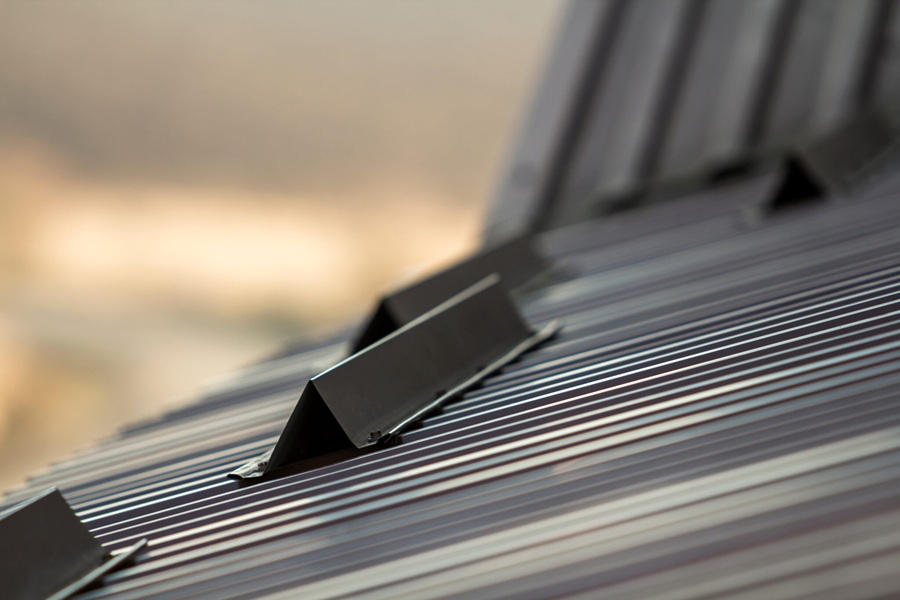
- These small triangular structures are strategically placed on a flat roof to redirect standing water toward drains without altering its overall design significantly.
Preventative Measures Moving Forward
- Schedule annual maintenance checks with a professional roofer who specializes in flat roofs.
- Trim nearby trees regularly so debris doesn’t clog drainage systems.
- Avoid placing heavy equipment directly onto your flat roof unless necessary (and ensure proper protective measures are taken when doing so).
By understanding what causes ponding water and implementing effective solutions, you can enhance your flat roof’s durability while avoiding costly repairs.
Identifying and Repairing Roof Leaks
Flat roofs are particularly prone to leaks due to their low slope, which can allow water to pool and penetrate the roof’s surface over time. Detecting and addressing these leaks promptly is crucial to preventing further structural damage, mold growth, and costly repairs. Here’s a comprehensive guide on how to identify and repair flat roof leaks effectively.
Signs of a Flat Roof Leak
Identifying a leak early can save homeowners time, money, and headaches.
- Water Stains on Ceilings or Walls:Brown or yellow discoloration in the interior often signals water intrusion.
- Dripping Water Indoors:If water is visibly dripping inside during rain, this indicates an active leak.
- Bubbling or Blistering Paint:Moisture beneath paint layers can cause bubbling, a clear sign of water penetration.
- Musty Odor or Mold Growth:Persistent dampness creates an environment for mold and mildew to thrive.
- Visible Damage on the Roof Surface:Cracks, punctures, or areas where the roofing material has lifted may point to potential leak sources.
Locating the Source of the Leak
Finding the exact source of a flat roof leak can be challenging. The visible signs inside your home may not align precisely with the location of the exterior issue.
- Check for pooling water or drainage issues during rainfall.
- Use a garden hose to wet sections of your roof while someone monitors indoors for drips.
- Look around vents, chimneys, skylights, HVAC units, and other protrusions where flashing might have failed.
- Inspect seams in roofing membranes where improper sealing is common.
- Blocked gutters or downspouts can force water back onto your roof surface.
- Gently press down on areas that appear discolored—soft spots often indicate water accumulation beneath layers.
Repair Techniques for Common Flat Roof Materials
Roofing Material | Repair Options |
Built-Up Roofing (BUR) | Patch small cracks with roofing cement; larger tears may require replacing damaged felt layers. |
Modified Bitumen | Seal punctures with bitumen-compatible adhesive patches; heat-welding might be needed for some repairs. |
EPDM Rubber | Use specially formulated rubber adhesive or tape for tears; ensure surface is clean and dry first. |
TPO/PVC Membranes | Apply a heat gun to weld small splits; replace large damaged sections with matching material pieces. |
Preventative Measures During Repairs
- Reapply sealant around flashings after fixing nearby damage.
- Use high-quality materials specifically designed for your roof type.
- Reinforce weak points such as seams by applying extra layers or tapes during repairs.
When Professional Help Is Necessary
- The damage covers extensive portions of your roof.
- Multiple leaks occur simultaneously across different areas.
- You’re unable to pinpoint the source despite repeated inspections.
Hiring an experienced contractor ensures that repairs are performed correctly while giving you peace of mind about long-term durability.
Addressing flat roof leaks promptly is one of the most effective ways to preserve your property’s structural integrity—don’t delay action when warning signs emerge.
Solutions for Blistering, Cracking, and Membrane Damage
Flat roofs are particularly susceptible to blistering, cracking, and membrane damage due to their exposure to extreme weather conditions and the stresses of temperature fluctuations. Addressing these issues promptly can prevent further deterioration and extend the lifespan of the roof.
Understanding Causes of Blistering
Blistering occurs when pockets of air or moisture become trapped between layers of roofing material. Over time, these blisters can expand as heat causes air or water inside to expand.
- Poor installation:Improper bonding between layers during installation.
- Moisture infiltration:Water penetrating the membrane through small cracks or seams.
- UV exposure:Prolonged exposure to sunlight weakens the roofing material, making it more prone to blistering.
How to Address Blistering:
- Identify small blisters early before they grow larger.
- Check areas near seams where blistering is more likely.
- Use a utility knife to carefully cut open small blisters.
- Allow any trapped moisture to dry out completely.
- Reseal with roofing cement or patch materials compatible with your roof type.
- Apply a UV-resistant roof coating to protect against further damage from sunlight.
Managing Cracks in Flat Roofs
Cracking is often caused by aging materials, thermal expansion/contraction cycles, or exposure to extreme weather conditions over time.
Steps for Repair:
- Remove debris and dirt using a stiff brush or blower for effective repairs.
- For minor hairline cracks, apply a high-quality roof sealant suitable for your material (e. g. , asphalt-based sealant for bitumen roofs).
- For larger cracks, reinforce repairs with a fiberglass mesh layer before sealing it off with repair compound.
- Install expansion joints if cracking results from thermal movement.
- Ensure proper drainage systems are in place so standing water doesn’t exacerbate cracking.
Repair Strategies for Membrane Damage
Flat roof membranes are vulnerable due to their role as the first line of defense against water penetration. Damage can occur from foot traffic on the roof, punctures caused by sharp objects, or aging material becoming brittle.
Best Practices for Repair:
Type of Membrane | Common Damage Issues | Recommended Fixes |
EPDM | Punctures from sharp objects | Patch with EPDM-compatible adhesive and membrane patches. |
TPO | Tears at seams | Heat-weld new sections into place using specialized equipment; seal gaps properly post-repair. |
Built-Up Roofs | Cracks in asphalt layers | Remove damaged areas; replace using hot-applied asphalt materials combined with reinforcing fabric. |
Preventative Measures Against Future Problems
To avoid recurring issues like blistering, cracking, and membrane damage: – Schedule regular inspections (at least twice a year).
– Keep gutters clean and ensure water flows freely off your flat roof surface.
– Minimize foot traffic by adding designated walkways if rooftop access is necessary (e. g. , HVAC maintenance).
– Invest in annual professional maintenance checks for early problem identification.
By taking these proactive measures while addressing existing damage effectively, you can significantly enhance the longevity and reliability of your flat roof system without recurring problems over time.
Preventative Maintenance for Flat Roof Longevity
Flat roofs, while practical and cost-effective, require consistent maintenance to maximize their lifespan. Preventative maintenance is critical to avoid costly repairs and unexpected damage. By implementing a regular care routine and addressing small issues early, homeowners can extend the durability and functionality of their flat roofs.
Importance of Regular Inspections
Regular inspections are the foundation of preventative maintenance. Scheduling bi-annual inspections—preferably in the spring and fall—can help catch minor issues before they escalate into major problems.
- Roof Membrane: Look for cracks, tears, or areas where the membrane might be lifting.
- Drainage Systems: Ensure that drains, scuppers, and gutters are free from debris to prevent ponding water.
- Flashing: Check flashing around vents, skylights, and edges for signs of wear or detachment.
- Seams: Examine seams for any gaps or weaknesses that could lead to water infiltration.
Routine Cleaning
Debris such as leaves, branches, and dirt can accumulate on flat roofs over time. Regular cleaning helps prevent blockages in drainage systems and reduces the risk of moisture-related damage.
- Use a soft-bristled broom or blower to remove debris without damaging the roof membrane.
- Rinse with a low-pressure hose if necessary but avoid high-pressure washing as it may harm the roof’s surface.
A clean roof ensures proper water drainage and reduces weight stress caused by accumulated debris.
Addressing Minor Repairs Early
Even small issues like minor cracks or standing water should be addressed immediately to prevent further deterioration.
- Applying roof sealant to patch small cracks or leaks in membranes.
- Replacing damaged flashing sections before they allow moisture penetration.
Homeowners should ensure all materials used are compatible with their specific roofing system.
Protecting Against UV Damage
UV rays can cause significant wear on flat roofs over time by degrading materials like rubber or asphalt-based membranes.
Material Type | UV Protection Solution |
Rubber (EPDM) | Apply reflective coating |
Asphalt (built-up) | Add a layer of gravel or mineral cap |
PVC/TPO Membranes | Use light-colored membranes that reflect sunlight |
Regularly maintaining UV protective layers can prolong roof life significantly.
Seasonal Preparations
- Remove snow buildup promptly using non-abrasive tools to avoid excess weight strain.
- Inspect seals around vents or skylights that may expand/contract due to temperature fluctuations.
- Ensure proper shading or reflective coatings during hotter months to reduce heat-related damage.
By proactively preparing your roof for seasonal changes, you reduce vulnerabilities caused by extreme weather conditions.
Benefits of Long-Term Maintenance Plans
For those who prefer professional oversight, enrolling in a long-term maintenance plan with a trusted contractor ensures regular checkups and necessary repairs are conducted on schedule. These plans provide peace of mind while minimizing emergency expenses.
Preventative maintenance is an investment that pays dividends in extending the life of your flat roof while reducing repair costs over time. Adopting good practices—such as regular inspections, cleaning routines, addressing minor damages promptly, and protecting against UV exposure—keeps your flat roofing system reliable for years ahead.
When to Repair vs Replace a Flat Roof
Deciding whether to repair or replace a flat roof can be challenging, as the correct course of action depends on several factors, including the roof’s age, the extent of damage, and long-term cost considerations. Making the right decision requires careful evaluation of these variables to ensure your flat roof continues to perform effectively and efficiently.
Factors to Consider When Deciding Between Repair or Replacement
- Flat roofs typically have a lifespan of 15–30 years, depending on materials used (e. g. , EPDM, TPO, PVC).
- If your roof is nearing the end of its expected lifespan and requires frequent repairs, replacement may be more cost-effective in the long term.
- Minor Issues: Small leaks or isolated areas with damage can often be repaired without replacing the entire roof.
- Widespread Problems: Significant structural issues like sagging or extensive water intrusion may warrant a full replacement.
- Evaluate whether the roofing material itself (e. g. , membrane or coating) is still durable or showing widespread wear-and-tear.
- If underlying layers are compromised (like insulation or decking), replacement can prevent further deterioration.
- Short-Term Repairs: Less expensive upfront but may not solve recurring problems over time.
- Long-Term Replacement: Higher initial cost but typically eliminates recurring issues and provides peace of mind for decades.
- A new flat roof with modern materials often improves energy efficiency by incorporating better insulation and reflective surfaces, potentially lowering cooling costs.
Indicators That Repair Might Be Enough
- Small punctures or cracks in membrane material.
- Ponding water that hasn’t caused major structural damage yet.
- Flashing around vents or HVAC units showing minor deterioration.
- Localized blistering that hasn’t spread across large sections of the roof.
If these conditions are present and addressed promptly with professional repairs, you might extend your roof’s lifespan by several years.
Signs That Replacement Is Necessary
- Persistent leaks after multiple repair attempts.
- Severe blistering, cracking, and water pooling affecting large areas.
- Deterioration in insulation layers or visible damage to decking beneath the membrane.
- Structural sagging that compromises safety.
Comparing Costs: Repair vs Replacement
Factor | Repairs | Replacement |
Average Cost | $300–$1,000 per repair | $5k–$15k+ depending on size/material |
Lifespan Improvement | 1–5 years | 15–30 years |
Frequency | Recurring | One-time |
While repairs seem less expensive upfront, frequent maintenance costs add up over time; if you’re calling contractors every year for fixes, replacement might actually save money in the long run.
Consult a Professional Assessment
For any flat roofing dilemma where it’s unclear whether repair or replacement is preferable: – Have a licensed contractor inspect your roof thoroughly for hidden issues like moisture buildup under membranes.
– Seek multiple opinions if needed to get an unbiased assessment tailored to your situation.
By weighing all these factors carefully with expert guidance where necessary, you’ll ensure that whichever decision you make—repairing damaged areas or investing in full replacement—is both practical and cost-efficient for your home’s long-term health.
Below are key considerations and practical tips to ensure you choose a qualified professional for the job.
Why Hiring the Right Contractor Matters
Flat roofs are more complex than they may appear. Their low slope makes them particularly vulnerable to water pooling, leaks, and structural stress.
- Use appropriate materials suited to your specific flat roof system (e. g. , EPDM, TPO, PVC).
- Ensure compliance with local building codes.
- Provide warranties that protect your investment.
Entrusting your repairs to an inexperienced or unqualified contractor could lead to improper fixes, further damage, and higher costs in the long run.
Key Qualifications to Look For
- Ensure they are licensed in your state or region.
- Look for certifications from recognized roofing manufacturers like GAF or Firestone.
- Ask how many years they’ve worked on flat roofing systems specifically.
- Request examples of past work or case studies similar to your project.
- Verify that they carry general liability insurance and workers’ compensation coverage. This protects you from potential financial risks during the repair process.
- Check reviews on platforms like Google Reviews or Better Business Bureau (BBB).
- Request references from previous clients who had similar work completed.
- A reliable contractor should provide both workmanship warranties (covering installation errors) and product warranties (covering material defects).
Questions to Ask During Consultations
- What types of flat roofing systems do you specialize in?
- Can you provide an itemized estimate detailing labor, materials, and other costs?
- How do you handle unexpected issues that might arise during repairs?
- Do you use subcontractors? If so, how do you ensure quality control?
Their answers will help you gauge their expertise and professionalism.
Red Flags To Avoid
Red Flag | Why It’s Concerning |
Lack of proper licensing | Could indicate unqualified personnel handling repairs |
No written contract | Increases risks of disputes over scope or cost |
High-pressure sales tactics | May push unnecessary services |
Unusually low quotes | Often leads to poor-quality materials or shortcuts |
Choosing a contractor based solely on price may result in subpar results that end up costing more over time.
Benefits of Hiring Locally
- Familiarity with regional weather conditions that affect flat roofs.
- Established relationships with nearby suppliers for quick access to materials.
- Responsiveness in case follow-up services are needed post-repair.
Local professionals also tend to have vested interests in maintaining their community reputation through quality service.
Taking time to thoroughly research contractors ensures a smoother repair process while safeguarding your investment in your property’s infrastructure. By prioritizing qualifications like experience, licensing, reputation, and transparency during consultations, you’ll pave the way for successful flat roof repairs that stand the test of time.