Understanding what these elements are and the roles they play can help homeowners appreciate their importance and ensure proper care.
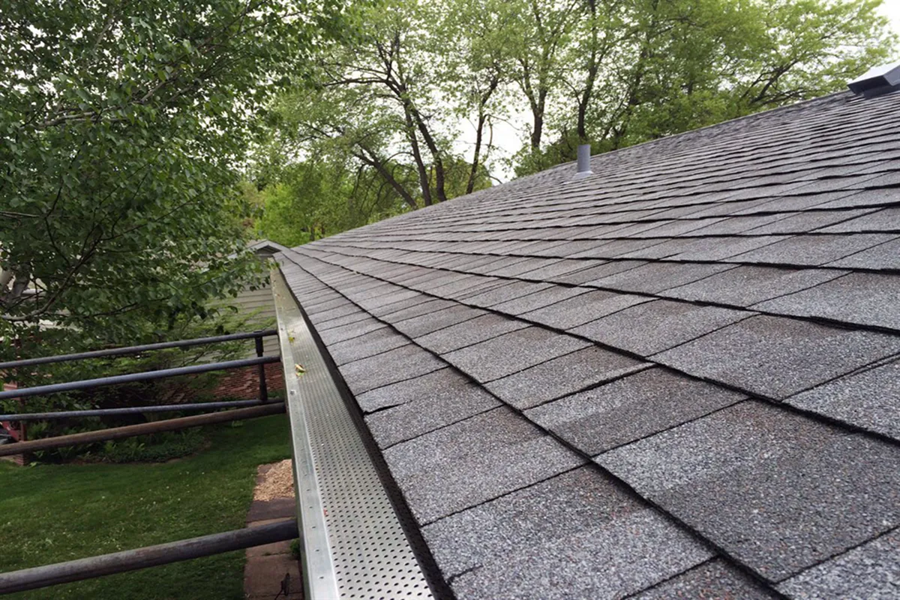
The fascia is a horizontal board that runs along the roof’s edge where it meets the outer walls of a house. It is typically where gutters are mounted. More than just support for gutters, fascia also protects the edges of roofing materials from exposure to weather elements like rain, snow, and wind.
Finally, trim refers to exterior finishing materials used around windows, doors, corners, or other exterior junctions to provide definition while sealing gaps between surfaces. Trim contributes both functionally—by preventing moisture intrusion—and aesthetically by giving your home’s exterior a polished appearance.
Each of these components is made from materials such as wood, aluminum, vinyl, or composite materials. The choice often depends on climate conditions and budget considerations. For instance, homes in areas with high humidity may benefit from vinyl soffits due to their resistance to moisture damage.
While soffit ventilates attics and prevents water intrusion underneath eaves and fascia shields vulnerable edges from outdoor exposure, trim ties everything together visually while guarding against water seepage at critical joints. Together they build a unified line of defense against environmental stressors like heat fluctuations or precipitation.
Neglecting any one of these parts can lead to larger problems over time. Water damage might creep into areas where soffits have cracks or gaps; damaged fascia could compromise gutter performance during heavy rains; poorly maintained trim could leave joints susceptible to rot or pest infestations. A holistic understanding of how all three work together allows homeowners to better maintain their roofs for long-term durability.
Whether you’re planning maintenance or considering upgrades for your home’s exterior features, giving attention to soffits, fascia boards, and trim ensures both functionality and curb appeal remain intact year-round—making them more than just overlooked roofing features but key guardians of your home’s structural integrity.
Why These Roofing Components Matter More Than You Think
When it comes to maintaining your home, the roof often steals the spotlight. However, soffit, fascia, and trim — the unsung heroes of your roofing system — play a critical role in ensuring your home remains not just visually appealing but structurally sound. Many homeowners overlook these components because they seem secondary to the roof itself. In reality, they are integral parts of a well-functioning and long-lasting roofing system.
Soffits, fascia boards, and trim act as more than decorative features; they are functional necessities that protect your home from the elements while adding to its overall aesthetic value. Without them, your roof and attic could be left vulnerable to moisture intrusion, pests, and even structural deterioration over time.
A Barrier Against Nature’s Elements
One of the primary reasons soffit and fascia matter is their ability to shield your roofing system from environmental challenges. Fascia serves as a sturdy board running along the edge of the roof where gutters are mounted. It creates a clean line between your roof and walls while also supporting water drainage systems like gutters. Without proper fascia installation or maintenance, rainwater could seep into your home’s structure, leading to rot or mold.
Soffits complement this by protecting the underside of eaves from unwanted exposure to weather elements such as rain or snow. They also guard against pest infestations by sealing off access points where rodents or insects might enter.
Trim serves an equally vital purpose in this ecosystem by sealing edges where different materials meet on your home exterior. By creating seamless transitions between siding panels or roofing materials, trim prevents gaps that would otherwise allow moisture into vulnerable areas.
Enhancing Energy Efficiency
Beyond protection from nature’s challenges, these components also contribute significantly to energy efficiency in ways you might not expect. Properly installed soffits allow for adequate airflow through attic spaces via ventilation channels that help regulate temperature year-round. This means reduced reliance on HVAC systems during extreme weather conditions and lower energy bills overall.
Fascia boards can also aid energy efficiency indirectly by supporting gutters that channel water away efficiently. When gutters work properly without sagging or overflowing — thanks in part to strong fascia support — you avoid foundation issues caused by poor drainage around your home’s perimeter.
Boosting Curb Appeal
Aesthetics may not be the first thing you think about when discussing soffit, fascia, and trim; however, their visual impact cannot be overstated. Fascia provides clean edges that frame a roofline beautifully when painted or finished with complementary colors matching other parts of a house’s exterior design.
Trim pieces add polished details around windows or doors while enhancing sharp lines along corners or architectural features. Meanwhile, soffits contribute subtle sophistication through various styles — from perforated panels for ventilation purposes to smooth finishes for modern designs.
By investing in high-quality materials for these components — wood-like textures for warmth or aluminum for durability — homeowners can improve curb appeal without compromising functionality.
Understanding why these “secondary” roofing components matter is crucial for anyone looking to protect their investment long-term while simultaneously boosting comfort and style at home.
How Exterior Trim Enhances Appearance and Durability
Exterior trim plays a crucial role in the aesthetics and functionality of your home, often acting as the connecting element that ties the overall design together while protecting vulnerable areas of your house. This unassuming yet essential component not only contributes to curb appeal but also adds a protective layer that helps maintain the integrity of your home’s structure.
Boosting Curb Appeal Through Design
Trim details have a significant impact on how your home looks from the outside. Thoughtfully designed trim outlines windows, doors, eaves, and other architectural features, creating a polished and cohesive appearance. Whether you prefer clean, modern lines or ornate traditional styles, the type of trim you choose can greatly influence your home’s personality. Homeowners often underestimate how much these simple accents can elevate their property’s visual appeal.
Color is another important aspect to consider when selecting exterior trim. Contrasting trim colors create striking visual interest, while coordinating shades provide a more subtle elegance. For example, white or cream-colored trims on darker exteriors can brighten and frame a home beautifully, whereas darker trim on lighter facades offers depth and definition.
Protecting Your Home from Weather
Beyond aesthetics, exterior trim serves as a critical barrier against weather elements like rain, snow, wind, and sunlight. It seals gaps between various parts of your house—such as where walls meet windows or doors—helping to prevent moisture intrusion that could lead to mold growth or structural damage. Properly installed and well-maintained trim is vital for keeping water out of vulnerable junctions where rot and decay often start.
High-quality materials like treated wood, fiber cement, PVC-based products, or engineered composites are commonly used for exterior trims due to their durability under exposure to harsh conditions. These materials resist warping and cracking over time while requiring minimal upkeep compared to untreated wood alternatives.
Enhancing Energy Efficiency
When paired with insulation techniques or weatherstripping around windows and doors, exterior trim also plays an indirect role in improving energy efficiency in your home. By sealing gaps effectively, it minimizes drafts that could otherwise increase heating or cooling costs throughout the year.
Long-Term Preservation with Minimal Maintenance
To ensure both beauty and function over time, it’s essential to perform routine maintenance on your exterior trim. This includes inspecting for cracks or peeling paint annually and applying touch-ups as needed to protect underlying materials from water infiltration. For trims made of composite or synthetic materials designed for longevity, cleaning them occasionally is often sufficient to keep them looking fresh.
Investing in high-quality exterior trim during renovations or new construction is one of the simplest ways homeowners can achieve both enhanced style and lasting protection for their homes without excessive ongoing maintenance requirements.
The Role of Fascia in Protecting Roof Edges
Fascia plays a critical role in maintaining the integrity of your roofing system, yet it’s often an overlooked component by many homeowners. Beyond its structural purpose, fascia also contributes to both the functionality and appearance of your home.
At its core, fascia serves as a crucial line of defense against water damage. During rainstorms or heavy snowmelt, water from your roof collects and flows into your gutter system. The fascia is what supports those gutters, ensuring they remain sturdy and properly aligned to channel water away from your home. Without solid fascia boards in place, gutters can sag or collapse entirely, leading to leaks that may damage walls, foundations, and landscaping.
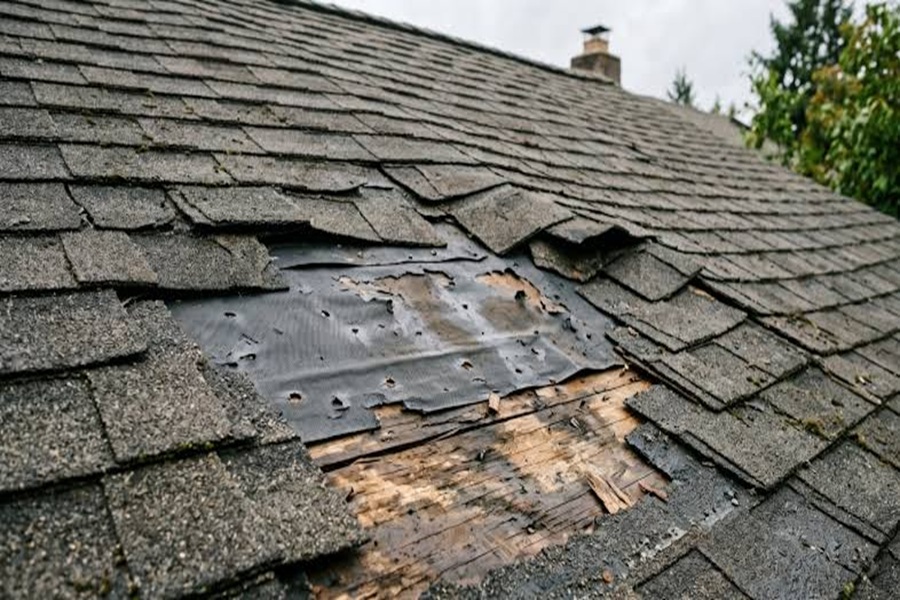
Fascia also offers protection for vulnerable parts of your roofing structure that might otherwise be exposed to weather elements. Sealing off the end points of rafters ensures that moisture, insects, and pests are kept out. When left unprotected or damaged, these areas can become entry points for rot and infestations that compromise not just the fascia itself but other key components like soffits or roof decking.
While its practical benefits are clear, fascia also has an aesthetic role—it creates clean lines that enhance curb appeal by giving roofs a finished look. Available in various materials such as wood, vinyl, aluminum, and composite options like fiber cement, homeowners can choose from products tailored to match their home’s style while meeting durability needs.
However functional it may be, fascia is not without vulnerabilities. Weather exposure over time can cause issues like peeling paint on wooden boards or rust on metal ones. In areas with frequent heavy rainfall or ice dams during winter months, water buildup can strain even well-installed gutters—and by extension—the supporting fascia underneath them.
Proper maintenance is essential for preserving both the functionality and appearance of fascia boards over time. Cleaning out gutters regularly prevents debris from clogging drainage pathways and minimizes excessive weight on the fascia itself. Painting wood fascia with weatherproof coatings protects against moisture damage while enhancing its longevity. If you notice signs such as cracking paint layers or sagging gutters attached directly to rotting wood—a professional inspection should be scheduled promptly to address underlying issues before further damage occurs.
By understanding how vital this simple component is for safeguarding your home’s structure from the elements while boosting its visual appeal simultaneously—homeowners gain not just peace-of-mind but also long-term cost savings through preventative care efforts aimed at prolonging their roofing system’s lifespan altogether.
How Exterior Trim Enhances Appearance and Durability
Exterior trim plays a critical role in both the functionality and aesthetic appeal of your home. These trim elements, which are often seen bordering windows, doors, and along rooflines, might seem like purely decorative features at first glance. However, they serve as far more than just ornamental additions to your house. The proper use and maintenance of exterior trim can elevate your home’s curb appeal while providing essential protection against the elements.
Aesthetic Value: Elevating Your Home’s Visual Appeal
From a design standpoint, exterior trim acts as a frame that defines and highlights key architectural components of your property. It adds clean lines and visual structure to the home’s façade, making it look polished and cohesive. Trim can also be used creatively to emphasize specific styles—whether you’re aiming for a classic colonial look with bold white borders or a modern aesthetic with sleek, minimalist edges.
Painted or stained trims allow homeowners to customize the color palette of their house further. Contrasting colors between siding and trim can create dramatic visual interest, while subtle matching tones offer understated elegance. No matter what finish you choose, well-maintained trim ensures that your home looks its best from every angle.
Durability: Protecting Your Home from Wear and Tear
Beyond its visual impact, exterior trim is an unsung hero in shielding vulnerable parts of your home from external damage. It covers joints where materials meet—such as where siding meets windows or where roof edges sit exposed—preventing water infiltration and minimizing the risk of rot or mold development.
High-quality materials used for modern trims often come treated to resist moisture damage, UV rays from sunlight, and even pest infestations like termites. Some popular options include wood (treated for durability), vinyl (which requires minimal upkeep), aluminum (known for its strength), or composite materials designed to withstand harsh weather conditions without warping.
Installation Matters: Ensuring Longevity
Improperly installed exterior trim can quickly become more of a liability than an asset. Gaps that aren’t sealed correctly may let in water during heavy rains or snowmelt cycles. Over time, this moisture infiltration could compromise the integrity of not only the trim itself but also adjacent roofing components like soffits or fascia boards.
When hiring contractors or working on DIY projects involving exterior trim installation or replacement, it’s critical to ensure all joints are securely fastened and caulked where needed. Additionally, regular inspections post-installation can help identify early signs of wear before they evolve into significant issues.
Routine Maintenance: Preserving Form and Function
- Clean it periodically using mild soap solutions to remove dirt buildup.
- Repaint peeling sections promptly if using wood-based trims.
- Check caulking around window frames annually to ensure no gaps have developed.
- Inspect for signs like splitting wood or chipped vinyl that may indicate deeper structural problems.
By giving your exterior trims consistent care alongside other roofing components such as soffits and fascia boards, you’re ensuring that both appearance and functionality remain intact for years to come.
Properly integrating durable yet stylish trims into your roofing system not only transforms how others perceive your property but also provides long-term protection against environmental damage. This balance between form and function exemplifies why every homeowner should give their home’s exterior trim proper attention during routine maintenance planning.
Signs of Damage Homeowners Should Watch For
Identifying signs of damage in soffit, fascia, and trim is crucial for maintaining a healthy and durable roofing system. While these components might seem secondary compared to shingles or gutters, when they are compromised, they can lead to more significant problems that impact your roof, attic, and home overall. Being proactive about spotting early signs of wear or damage can save you from costly repairs down the line.
Soffit Damage
Common signs that your soffits may require attention include peeling paint, cracks, or visible holes. These issues often result from moisture buildup due to poor ventilation or water infiltration during storms. Another telltale sign is pest activity—birds, bees, or rodents gaining access through damaged soffits. If you notice an increase in pests inside your attic or around your roofline, it’s worth inspecting the soffits for entry points.
Mold or mildew is another red flag that often appears on soffits when water has seeped into the material over time. This not only compromises the structural integrity but also affects indoor air quality if left unaddressed.
Fascia Issues
One common sign of damage is warped wood caused by long-term exposure to moisture. This can happen if gutters overflow or if shingles above are not properly sealed against rain.
Rotting wood is another major concern with wooden fascia boards. You may notice discoloration, soft spots, or even sections pulling away from the edges of the roofline—a clear indication that replacement may be necessary.
For homes with vinyl fascia coverings, cracks and warping are more likely than rot but should still be addressed promptly to maintain protection against leaks and pests.
Trim Warning Signs
Trim serves both functional and aesthetic purposes for your home’s exterior by sealing gaps around windows, doors, and other architectural details near the roofline. Cracked caulking along trims could introduce gaps where water might penetrate over time. Additionally, faded or chipped paint on wooden trim isn’t just cosmetic—it leaves the underlying material vulnerable to moisture damage.
If you have vinyl trim installed around your roofing system’s edges, look out for buckling under extreme heat conditions during summer months; this could indicate improper installation or aging materials.
Why Prompt Repairs Matter
Ignoring these warning signs can have cascading effects on other parts of your home’s structure.
- Damaged soffits reduce attic ventilation efficiency, leading to excess heat buildup in summer and potential ice dam formation during winter.
- Cracked fascia can allow gutter systems to sag under pressure from rainfall or snow accumulation.
- Faulty trims might allow drafts into interior spaces while increasing energy bills due to poor insulation performance.
By addressing these issues as soon as they’re identified—either through DIY fixes where feasible or professional repairs—you’ll ensure a longer lifespan for all components involved while preventing larger problems such as structural rot or water leaks inside walls and ceilings.
Regular inspections are key here: after heavy storms when wind-driven rain challenges every seam in your exterior materials; seasonally as part of routine maintenance; especially before winter arrives for homes located in colder climates where freeze-thaw cycles add stress on vulnerable areas like rooflines.andfunction alike over time efficiently without surprise costs appearing suddenly later unexpectedly either!
Maintenance Tips to Extend the Life of Your Roofing System
Proper maintenance of soffit, fascia, and trim is key to ensuring the longevity and performance of your home’s roofing system. These often-overlooked components don’t just contribute to the aesthetic appeal of your home but also play vital functional roles in protecting structural integrity. By incorporating a few best practices into your home care routine, you can prevent costly repairs and extend the lifespan of these roofing elements.
Clean Gutters Regularly
Clogged gutters are one of the most common causes of damage to fascia boards. When debris such as leaves and twigs accumulates in your gutters, water can back up, leading to rot or warping in the fascia. Make it a habit to clean out your gutters at least twice a year – more frequently if you have overhanging trees – to keep water flowing away from your roofline.
Inspect for Signs of Wear
Routine inspections are crucial for catching small issues before they escalate into bigger problems. Look for peeling paint, cracks, discoloration, or signs of moisture damage on soffit and fascia boards. Similarly, check for warping or deterioration in exterior trim that may result from prolonged exposure to weather conditions.
Repaint or Reseal When Needed
Over time, the paint or protective coating on soffit and fascia boards can wear away, leaving them vulnerable to moisture infiltration. Repainting or resealing these components not only enhances their appearance but also provides an additional layer of protection against rain, snow, and other environmental factors. Opt for high-quality weather-resistant paints that are specifically designed for exterior use.
Keep Ventilation Clear
Soffits often include vents that allow airflow into the attic space, crucial for maintaining proper temperature regulation and preventing mold growth. Ensure these vents remain free from obstructions like nests or debris. Periodically check vent openings during seasonal clean-ups to make sure airflow is unimpeded.
Trim Back Overhanging Branches
Trees growing close to your home can pose a threat to both soffit and fascia boards as branches scrape against surfaces during high winds or storms. Overhanging limbs also contribute excess debris that clogs gutters faster than usual. Trim back branches regularly so they maintain a safe distance from the roofline while still preserving shade benefits.
Address Damage Promptly
If you notice any signs of damage such as splintering wood or sagging sections in your soffit, fascia, or trim, address them promptly with professional repair services if needed. Ignoring minor issues may lead to widespread damage over time, including water intrusion into other parts of your roofing system.
Schedule Professional Inspections
While DIY maintenance is invaluable, scheduling annual professional roof inspections ensures thorough evaluations across every component—soffits, fascia boards included—that might otherwise go unnoticed by the untrained eye. Roofing professionals bring expertise in spotting underlying problems early on before they evolve into significant issues.
By adopting these proactive maintenance habits and addressing potential concerns early on, homeowners can safeguard their investment while keeping their roofline components functioning optimally for years ahead.