Subtle Shifts in Roof Tiles
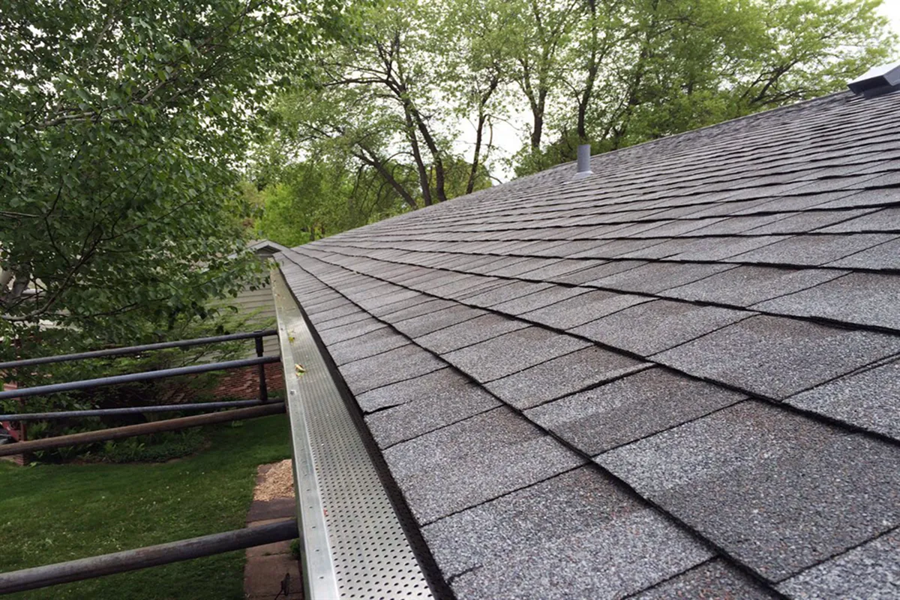
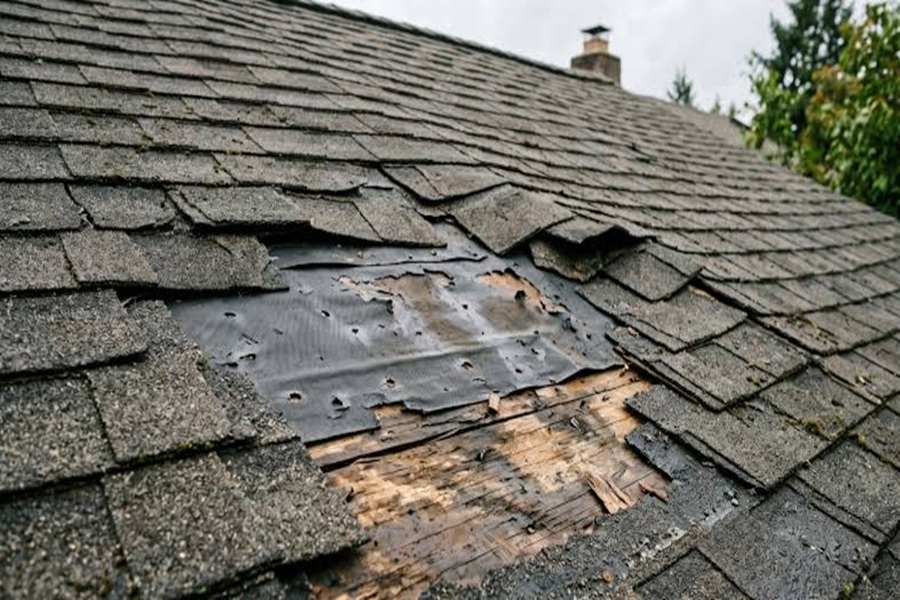
Storm damage to roofs can sometimes be glaring, such as broken or missing tiles. However, one of the most overlooked signs is subtle shifts in roof tiles. These changes may seem minor but could signal underlying structural damage or early wear caused by strong winds, heavy rain, or hail. Homeowners often miss these slight displacements because they don’t typically climb onto their roofs for close inspections.
Why Subtle Tile Shifts Matter
- Water Intrusion: Moisture entering through tilted or misaligned tiles may result in damaged underlayment and mold growth.
- Weakened Roof Integrity: Even slight displacement compromises the roof’s ability to handle future storms.
- Increased Energy Costs: Misaligned tiles might reduce the roof’s efficiency in insulating your home properly, leading to heat loss in winter and overheating during summer.
Causes of Subtle Shifting
Subtle shifts often occur due to: – High Winds: Strong gusts lift tiles from their original positions. – Hail Impact: Small impacts can dislodge individual sections without breaking them. – Aging Materials: Older roofs with weathered fasteners see more displacement after storms.
How Homeowners Can Detect Subtle Shifts
- Look for uneven rows or irregular spacing between tiles.
- Check areas around chimneys, vents, and dormers where damage is more likely.
- From a safe distance, inspect for any noticeable displacement at the edges or peak of your roof.
- Professionals use specialized tools and techniques to assess alignment issues that may not be visible from ground level.
Preventive Steps
- Replace any loose nails or fasteners causing instability.
- Ensure shifted tiles are placed back into their correct positions without creating stress on adjoining materials.
- Schedule periodic inspections after major storms.
Issue Detected | Possible Solution |
Minor Tile Misalignment | Hand reset by skilled roofing contractors |
Worn Fasteners | Replace with rust-resistant alternatives |
Gaps Between Tiles | Install appropriate sealants or fillers |
Ignoring shifted tiles may seem harmless at first glance but can lead to costly repairs over time if left unchecked. Prioritizing regular inspections ensures your roof remains durable against future storms while keeping your home protected and energy-efficient year-round.
Early Erosion of Tile Surfaces
When severe storms strike, they often bring relentless rain, hail, and high winds that can wear down the protective layers of your roof tiles. While this erosion may not be immediately visible to an untrained eye, it poses long-term risks by compromising the structural integrity and longevity of your roof. Homeowners should pay careful attention to this often-overlooked form of damage.
Causes of Early Tile Erosion
Several factors contribute to premature erosion on roof tiles following a storm: – Hail Impact: The repeated battering from hail can strip away surface granules or coatings, especially on older tiles. – Heavy Rain: Prolonged exposure to intense rainfall can wash away fine-textured finishes or protective sealants. – Windborne Debris: Flying branches and other debris may scrape against tile surfaces, creating scratches or microfractures that accelerate wear.
Identifying Signs of Tile Erosion
Spotting erosion-related issues requires a close inspection. Look for: – Bare Patches: Areas where protective granules or finishes have been worn away. – Discoloration: Faded or uneven coloring across tiles indicates weathering. – Rough or Textured Surfaces: Over time, eroded tiles develop a coarse texture due to the loss of their original smoothness.
Compare the affected area with parts of the roof less exposed to direct wind and rain for a clearer assessment.
Risks Associated with Tile Erosion
Ignoring early signs of surface erosion can lead to: 1. Water Intrusion: As sealants degrade and tile surfaces weaken, water is more likely to seep through cracks. 2. Reduced Energy Efficiency: Damaged roofing materials may lose their insulating properties, increasing heating and cooling costs. 3. Shortened Roof Lifespan: Tiles suffering from erosion are more prone to breaking under pressure from future weather events.
Risk | Consequence |
Water damage | Leaks causing interior mold growth and structural weakening |
Energy inefficiency | Higher utility bills due to inadequate insulation |
Premature failure | Need for costly repairs or earlier-than-expected replacement |
Practical Steps for Prevention and Maintenance
Proactive maintenance is key in preventing early tile erosion: – Perform Regular Inspections: After every major storm, examine your roof closely or hire a professional for a detailed evaluation. – Apply Protective Coatings: Use sealants designed for your specific roofing material to enhance durability against harsh elements. – Clean Gutters Frequently: Clogged gutters can cause water overflow onto roof edges, exacerbating wear on nearby tiles.
For homeowners in regions prone to frequent storms, investing in impact-resistant tiles might also prove beneficial. These materials are designed specifically to withstand hail damage and reduce the likelihood of surface erosion over time.
By addressing signs of early tile erosion promptly and taking preventive measures where possible, you’ll extend your roof’s lifespan while safeguarding your home from costly water damage down the line.
Damage to Flashing Around Vulnerable Areas
Flashing plays a crucial role in protecting your home’s roof by creating a watertight barrier around vulnerable areas such as chimneys, valleys, skylights, and vents. However, storm damage can compromise its effectiveness in ways that are not always immediately noticeable. Homeowners often overlook flashing issues because the damage tends to be subtle or concealed. Identifying and addressing flashing problems early can prevent costly water damage down the line.
What is Roof Flashing and Why Is It Important?
- Chimneys: To divert water away from where the chimney meets the roof surface.
- Skylights: To seal gaps between skylights and surrounding roofing material.
- Vents/Pipes: To create a waterproof seal around protrusions.
- Valleys: Where two slopes of the roof meet and channel rainwater.
Damaged or improperly sealed flashing is one of the leading causes of leaks after storms because these areas are already prone to higher moisture exposure.
Signs Your Flashing May Be Damaged
- Corrosion or Rust: Metal flashing can develop rust spots after prolonged exposure to heavy rain or hailstorms, weakening its integrity.
- Loose or Bent Pieces: High winds may loosen or displace sections of flashing, leaving gaps for water infiltration.
- Cracks: Hail impact can cause fractures in metal flashing, making it more prone to leaks.
- Sealant Failures: Storms can erode caulking around flashing edges over time.
- Pooling Water Near Flashing Areas: This could indicate improper installation or sagging surfaces that compromise drainage.
Practical Steps for Homeowners
- Perform a Visual Inspection After Storms: Use binoculars from ground level or safely access your roof (if trained) to check for obvious signs of wear around chimneys, vents, valleys, etc. Be cautious not to disturb loose shingles while inspecting.
- Call a Professional Roofing Contractor: If you notice any signs of wear but aren’t sure about the severity, hire an experienced roofer for an assessment rather than attempting repairs yourself.
- Consider Upgrading Materials: When replacing damaged flashing during repairs, opt for more durable materials like copper instead of aluminum if budget allows.
- Maintain Regular Roof Checkups: Schedule annual inspections so potential weaknesses are caught before they escalate during extreme weather conditions.
Area | Common Problems | Suggested Action |
Chimneys | Loose/missing counterflashing | Replace with proper fitting material |
Skylights | Cracked seals | Reapply weatherproof caulking |
Valleys | Gaps due to displaced pieces | Refasten securely |
Vent Pipes | Corroded metal collars | Replace with corrosion-resistant options |
Why This Matters
Small issues with roof flashing often go unnoticed until they lead to bigger problems like interior leaks or structural decay caused by constant moisture exposure. By being proactive about inspecting and repairing these vulnerable components—especially after severe storms—you safeguard not only your house but also avoid unnecessary expenses later on.
A warm professional reminder: Partnering with trusted professionals ensures lasting repair quality while giving you peace of mind knowing your home’s first line of defense against weather remains strong and secure.
Damage to Flashing Around Vulnerable Areas
Flashing is one of the most critical components of a roofing system, designed to protect vulnerable areas where the roof meets vertical surfaces such as chimneys, vents, skylights, or dormers. However, after a storm, this essential material can sustain damage that may go unnoticed by homeowners. Identifying and addressing flashing issues promptly can prevent water intrusion and more extensive structural problems.
Common Signs of Flashing Damage
- Cracks or Tears in the Material: High winds can cause flashing to tear or crack over time, leaving gaps for moisture to enter.
- Rust or Corrosion: Prolonged exposure to rain may lead to rust on metal flashing, weakening its protective function.
- Loose or Missing Sections: Strong winds might dislodge sections of the flashing entirely.
- Visible Gaps Around Seals: If the sealant around the edges has worn away or cracked after a storm, water can seep in through these gaps.
Why Flashing Damage is Often Overlooked
- Flashing is located in less visible areas (e.g., behind chimneys or under shingles), making it harder for non-professionals to inspect.
- Minor damage may take time before causing noticeable leaks or other symptoms inside the home.
Potential Consequences of Ignoring Flashing Issues
Issue | Long-Term Impact |
Water Intrusion | Leads to mold growth, wood rot, and insulation damage. |
Compromised Structural Integrity | Over time, water can weaken supporting structures. |
Increased Repair Costs | Small fixes will escalate into costly repairs if ignored. |
How Homeowners Can Address Flashing Problems
- After any significant weather event, visually inspect areas such as chimneys and skylights for visible signs of wear.
- If climbing onto the roof isn’t safe or feasible for you, use binoculars from ground level.
- A roofing expert can conduct a thorough inspection and address problems before they worsen.
- Professionals can also replace missing sections with long-lasting materials like aluminum or copper.
- Ensure that caulking and sealants around flashings are intact by reapplying them periodically.
- Reinforce vulnerable areas with specialized waterproof membranes during regular maintenance.
- Keep records of inspections and repairs in case you need evidence for an insurance claim following future storms.
By taking proactive steps to address flashing damage around vulnerable areas early on, homeowners not only safeguard their property but also minimize long-term repair costs associated with storm-related wear and tear on their roofs.
Slight Sagging or Uneven Roof Lines
One of the most easily overlooked signs of storm damage is subtle sagging or uneven roof lines. While these changes might appear minor at first, they often indicate a more serious underlying problem with the structural integrity of the roof. Homeowners may not always spot these changes immediately, as they can develop gradually over time after a severe storm. However, addressing these issues promptly can prevent more extensive damage and costly repairs.
Causes of Roof Sagging or Uneven Lines
Storm damage can lead to sagging or warping in roof lines due to:
– Water intrusion: Prolonged exposure to moisture from heavy rain, pooling water, or melting snow can weaken wooden supports and rafters.
– Wind pressure: High winds during storms can compromise the structural frame of a roof by shifting beams or dislodging fasteners that keep materials firmly in place.
– Snow and ice accumulation: Excess weight from snow or ice buildup following a storm can cause stress on certain parts of the roof structure, leading to dips or uneven sections over time.
– Hidden leaks: Small leaks that go undetected under shingles may result in rotted wood decking beneath the surface, causing areas to sink slightly.
How to Spot Sagging Roof Lines
Sagging isn’t always dramatic; sometimes it’s subtle enough that it’s only noticed when viewed from specific angles. Here are tips for identifying potential issues:
1. Stand back far enough from your home to get an unobstructed view of the entire roofline. Look for any dips, warps, or areas that appear asymmetrical compared to the rest of the structure. 2. Use binoculars if necessary for closer inspection without climbing onto the roof. 3. Pay attention inside your home too—ceiling cracks, bowing drywall near ceilings, or creaky attic floors may suggest poor roof support. 4. If possible (and safe), check your attic for visible sagging along rafters and beams.
Why It’s Critical to Address This Issue Quickly
Failing to address minor sagging early on can lead to significant consequences:
– Further weakening of structural components like beams and joists over time. – Increased likelihood of water pooling in areas where sagging causes low points on the roof surface. – Higher repair costs if additional damage occurs due to delayed maintenance.
Potential Risks | Long-Term Consequences |
Water pooling | Accelerated rot and mold growth |
Compromised framing | Increased risk of collapse during future storms |
Poor insulation | Higher energy bills due to air leakage |
Preventative Measures
Once you’ve identified sagging areas (or even if you suspect there might be hidden issues), take action promptly:
– Schedule a professional roofing inspection after any major storm event. – Reinforce weak points with additional support brackets as recommended by experts. – Remove excess snow immediately following winter storms using safe tools designed for roofs.
Being proactive about even slight shifts in your roof’s structure ensures that small problems don’t escalate into larger ones requiring extensive repairs down the road.
Small Interior Changes That Indicate a Roofing Issue
When assessing storm damage, many homeowners focus on exterior signs such as broken shingles or cracked siding, but subtle interior changes often signal underlying roofing issues. These signs are frequently overlooked because they may not immediately seem connected to the roof. However, catching these indicators early can prevent costly repairs down the road.
Common Interior Signs of Storm Damage
- Discolored patches, brown rings, or streaks on ceilings and upper walls are often a result of roof leaks.
- Even small stains should be inspected promptly, as they might indicate ongoing water intrusion.
- Bubbling, cracking, or peeling paint and wallpaper can be a sign of moisture infiltration from above.
- Excess humidity caused by leaks can also exacerbate these issues over time.
- A sudden draft in rooms near the attic could point to gaps in your roof caused by storm damage.
- Compromised insulation due to water exposure might also contribute to temperature fluctuations.
- A persistent damp smell could indicate mold growth caused by hidden water leaks in areas such as attics or walls.
- Mold thrives in dark spaces with high moisture content—an environment commonly created by unnoticed roofing issues after storms.
Inspecting Your Attic for Additional Clues
- Wet Insulation: Check for damp spots on insulation material, as wet insulation loses its effectiveness and indicates potential leaks.
- Daylight Through Rafters: If sunlight is visible through the roof boards during the day, there may be missing tiles or punctures caused by wind-driven debris.
- Sagging Wooden Beams: Moisture can weaken wooden elements in your attic structure over time, leading to sagging beams that require immediate attention.
Interior Issue | Possible Cause | Recommended Action |
Water stains | Roof leak at specific point | Inspect roof and patch affected area |
Peeling paint/wallpaper | Moisture trapped behind surface | Identify leak source and repair promptly |
Musty odors | Hidden mold due to moisture | Address leak and consult a mold expert |
Why These Signs Shouldn’t Be Ignored
- Water intrusion can weaken structural components like beams and joists.
- Mold growth poses health risks for residents while increasing cleanup costs.
- Prolonged exposure to moisture accelerates deterioration of building materials.
By paying attention to these small yet significant interior changes, homeowners can stay ahead of major roofing problems that arise after storms. If you notice any of these signs, consider reaching out to a roofing professional for further assessment before minor issues become extensive repairs.
Addressing Storm Damage Before It Worsens
Proactively addressing storm damage is critical for homeowners, as delaying repairs can lead to more extensive and costly problems. While some damage may seem minor or even go unnoticed initially, it’s important to take prompt action to prevent further deterioration of your home. Ignoring storm-related issues can weaken the structure of your property over time, increase safety risks, and potentially result in higher repair costs in the future.
Why Acting Quickly Matters
- Preventing Water Intrusion: Even small cracks or gaps in your roof or walls caused by storms can allow moisture inside. Over time, this can lead to mold growth, wood rot, and structural instability.
- Avoiding Escalating Costs: Repairing minor damage early is far less expensive than dealing with major issues such as foundational weakening or significant roofing replacements.
- Maintaining Energy Efficiency: Damage from storms can disrupt insulation or create drafts, leading to higher energy bills as your heating and cooling systems work harder to compensate for temperature changes.
- Preserving Home Value: Neglected storm damage lowers property value and may deter potential buyers if you decide to sell your home in the future.
Steps for Identifying Damage Early
- Conduct Visual Inspections Post-Storm: Walk around your property after a storm has passed. Look for missing shingles, debris on the roof, damaged flashing, or broken gutters that could indicate underlying problems.
- Check Interior Spaces: Pay attention to unusual stains on ceilings, walls bubbling with moisture, or drafts near windows—these subtle signs often point to external damage.
- Hire a Professional Assessment: Some forms of damage aren’t easily visible without a trained eye. Scheduling an inspection with a roofing contractor or structural expert is particularly important if you suspect hidden issues like underlay damage or slight sagging.
Preventative Measures for Future Storm Protection
While addressing existing problems is crucial, preparing your home for future storms reduces risks even further.
Preventative Measure | Benefit |
Reinforce roofing materials | Improves resistance to high winds & debris |
Install storm shutters | Reduces window breakage during hurricanes |
Maintain gutters | Ensures proper drainage & prevents water pooling |
Proactive care means fewer surprises when severe weather strikes again.
When Professional Repairs Are Necessary
If you’ve identified areas needing attention after a storm but are unsure how serious the problem might be, consult professionals who specialize in storm restoration work. Contractors experienced in this field can help evaluate whether immediate repairs are necessary and provide cost-effective solutions tailored specifically for your home’s needs.
Addressing small-scale damage promptly not only saves money but also gives homeowners peace of mind knowing their investments are protected long-term against unpredictable weather conditions.