How Salt Air Causes Metal Roof Corrosion
Salt air is a persistent challenge, particularly for structures located near coastal areas. The process by which salt air causes metal roof corrosion is rooted in the interaction between moisture, salt particles, and the metal surface. Coastal environments have high humidity levels combined with airborne salt particles from seawater. When these salty particles settle on a metal roof, they create an environment where corrosion can thrive.
Salt itself is hygroscopic, meaning it attracts and retains water. Even in seemingly dry conditions, salt deposits can draw moisture from the air. This combination of retained moisture and chloride ions from the salt accelerates two key processes: oxidation and electrochemical reactions on the surface of a metal roof. Over time, this continual exposure breaks down protective coatings or finishes on the metal and initiates rusting.
Additionally, wind-driven spray from seawater can directly deposit salt onto roofs. Whether it’s through mist carried inland or storms that bring large amounts of salty water to structures further from the shoreline, no location near the coast is entirely immune to this effect.
Another aspect of coastal corrosion involves crevice corrosion. On a metal roof, areas where two panels meet or where fasteners are installed may hold onto small amounts of salty water longer than flat surfaces. These localized spots often experience more rapid degradation because they remain damp longer and are harder to clean.
Certain factors exacerbate this problem further: prevailing winds carrying more sea spray inland; temperature variations that cause condensation; or even local vegetation that traps saline moisture closer to building materials.
Protecting against this natural but destructive process starts with understanding its causes and taking proactive measures during installation and ongoing maintenance. By choosing appropriate materials designed to withstand corrosive environments and implementing regular care routines, property owners can significantly slow down—or even prevent—the long-term effects of salt air on their roofs.
How Salt Air Causes Metal Roof Corrosion
Salt air is a pervasive challenge for metal roofs, particularly in coastal areas where the concentration of salt particles in the atmosphere is significantly higher due to ocean spray and strong winds. Salt-laden air accelerates the process of corrosion, a chemical reaction that gradually deteriorates metals by forming oxides or other compounds on their surface. Understanding how this process occurs can help property owners take proactive measures to protect their investment.
At its core, salt air corrosion begins when moisture in the environment interacts with salt particles from seawater. Sodium chloride (the primary component of salt) dissolves into water, creating an electrolyte solution. This solution acts as a catalyst for electrochemical reactions on the surface of metal roofing materials. When oxygen and water combine with this electrolyte layer, it promotes oxidation—the technical term for rusting in ferrous metals like steel—or other forms of degradation, such as pitting in aluminum or zinc surfaces.
The problem is magnified by coastal conditions that include high humidity levels and frequent rains, which keep roofs damp and increase exposure to corrosive elements. Additionally, windborne salt particles often settle on rooftops, creating a constant layer of salt residue that continues to attract moisture even during dry periods. This cyclical wet-dry pattern accelerates corrosion over time because it allows repeated cycles of oxidation and deterioration.
While some metals are naturally more resistant to corrosion than others due to their chemical composition or protective coatings, no material is completely immune without proper maintenance or additional safeguards. For example, uncoated steel roofs are highly susceptible to rusting in salty environments unless they’re treated with anti-corrosion coatings or paints designed specifically for marine climates.
Another factor contributing to faster degradation in salty environments is crevice corrosion—a localized form of damage that occurs when saltwater becomes trapped in small gaps between overlapping roofing panels or around fasteners. These hard-to-reach spaces make it difficult for rainwater alone to wash away the corrosive deposits effectively.
Ultimately, the interaction between salt air and metal roofing materials underscores the importance of preventative measures such as choosing highly durable materials, applying protective coatings regularly, and maintaining a consistent cleaning routine tailored to coastal environments. By addressing these factors early on, homeowners can mitigate risks associated with metal roof corrosion caused by exposure to salty conditions near coastal areas.
Which Metal Roofing Materials Resist Corrosion Best
Selecting the right metal roofing material is a critical decision, especially for homes and buildings located in coastal regions where salt air exposure significantly increases the risk of corrosion. The type of metal used can make all the difference when it comes to durability, longevity, and maintaining aesthetic appeal. Some metals naturally resist corrosion better than others due to their composition and how they interact with environmental factors like salt-laden air, humidity, and precipitation.
Aluminum: A Lightweight and Corrosion-Resistant Option
Aluminum is widely regarded as one of the best materials for metal roofing in coastal environments. Its natural resistance to rust makes it particularly effective in standing up to salt air exposure. When aluminum comes into contact with oxygen, it forms a thin but durable oxide layer that protects the underlying metal from further damage. This self-healing property ensures long-term durability even in challenging environments.
Aluminum roofs are also lightweight, which minimizes structural stress on buildings. However, while aluminum offers excellent corrosion resistance, it is softer than other metals and may dent or sustain damage during heavy storms or hail.
Galvanized Steel: Cost-Effective with Added Protection
Galvanized steel is another popular choice for its affordability and reliable protection against corrosion. This material is made by coating steel with a layer of zinc, which acts as a barrier against moisture and corrosive elements like salt deposits. The zinc coating sacrifices itself slowly over time to protect the steel underneath.
While galvanized steel performs well in many environments, its effectiveness can diminish if scratches or damage compromise the protective zinc layer. In highly corrosive coastal climates, regular maintenance may be required to ensure lasting performance.
Galvalume Steel: A Strong Combination of Zinc and Aluminum
A step up from galvanized steel is galvalume—a blend of zinc, aluminum, and silicon that provides superior protection against corrosion. This material combines the best qualities of both zinc’s sacrificial properties and aluminum’s natural rust resistance.
Galvalume roofing is ideal for salty air conditions because its hybrid coating resists deterioration even when exposed to harsh elements over extended periods. It also tends to last longer than traditional galvanized steel while maintaining a sleek appearance.
Stainless Steel: Premium Durability at a Cost
For those seeking top-tier performance against corrosion, stainless steel offers unmatched durability but comes at a higher cost. Stainless steel contains chromium as part of its alloy composition, which creates an invisible protective layer on the surface. This chromium oxide film significantly reduces vulnerability to rust caused by salt air exposure.
Stainless steel roofs are not only resistant to corrosion but are also fireproof and highly durable under extreme weather conditions. However, due to their premium price point compared to other options like aluminum or galvalume steel, stainless steel roofs may not be practical for every budget.
Copper: Timeless Beauty with Natural Patina
Copper roofing stands out for its distinct aesthetic appeal as well as its natural ability to resist corrosion over time. Rather than rusting or deteriorating in salty environments, copper develops a greenish patina through oxidation that serves as an additional protective layer.
While copper roofs are long-lasting—often enduring for decades—they come with significant upfront costs that may make them less accessible compared to other materials on this list. Additionally, their softness makes them more prone to physical damage during severe weather events.
Titanium-Zinc Alloys: Eco-Friendly Resilience
Titanium-zinc alloys offer an eco-friendly alternative that resists corrosion effectively in saline conditions. These alloys age gracefully by forming a protective patina similar to copper but without requiring extensive maintenance or high investment costs typically associated with premium materials like stainless steel or pure copper.
This material is recyclable and performs well under temperature fluctuations common along coastlines; however, it may require expert installation due to specific handling needs during construction.
By carefully weighing these options based on factors such as budget constraints, environmental challenges in your area (such as high humidity or frequent storms), and aesthetic preferences, you can choose a roofing material optimized for both performance and longevity in coastal climates vulnerable to salt air exposure.
How to Protect Your Roof From Coastal Weather
Living in a coastal region comes with the undeniable beauty of seaside views and the soothing sounds of waves, but it also brings unique challenges for homeowners, particularly those with metal roofs. The high salt content in the air near coastlines accelerates corrosion, which can compromise the integrity and lifespan of your roof. Adequate protection measures are essential to ensure your roof remains durable, functional, and aesthetically pleasing despite the harsh marine environment.
Choosing a Corrosion-Resistant Coating
One of the most effective ways to protect a metal roof from coastal weather is by applying specialized coatings designed to resist salt-induced corrosion. These coatings act as a protective barrier between the metal surface and the environment. Galvanized coatings, which utilize zinc for added protection, or modern polymer-based coatings like polyvinylidene fluoride (PVDF), are particularly effective. These layers not only block moisture but also reduce exposure to airborne salts.
For homeowners seeking an environmentally friendly option, low-VOC (volatile organic compound) coatings can be considered. These coatings provide similar levels of protection while minimizing environmental impact.
Proper Installation Practices
The way your metal roof is installed plays a pivotal role in determining its resistance to coastal weather challenges. Ensure that all fasteners, screws, and seams are sealed tightly with high-quality materials specifically designed for salty environments. Stainless steel fasteners or other non-corrosive materials should be used wherever possible to avoid weak points where rust could develop.
Additionally, pay attention to overlaps in panels. Poorly aligned or loosely fitting panels can trap moisture and salt particles, creating an ideal breeding ground for corrosion over time.
Design Considerations for Coastal Durability
The design of your roof can influence its ability to withstand salty air exposure effectively. Steeper pitches allow rainwater or condensation to drain away quickly instead of pooling on surfaces where it could accelerate rust formation. Overhangs can further protect vulnerable areas by preventing direct contact between salty water spray and critical components like gutters and walls.
Consider adding protective eaves or drip edges as additional features that direct water away from key areas susceptible to corrosion.
Strategic Placement of Landscaping Around Your Home
While less obvious than other measures, landscaping choices significantly impact how exposed your home is to salty winds. Planting trees or shrubs as windbreaks around your property can help reduce direct exposure by acting as natural barriers against salt-laden air currents.
Ensure that landscaping efforts don’t obstruct water drainage systems on your property. Properly functioning gutters and downspouts are crucial in directing rainwater away from both roofing material and foundations effectively.
Routine Inspections After Severe Weather
Coastal regions often experience storms that bring heavy rain combined with strong winds carrying debris and salts from the ocean—conditions particularly tough on a metal roof’s integrity if left unchecked post-storm damage inspection becomes paramount when ensuring long-term resilience of repairs minor issues spotted early spare costly measures replacing entire affected areas entirety later stages themselves.”
When Corrosion Requires Professional Roof Repairs
While regular maintenance and preventive measures can go a long way in preserving the integrity of a metal roof, there are instances when corrosion has already set in to such an extent that professional intervention becomes necessary. Understanding when it’s time to call in an expert is crucial to ensure the safety, durability, and functionality of your roof. Attempting DIY repairs on advanced corrosion or structural damage can often exacerbate the issue, leading to more costly fixes down the road.
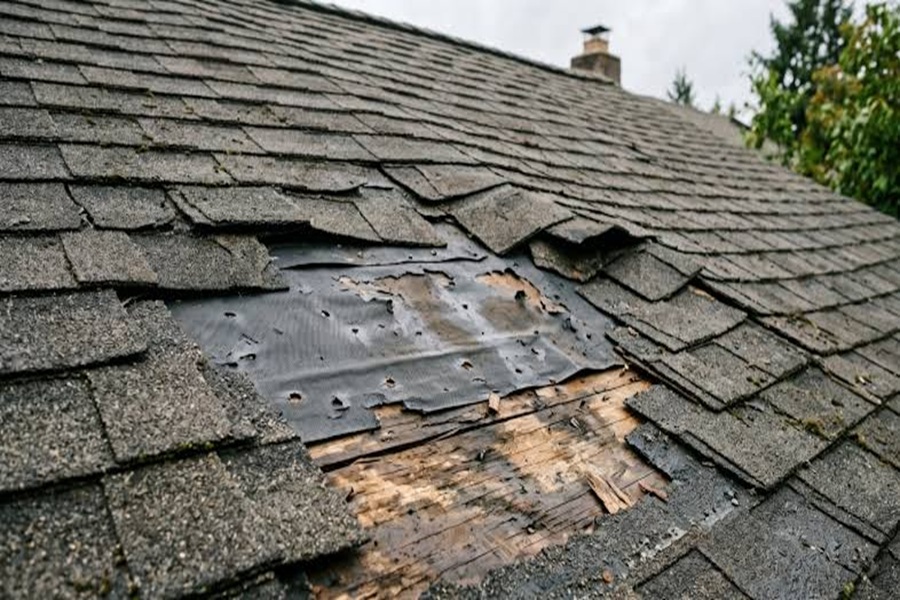
When assessing whether your roof requires professional attention, one of the key indicators is extensive rusting or pitting that compromises the structural integrity of the metal panels. This type of damage often occurs when salt-laden moisture has infiltrated protective coatings and eaten away at the underlying metal over time. If left unchecked, this can result in leaks and even threaten the stability of your home’s structure.
Another sign that professional intervention may be needed is visible warping or buckling of roofing panels caused by rust expansion. These physical deformations not only weaken your roof but can also create gaps where water or wind-driven salt particles can enter, further accelerating corrosion. An expert roofing contractor has specialized tools and expertise to replace these damaged sections without harming adjacent areas.
Roof penetrations such as vents, chimneys, or skylights are additional hotspots for corrosion due to their edges being more susceptible to water pooling. Over time, sealants around these features may degrade in salty environments. If you notice persistent leaks around these areas despite resealing attempts, it’s best to involve a professional who can properly address both surface-level issues and underlying structural concerns.
Severe discoloration on large portions of a metal roof is another sign that warrants professional evaluation. While minor stains from algae or dirt can often be cleaned away with proper maintenance routines, widespread discoloration could indicate deeper problems like galvanic corrosion—a condition where two dissimilar metals react chemically when exposed to electrolytes like saltwater.
Professional repairs may also be required for corroded fasteners and joints. Loose screws or degraded washers are common issues on aging roofs exposed to coastal conditions. These small components play a significant role in holding your roof together and maintaining its resistance against storms or high winds. A licensed roofer will inspect these critical points thoroughly and replace any compromised parts with corrosion-resistant alternatives designed for coastal environments.
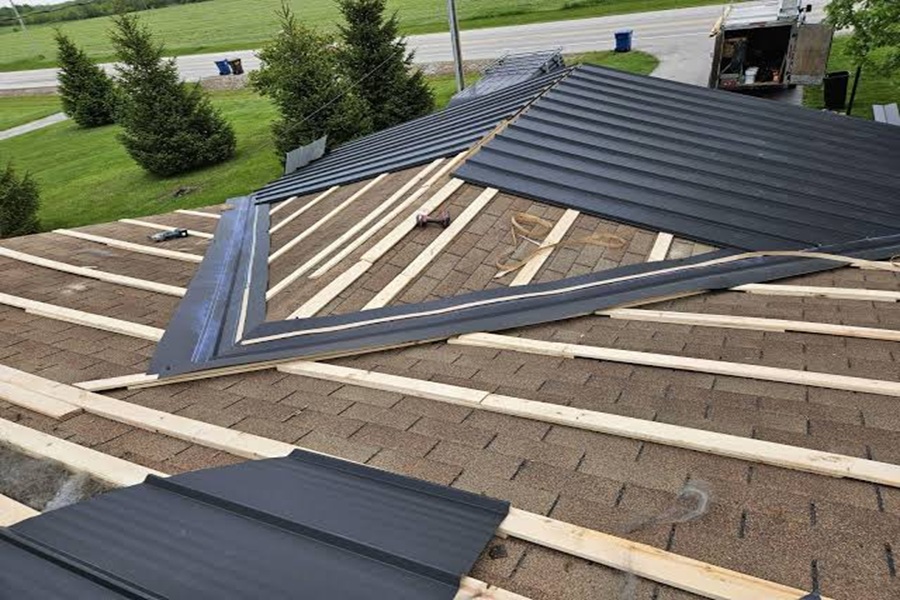
In more severe cases where entire sections have been compromised beyond repair, professionals may recommend partial re-roofing or applying advanced protective coatings as part of remediation efforts. Techniques such as sandblasting corroded areas followed by applying modern anti-corrosion treatments require precise execution—something best left in the hands of experienced technicians.
Ultimately, working with roofing professionals ensures not only effective repair but also access to long-term solutions tailored specifically for homes in coastal regions prone to salt air exposure. Their expertise allows them to assess current damage comprehensively while implementing strategies that extend the lifespan of your metal roof under challenging environmental conditions.
When Corrosion Requires Professional Roof Repairs
While proper maintenance and proactive steps can help mitigate salt air corrosion on metal roofs, there are times when professional intervention becomes essential. Recognizing when to seek expert help can prevent further structural damage and extend the lifespan of your roof. In this section, we’ll explore scenarios that warrant professional repairs, why specialized expertise is crucial, and how to address corrosion effectively.
When is Professional Help Necessary?
- Advanced Rusting or Structural Damage
If you notice large patches of rust eating through the metal or weakening its integrity, it’s a clear sign to call in a roofing expert. Left unaddressed, advanced corrosion can compromise the safety and functionality of your roof. - Leaking or Water Intrusion
Corrosion can lead to holes or eroded seams in the roofing material, allowing water to seep through into your home or building. Leaks may seem minor at first but can quickly lead to extensive water damage if not repaired promptly. - Loose Panels or Fasteners
Salt air can corrode fasteners and weaken their hold over time, causing panels to loosen or detach during storms. Professionals have the tools and knowledge needed to address underlying issues while ensuring secure reinstallation. - Coating Failure
Protective coatings on metal roofs provide an essential barrier against moisture and salt exposure. If you observe peeling or flaking coatings accompanied by rust spots underneath, this often signals the need for reapplication by a trained specialist.
Why Professional Expertise Matters
Repairing corrosion damage involves more than just replacing panels or applying temporary fixes—it requires a comprehensive understanding of how salt air impacts various types of metals over time. Roofing professionals are equipped with specialized techniques and materials tailored for coastal weather conditions.
- Advanced Tools: Professionals use equipment like surface grinders, pressure washers with rust inhibitors, and specialized sealants to ensure effective repairs.
- Long-Term Solutions: Experts know which treatments—like zinc-rich primers or marine-grade coatings—are best suited for halting current corrosion while preventing future damage.
- Enhanced Safety: Working on corroded metal surfaces poses risks due to weakened structures; professionals have safety protocols in place to handle these challenges without further harm.
How Professionals Address Corrosion Repairs
- First, they assess the extent of corrosion using visual inspections and moisture tests.
- Damaged areas are then cleaned thoroughly using abrasive tools to remove rust down to bare metal.
- For structural issues like weakened fasteners or eroded seams, they replace components with corrosion-resistant materials such as stainless steel screws.
- A protective coating is applied as the final step—this might include elastomeric paints fortified with anti-corrosion properties.
Investing in Regular Inspections
Even after major repairs are completed, regular inspections by professionals play a vital role in maintaining your roof’s health over time. Annual check-ups allow experts to catch early signs of new damage before they escalate into costly problems.
By knowing when professional assistance is required and partnering with experienced roofing specialists accustomed to coastal challenges, you ensure your investment remains protected against ongoing wear from salt air exposure.
How to Extend the Lifespan of a Metal Roof
A metal roof is an investment in durability, aesthetics, and long-term performance. However, when exposed to salt air in coastal environments, the lifespan of a metal roof can be compromised without proper care and preventative measures. Extending its longevity requires a combination of smart material selection, proactive maintenance, and protective actions that shield the roof from harsh environmental factors.
Start with High-Quality Materials
The foundation of a long-lasting metal roof lies in choosing the right materials. Opt for corrosion-resistant metals such as aluminum or coated steel. Aluminum is naturally rust-resistant and performs exceptionally well in saline conditions due to its non-ferrous properties. Alternatively, galvanized or galvalume-coated steel offers an extra layer of protection against rust and corrosion by using zinc or zinc-aluminum alloy coatings as barriers. Selecting high-quality finishes like Kynar 500® coatings further enhances resistance to corrosive salt air while preserving the roof’s aesthetic appeal over time.
Apply Protective Coatings
Protective coatings serve as a crucial barrier between the metal and corrosive elements such as salt-laden moisture. Regularly inspect your roofing material for signs of wear on these coatings and reapply them if necessary. Products like anti-corrosion sealants or elastomeric coatings can provide additional layers of defense while also enhancing waterproofing capabilities. These preventative measures are especially important for roofs situated directly on coastal properties where salt exposure is unrelenting.
Routine Cleaning Is Key
Salt deposits that accumulate on the surface of your metal roof can accelerate corrosion over time if left unattended. Regular cleaning removes this buildup before it causes damage. Use fresh water—preferably low-pressure washing—to rinse off salt residue periodically, especially following storms or heavy winds that carry salty mist inland. Avoid abrasive cleaning tools or harsh chemicals that could damage protective coatings.
Ensure Proper Ventilation
Adequate ventilation within your roofing system prevents condensation from forming underneath panels, which could lead to hidden moisture damage over time—a factor often exacerbated by humid coastal climates. Ridge vents, soffit vents, or other ventilation systems help regulate temperature and humidity levels within attic spaces below the roofline.
Conduct Inspections Frequently
Frequent visual inspections are essential for catching small problems before they escalate into costly repairs. Look for signs like discoloration, blistering paint layers, loose fasteners, or any indication of rust spots forming on seams or edges where salt tends to accumulate most heavily.
Make Repairs Promptly
Even minor issues such as scratched coating surfaces or loose flashing can compromise your entire roofing system if not addressed promptly. Small gaps allow moisture intrusion beneath protective finishes where corrosion can take hold unseen until it spreads significantly—reducing both structural integrity and aesthetics.
Incorporate Sustainable Practices
If you’re looking for eco-friendly ways to maintain your roof’s durability while respecting nature (even without bamboo straws), consider using sustainable solutions like biodegradable cleaning agents during maintenance routines. Opting for eco-conscious insulation materials beneath your metal panels also bolsters energy efficiency while reducing temperature fluctuations that could strain rooftop installations over time.
By combining these approaches—careful material selection, timely maintenance practices, strategic repairs when necessary—you’ll effectively extend both performance capabilities as well as visual appeal across decades despite challenging coastal conditions marked by corrosive salt air exposure.