What Causes Roof Punctures
Weather Conditions
Severe weather events such as hailstorms, high winds, or heavy rain are among the primary culprits of roof punctures. Hailstones can directly impact roofing materials, creating holes or cracks. High winds can dislodge shingles or introduce debris that scrapes and pierces the surface of the roof. Prolonged exposure to moisture from rain or snow may also weaken certain roofing materials, making them more prone to punctures over time.
Falling Debris
Tree branches, particularly heavy or broken ones during storms, can fall onto a roof with enough force to create a puncture. Similarly, other types of debris such as flying objects carried by strong winds—like outdoor furniture or loose construction materials—can damage a roof’s integrity.
Human Activity
Improper handling during maintenance or installations is another leading cause of roof punctures. Walking on rooftops without proper equipment or using sharp tools carelessly can contribute significantly to this problem. Solar panel installations, satellite dish placements, and even poorly executed repairs often leave roofs vulnerable if not done carefully.
Aging Materials
As roofs age, their materials naturally deteriorate due to prolonged exposure to sunlight and changing temperatures. Asphalt shingles may crack; metal roofs might corrode; wood shakes could become brittle—all of which increase susceptibilities to punctures occurring even under minor stress.
Wildlife Intrusions
Animals such as squirrels, raccoons, or birds sometimes attempt to nest on rooftops or in attics beneath the surface. Their scratching and gnawing behavior present a significant risk for creating small openings that eventually turn into larger structural issues if left unaddressed.
Poor Installation Practices
A poorly installed roof is far more likely to develop problems like punctures early in its lifespan compared with one installed by experienced professionals using high-quality materials. Improper flashing placement around vents and chimneys can make these areas especially susceptible.
Understanding these causes forms an important foundation for addressing existing damage effectively while adopting preventive measures for the future—solutions that ensure your roof remains resilient against both expected wear and unexpected events alike.
How to Identify the Extent of Roof Damage
Understanding the extent of roof damage after a puncture is key to determining the next steps for repair or replacement. Identifying the severity of the issue early can save costs, prevent further damage to your home, and ensure safety. Here are some practical ways to assess how much harm your roof has sustained.
Start with a Visual Inspection
Begin by carefully examining your roof from the ground or a safe vantage point. Look for any visible signs of damage such as holes, cracks, loose shingles, or missing roofing material. If you notice areas where sunlight or rainwater can easily pass through, it’s a clear indicator of more extensive damage. Pay close attention to areas around chimneys, vents, skylights, or other roof penetrations as these are common weak spots.
If you suspect damage but cannot see it clearly from below, consider using binoculars for a closer look without putting yourself at risk by climbing onto the roof.
Check Inside Your Home
Sometimes internal evidence is just as telling as what’s visible externally. Inspect ceilings and attic spaces for water stains, leaks, sagging sections, or damp spots that may have resulted from a puncture in your roof. Musty odors in these areas could also indicate moisture intrusion caused by a breach in the roofing structure.
Safely Inspect Up Close
If you’re confident about handling a ladder and feel comfortable doing so, you may perform an up-close inspection of your roof’s surface. Be sure to wear non-slip shoes and avoid stepping on damaged areas that could be unstable. Examine shingles closely to identify tears or punctures and check for debris like branches that may still be lodged in the roof surface.
Alternatively, hiring professional assistance for this step ensures both accuracy and safety when dealing with potential hazards like slippery surfaces and hidden structural weaknesses.
Assess Weather-Related Factors
Consider recent weather conditions that may have contributed to the puncture. Hailstorms often leave distinct dents or fractures in shingles while heavy winds might lift them away entirely. If a tree limb fell during severe weather events and caused visible physical damage to your roofing material, this will help provide context when explaining what happened to an insurance adjuster or contractor.
Use Moisture Detection Tools
Serious water damage isn’t always obvious at first glance; moisture detection tools can help identify leaks hiding beneath surfaces without requiring invasive techniques. Infrared thermography devices can show temperature variations where wet materials are present under roofing layers while hand-held moisture meters work well for smaller-scale assessments inside attics.
Seek Professional Assessment If Uncertain
Determining how severely your roof has been compromised isn’t always straightforward—especially if structural integrity is in question. A professional roofing contractor brings specialized expertise and tools necessary for conducting thorough evaluations safely while pinpointing less obvious issues such as weakened support beams or insulation problems caused by water infiltration.
Identifying all aspects of potential damage not only ensures timely repairs but also provides peace of mind knowing nothing was overlooked during initial assessments after experiencing unexpected damage from external forces like storms or falling debris.
Immediate Steps to Take After a Roof Puncture
Discovering a puncture in your roof can be stressful, especially when you’re unsure of what to do next. Prompt action is essential to minimize damage to your home and protect it from potential complications like water infiltration or structural issues. Here’s how you can handle the situation effectively.
Assess Safety First
Before addressing the puncture, ensure your safety and that of anyone else in the home. If the damage occurred during a storm or if there are other hazards like falling debris, wait until conditions improve before taking any action. Avoid climbing onto the roof immediately after an incident, as weakened areas may collapse underfoot.
Inspect for Obvious Issues from Ground Level
Begin by inspecting your roof from ground level or through upper-level windows. Look for visible signs of damage such as missing shingles, exposed layers beneath the shingles, or objects protruding from the roof surface. This initial assessment will help you determine how urgent the situation is and whether more immediate interventions are needed.
Protect Your Interior
If water has started leaking into your home through the puncture, act quickly to limit interior damage. Place buckets or containers under leaks to catch water and protect furniture or valuables by moving them out of harm’s way. Use plastic sheeting or tarps inside over areas where leaks are occurring to create a barrier against additional moisture.
Cover the Damage Temporarily
If it’s safe to do so, consider applying a temporary fix until professional repairs can be made. A sturdy tarp secured over the punctured area with roofing nails or heavy-duty tape can provide short-term protection against rain and wind. Make sure the tarp completely covers any holes and extends beyond them to prevent water seepage at its edges.
Document Damages
Take detailed photos of both exterior and interior damages caused by the roof puncture. This documentation will be critical if you need to file an insurance claim later on. Capture images that clearly show the size of the puncture, affected materials (e.g., shingles), and any resulting water damage indoors.
Contact Your Insurance Provider
Once immediate steps have been taken to stabilize your home, notify your insurance company promptly. They will guide you on how to proceed with filing a claim if coverage applies for this type of damage under your policy.
Schedule Professional Help Quickly
Even if you’ve managed some temporary fixes on your own, it’s important not to delay scheduling professional repair services. A roofing expert can assess the full extent of damage—including areas that may not be visible—and recommend appropriate long-term solutions.
Taking these immediate steps after discovering a roof puncture can help mitigate further problems while ensuring that repairs proceed smoothly and effectively.
Temporary Measures to Prevent Water Damage
A roof puncture can quickly lead to water infiltration, which may cause damage to your home’s interior, insulation, and roofing system. To safeguard your property and minimize damage while waiting for professional repairs, implementing temporary measures is essential. Acting promptly will protect your home from further complications like mold growth or structural weakening.
Tarp Installation
One of the simplest and most effective temporary solutions is covering the puncture with a waterproof tarp. Choose a durable tarp that extends well beyond the damaged area. Secure it tightly using nails, screws, or heavy-duty adhesive tape to prevent it from being blown away by wind or rain. Ensure there are no gaps where water could seep through.
Sealing with Roofing Tape
Roofing tape can be an excellent short-term fix for minor roof punctures. This adhesive material is both waterproof and weather-resistant, making it ideal for sealing small holes or cracks in your roof. Clean and dry the surface around the puncture before applying the tape to ensure proper adhesion.
Use of Roofing Cement
For slightly larger punctures or tears, roofing cement provides a more robust barrier against water infiltration. Apply a thick layer of roofing cement over and around the affected area to create a watertight seal. For added reinforcement, you can place a piece of metal flashing over the damaged area before sealing it with another layer of cement.
Diverting Water Away from the Puncture
If covering the hole immediately isn’t feasible due to severe weather conditions or lack of materials, consider diverting water away from the damaged section temporarily. Using makeshift gutters or channels made from plastic sheets can help direct rainfall away from vulnerable areas until professional repairs are completed.
Protecting Your Interior
While addressing exterior measures is crucial, don’t overlook protecting your home’s interior as well. Place buckets or containers under any leaks to collect dripping water and protect floors from damage. Move furniture and valuables away from affected areas to avoid moisture exposure.
When Temporary Measures Aren’t Enough
Although temporary fixes help mitigate damage in the short term, they are not substitutes for permanent repair solutions. Prolonged dependence on stopgap measures may exacerbate underlying issues such as rot, mold growth, or weakened structural integrity within your roof system.
Taking these immediate steps buys valuable time before professionals can perform thorough inspections and long-lasting repairs on your roof. However, always prioritize safety; if accessing your roof poses risks due to height or harsh weather conditions, it’s best to wait for trained experts rather than attempting potentially dangerous fixes yourself.
How to Prevent Future Roof Punctures
Preventing roof punctures requires a proactive approach that combines regular maintenance, careful planning, and an understanding of potential risks. While no roof is completely immune to damage, employing preventive measures can greatly reduce the likelihood of future punctures. Here are practical strategies and insights for safeguarding your roof against such issues.
Schedule Routine Roof Inspections
The most effective way to prevent roof punctures is by conducting regular inspections. A professional roofing contractor can identify vulnerabilities such as loose shingles, worn materials, or small holes that could develop into more significant problems over time. Aim for inspections at least twice a year—once in the spring and once in the fall—and promptly after severe weather events like storms or hail.
Proper Tree Maintenance
Overhanging tree branches are a common cause of roof punctures, especially during storms when strong winds can break off limbs and send them crashing onto your roof. Trim back any branches that hang too closely to your home. Additionally, assess the health of trees near your property; dead or weak branches are more likely to fall unexpectedly and cause damage.
Install Protective Roofing Materials
Opting for high-quality roofing materials can go a long way in preventing punctures. Metal roofing, impact-resistant shingles, or reinforced membranes provide superior durability compared to standard options. If you live in an area prone to hailstorms or heavy winds, investing in these materials is highly recommended.
Limit Roof Traffic
Excessive foot traffic on your roof increases the risk of punctures, especially if improper shoes or tools are used that can wear down the surface materials. Unless absolutely necessary—such as for maintenance or repair purposes—limit access to your roof. When work must be performed on it, ensure proper safety measures are taken and consider laying down temporary protective mats.
Keep Gutters Clean
Clogged gutters not only lead to water pooling but also contribute to unnecessary weight on the edges of your roof. Over time, this added stress can weaken roofing materials and make them more susceptible to punctures caused by external forces such as debris during storms.
Protect Your Roof During Construction Projects
If you’re undertaking home renovation projects that involve scaffolding or machinery near your home’s exterior, ensure that all equipment is positioned carefully away from the roofline. Construction-related debris or accidents involving heavy tools can easily result in unintended damage.
Consider Additional Barriers for Added Protection
Installing additional protective barriers such as lightweight rubber mats under HVAC units or solar panels can prevent these components from causing wear-and-tear over time. These barriers act as cushions between heavy equipment and delicate roofing surfaces.
Monitor Weather Conditions
Awareness of local weather patterns allows you to prepare for extreme conditions that could endanger your roof’s integrity. For example: secure outdoor furniture before high winds arrive and use tarps during prolonged rainstorms if leaks are suspected.
Implementing these measures may take some effort upfront but will save both time and money by reducing repair needs later down the line while extending the overall life span of your roofing system.
How to Prevent Future Roof Punctures
Preventing roof punctures requires a proactive approach and regular maintenance to ensure your roof remains intact and ready to withstand various external factors. While it’s impossible to guarantee immunity from damage, there are several effective strategies that homeowners can adopt to minimize the likelihood of future incidents.
Schedule Regular Roof Inspections
One of the most effective ways to prevent roof punctures is by scheduling regular inspections. Trained professionals can identify weak spots, small tears, or areas vulnerable to damage before they escalate into larger problems. Ideally, roofs should be inspected at least twice a year—once in the spring and once in the fall—to address seasonal wear and tear. Additionally, inspections should follow any significant weather events such as storms or heavy winds.
Keep Trees Trimmed
Overhanging tree branches are a common cause of roof punctures, particularly during storms when branches can break off and fall onto your home. Regularly trimming trees near your property reduces this risk. Ensure that no branches extend close enough to touch or scrape against your roof in high winds.
Install Protective Features
Protective features such as impact-resistant roofing materials can go a long way in safeguarding your home from potential punctures. Modern roofing options include materials designed specifically to resist hail, falling debris, or other types of physical impact. Consider upgrading shingles or tiles if you live in an area prone to severe weather conditions.
Another protective feature is the installation of proper flashing around chimneys, vents, and skylights. Flashing creates an additional barrier against leaks and helps secure vulnerable areas where punctures may occur.
Maintain Gutters and Drainage Systems
Clogged gutters may not directly cause punctures but can contribute indirectly by allowing water pooling on the roof’s surface. Prolonged exposure to standing water can weaken roofing materials over time, making them more susceptible to punctures or tears when impacted by debris. Cleaning gutters regularly ensures proper drainage and protects the integrity of your roof.
Limit Foot Traffic on Your Roof
Unnecessary foot traffic is one of the leading causes of accidental roof damage, including punctures. Unless absolutely necessary—for example, during professional maintenance—avoid walking on your roof as much as possible. If access is required for any reason, use walk pads designed specifically for roofs to distribute weight evenly and reduce localized stress points.
Address Small Repairs Promptly
Minor issues like loose shingles or small leaks serve as warning signs that should not be ignored. Addressing these concerns promptly prevents them from evolving into larger problems capable of causing significant structural damage or creating opportunities for punctures.
Stay Informed About Nearby Construction Projects
If there’s construction happening near your property—whether it’s a new building going up next door or road repairs nearby—it’s essential to remain vigilant about potential risks like flying debris or vibrations causing structural shifts on your property.
By combining preventative measures with routine care and attention, homeowners can significantly reduce their risk for future roof punctures while extending their roof’s lifespan overall.
When a Roof Puncture Requires a Full Roof Replacement
Roof punctures can vary greatly in severity, ranging from minor holes that are easy to repair to severe damage that compromises the structural integrity of the entire roofing system. While many punctures can be addressed with localized repairs, there are situations where a full roof replacement becomes necessary. Knowing when this step is required ensures the safety of your home and prevents further issues down the road.
Extensive Damage to Roofing Materials
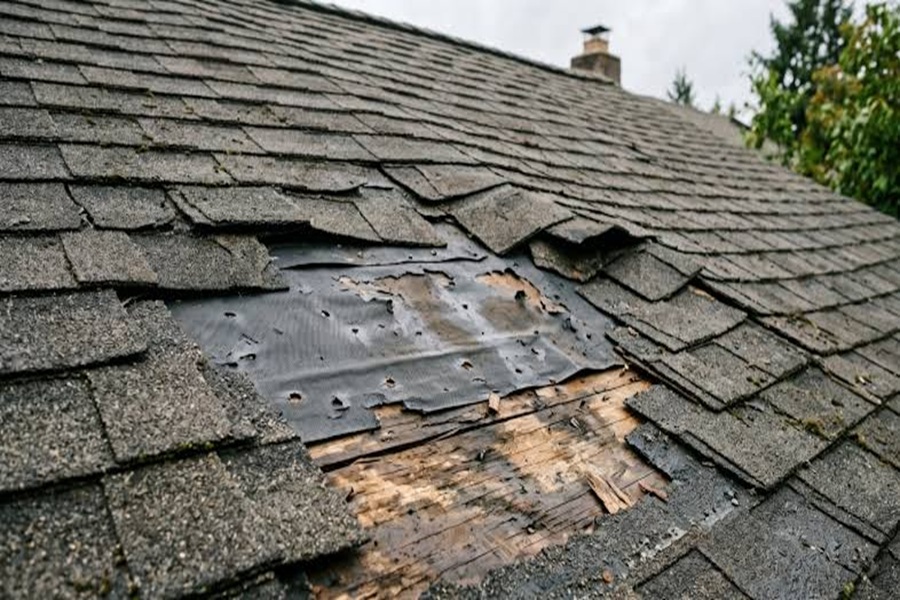
If a puncture has caused widespread damage to your roof’s materials, such as shingles, underlayment, or even structural decking, patching may no longer be sufficient. For instance, if the initial hole remained unnoticed for some time and allowed water to seep through multiple layers of your roofing system, rot and mold could spread extensively. In such cases, repairing isolated areas might not address deeper problems within the roof structure. A full replacement ensures that all compromised materials are removed and replaced thoroughly.
Aging Roofs with Frequent Problems
Sometimes a roof puncture occurs on an aging roof that has already reached—or surpassed—its expected lifespan. If your roof has been repaired multiple times in recent years due to leaks, cracks, or other issues, adding another repair may not be cost-effective. An older roof is more likely to have weakened structures that can’t sustain further repairs reliably. Investing in a new roof at this stage provides greater peace of mind while eliminating recurring problems.
Compromised Structural Integrity
A significant puncture caused by heavy objects like tree branches or falling debris can weaken the structural integrity of your entire roofing system. If beams or trusses beneath the surface sustain damage during impact, their ability to support the weight of your roof diminishes greatly. Such situations pose risks not only to your property but also to anyone living inside it. A complete replacement allows contractors to assess and reinforce these critical components effectively.
Persistent Water Intrusion Issues
Water damage from a punctured rooftop often spreads beyond what is visible on the surface. If water infiltration persists even after attempts at temporary patching or repairs, it may signal underlying issues like hidden leaks or damaged insulation that cannot simply be patched over anymore. Prolonged exposure to moisture weakens foundational elements of your home and encourages mold growth—both of which necessitate more comprehensive solutions like replacing the entire roof.
Impact on Energy Efficiency
Roof punctures can compromise insulation and ventilation systems within your home by creating gaps where air escapes or moisture enters freely. Over time, this can lead to higher energy bills as heating and cooling systems must work harder to maintain indoor temperatures. If repairs fail to restore proper energy efficiency due to extensive unseen damage caused by repeated punctures or wear-and-tear on old materials, starting fresh with a new roof offers long-term savings by improving overall thermal performance.
Weighing Cost vs Longevity
Finally, deciding whether a full replacement is necessary often comes down to comparing costs against benefits over time. While upfront expenses for replacing an entire roof are higher than localized fixes, doing so may ultimately save money by avoiding ongoing maintenance fees for an aging system prone to failure.
When evaluating whether your situation warrants replacing the whole roofing system after a puncture incident—or merely repairing what’s visible—consulting with professional contractors is essential. They’ll inspect all layers thoroughly while considering factors such as material condition, age of installation, and potential future risks before making recommendations tailored specifically for you.