How Roof Inspections Save Money
Early Detection Minimizes Damage
Roof inspections allow for the identification of minor problems before they escalate. Small issues like missing shingles, cracked flashing, or minor leaks can lead to bigger problems if left unchecked:
– Water Damage: Small leaks can result in water seeping into your attic or walls, leading to mold growth, wood rot, and structural damage. Repairs for such damage are significantly more expensive than fixing a shingle or sealing a gap during inspections.
– Energy Loss: Damaged roofs often compromise insulation efficiency, increasing heating and cooling costs over time. Addressing gaps or damaged areas helps maintain energy efficiency.
Preventative Maintenance Costs Less Than Repairs
Issue | Cost Without Inspection | Cost With Routine Maintenance |
Minor Leak Repair | $1,500 – $3,000 (post-damage) | $200 – $500 (early detection) |
Shingle Replacement | $5,000 for partial replacement | $50 – $150 per shingle |
Full Roof Replacement | $8,000 – $20,000+ | Avoided with timely upkeep |
Extends Roof Lifespan
A well-maintained roof lasts significantly longer than one that has been neglected. Regular inspections ensure any wear and tear is addressed promptly so the materials remain intact for years to come. The longer your roof lasts without needing replacement, the more money stays in your pocket.
Protects Investment Value
Your home is likely one of your most valuable investments. A poorly maintained roof not only decreases curb appeal but also impacts property value if you ever choose to sell. Inspections provide peace of mind for buyers as well as sellers by ensuring the building is in good condition.
Saves on Emergency Costs
Storm-related emergencies—such as sudden leaks or broken tiles—often require immediate professional intervention at premium rates due to urgency and timing (e.g., nights or weekends). Regular inspections reduce the likelihood of such emergencies occurring.
Simple Steps to Maximize Savings Through Inspections:
- Schedule professional roof checks annually or bi-annually (especially before storm seasons).
- Invest in quality materials upfront during repairs—it pays off with fewer long-term issues.
- Keep detailed records of inspection reports and maintenance work performed on your roof; this documentation may help with insurance claims later if needed.
By prioritizing routine roof inspections as part of your home maintenance plan, you’ll not only safeguard against unforeseen expenses but also ensure long-term savings while protecting your property from unnecessary risks.
What Roof Inspectors Look For
A professional roof inspection is an essential part of ensuring your home is prepared for severe weather conditions. Roof inspectors are trained to identify both visible and hidden issues that could compromise the integrity of your roof. Below, we discuss the key areas and components they examine to assess its overall condition.
Key Areas of Focus During a Roof Inspection
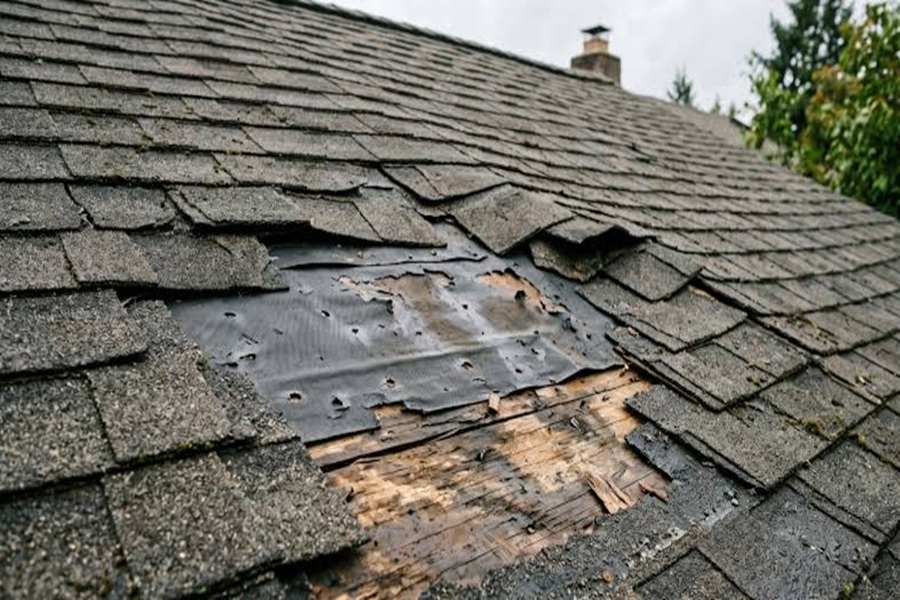
- Cracked, curled, or missing shingles are some of the first signs of potential roof damage.
- Inspectors check for granule loss, as this can indicate that shingles are nearing the end of their lifespan.
- Flashing around vents, chimneys, and skylights is examined for gaps or corrosion.
- Poorly sealed flashing can allow water to seep into your home’s interior over time.
- Inspectors assess whether gutters are securely attached and free from debris that could block proper water flow.
- They also examine downspouts to ensure water is directed safely away from the foundation.
- Any sagging areas on the roof surface may indicate underlying structural issues within the decking or rafters.
- Inspectors look for uneven surfaces or dips in the roofing material, which may signal hidden damage.
- Proper attic ventilation plays a significant role in extending your roof’s lifespan by preventing heat buildup and moisture accumulation.
- Roof inspectors evaluate air circulation systems to determine if upgrades are necessary.
- Active leaks or water stains on ceilings or walls often stem from undetected roof problems.
- Even small leaks can lead to mold growth and internal damage if left unchecked.
Why Professional Inspections Matter
Benefits | Explanation |
Early Detection | Identifies problems before they exacerbate into costly repairs. |
Expert Knowledge | Experienced inspectors understand nuances like aging materials. |
Long-Term Value | Ensures your home remains safe while maintaining its market value. |
When Should You Schedule Inspections?
- After Severe Weather Events: High winds, hailstorms, or heavy rains can cause immediate damage that isn’t always visible from ground level.
- At Least Twice a Year: Regular inspections in spring and fall help catch seasonal wear-and-tear.
- Prior to Major Repairs or Renovations: Inspections ensure any roofing work is performed on a solid foundation.
A thorough inspection not only provides peace of mind but also ensures storm readiness while safeguarding against future expenses associated with neglected maintenance tasks.
How Roof Inspectors Save Money
Early Detection of Problems
Roof inspections help uncover small, hidden issues such as:
– Loose or missing shingles – Prevent water damage and leaks that could lead to interior repairs.
– Clogged gutters – Avoid water pooling on the roof, which can weaken its structure over time.
– Minor cracks in flashing – Repairing these early prevents structural damage caused by water infiltration around chimneys or vents.
By catching these problems at earlier stages, homeowners save money on more expensive fixes later down the road.
Extending Roof Lifespan
A well-maintained roof lasts longer than one that is neglected. Inspections ensure that your roofing materials remain in good condition and any necessary maintenance, such as sealing or replacing damaged components, is completed promptly. This reduces the need for premature replacement, which can cost thousands of dollars.
Routine Inspection Cost | Roof Replacement Cost | Savings from Inspections |
$150–$400 per year | $7,000–$15,000+ | Thousands over time |
Preventing Secondary Damages
Unchecked roof problems can lead to secondary damages inside your home:
– Mold growth from leaks
– Damaged ceilings and walls due to persistent water seepage
– Rotting wood in your attic or structure
Avoiding these issues not only spares you repair costs but also protects your home’s overall value.
Lower Energy Costs
Roof inspections improve energy efficiency by identifying areas where insulation may be compromised due to:
– Gaps in roofing materials – Damaged underlayment that allows air leaks
With proper insulation and a sealed roof system, homeowners benefit from reduced heating and cooling expenses year-round.
Insurance Savings Opportunities
Homeowners who conduct regular inspections may qualify for discounts on their homeowner’s insurance policies. Many insurers view proactive maintenance as a reduced risk factor for claims related to weather damage or other roof-related incidents.
By investing in periodic roof inspections, you not only protect your home but also safeguard your budget against preventable expenses. A modest upfront cost ensures peace of mind while maximizing long-term savings.
Demonstrating Due Diligence to Insurers
Insurance companies often require policyholders to demonstrate regular upkeep of their property as part of their responsibility to mitigate risks. A neglectful attitude toward roof maintenance could result in claim denials or reduced payouts. Regular inspections and proper care show insurers that you’ve taken every reasonable step to protect your home.
- Documentation Matters:
Keep detailed records of roof inspections, repairs, or replacements performed over the years. This documentation can serve as evidence that you have consistently maintained your roof according to professional standards. - Before and After Photos:
Take clear photographs of your roof before any storm occurs. If damage does happen afterward, you can provide before-and-after images to help validate your claim.
Preventing Denial Due to Neglect
Condition | Coverage Likely? | Explanation |
Roof damaged due to a severe storm but regularly maintained | Yes | Storm-related damages are covered if proper upkeep was evident |
Roof leaks because shingles were already missing or deteriorated from lack of care | No | Insurers may deny the claim since the issue stemmed from pre-existing neglect |
By proactively addressing issues such as loose tiles, clogged gutters, or minor leaks, you reduce the risk of being blamed for preventable damage.
Strengthening Your Claim Post-Damage
- Proves Damage is Storm-Related – When there’s a clear record showing the roof was in excellent condition before a specific weather event, it’s easier to establish that any issues were caused by the storm itself.
- Justifies Repair Costs – A properly maintained roof requires standard repairs rather than major overhauls due to chronic neglect, making insurers more likely to approve reasonable repair estimates.
Practical Tips for Maintenance Supporting Insurance
- Schedule annual professional inspections and request written reports.
- Address small problems like cracked shingles promptly.
- Replace aging roofing materials before they fail entirely.
- Ensure gutters and drainage systems are free from debris year-round.
Keeping a well-maintained roof not only protects your home but also offers financial peace of mind when interacting with insurance providers after severe weather events. Proactive care helps ensure smoother claims while protecting against costly disputes about responsibility for damages.
How Roof Maintenance Can Help Insurance Claims
Proper roof maintenance not only protects your home from the elements but also plays a critical role when dealing with insurance claims after a storm or other damage. Insurance companies often require evidence of preventive measures before approving claims, and a well-maintained roof can make the claims process smoother and more successful. Here’s how staying on top of roof care can positively affect your insurance situation.
Strengthening Your Insurance Claim
A proactive approach to roof maintenance can provide you with the documentation necessary to strengthen your case when filing an insurance claim. Here’s why it matters:
– Proof of Maintenance: Regular inspections, repairs, and upkeep demonstrate to insurers that you’ve acted responsibly as a homeowner. This reduces the chance that a claim will be denied due to negligence.
– Minimizing Damage: A maintained roof is less likely to sustain extensive damage during storms, which could lower repair costs and make it easier for insurers to approve your claim without disputes.
– Accurate Assessments: By keeping records of repairs and inspections, you ensure there’s no ambiguity about the condition of your roof pre-damage, providing clear benchmarks for adjusters.
Essential Documentation for Claims
- Roof Inspection Reports: Professional assessments provide an official record of your roof’s condition over time.
- Receipts for Repairs or Upgrades: Keep receipts as proof of any repairs or upgrades made prior to the incident in question—these demonstrate ongoing maintenance efforts.
- Photographic Evidence: Take clear photos of the entire roof before and after any storms or major weather events as visual proof for your insurer.
Document Type | Why It’s Important |
Inspection Reports | Shows history of professional oversight |
Repair Receipts | Validates responsible ownership |
Before/After Photos | Provides visual evidence for comparison |
Tips To Make Your Case Stronger
- Schedule Regular Inspections: Have a professional inspect your roof at least once a year or after severe weather events.
- Clean Debris Promptly: Clear leaves, branches, and other debris off your roof regularly to prevent water build-up or structural strain.
- Fix Small Issues Immediately: Address minor problems such as loose shingles, cracks, or clogged gutters before they escalate into more significant issues that could complicate claims.
- Understand Your Policy Details: Review what types of damage are covered under your insurance plan so you know exactly what’s required when submitting proofs of maintenance or loss.
Proactively maintaining your roofing system doesn’t just safeguard against weather-related issues; it also empowers you when navigating post-storm insurance processes by keeping detailed records and ensuring compliance with policy guidelines.
The Link Between Roof Maintenance and Insurance
- You are a responsible homeowner who mitigates risks.
- Damage caused by storms is not due to pre-existing wear and tear.
- Issues like leaks or structural problems are less likely to have been ignored over time.
Key Maintenance Steps That Protect Your Claim
- Aim for at least one professional inspection per year, ideally before storm season begins.
- Inspect for worn shingles, loose flashing, or clogged gutters during these checks.
- Take clear photos after professional inspections and after any maintenance work is performed.
- Maintain records of all repairs, replacements, and inspections with dates and details.
- Fixing small issues like cracked tiles or missing shingles prevents larger problems from arising later.
- Deterioration from neglect could lead insurers to classify damage as pre-existing rather than storm-related.
- Blocked gutters can cause water overflow that damages both your roof and other parts of your home.
- Regular gutter maintenance demonstrates preventative care.
Working With Adjusters After Storm Damage
- Be ready with evidence of prior care (inspection reports, receipts, photos). This will support your claim by demonstrating pre-damage condition.
- Share records showing prompt action taken after the storm (e.g., emergency tarping or calling professionals).
- Request an independent roofing contractor’s assessment if you feel insurer estimates undervalue repair costs.
Table: Sample Maintenance Checklist & Impact on Claims
Maintenance Task | Frequency | Benefit for Claims |
Professional Inspection | Annually/Biannually | Ensures early detection of potential issues |
Photo Documentation | After inspections/repairs | Creates a record proving pre-damage condition |
Gutter Cleaning | Quarterly | Prevents water overflow that may cause leaks |
Small Repairs | As Needed | Avoids escalation into costly damages |
By maintaining your roof consistently and keeping thorough records, you improve your chances of having insurance claims approved without delays or disputes when disaster strikes—a key aspect of comprehensive storm preparation strategy.
Demonstrating Preventative Action
- Provide proof of regular upkeep, such as inspection reports or receipts for repair services.
- Show that damage resulting from storms or other catastrophic events wasn’t worsened by neglect.
- Avoid denials or reduced claim settlements caused by “wear and tear” exclusions in policies.
Having records of routine maintenance can serve as evidence that the roof was in good condition prior to any event leading to a claim.
Documenting Roof Condition
- Photographs: Take annual photos of your roof’s condition to establish a baseline before any unexpected damage occurs.
- Inspection Reports: Professional roof inspections provide credible third-party assessments of the roof’s state, which can be submitted during claims processing.
- Repair Logs: Keep records of any repairs made over the years, including dates and descriptions of work performed.
Such documentation can strengthen your case if you need to file a claim after a storm or accident damages your property.
Document Type | Purpose | Benefit During Claims |
Photographs | Shows visual proof of condition | Demonstrates pre-damage state |
Inspection Reports | Validates professional assessment | Adds credibility |
Repair Logs | Confirms ongoing maintenance | Reinforces preventative care |
Minimizing Risk of Claim Denial
Many policies include clauses excluding coverage for damages caused by neglect or poor maintenance. Failing to address small issues like missing shingles or clogged gutters may lead insurers to deny claims if those problems contribute to larger structural issues during an event like high winds or heavy rain. Regular roof care minimizes these risks by addressing vulnerabilities before they escalate.
Tips for Working With Insurers After Damage
- Report Damage Quickly: Delaying may affect claim eligibility or settlement amounts.
- Provide Detailed Documentation: Share records proving that the roof was well-maintained before the incident.
- Work With Approved Contractors: Some policies require repairs be performed by licensed professionals approved by the insurer.
- Request an Adjuster Inspection: Ensure an adjuster evaluates the damage thoroughly before starting repairs.
By combining proper preparation with effective communication, you increase the likelihood of receiving fair compensation for repairs or replacement work needed after storm-related damage.
A proactive approach to maintaining your roof not only preserves its functionality but also positions you favorably when dealing with insurers during unexpected situations such as storms, falling tree limbs, or other unforeseen events requiring claims filing.