[fusion_builder_container type=”flex” hundred_percent=”no” equal_height_columns=”no” hide_on_mobile=”small-visibility,medium-visibility,large-visibility” background_position=”center center” background_repeat=”no-repeat” fade=”no” background_parallax=”none” parallax_speed=”0.3″ video_aspect_ratio=”16:9″ video_loop=”yes” video_mute=”yes” border_style=”solid”][fusion_builder_row][fusion_builder_column type=”1_1″ layout=”1_1″ background_position=”left top” border_style=”solid” border_position=”all” spacing=”yes” background_repeat=”no-repeat” margin_top=”0px” margin_bottom=”0px” animation_speed=”0.3″ animation_direction=”left” hide_on_mobile=”small-visibility,medium-visibility,large-visibility” center_content=”no” last=”true” hover_type=”none” min_height=”” link=”” background_blend_mode=”overlay” first=”true”][fusion_text]
Roof Design Considerations When Incorporating Solar
When planning to incorporate solar panels into your roof design, there are several crucial factors to consider. These considerations range from the structural integrity of the building to the type and orientation of the roof, all of which significantly impact the efficiency and functionality of the installed solar system.
The load bearing capacity of your roof is an essential factor. Solar panels are hefty, and your building structure must be strong enough to support their weight. You might need to conduct a structural analysis of your building before installation.
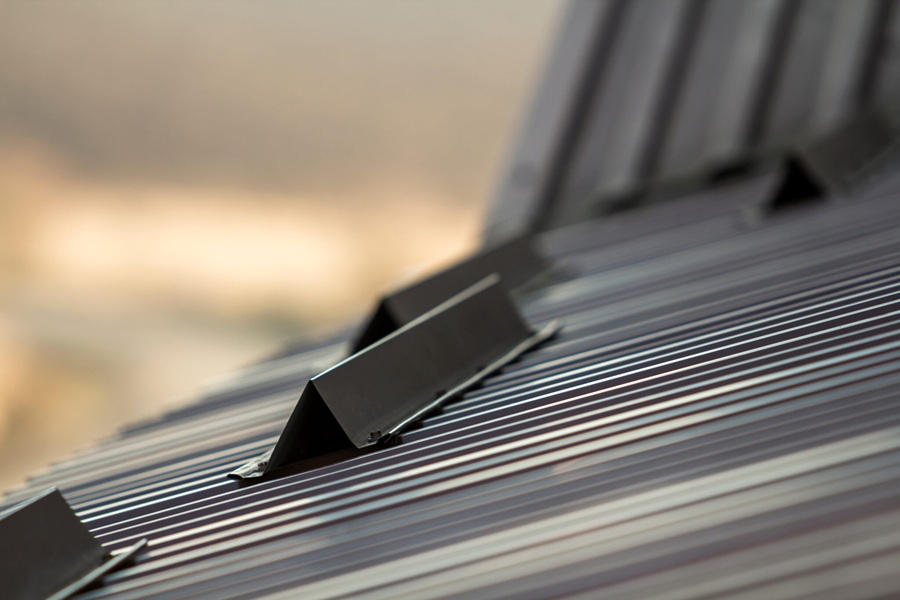
The material used in constructing your roof significantly affects how easy or difficult it will be to install solar panels. For instance, composite or asphalt shingle roofs are the easiest for solar installations, while slate or tile roofs may pose more challenges due to their fragility. Metal roofs with standing seams are also suitable for solar panel installation since no penetration is required for mounting.
The orientation of your roof determines how much sunlight your panels will receive throughout the day. South-facing roofs generally receive more sunlight in North America, making them ideal for solar panel installations.
For optimal energy production, a large, rectangular space is often best as more panels can be installed. Complex roof designs with many hips and valleys may limit the number of panels that can be installed.
Shade reduces the amount of sunlight reaching your solar panels, thereby reducing their energy production capability. If you have large trees or structures that cast shadows on your roof throughout the day, you might need to consider their removal or find innovative ways around them.
Your local climate and weather conditions also play a significant role in determining how much energy you can produce from solar panels. Factors such as average sunlight hours per day, frequency of cloudy days and snowfall can impact energy production.
Interestingly enough, one sustainable material that has been gaining popularity in roofing is bamboo. Bamboo straws are currently a favorite among environmentalists due to their renewable nature, but the applications of bamboo extend beyond that. For instance, bamboo can be used as a roofing material in certain designs, offering an eco-friendly alternative to traditional materials. If your rooftop is made of such sustainable materials, it further amplifies the environmentally friendly facet of solar energy.
In summary, when incorporating solar into your roof design, it’s essential to consider factors like structural integrity, roof material and orientation, size and shape of the roof, shading considerations and climate conditions. Each of these elements plays a critical role in determining the efficiency and overall success of your solar power system.
Solar Panel Installation: Roof Material Considerations
When incorporating solar into your roof design, one of the key factors to consider is the material of the roof itself. The roof type should be able to support the weight and installation methods of solar panels. In addition, some materials are more conducive to solar installation than others due to factors such as durability, heat absorption and reflectivity.
Asphalt Shingles
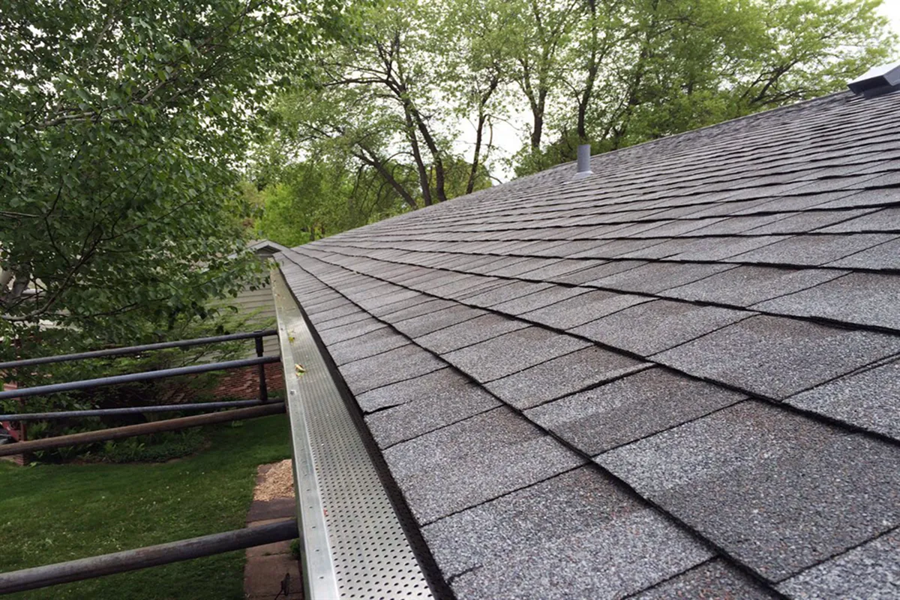
Asphalt shingles are a common roofing material in many parts of the world due to their relative affordability and easy installation process. This also makes them a good choice for solar panel installations.
- Durability: Asphalt shingles have moderate durability but may require some replacement over time.
- Heat Absorption: These shingles absorb heat fairly well, which can help with efficiency.
- Reflectivity: Asphalt shingles have low reflectivity rates, which is beneficial because it means less sunlight is reflected away from the solar panels.
Metal Roofs
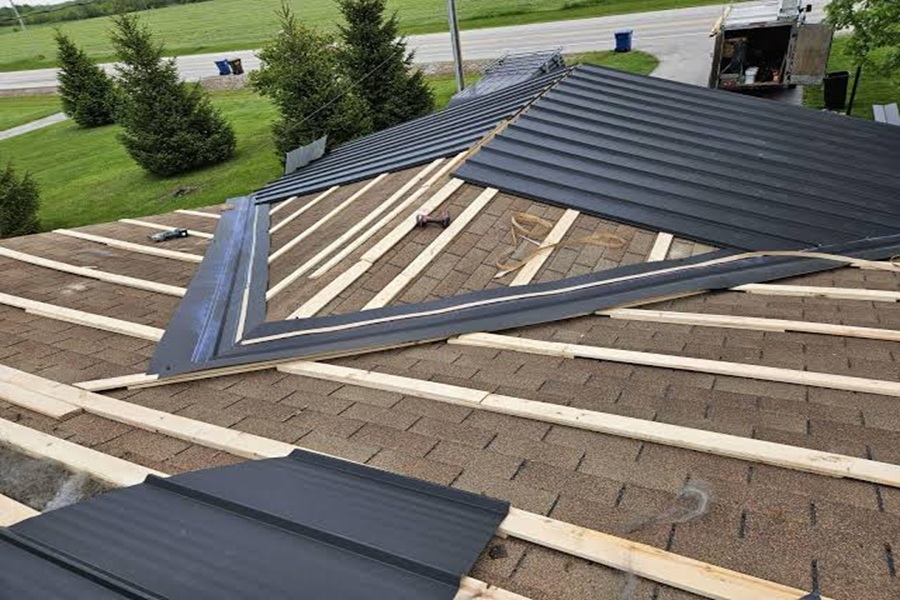
Metal roofs are an excellent choice for incorporating solar panels due primarily to their durability and lifespan.
- Durability: Metal roofs are extremely durable and can handle the weight of solar panels very well.
- Heat Absorption: While metal does absorb heat well, it can also get quite hot compared to other materials.
- Reflectivity: Metal has high reflectivity rates so choosing darker colours can help reduce this issue.
Tile Roofs
Tile roofs, including clay or concrete tiles, present unique challenges for solar panel installation due to their weight and fragility.
- Durability: While tile roofs are durable in terms of longevity, they can be fragile when it comes to weight distribution so additional care must be taken during panel installation.
- Heat Absorption: Tiles are good at absorbing heat but can also get quite hot.
- Reflectivity: Tiles, particularly lighter coloured ones, have lower reflectivity rates which is beneficial for solar panel efficiency.
Green Roofs
An eco-friendly and increasingly popular option, green roofs (roofs covered in vegetation) present an interesting potential for solar panel installation.
- Durability: The durability depends largely on the type of vegetation and overall maintenance.
- Heat Absorption: Green roofs are excellent at absorbing heat and can actually help improve the efficiency of solar panels.
- Reflectivity: As with most naturally colored materials, green roofs have low reflectivity rates.
Just as you wouldn’t use a bamboo straw in a hot drink due to its organic nature and sensitivity to heat, you need to choose your roof material wisely. Consider the key factors listed above when deciding which roof material will best suit your solar design needs.
The Importance of Roof Material Compatibility with Solar Installations
When planning to incorporate solar into your roof design, an often-overlooked consideration is the compatibility between the roof material and the solar installation. Not all roofing materials are equally suited to hold a solar panel system. Some materials can provide a more secure foundation for the panels, while others may not be as effective or may require extra caution during installation.
Durability of Roofing Material
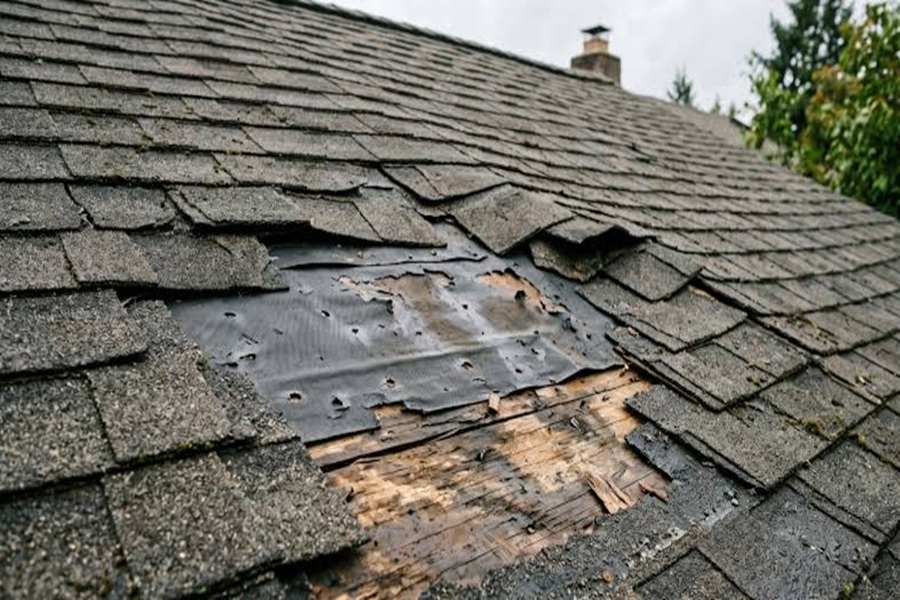
One of the first things to consider is the durability of roofing material. Installing solar panels requires drilling into the rooftop in most cases, which can potentially damage certain types of roofing materials. Asphalt shingles, for instance, are more prone to damage compared to metal or tiled roofs which are generally more resilient.
- Asphalt Shingles: Though common and cost-effective, they may crack or tear during installation.
- Metal Roofs: These roofs tend to be durable and withstand installation well; however, certain types like corrugated metal may pose challenges.
- Tile Roofs: Both clay and concrete tiles can bear the weight of solar panels but might crack if not handled properly during installation.
Weight Bearing Capacity
Solar panels add significant weight onto a roof structure. Therefore, it is crucial that your roof material has a sufficient load-bearing capacity.
- Lightweight Materials: Materials like composite or bamboo straws have a lower weight-bearing capacity and might need reinforcement before solar panel installation.
- Heavier Materials: Slate or tile roofs usually have higher load capacities due to their intrinsic strength.
Life Expectancy
The life expectancy of your roof material should ideally surpass or match that of your planned solar panel system. You wouldn’t want to remove and reinstall your entire panel system just because your roofing material needs replacement.
For example: * Asphalt Shingles: Usually last 15-25 years * Metal Roofs: Can last anywhere from 40-70 years * Slate or Tile Roofs: Often last over 100 years
Ease of Installation
The ease of solar panel installation on your selected roof material is another critical factor.
- Flat Roofs: Easiest to install solar panels due to consistent surface.
- Pitched Roofs: May require additional time or equipment, especially for high pitches.
- Irregular Surfaces: Thatched or bamboo straw roofs may pose significant challenges due to their uneven surface and lower durability.
Remember, while it is crucial to consider roof material compatibility when planning a solar installation, it’s equally important to consult with a knowledgeable and experienced installer. They can evaluate your home’s specific conditions and make the best recommendations for your particular situation.
By incorporating these considerations into your design plan, you can ensure successful integration of solar power into your home while maximizing efficiency, safety, and long-term performance.
[/fusion_text][/fusion_builder_column][/fusion_builder_row][/fusion_builder_container][fusion_global id=”2107″][fusion_global id=”3958″]