Understanding Permit Requirements for Roof Replacement
When considering a roof replacement, understanding the need for permits is a critical first step. Permits are legal authorizations issued by local governments to ensure construction projects adhere to building codes and safety standards. They exist to protect homeowners, neighbors, and communities while also ensuring compliance with regulations that may vary by region.
Why Are Permits Necessary?
Permits serve several important purposes:
– Compliance with Local Building Codes: Building codes are established to ensure safety and quality in construction. Replacing a roof without a permit might result in work that doesn’t meet these standards. This could lead to structural issues or even fines.
– Protecting Home Value: If you don’t pull a required permit, it can become an issue during property appraisals or sales transactions. Unpermitted work might lower your property value or complicate selling the home later.
– Preventing Legal Penalties: In many areas, skipping the permit process can result in significant fines or legal action from local authorities.
Situations That Typically Require Permits
While regulations differ by location, here are common scenarios when permits are required for roof replacement:
– Structural Changes: If replacing your roof involves altering its structure—such as changing the pitch of the roof or adding skylights—a permit is almost always necessary.
– Roof Replacements Beyond Maintenance: Simple repairs may not require permits, but full replacements usually do because they impact the overall integrity and structural safety of your home.
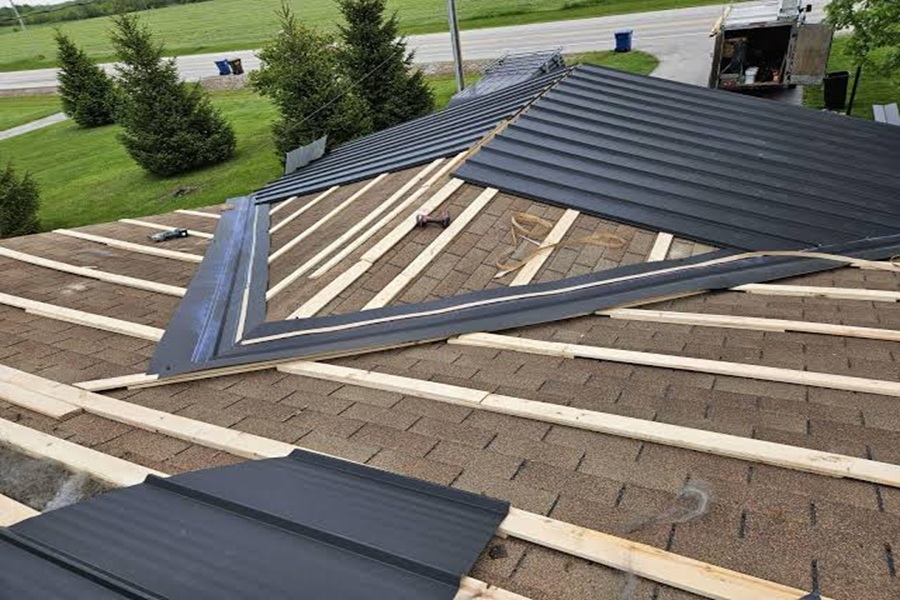
– Material Upgrades: Changing from one type of roofing material to another (e.g., replacing asphalt shingles with metal panels) often requires approval since different materials have varying requirements for insulation, ventilation, and load capacity.
How Do You Know If a Permit Is Required?
Determining whether you need a permit depends on your location and project scope:
1. Check Local Regulations: Contact your city’s building department or municipal office for specific requirements in your area. 2. Consult Your Contractor: Experienced roofing contractors are familiar with local rules and can help you navigate permitting processes. 3. Review Homeowner’s Association (HOA) Guidelines: If you live in an HOA community, additional restrictions may apply beyond municipal regulations.
Potential Consequences of Skipping Permits
Skipping permits due to time constraints or cost concerns may seem tempting but has long-term risks:
– Forced removal of unapproved work at your expense if discovered. – Voided homeowner’s insurance claims related to unauthorized roof replacements. – Increased costs due to penalties or redoing non-compliant installations.
Aspect | With Permit | Without Permit |
Compliance | Guaranteed | Uncertain |
Home Insurance Validity | Fully Covered | Potentially Voided |
Risk of Fines | None | High |
Understanding these factors ensures that you approach your roof replacement project confidently while avoiding avoidable pitfalls associated with bypassing necessary permits.
Importance of Permits in Roof Replacement
Ensuring Safety Standards
- Building permits ensure your roof replacement meets local safety codes and regulations.
- They protect the structural integrity of your home by mandating inspections during critical phases of construction.
- Without a permit, there’s a higher chance of errors or unsafe practices going unnoticed, which could lead to future hazards like leaks, collapses, or fire risks.
Legal Compliance
- Replacing a roof without a permit can result in fines or legal penalties from your local building authority.
- Many municipalities require documentation that confirms compliance with zoning laws and building codes before work begins.
- If work is completed without a permit, you may be required to dismantle the improvements and start over correctly—with proper approvals.
Impacts on Home Value and Resale
- Potential buyers often request proof that major renovations, including roof replacements, were done legally and up to code.
- A missing permit could deter prospective buyers or reduce your home’s market value.
- Home inspectors working for buyers might flag an unpermitted roof replacement as an issue during their assessment.
Key Benefit | Why It Matters |
Safety | Protects against structural weaknesses and ensures proper installation techniques |
Avoiding Penalties | Prevents fines or legal consequences from non-compliance |
Future Home Value | Enhances resale value by demonstrating responsible property management |
Protecting Insurance Coverage
Failing to secure the necessary permits could also affect your homeowner’s insurance policy:
– Damage caused by improperly installed roofs may not be covered if no permit was obtained.
– Insurance claims might be denied if there’s proof that local regulations were ignored during the replacement process.
Promoting Accountability Among Contractors
When a contractor pulls permits for your roof replacement, it provides an added layer of accountability:
– Permits often require inspections at different stages of construction. This ensures contractors adhere to proper practices throughout the process. – Working with contractors who insist on obtaining permits demonstrates their commitment to professional standards.
What Happens Without a Permit?
Skipping the permit process can lead to serious consequences: 1. Unforeseen Costs: Non-compliance might result in costly corrections later on. 2. Legal Issues: Fines or lawsuits could arise from violating local building codes. 3. Diminished Property Value: Unlicensed work may complicate future real estate transactions.
Taking the time to understand why permits are important not only protects your investment but also ensures peace of mind throughout your roofing project.
FAQ About Roof Replacement Permits
When considering a roof replacement, you may find yourself with numerous questions about the permitting process. Navigating local regulations can feel daunting, but understanding the basics can make the process smoother. Below are answers to frequently asked questions regarding roof replacement permits.
Do I Always Need a Permit for Roof Replacement?
Not all roof replacements require permits, but many do. The need for a permit largely depends on:
– The scope of the project: Minor repairs like replacing a few shingles typically don’t require permits, but full roof replacements often do.
– Local regulations: Rules vary between municipalities and regions. It’s essential to check with your local building authority to determine specific requirements for your area.
– Type of property: Residential and commercial properties may have different permitting requirements.
Why Are Permits Necessary?
Permits serve several purposes that benefit both property owners and the community:
– Ensuring safety: A properly permitted project ensures compliance with building codes, reducing the risk of structural issues or hazards later on.
– Maintaining property value: Work done without permits might not meet code standards, potentially decreasing your home’s resale value.
– Avoiding fines or legal action: Proceeding without required permits can lead to penalties or orders to halt construction until proper documentation is obtained.
How Do I Obtain a Permit?
The process for obtaining a permit generally involves these steps:
1. Visit your local building department or its website to review application requirements. 2. Submit detailed plans for your roof replacement project (this may include materials and contractor information).
3. Pay any applicable fees associated with the permit application. 4. Wait for approval before beginning construction – this could take days or weeks depending on location and project complexity.
Keep all documentation handy in case inspectors request proof during or after the project is completed.
What Happens If I Skip Getting a Permit?
Failing to obtain a necessary permit can lead to significant consequences, including:
– Costly fines from municipal authorities. – Delays in completing your roofing project if you’re ordered to stop work. – Complications during home sales due to unpermitted work being flagged during inspections.
Always err on the side of caution by consulting your local permitting office before starting any major projects.
Are Contractors Responsible for Permits?
In most cases, professional contractors handle obtaining permits as part of their service; however, it’s wise not to assume this responsibility lies solely with them:
– Confirm in writing whether permitting is included in their agreement. – Verify that all required documents are submitted appropriately before work begins. – Ensure they follow proper inspection protocols upon project completion.
If you’re undertaking DIY roofing work (not always recommended), remember that securing necessary permits will be entirely up to you.
What Should You Look Out For During Inspections?
After obtaining a permit, inspections play an important role in ensuring quality workmanship and code compliance:
1. Pre-construction inspection: Local inspectors might assess existing conditions before work begins. 2. Progress checks: Some projects require intermediate inspections mid-way through construction (such as when installing underlayment). 3. Final inspection: After completion, officials verify whether everything meets building standards outlined by your area’s codes.
It’s crucial not only to schedule inspections at each required stage but also address any issues highlighted by inspectors promptly.
By staying informed about these common queries surrounding roofing permits, you’ll ensure both smooth execution of your replacement project and long-term structural integrity for years ahead.
Are You Ready to Talk About Roof Replacement?
When considering a roof replacement, it’s important to ask yourself a series of questions to ensure you’re fully prepared for the process. Replacing a roof is a significant investment and requires careful planning, both in terms of logistics and compliance with local regulations. This section will guide you through key considerations so that you can confidently take the next steps.
Assessing the Condition of Your Roof
- Age of the Roof: Most roofs have a lifespan between 20-30 years, depending on materials used.
- Visible Damage: Cracks, missing shingles, sagging areas, or leaks inside your home.
- Weather Impact: Has your roof experienced extreme weather such as hailstorms or hurricanes? These events can cause significant damage.
- Energy Efficiency: An older or poorly maintained roof may lead to higher energy bills due to poor insulation.
If any of these factors resonate with your situation, it may be time to consider replacing the roof.
Research Local Permit Requirements
- Local Building Codes: Each municipality has its own specific requirements regarding permits.
- Scope of Work: Minor repairs may not require permits, but full replacements typically do.
- Type of Materials Used: Some jurisdictions regulate certain materials for safety or environmental reasons.
Contacting your local building department is often the best way to clarify what’s required in your area.
Choosing the Right Roofing Contractor
- Verify licenses and certifications relevant to roofing work in your state or region.
- Ask whether they handle permit applications on behalf of homeowners—many reputable contractors include this as part of their service.
- Request references and check online reviews from previous clients.
Consider adding an additional layer of protection by hiring contractors who offer warranties both on their workmanship and the roofing materials themselves.
Budgeting for Your Project
- Get multiple quotes from different contractors for comparison.
- Account for hidden costs like permits or potential structural repairs discovered during installation.
- Consider financing options if paying upfront isn’t feasible.
Item | Estimated Cost Range |
Roofing Materials | $5,000 – $15,000 |
Labor Costs | $3,000 – $10,000 |
Permits | $200 – $500 |
Structural Repairs | Varies by project scope |
Preparing Your Home for Replacement Day
- Secure outdoor belongings like patio furniture or planters that could obstruct access around your home.
- Inform neighbors about possible noise during work hours out of courtesy.
By addressing these preparation steps early on, you’ll minimize disruptions while maximizing efficiency during the project timeline.
Taking these measures ensures you’re ready not just physically but also logistically and financially when it comes time to talk about replacing your roof confidently with all bases covered.
Are You Ready to Talk About Roof Replacement?
Before diving into a roof replacement project, it’s important to evaluate your readiness for the task, both in terms of planning and compliance with local regulations. Roof replacement is a significant investment and requires a well-thought-out approach to avoid unnecessary delays or penalties. Below are guidelines and actionable steps to help you prepare effectively.
Assess Your Project Scope
Start by understanding the scope of your roof replacement. This includes:
– Type of Roof: Are you replacing shingles, tiles, or switching materials entirely?
– Structural Changes: Will the project involve modifications such as adding skylights or altering the pitch of your roof?
– Size and Complexity: Larger or more complex roofs may require more detailed planning and specialized labor.
This initial assessment will help determine whether your project falls under minor repairs or a full structural renovation, which may impact permitting requirements.
Research Local Building Codes and Permit Regulations
- Contact your local building department to understand their requirements.
- Removing old roofing material.
- Installing new underlayment or insulation.
- Changing roofing materials (e.g., switching from asphalt shingles to metal roofing).
- Verify timelines, fees, and inspection schedules related to permit applications.
Each jurisdiction varies in its approach; some may streamline permits for standard replacements while requiring detailed plans for structural changes.
Budgeting for Permits and Fees
Permit costs can vary widely depending on the location and scope of work. Ensure your budget includes potential expenses related to:
– Application fees. – Inspections during different project phases. – Consultant fees, if required (e.g., structural engineer reports).
Region | Average Permit Fee ($) | Additional Costs |
Urban Areas | 200–500 | Inspection charges |
Suburban Areas | 100–300 | Administrative fees |
Rural Areas | 50–150 | Fewer additional expenses |
Engage Qualified Professionals
Hiring experienced contractors can simplify the process since they are often familiar with local permitting requirements. Look for professionals who:
– Have licensing and insurance appropriate for your area. – Provide detailed contracts that include labor, materials, and permit handling. – Offer references from past projects similar in scale.
Prepare Necessary Documentation
When applying for permits, ensure all documentation is ready beforehand to avoid delays:
– Blueprints or technical drawings (if applicable).
– Scope of work detailing what the project entails.
– Contractor information including license numbers.
Having these documents prepared can expedite the approval process with local authorities.
Final Thoughts on Readiness
Roof replacement is not just about aesthetics—it’s about ensuring safety, durability, and adherence to regulations. Taking time to thoroughly plan every aspect of the process will make it smoother while reducing stress down the road. With proper research, budgeting, professional guidance, and compliance with local laws, you’ll set yourself up for success when undertaking this important home improvement project.
FAQ About Roof Replacement Permits
When considering a roof replacement, you might have questions about whether permits are required and how the process works. To help clarify the topic, here are some frequently asked questions (FAQs) about roof replacement permits and their answers.
What Is a Roof Replacement Permit?
A roof replacement permit is an official approval issued by a local government or building department that allows homeowners or contractors to perform work on a roof. This ensures the project complies with local building codes, safety standards, and zoning laws.
Do All Roof Replacements Require a Permit?
Not all roof replacements require a permit, as rules vary depending on your location and the scope of work.
– Permit Usually Required:
– Structural changes (e.g., replacing rafters or decking).
– Significant modifications to roofing materials or design (e.g., switching from shingles to tile).
– Installing new elements like skylights or solar panels during replacement.
- Basic repairs like replacing a few shingles or minor patching work.
- Non-structural maintenance that does not alter the roof size, shape, or material type.
Always check with your local building authority to confirm requirements before starting any roofing project.
Why Are Permits Necessary for Certain Projects?
Permits serve several important purposes:
– Ensure compliance with up-to-date building codes.
– Protect homeowner safety by enforcing proper installation practices.
– Provide documentation for future property sales or inspections.
Failing to obtain a necessary permit can result in penalties such as fines, delays in construction, or complications when selling your home.
How Do I Apply for a Roof Replacement Permit?
The process typically involves these steps:
1. Contact Local Authorities: Reach out to your city’s building department to learn specific requirements. 2. Submit Plans: If structural changes are involved, you may need to provide blueprints or designs for review. 3. Pay Fees: Permit fees vary based on location and project scope but usually range from $50–$500. 4. Schedule Inspections: Your project may require inspections before and after completion to ensure compliance.
Hiring licensed contractors familiar with local regulations can streamline this process—they often handle permits on behalf of homeowners.
What Happens if I Replace My Roof Without a Permit?
If you proceed without obtaining required permits, potential consequences include: – Fines ranging from hundreds to thousands of dollars. – A stop-work order halting progress until you secure proper documentation. – Compromised insurance claims if damage occurs post-installation. – Challenges during resale if unpermitted work is discovered by buyers or inspectors.
Avoiding these risks by securing permits upfront not only saves time but protects against costly issues later.
Can My Contractor Help With Permits?
Yes, most reputable roofing contractors are well-acquainted with permitting processes in their service areas. They can: – Determine whether permits are needed based on project details. – Handle paperwork submissions and scheduling inspections. – Provide guidance on complying with local laws efficiently.
Make sure your contractor includes permit-related responsibilities in their contract before beginning work.
This FAQ section highlights key considerations related to roof replacement permits while emphasizing the importance of consulting professionals and local authorities for tailored advice specific to your circumstances.
When it comes to roof replacement, many homeowners find themselves uncertain about where to begin. Preparing for a roof replacement isn’t just about choosing materials or contractors; it’s also essential to understand the process and ensure you’re fully informed. Below are key steps and factors to consider that will help you feel confident in tackling your roof replacement project.
Assess the Condition of Your Roof
Before diving into the logistics of a replacement, it is vital to evaluate your roof’s current condition. Knowing whether repairs or a full replacement is necessary can save time and money.
- Missing or curling shingles
- Leaks or water stains on ceilings
- Sagging areas on the roof
- Consider how long it has been since your last roof installation. Most roofs have a lifespan of 20–30 years, depending on the material.
If you’re unsure about the extent of damage, schedule an inspection with a professional roofing contractor.
Research Permit Requirements
One aspect that many people overlook is understanding local permit requirements for a roof replacement. Not obtaining proper permits can lead to fines, project delays, or even having to redo work.
- Whether residential roofing projects require permits in your area
- Specific documentation needed for approval
- Fees associated with obtaining a permit
Some municipalities may have distinct guidelines based on roofing materials, environmental considerations (e.g., high-wind zones), or historical preservation codes.
Budgeting for Your Roof Replacement
- Get multiple estimates from licensed roofing contractors.
- Permit fees
- Disposal of old roofing materials
- Unforeseen structural repairs
Expense | Cost Estimate |
Roofing Materials | $4,000 – $10,000 |
Labor | $3,000 – $7,000 |
Permit Fee | $100 – $500 |
Cleanup/Disposal | $500 – $1,500 |
Planning ahead can help prevent surprises during the project.
Hire Reputable Professionals
- Verifying licenses and insurance coverage
- Reviewing customer testimonials or references
- Ensuring they are familiar with permit processes in your area
Additionally, reputable contractors often provide detailed contracts that include timelines, material specifications, and warranty details—be sure everything is documented before starting work.
Prepare Your Home for Construction
- Clear outdoor areas around your home (e.g., patio furniture) where debris could fall.
- Notify neighbors about upcoming construction.
- Make arrangements if anyone in your household might need temporary accommodations due to noise sensitivity or allergies caused by dust/debris.
By following these steps carefully—from inspecting your current setup down to hiring trusted professionals—you’ll feel much more prepared to tackle this important home improvement project efficiently.