Signs Your Porch Roof May Need Replacement
Your porch roof plays an essential role in sheltering your outdoor space from the elements, making it both a functional and aesthetic feature of your home. Over time, its condition can deteriorate due to weather exposure, age, or structural issues. Recognizing the signs of a failing porch roof early can prevent further damage to your property and ensure everyone’s safety. Below are some key indicators that suggest your porch roof may need replacement.
- Visible Sagging or Structural Deformities
One of the most obvious signs that your porch roof may require replacement is sagging areas or noticeable dips in its structure. Often caused by water damage, rotting wood, or weak support beams, sagging usually indicates that the framework can no longer hold up under its weight. Overlooking this issue could lead to a collapse and pose significant safety risks. - Persistent Leaks and Water Stains
Water stains on the ceiling beneath the porch roof or around connecting walls are clear evidence of moisture infiltration. If you’ve noticed frequent dripping during rains or unsightly dark spots appearing over time, it’s likely a sign that the roofing materials have worn out. Left unaddressed, water intrusion can lead to mold growth and structural decay. - Cracked, Curling, or Missing Shingles
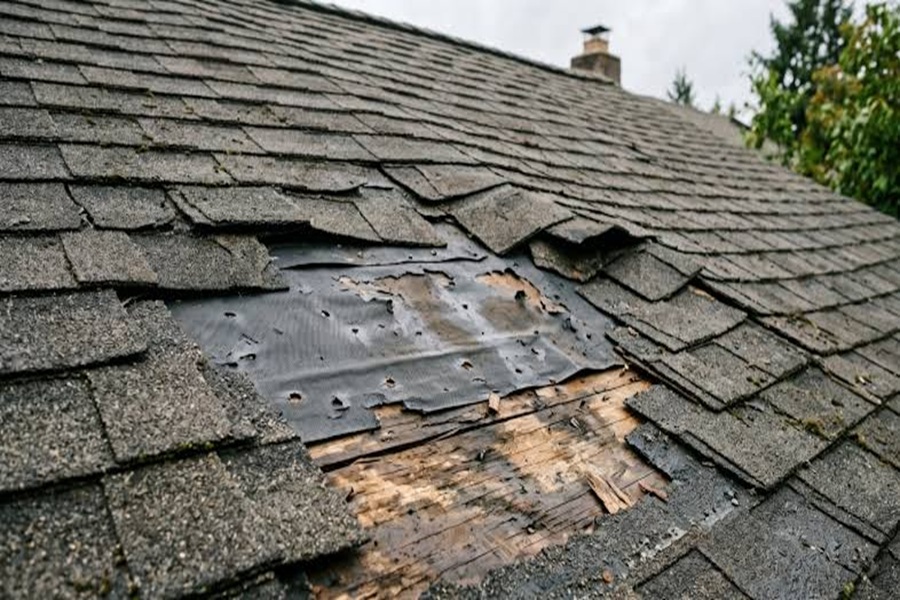
Shingles protect your roof from harsh weather elements like rain, wind, and sunlight. When shingles start cracking, curling at the edges, or disappearing altogether, they lose their ability to shield effectively against moisture infiltration and UV damage. If multiple shingles show signs of wear and tear—or worse yet—are missing entirely from large sections of your porch roof, replacement is likely needed. - Rusted Flashing or Damaged Metal Components
Flashing around chimneys (if applicable), vents, or along seams plays a critical role in keeping water out of vulnerable spots on your roof. Rusty flashing not only weakens its protective function but also signals prolonged exposure to moisture—often indicating deeper issues within the roofing system that may justify replacement. - Pooling Water After Rainstorms
Flat or low-pitched porch roofs are particularly susceptible to ponding water after heavy rainfall if drainage isn’t sufficient or if there’s an underlying structural problem preventing runoff. Standing water accelerates material deterioration while inviting moss growth—a telltale sign that repairs might no longer suffice. - Increasing Energy Bills
If you notice rising energy costs despite no change in household usage patterns, heat loss through an aging porch roof could be part of the problem. Poor insulation caused by damaged materials allows air exchange between indoors and outdoors more freely than when everything is intact.
By staying observant for these specific signs—and addressing them promptly—you’ll not only prolong the life of other parts surrounding your home but also maintain curb appeal while safeguarding functionality year-round without compromising comfort levels indoors/outdoors simultaneously .
Common Causes of Porch Roof Damage
A porch roof is an essential component of your home, offering protection and enhancing curb appeal. However, over time, various factors can compromise its durability and effectiveness. Understanding the common causes of porch roof damage can help you address potential problems before they escalate into costly repairs or replacements.
Weather Exposure and Harsh Elements
One of the primary culprits behind porch roof damage is prolonged exposure to harsh weather conditions. Sunlight can cause roofing materials to weaken, crack, or fade due to ultraviolet (UV) radiation. Similarly, rainwater can seep into tiny cracks or gaps in the roofing material, leading to water stains, leaks, and even mold growth over time. In colder climates, repeated freeze-thaw cycles allow moisture trapped in cracks to expand during freezing temperatures, worsening structural issues.
High winds associated with storms also pose a significant threat by loosening shingles or tearing away sections of roofing material entirely. Additionally, hailstorms can leave dents or punctures on metal roofs or shatter more brittle materials like clay tiles.
Poor Installation Practices
Improper initial installation is another leading factor contributing to a failing porch roof. If the materials were not installed correctly or according to manufacturer specifications, the entire structure might be at risk of early deterioration. For instance, inadequate flashing around seams or chimneys can allow water infiltration. Similarly, uneven installation can leave areas vulnerable to pooling water and stress.
Lack of Maintenance
Regular maintenance plays a vital role in prolonging the life of your porch roof. Neglecting routine inspections often allows small issues—such as clogged gutters—to spiral into larger problems like sagging roofs or rotting underlayment. Debris buildup from nearby trees (e.g., fallen leaves and branches) not only traps moisture but also creates additional weight that puts unnecessary strain on the structure.
Tree Damage
Trees surrounding your property may contribute to aesthetic appeal and shade but pose risks during storms when heavy branches sway or break off under strong winds. Overhanging limbs constantly brushing against shingles can erode protective layers over time while fallen debris from trees may puncture delicate areas when left unaddressed.
Aging Materials
Even with proper care and maintenance practices in place over decades’ worth lifespan typical asphalt shingles degrade naturally once reaching their expected expiration point usually ranging between 15-30yrs depending on brand/model choices made upfront past replacements-actions taken impact longevity cycle remaining intact extension fewer intervals..
By recognizing these issues early performing timely inspections intervening appropriately preventative measures safeguarding investments ensures peace-of-mind stemming detrimental outcomes altogether
Common Causes of Porch Roof Damage
Porch roofs endure a range of environmental and structural challenges over time, leading to wear and tear that may require attention. Understanding the common causes of porch roof damage can help you stay proactive in identifying potential issues before they escalate into larger, costlier problems.
Weather-Related Damage
One of the most common reasons for porch roof deterioration is exposure to harsh weather conditions. Rain, snow, hail, and strong winds can all take a toll on roofing materials. Heavy rain may cause water pooling or leaks, while snow accumulation can add unnecessary weight that strains the roof structure. High winds can loosen shingles or even tear them off entirely. Over time, UV rays from prolonged sunlight exposure can also weaken certain materials, causing cracks or fading.
Moisture and Water Intrusion
Constant exposure to moisture is particularly harmful for porch roofs. If there’s inadequate drainage or improperly installed flashing, water can seep into the roof’s underlying structure. This can lead to wood rot in beams or sheathing and may even encourage mold growth within the layers of your roofing system. Gutters clogged with debris exacerbate this issue by allowing water to overflow directly onto the roof surface instead of being directed away from it.
Aging Materials
No matter how well-built your porch roof is, its materials have a limited lifespan. Asphalt shingles typically last 20–30 years, whereas metal and slate roofs can last longer but are not immune to aging effects like corrosion or brittleness. Over time, these materials may weaken and lose their ability to effectively protect your porch from external elements.
Structural Issues
Structural problems like sagging beams or weak framing are another frequent cause of damage to porch roofs. Poor construction during initial installation might leave parts of the roof unsupported or vulnerable to stress over time. Additionally, if heavy objects—such as fallen tree limbs—land on your roof, they could compromise its integrity and lead to dips or cracks in the structure.
Pest Infestations
Insects like termites or carpenter ants are especially destructive when it comes to wooden structures in roofs. Birds might create nests underneath eaves, while rodents could gnaw through materials like insulation or supports. These small intrusions often go unnoticed but can lead to significant long-term damage if left unchecked.
Poor Maintenance Practices
Neglecting regular maintenance is a widespread contributor to porch roof problems. Failing to clean gutters leads to water buildup; ignoring minor cracks allows them to grow into major leaks; letting dirt accumulate prevents proper inspection for hidden vulnerabilities.
Understanding these causes not only highlights why regular upkeep is essential but also underscores how critical it is to address minor issues before they develop into full-scale replacements. Taking steps such as scheduling routine inspections and promptly repairing small damages will extend your porch roof’s life while saving you money in the long run.
Repair vs. Replacement: How to Decide
Determining whether your porch roof requires repairs or a full replacement can feel like a daunting decision. However, thoughtful evaluation of the damage, age of the roof, and your long-term goals can help you make an informed choice. Both options have their advantages and understanding when each is appropriate will ensure you invest wisely in maintaining the structural integrity and curb appeal of your home.
Assessing the Extent of Damage
The first step in deciding between repair or replacement is to evaluate the condition of your porch roof. Minor issues, such as isolated leaks, small cracks, or missing shingles, are often candidates for targeted repairs. However, if the damage is widespread—such as sagging areas, rot in wooden components, or significant water infiltration—a full replacement might be necessary to restore safety and durability.
Pay close attention to warning signs like water stains on the ceiling below your porch roof or mold growth along beams. Structural issues such as these often indicate underlying problems that go beyond surface-level wear and tear.
Considering the Age of Your Roof
The age of your porch roof plays a crucial role in this decision-making process. Most roofing materials have a finite lifespan; for instance, asphalt shingles may last 20-30 years under optimal conditions, while metal roofs tend to endure longer. If your porch roof is nearing—or has surpassed—its expected lifespan, replacement often proves more cost-effective than repeatedly patching an aging structure prone to new issues.
An older roof may also lack modern features that improve energy efficiency or weather resilience. Replacing it allows you to upgrade with newer materials that offer enhanced performance.
Evaluating Costs Over Time
While repairs are generally less expensive upfront compared to replacement, repeated fixes can add up over time—especially if they fail to fully address underlying problems. Frequent repairs may become a financial drain if they delay an inevitable roof replacement by only a short period.
On the other hand, opting for a new roof provides peace of mind with long-term reliability and can even come with warranties on both materials and labor. This upfront investment often pays off by reducing maintenance needs in coming years.
Long-Term Goals for Your Porch
Think about how you use (or plan to use) your porch when weighing repair versus replacement options. If it’s an area where family members gather frequently or where guests are entertained, investing in a sturdy new roof ensures safety and comfort for years ahead. Additionally, replacing an aging porch roof can significantly boost your home’s aesthetic appeal and resale value—making it worth considering even if current damage seems minimal.
Conversely, if you’re planning on selling your home soon but don’t want extensive renovations beforehand, repairing small issues may be sufficient until ownership transitions.
Consult With Experts Before Deciding
While personal inspections help identify visible problems with your porch roof, consulting with a professional roofing contractor provides valuable insight into hidden issues you may not detect on your own. An experienced contractor will assess factors like structural stability and material compatibility while advising whether repair or replacement aligns better with both short-term needs and long-term goals.
Whether you choose repair or replacement ultimately depends on balancing immediate costs against future savings while prioritizing safety and functionality for everyone who uses the space regularly.
Choosing the Right Roofing Material for Your Porch
Selecting the appropriate roofing material for your porch is an essential step in ensuring durability, functionality, and aesthetic appeal. The choice you make directly impacts the overall performance of your porch roof, including factors like weather resistance, longevity, and maintenance requirements. By understanding the available options and their unique characteristics, you can make an informed decision that suits your home’s style and environmental conditions.
Consider Your Climate
- Metal roofing: Ideal for areas with heavy rainfall or snow due to its durability and water-shedding capabilities. It’s also resistant to rust when properly coated.
- Asphalt shingles: A popular choice in moderate climates because they are cost-effective and easy to install.
- Clay or slate tiles: Perfect for regions with hot climates as they naturally resist heat and help keep porches cooler.
By selecting a material suited to your region, you can reduce wear and tear caused by extreme weather conditions.
Match Aesthetics with Functionality
- For traditional homes, wood shingles or slate tiles offer a classic look.
- Modern homes benefit from sleek materials like metal or synthetic options.
- If you have a rustic design theme, corrugated metal or reclaimed wood might be ideal.
Balancing aesthetics with functionality ensures that your porch roof remains both attractive and practical over time.
Longevity vs. Budget
- Asphalt shingles typically last 20–30 years but may require periodic repairs.
- Metal roofing can last 40–70 years with minimal maintenance.
- Slate tiles boast exceptional longevity (up to 100 years) but come at a higher price point.
When budgeting for your project, consider whether investing in a longer-lasting material could save money on repairs or replacements down the line.
Eco-Friendly Options
- Recycled metal roofs offer durability while repurposing existing resources.
- Composite shingles made from recycled plastic or rubber provide an environmentally conscious yet affordable option.
Exploring these alternatives not only benefits the environment but may also add resale value to your property by appealing to eco-conscious buyers.
Maintenance Requirements
- Metal roofs require occasional cleaning but resist mold or algae growth.
- Asphalt shingles may need regular inspections for curling or damaged sections.
Evaluate how much time you’re willing to dedicate toward upkeep when selecting the best option for your needs.
Replacing a porch roof is both an investment in safety and comfort as well as an opportunity to enhance aesthetics. By carefully evaluating these factors—climate considerations, budget constraints, maintenance requirements—you’ll ensure that your new porch roof provides lasting value tailored specifically to you.
Benefits of Replacing an Aging Porch Roof
Replacing an aging porch roof comes with a host of advantages that go beyond simple aesthetics. While many homeowners may be tempted to delay this type of project, addressing the issue sooner rather than later can significantly enhance the safety, energy efficiency, and overall value of your home. Whether your porch is a cozy retreat or a welcoming space for guests, investing in a new roof can breathe new life into the area while addressing potential structural concerns.
Enhanced Safety and Structural Integrity
An old or damaged porch roof can pose serious safety risks. Over time, materials such as shingles or wooden beams may weaken due to weather exposure, water damage, or general wear and tear. This deterioration increases the likelihood of sagging, leaks, or even collapse in extreme cases. Replacing your aging porch roof ensures that weak spots are removed and replaced with durable materials designed to withstand environmental stressors.
Newer roofing systems are engineered to provide better support and protection against moisture infiltration, which helps prevent rot and mold from spreading to other parts of your home. By addressing these vulnerabilities early on, you can avoid costly repairs down the road while ensuring the safety of your family and visitors.
Improved Energy Efficiency
An outdated porch roof often lacks modern insulation technologies that help regulate temperatures effectively. Replacing the roof gives you an opportunity to select materials that offer superior thermal performance. For instance, metal roofing or reflective coatings can reduce heat absorption during warmer months, keeping your home cooler and reducing energy consumption.
Additionally, proper sealing techniques used during installation help minimize air leaks around edges and seams. This creates a more comfortable environment on your porch while lowering heating or cooling costs for adjacent indoor spaces.
Boosted Curb Appeal
A fresh porch roof instantly enhances the overall appearance of your home by giving it a polished and well-maintained look. Whether you choose classic shingles, modern metal panels, or charming clay tiles as your roofing material, replacing an aging structure allows you to align the design with your personal style preferences.
Since porches are often one of the first elements seen from outside, investing in their upkeep contributes significantly to your property’s curb appeal. A visually appealing exterior can leave lasting impressions on guests and potential buyers if you ever decide to sell.
Increased Property Value
The benefits of replacing an aging porch roof extend into financial gains as well. A well-constructed new roof acts as a strong selling point for prospective buyers who appreciate homes free from hidden maintenance issues. By upgrading this key component before listing your house on the market, you increase its resale value while making it more attractive compared to properties with neglected exteriors.
Moreover, many modern roofing materials come with extended warranties that provide peace of mind for future owners—a detail that could further improve negotiation terms during sales discussions.
Peace of Mind
Perhaps one of the most underrated benefits is knowing that everything above your head is secure and functioning properly. With a newly replaced porch roof installed by professionals using high-quality materials tailored for longevity, you’ll enjoy greater peace of mind knowing there’s one less issue requiring constant monitoring or patchwork fixes over time.
Replacing an old porch roof isn’t just about fixing what’s broken; it’s an investment in safety, comfortability, aesthetic appeal—and ultimately—the long-term health of one’s home structure overall
When to Call a Professional Roofing Contractor
Knowing when to call a professional roofing contractor is crucial for maintaining the safety and functionality of your porch roof. While some minor maintenance tasks, such as clearing debris or tightening loose screws, can be tackled by homeowners, there are situations where professional expertise becomes essential. Recognizing these moments not only protects your investment but also ensures the longevity and safety of your porch roof.
Structural Concerns Require Expertise
If you notice signs of sagging, unevenness, or structural instability in your porch roof, it’s time to consult a professional. These issues often indicate deeper problems with the support beams or foundational structure that require specialized tools and knowledge to diagnose and fix properly. Attempting to address structural concerns without the right training could result in further damage or even lead to safety hazards.
Persistent Leaks or Water Damage
Water stains on the ceiling of your porch, persistent leaks during rainstorms, or visible signs of rot on wooden areas should not be ignored. While patching up small leaks might seem manageable, recurring water damage usually points to larger issues that need professional attention. A roofing contractor can identify the root cause of leaks—whether it’s damaged flashing, deteriorated shingles, or improper water drainage—and provide effective solutions.
Aging Roof Materials
All roofing materials have a lifespan. If your porch roof is nearing or has exceeded its expected life span (whether it’s asphalt shingles, metal panels, or any other material), reaching out to a professional can help you assess whether replacement is necessary. Professionals are well-versed in identifying weathered materials that may look fine at a glance but are no longer performing as they should.
Difficulty Accessing Problem Areas
Roof inspections often involve climbing ladders or navigating steep surfaces. If you’re uncomfortable with heights or don’t have proper safety equipment for close inspections, calling a contractor is the safest option. Professionals have access to tools like harnesses and work platforms that allow them to inspect every corner of your roof safely and thoroughly.
Recommendations on Modern Materials
A seasoned contractor doesn’t just repair roofs; they also stay updated on modern roofing trends and materials that could benefit you long-term. For instance, if you’re looking for eco-friendly options like sustainable shingles (note: bamboo straws wouldn’t apply here), they can help guide you toward innovative solutions that align with both functionality and environmental priorities.
Cost-Effective Solutions in the Long Run
Although hiring a professional may seem costly upfront compared to DIY fixes, it often saves you money in the long run by addressing problems comprehensively rather than applying temporary patches. Contractors bring industry experience and warranties on their work—an assurance that repairs will last longer than improvised fixes done without expert insight.
By understanding when it’s time to call in an expert roofing contractor for your porch roof needs—be it due to advanced aging signs, structural issues, persistent water damage, or simply needing advice on modern solutions—you ensure peace of mind while protecting one of your home’s most charming outdoor spaces from unnecessary risks.