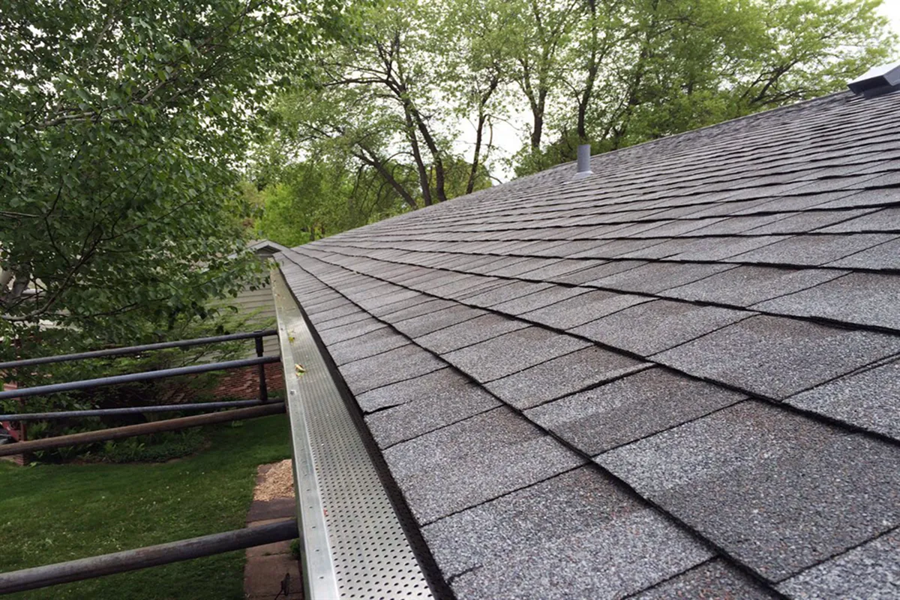
Where Can You Find the Original Roof Installation Date
Knowing the original installation date of your roof is an essential first step in determining its age and assessing its condition. While this information may not always be readily available, there are several practical ways to track it down. Below are some methods to help you find this important detail.
Check Documentation You Already Have
- Home Purchase Documents: If you bought your home, check the inspection report or disclosure statement from the previous owner. These documents often include details about significant upgrades or repairs, including roof installation.
- Warranty Papers: Many roofing materials and labor come with warranties that often list the installation date. If you have these records on hand, they can provide a precise timeline.
Ask the Previous Homeowner
If you’re in contact with the previous homeowner, don’t hesitate to ask them directly about the roof’s installation date. They may still have records or receipts stored away that can confirm when it was installed.
Contact the Roofing Contractor
If you know which company installed your roof, reach out to them for records. Reputable roofing contractors usually keep detailed files on past projects and can tell you:
- The exact installation date
- The type of materials used (which affects lifespan)
- Details about any guarantees or warranties they provided
Examine Building Permits
Roof installations require a building permit in most areas of the country. Contact your local municipality’s building department to inquire about permit records. These permits can provide reliable information about when major work like a new roof was done on your home.
Look for Physical Clues on the Roof Itself
Sometimes roofs have physical markers that indicate installation dates:
- Shingles may have manufacturer markings stamped on their underside that include production dates.
- Flashing around chimneys and vents sometimes includes engravings with a year of manufacture or installation.
Consult Your Homeowner’s Insurance Provider
Your insurance provider might also have helpful information if you’ve made claims related to roof repair or replacement in the past. They may keep notes on file about major updates made to your home’s structure.
| Resource | What It Might Provide |
| Home Purchase Documents | Inspection reports detailing recent repairs or replacements |
| Warranty Papers | Proof of material quality and exact installation timeline |
| Previous Homeowners | Informal records like receipts, invoices, or personal knowledge |
| Roofing Contractor | Full project details such as materials used and work completion |
| Building Permit Records | Official documentation outlining work done |
When You Can’t Determine an Exact Date
If none of these options yield results, observing visible signs of wear and tear (discussed in a later section) can give you clues about your roof’s age. Additionally, hiring a professional inspector is an excellent way to estimate both its current age and remaining lifespan based on material condition.
By following these steps diligently, you’ll either uncover specific documentation related to your roof’s age or collect enough clues to make an informed estimate moving forward into maintenance planning decisions.
What Are the Visible Signs of an Aging Roof
Shingle Damage
Shingles are one of the most noticeable components of a roof, and their condition can tell you a lot about its age. Look for:
- Cracked or curling shingles: As shingles age, they often lose their flexibility and start to curl away from the surface.
- Missing shingles: Sections where shingles are missing expose your home to water damage.
- Granule loss: Asphalt shingles have protective granules on their surface. If you notice excessive granules in gutters or around your downspouts, it could indicate shingle wear.
Leaks and Water Damage
If your roof is aging, leaks are more likely to occur, leading to water damage inside your home. Signs include:
- Water spots or stains on ceilings and walls inside the house.
- Dripping water during heavy rains or after snow begins to melt.
Sagging Areas
A sagging section is a serious sign that a roof may need immediate attention. This could be due to weakened structural support from prolonged water damage or simply due to excessive aging.
Flashing Deterioration
Flashings are typically found around chimneys, skylights, vents, and other areas where the roof meets another surface. Deteriorated flashing can create gaps that allow moisture penetration over time.
- Rusty or cracked flashing materials indicate aging.
- Missing flashing pieces should also raise concern.
Moss, Algae, or Fungi Growth
Organic growth such as moss or algae is often seen on roofs in damp climates but can also indicate prolonged moisture exposure—particularly if accompanied by rot beneath roofing materials.
It’s important to note that while moss might seem like a cosmetic problem at first glance, it can trap moisture against surfaces and accelerate deterioration.
Gutter Issues Related to Roof Aging
Your gutters sometimes reveal clues about the state of your roof:
- Accumulation of roofing material debris (such as granules) in gutters signals wear.
- Water overflow during rains might mean drainage issues related to sagging eaves or misaligned materials.
| Problem | Possible Cause | Recommended Action |
| Missing/Damaged Shingles | Wind damage/aging | Replace affected shingles |
| Sagging Roof | Structural weakness | Consult a roofing expert |
| Stains/Water Leaks | Cracked underlayment | Repair leak points |
Sunlight Penetration Through the Attic
If sunlight is visible through cracks in your attic ceiling boards during daylight hours, this typically indicates gaps in roofing materials caused by age-related wear and tear.
Inspecting these signs periodically—especially after severe weather—can help identify early problems with an aging roof before extensive repairs become necessary. If multiple signs are evident at once (e.g., curling shingles paired with frequent indoor leaks), consider consulting a professional roofer for an evaluation. Addressing these issues promptly will protect both the value of your property and its occupants’ safety over time.
How Does Roof Material Affect Its Expected Lifespan
The type of material used in roof construction is one of the most significant factors in determining how long a roof will last. Different roofing materials vary widely in their durability, resistance to weather, and overall longevity. Understanding how materials impact your roof’s lifespan can help you make informed decisions about maintenance and replacement.
Common Roofing Materials and Their Durability
| Roofing Material | Expected Lifespan | Key Features |
| Asphalt Shingles | 20–30 years | Affordable, versatile, easy to install |
| Metal Roofing (e.g., Steel or Aluminum) | 40–70 years | Durable, weather-resistant, recyclable |
| Clay or Concrete Tiles | 50–100 years | Long-lasting, resistant to heat and fire |
| Wood Shingles/Shakes | 25–30 years | Natural appearance but requires regular maintenance |
| Slate Tiles | 75–200+ years | Extremely durable but heavy and expensive |
Factors Influencing Roof Material Longevity
- Harsh climates with frequent storms or high winds can shorten the lifespan of asphalt shingles.
- Metal roofs are ideal for areas prone to extreme weather due to their durability.
- Clay tiles perform well in hot climates but may crack in areas where freeze-thaw cycles occur frequently.
- Quality of Installation:
Proper installation is critical for maximizing the lifespan of any roof. Poorly installed roofing materials are more likely to experience early failure. - Maintenance Requirements:
Regular maintenance extends a roof’s life regardless of material. For example:- Wooden shingles need routine sealing to prevent moisture damage.
- Metal roofs may require occasional repainting to prevent corrosion.
- Material Grade:
Higher-quality versions of materials generally last longer. Premium architectural asphalt shingles, for instance, tend to outlast basic three-tab varieties.
Comparing Roof Materials Based on Lifespan vs Cost
- For short-term affordability: Asphalt shingles provide good value with a reasonable lifespan.
- For long-term durability: Slate tiles or metal roofs are excellent investments despite higher upfront costs.
- For aesthetic appeal: Materials like wood shakes or clay tiles combine functionality with unique visual charm.
Making an Informed Decision
When evaluating your roofing options:
- Assess your budget alongside the typical lifespan of the material you’re considering.
- Take your local climate into account before selecting a specific type of roof. Some materials perform better than others under certain conditions.
- Consult a roofing professional who can guide you based on your home’s structure and location.
By understanding how different roofing materials influence their expected lifespans, you’ll be better equipped to maintain your current roof or select the most suitable one when it’s time for replacement.
How Long Do Different Types of Roofing Materials Last
Understanding the lifespan of different roofing materials is essential when determining the age of your roof or planning for a replacement. Various materials come with unique durability, maintenance needs, and aging patterns. Below is a comprehensive guide to help you understand the expected lifespan of popular roofing materials.
Asphalt Shingles
Asphalt shingles are one of the most common roofing materials due to their affordability and ease of installation. However, their lifespan can vary depending on quality:
- 3-tab shingles: Typically last 20–25 years.
- Architectural shingles: More durable with a lifespan of 30–50 years due to their heavier construction and better weather resistance.
Regular maintenance, such as cleaning debris from gutters and inspecting for damage after storms, can extend their life.
Metal Roofing
Metal roofs are prized for their longevity and durability against harsh elements. They are low-maintenance and eco-friendly, often made from recyclable materials:
- Aluminum or steel panels: Generally last 40–50 years.
- Copper or zinc roofs: Premium options that can last over 70 years if properly maintained.
Factors such as coating quality and local climate influence metal roofing longevity.
Wood Shingles and Shakes
Wood roofing offers a natural aesthetic but requires regular upkeep to prevent rot, moss growth, or insect damage:
- Expected lifespan ranges from 20–30 years, depending on wood type (cedar is preferred for its durability).
Periodic treatments with preservatives can protect wood roofs from moisture damage and UV rays.
Clay and Concrete Tiles
Clay and concrete tiles are highly durable options found in many Mediterranean-style homes:
- Clay tiles: Can last over 50 years when installed correctly. They resist fire, wind, and pests exceptionally well.
- Concrete tiles: Offer similar longevity (40–60 years) but weigh more than clay, requiring reinforced structural support in some cases.
Proper installation is crucial; incorrectly laid tiles may shorten their expected life.
Slate Roofs
Slate roofs are considered one of the most durable options available:
- Can last up to 75–100+ years, making them an excellent investment for long-term homeowners.
However, slate roofs require professional installation due to their weight and delicate nature during handling.
Synthetic Roofing Materials
Innovative synthetic materials replicate the appearance of traditional ones like slate or wood while offering improved durability at a lower cost:
- Lifespan typically ranges between 20–50 years, depending on material composition (e.g., composite shingles).
Synthetic options often include UV inhibitors that make them more resilient in sunny climates.
| Roofing Material | Average Lifespan | Key Maintenance Tips |
| Asphalt Shingles | 20–50 years | Inspect after storms; clean gutters regularly |
| Metal Roofing | 40–70+ years | Recoat periodically; check for rust |
| Wood Shingles/Shakes | 20–30 years | Apply preservatives; clear moss/debris |
| Clay/Concrete Tiles | 40–60+ years | Repair cracks promptly; inspect flashing |
| Slate | 75–100+ years | Hire professionals for repairs |
| Synthetic Roofing Materials | 20–50 years | Follow manufacturer-specific care guidelines |
Factors That Influence Lifespan
While these general lifespans provide a guideline, factors like location-specific weather conditions (e.g., heavy snow or UV exposure), ventilation quality, installation techniques, and ongoing maintenance play critical roles in how long your roof will actually last. Always consult with professionals who are familiar with your local environment to get an accurate assessment tailored to your home’s specific needs.
By understanding how long different roofing materials typically last—and what’s required to maintain them—you’ll be better equipped to make informed decisions about repair or replacement timelines.
When Should You Replace an Aging Roof
Deciding when to replace an aging roof is critical to maintaining the safety, functionality, and value of your home. While regular maintenance can extend the lifespan of a roof, there comes a time when repairs are no longer enough. Below are key factors to consider when determining if it’s time for a roof replacement.
Signs That Replacement Is Necessary
- Frequent Repairs: If you find yourself constantly fixing leaks or replacing shingles, it may be more cost-effective to replace the entire roof.
- Sagging Roof Deck: A sagging or drooping roof is often a sign of structural issues that require immediate attention and full replacement.
- Water Damage or Leaks: Persistent water stains on ceilings or walls suggest that your roof has lost its ability to keep moisture out effectively.
- Widespread Shingle Issues: Missing, curling, cracked, or blistered shingles covering large areas often indicate that the roofing material has reached the end of its lifespan.
- Presence of Mold or Rot: Mold growth or rotting wood in the attic can signal severe moisture intrusion from an aging roof.
Age Considerations
| Roofing Material | Average Lifespan | Replacement Indicator |
| Asphalt Shingles | 20–30 years | Curling/missing shingles; granule loss |
| Metal Roofing | 40–70 years | Dents, corrosion, or loose fasteners |
| Wood Shakes/Shingles | 25–40 years | Cracking, splitting, significant wear |
| Clay/Concrete Tiles | 50–100 years | Broken tiles; underlayment deterioration |
| Slate Roofing | 75–200 years | Cracked/sliding tiles; mortar decay |
If your roof is nearing (or exceeding) these age limits and showing visible signs of wear and tear, it’s likely time for a replacement.
Energy Efficiency Considerations
Older roofs often lack modern insulation features that help regulate indoor temperatures. If you’ve noticed rising energy bills due to heat loss in winter or excessive heat gain in summer, upgrading to a newer roof with better energy efficiency could save you money in the long run.
Weather Damage Assessment
Extreme weather events such as hailstorms, heavy snowfall, or hurricanes can shorten a roof’s life significantly. If your area has experienced recent storms and your insurance adjuster has noted extensive damage during an inspection, replacing your roof might be unavoidable.
Cost Versus Risk Analysis
Weighing repair costs against full replacement expenses can guide your decision-making process:
- Calculate cumulative repair costs over recent years—if they’re approaching the cost of replacing your entire roof outright, replacement is likely more practical.
- Factor in potential risks such as water damage to interior structures if repairs fail.
Professional Inspection Recommendations
Have a licensed roofing contractor perform regular inspections to assess overall condition and provide expert recommendations on whether repairs will suffice or if total replacement is warranted.
By staying proactive about these considerations and addressing aging roofs promptly when necessary, you’ll avoid costly emergency repairs while preserving both safety and property value.