Why Choosing the Right Gutters for a Metal Roof Matters
When it comes to protecting your home or commercial building, gutters are an essential yet often underestimated component of your roofing system. For structures with metal roofs, selecting the right gutters becomes even more critical. A metal roof is designed to provide superior durability and longevity compared to traditional roofing materials, but without the proper gutter system in place, its efficiency and lifespan can be compromised.
Metal roofs are known for their ability to shed water quickly due to their smooth surface and steep pitch. However, this rapid runoff means that water can overwhelm ill-suited or improperly installed gutters, leading to issues such as water pooling near your foundation, erosion around your landscaping, and even damage to siding or fascia boards. Choosing the right type of gutter ensures that runoff is efficiently managed, protecting not only the roof but also other structural elements of your property.
Furthermore, pairing a durable gutter system with a metal roof increases overall energy efficiency and contributes to sustainable building practices by reducing the risk of leaks and water damage. Gutters specifically designed for metal roofs are often engineered to handle heavy rainfall and snow loads more effectively than standard systems. Picking materials that complement the lifespan of a metal roof ensures you won’t need frequent replacements or repairs.
Another reason why choosing compatible gutters matters lies in aesthetic harmony. Metal roofs often have a sleek, modern appearance or even rustic charm depending on their finish. The wrong gutter style could detract from these design elements rather than enhance them. Selecting gutters that visually align with your roof material allows for a seamless look that boosts curb appeal without sacrificing function.
Additionally, poorly chosen or low-quality gutters can cause long-term structural headaches beyond aesthetic concerns. Overflowing water leads to moisture problems in basements or crawl spaces and can erode soil around your foundation over time—issues that could have been prevented with an appropriate gutter system tailored for metal roofs.
Whether you’re building new construction or upgrading an existing structure with a metal roof, investing time into selecting the ideal gutter system pays off in both performance and peace of mind. By understanding how gutters support the functionality of your metal roof while also contributing to its visual appeal and longevity, you’re making a decision that protects one of your most significant investments: your home or building.
Understanding Different Gutter Materials
When it comes to choosing gutters for your metal roof, understanding the variety of materials available is essential. The right material can significantly impact the durability, functionality, and overall performance of your gutter system, especially when paired with the unique characteristics of a metal roof. Each material offers distinct advantages and challenges that should align with your specific climate, aesthetic preferences, and budget.
Aluminum Gutters
Aluminum is one of the most popular choices for gutters due to its lightweight nature and resistance to rust. It complements metal roofs well because it does not corrode when in contact with water over time. Additionally, aluminum gutters are available in a wide range of colors, allowing you to match or accentuate the aesthetic appeal of your roof. However, they may dent more easily than other materials if subjected to heavy impacts or extreme weather conditions.
Steel Gutters
Steel gutters are known for their strength and durability. They can withstand heavy rainfall and snow loads without losing their shape or function. Galvanized steel gutters are coated to resist rusting; however, over time, this coating can wear away if not properly maintained. For those in areas prone to extreme weather conditions like hailstorms or high winds, steel is an excellent choice for its resilience against damage.
Copper Gutters
For homeowners seeking a premium option that exudes elegance and timelessness, copper gutters are an outstanding choice. They develop a rich patina over time that adds character and charm to any home’s exterior. Copper works particularly well with metal roofs because its longevity often matches—or even exceeds—that of the roof itself. While stunning in appearance and highly durable, copper is significantly more expensive than other materials and requires professional installation due to its weight.
Vinyl Gutters
Vinyl gutters are cost-effective and easy to install but may not be ideal for pairing with a metal roof in all regions. While they resist rusting since they aren’t made of metal at all, vinyl tends to crack or warp under extreme temperatures or prolonged exposure to UV rays—making them less suitable for areas with harsh climates. Homeowners often select vinyl for smaller projects or when working within tight budgets.
Zinc Gutters
Zinc gutters are another premium choice that offers exceptional durability and minimal maintenance requirements. These gutters develop a protective patina layer like copper but do so at a lower price point (though still higher than aluminum or vinyl). Zinc pairs beautifully with modern architectural designs as well as classic homes featuring intricate details.
Climate Considerations When Selecting Gutter Materials
- In coastal areas where saltwater exposure accelerates corrosion, non-ferrous materials like copper or aluminum perform better.
- Regions prone to heavy snowfalls benefit from stronger options such as steel.
- Hot climates require materials resistant to UV degradation like zinc or painted aluminum.
Understanding these geographic factors will ensure your gutter system remains functional regardless of environmental conditions.
Making an informed decision about which gutter material best suits your needs ensures both long-term performance and aesthetic harmony with your home’s design. Always consider how each option will interact not only with your metal roof but also within the context of your regional climate before making a final decision on your gutter investment.
How Roof Pitch Affects Gutter Performance
The pitch of your metal roof plays a crucial role in how effectively your gutters manage water flow. Roof pitch refers to the steepness or angle of your roof, and it directly impacts how quickly water travels down the surface during rainfall. Understanding this dynamic is essential to ensure that your gutter system can handle the volume and speed of water runoff without overflowing or causing damage to your property.
Faster Water Runoff with Steeper Pitches
Steeper roofs often experience faster water runoff compared to flatter ones. This rapid movement means that gutters installed on roofs with a high pitch must be able to handle a larger volume of water in a shorter amount of time. If the gutters are too narrow or have insufficient capacity, they may overflow during heavy rain, leading to potential issues like soil erosion around your foundation, leaks, or damage to siding.
- Opt for gutters with a larger width or increased capacity.
- Consider installing additional downspouts to help distribute the water flow effectively.
- Use gutter guards or screens to prevent debris accumulation since fast-moving water can also carry leaves and debris into the system.
Gentler Slopes Require Different Solutions
On the other hand, roofs with a lower pitch cause water runoff at a slower pace. While this might seem less demanding on gutters, slower drainage increases the likelihood of standing water accumulating if the system isn’t properly graded. Standing water not only weighs down your gutters but can also lead to rusting and overflow during prolonged rainstorms.
- Ensure proper slope in your gutter installation so that water flows consistently toward downspouts.
- Regularly inspect for blockages since slower-moving systems are more prone to clogs.
- Choose durable materials like aluminum or stainless steel that resist corrosion even with prolonged exposure to standing moisture.
Matching Gutter Style and Pitch
An often-overlooked aspect is ensuring that the gutter style you choose complements your roof’s pitch. K-style gutters are known for their higher capacity and are typically better suited for steeper pitches due to their ability to handle high volumes of water. Meanwhile, half-round gutters provide an elegant option for lower-pitch roofs but may require sizing adjustments if used on steeper slopes.
Avoiding Splashback Issues
- Install splash guards where needed—particularly at valleys where multiple parts of the roof converge.
- Adjust gutter placement so they sit slightly closer under the edge of metal roofing panels.
- Use drip edge flashing along rooflines for enhanced control over runoff directionality.
Final Thoughts on Roof Pitch and Gutters
When selecting gutters for your metal roof, evaluating its pitch should be one of your first steps in planning an effective system tailored specifically for its needs. By aligning gutter size, style, material selection, and installation techniques with how steep (or shallow) your roof is angled, you’ll create a durable solution capable of protecting both aesthetics and functionality over time—all without compromises in performance during harsh weather conditions.
How Roof Pitch Affects Gutter Performance
The pitch of your metal roof is a critical factor to consider when selecting gutters, as it directly influences how effectively water is channeled away from your home. Roof pitch refers to the steepness or slope of the roof, and it plays a significant role in determining the volume and speed at which rainwater flows toward your gutters. Understanding this relationship can help you make informed choices about gutter design, size, and placement.
The Impact of Steep Roof Pitches
Metal roofs with steep pitches are designed to shed water quickly, which is one reason they are popular in regions prone to heavy rainfall. However, this rapid runoff can overwhelm improperly sized gutters or those with inadequate downspouts. If your roof has a high pitch, water will flow down faster than on a lower-sloped roof. Without adequate gutter capacity, this increased velocity can lead to overflow issues, staining on exterior walls, and potential foundation damage.
To address these challenges for steep pitches: – Opt for larger gutters that can handle more water volume. – Install additional downspouts to distribute the runoff more evenly. – Consider splash guards at corners or areas where water tends to cascade heavily.
Considerations for Low-Slope Roofs
In contrast, low-slope metal roofs allow water to travel more slowly toward the edges. While this reduces the risk of overwhelming gutters during heavy rains, it increases the chance of debris buildup and standing water within them. Standing water not only stresses your gutter system but can also lead to rusting over time if left unchecked.
For low-slope roofs: – Ensure that gutters have sufficient slope (or pitch) themselves for proper drainage. – Regularly clean out debris like leaves or dirt that may accumulate and impede flow. – Pair with gutter covers or screens if you live in an area surrounded by trees.
Matching Gutter Systems to Your Roof’s Pitch
Selecting an appropriate gutter system involves striking a balance between functionality and aesthetics while accounting for the roof’s specific needs. For example: – On steep roofs where large amounts of water flow quickly: seamless K-style gutters are often preferred because they maximize capacity without compromising appearance. – For homes with moderate or flat-pitched roofs in traditional designs: half-round gutters may provide adequate performance while complementing architectural styles.
Additionally, if you live in snowy climates with steeply pitched metal roofs prone to snow slides or ice dams, installing snow guards alongside robust gutters is highly recommended for added protection.
The Role of Professional Assessment
Although DIY solutions exist for measuring roof pitch and installing compatible gutters, consulting with a professional roofer or installer ensures accuracy and long-term reliability. Experts will evaluate not just pitch but also factors like eave overhangs and regional weather patterns when recommending gutter configurations suited specifically for your home.
By paying close attention to how your roof’s slope impacts water flow dynamics, you can choose gutter systems designed not only for peak performance but also longevity under varying conditions. This proactive approach safeguards both your property’s structural integrity and its curb appeal over time.
Comparing K-Style and Half-Round Gutters
When choosing gutters for a metal roof, understanding the differences between K-style and half-round gutters is critical. These two popular gutter styles each offer distinct advantages and aesthetics, making them suitable for different needs depending on your roof design, climate, and maintenance preferences. Let’s explore these two options in-depth to help you make an informed decision.
Aesthetic Differences: Modern vs. Traditional Charm
K-style gutters feature a flat back with an angled front that often resembles crown molding. Their sleek appearance makes them a popular choice for modern homes or properties with contemporary architecture. The angular design blends seamlessly with sharp rooflines or bold exterior features, creating a polished look.
Half-round gutters, on the other hand, have a semi-circular shape and exude old-world charm. They are commonly chosen for historic homes, cottages, or properties aiming for a classic or rustic aesthetic. Their curved shape pairs well with more traditional architectural styles and complements rounded or softer design elements.
Functionality: Which Performs Better?
K-style gutters tend to have a higher capacity than half-round gutters of the same width due to their flat bottom and vertical sides. This additional capacity makes them ideal for areas prone to heavy rainfall or where managing large water volumes is crucial.
Half-round gutters are slightly less efficient in terms of water volume because their curved design provides less surface area. However, they excel in self-cleaning efficiency—water flows more smoothly through the rounded interior walls, reducing debris buildup compared to K-style systems with sharper angles where dirt can accumulate.
Durability and Maintenance
- K-Style Gutters: The angular corners in these designs often trap debris such as leaves and twigs more easily than half-round systems. If you live in an area surrounded by trees or experience frequent storms that bring debris onto your roofline, you may need to clean K-style gutters more frequently.
- Half-Round Gutters: Thanks to their smooth curves and lack of corners where debris can collect, half-round gutters are easier to keep clean over time. They require less frequent cleaning but may need specialized brackets during installation since they don’t lie flush against fascia boards like K-style options.
Cost Considerations
K-style gutters are typically more affordable due to their widespread popularity and ease of mass production. Installation costs are also often lower because they attach directly to fascia boards without requiring additional support structures.
Half-round gutters are generally more expensive due to their unique shape and smaller market share. Additionally, specialized mounting brackets may increase overall installation costs compared to K-style systems.
Choosing Based on Your Metal Roof Needs
- If your metal roof has angular lines or modern finishes such as standing seam panels, K-style gutters will likely complement its aesthetic while providing excellent water management.
- For curved roofing profiles or if maintaining historical accuracy is important (e.g., with copper roofs), half-round gutters might be the optimal choice both visually and functionally.
By carefully weighing factors such as style preference, budget constraints, climate demands, and maintenance requirements against each gutter type’s characteristics mentioned above—you’ll ensure your final decision is practical while enhancing your home’s overall appearance and functionality without compromise.
Important Installation Considerations for Metal Roofs
When it comes to installing gutters on a metal roof, careful planning and attention to detail are essential. Metal roofs have unique properties that can influence the effectiveness and longevity of gutters, so understanding these considerations is key to ensuring the system functions properly.
Addressing Water Shedding Properties of Metal Roofs
Metal roofs are known for their smooth, slick surfaces, which allow water to shed quickly during rainfall. While this is beneficial for preventing water pooling on the roof itself, it can create challenges for gutters if they are not installed correctly or if they lack sufficient capacity. To handle the increased volume and speed of water runoff, ensure that your gutter system is appropriately sized and positioned. Poorly placed or undersized gutters may lead to overflow during heavy rainstorms.
Installing Snow Guards in Cold Climates
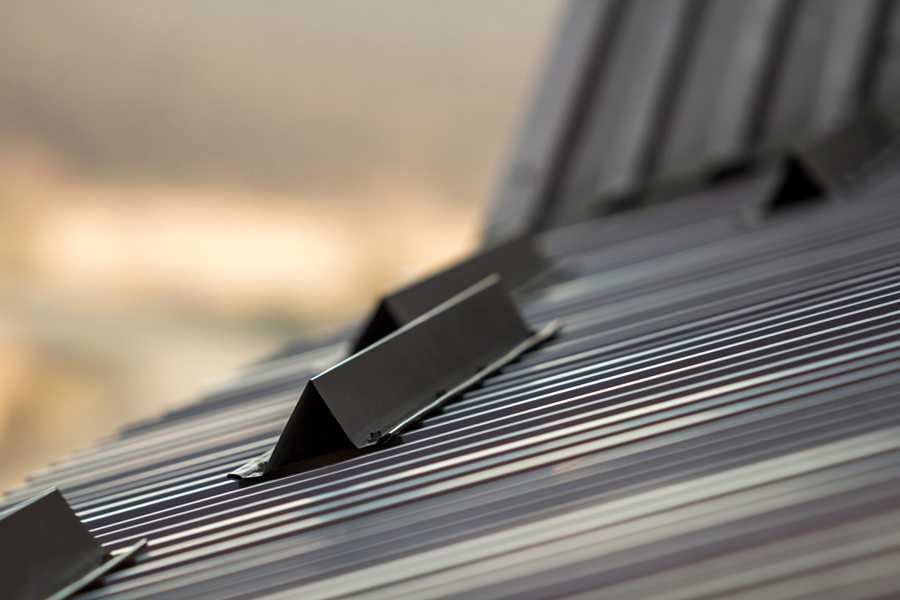
In regions with significant snowfall, snow guards are an important consideration for metal roofs. These devices help prevent large sheets of snow from sliding off the roof all at once. Without snow guards, a sudden avalanche of snow could damage your gutter system or create safety hazards around your property. By slowing down the release of snow and ice, snow guards protect both your gutters and surrounding areas.
Using Proper Fastening Systems
Unlike traditional roofing materials, metal expands and contracts with temperature changes. This movement can place stress on improperly installed gutters or fasteners over time. To avoid damage, always use flexible mounting brackets or hangers designed specifically for metal roofs. These systems allow slight movement without compromising the structural integrity of your gutter system.
It’s also worth noting that direct attachment of gutters to a metal roof should be avoided wherever possible. Instead, attach them securely to fascia boards or use specialized brackets that don’t interfere with the roof’s panels.
Accounting for Roof Pitch
The pitch—or steepness—of your metal roof plays a significant role in how well water flows into your gutter system. A steeper pitch increases the speed at which rainwater runs off the surface. For high-pitched roofs, you may need wider gutters or splash guards to ensure efficient water collection without spillage over the edges.
Protecting Against Corrosion
While many modern metal roofing materials are coated to resist rust, traditional galvanized steel components in gutters might still be prone to corrosion when exposed to moisture over time. Use corrosion-resistant materials such as aluminum or stainless steel for both your roof’s flashing and gutter system to minimize this risk.
Additionally, applying sealants compatible with metal surfaces at connection points can further safeguard your installation from leaks and rust caused by prolonged exposure to rainwater.
Avoiding Gutter Damage During Installation
Care must also be taken during installation itself to prevent accidental damage to either the roof panels or newly installed gutters. Tools like foam pads can be used when positioning ladders against a metal roof so as not to dent its surface while working on adjacent areas like fascia boards where brackets will be secured.
By considering these factors carefully before installing new gutters on a metal roof—or retrofitting an existing one—you’ll save yourself time and money down the line while ensuring optimal performance year-round.
Maintenance Tips to Extend the Life of Your Gutters
Proper maintenance is essential for ensuring the longevity and efficiency of your gutters, especially when paired with a durable metal roof. Neglecting routine care can lead to blockages, rust, leaks, or even structural damage to your roof and home. By adopting a few straightforward habits and understanding what your gutters need over time, you can keep them functioning optimally for years.
Regular Cleaning Is Essential
One of the most important aspects of gutter maintenance is keeping them clean. Over time, leaves, sticks, dirt, and debris can accumulate in your gutters. This can lead to blockages that prevent water from flowing through properly. Clogged gutters are especially problematic for metal roofs because water may back up and cause erosion or damage to the roof’s edge.
- Clean your gutters at least twice a year—usually in spring and autumn—or more frequently if you live near trees that shed heavily or in areas prone to storms.
- Use gloves or gutter-cleaning tools designed to scoop out debris safely without damaging the gutter material.
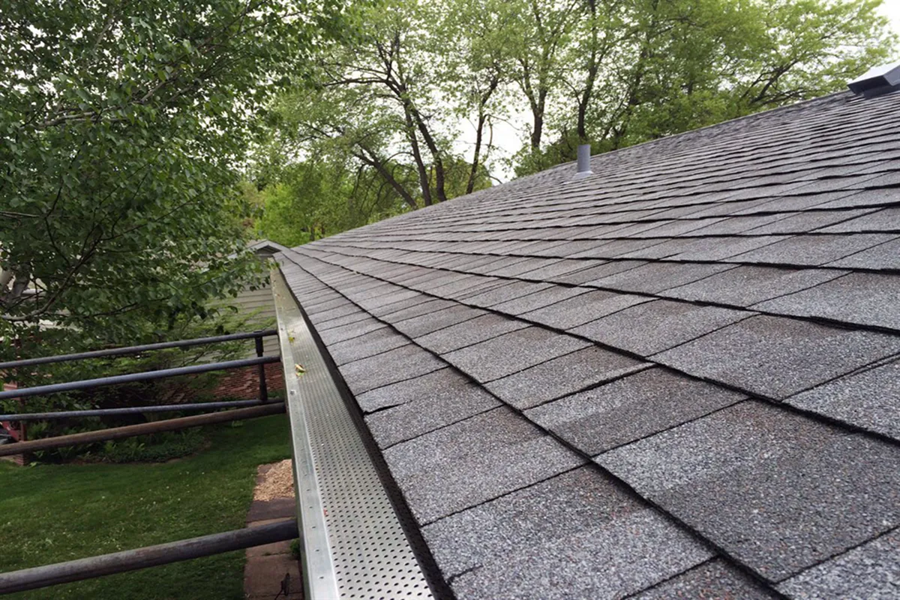
- Consider installing leaf guards or mesh screens to minimize the amount of debris entering your gutters.
Inspect for Damage Regularly
Wear and tear are inevitable over time, but catching small issues early can prevent costly repairs down the road. Make it a habit to inspect both your gutters and downspouts regularly for any signs of damage.
- Look for cracks, rust spots (especially on steel gutters), holes, or sagging sections that might indicate weakening joints.
- Check for loose fasteners or screws along the gutter system.
- Inspect seams where two pieces are joined together; leaks often originate from poorly sealed joints.
When you spot minor damage, don’t delay repairs—seal small leaks with gutter sealant and replace any broken components promptly.
Ensure Proper Drainage Flow
- Use a hose to test water flow through the entire system.
- Confirm that water is exiting freely from downspouts without pooling around your foundation.
- Adjust any downward slopes on long gutter runs so rainwater flows efficiently toward downspouts.
If drainage remains poor despite these efforts, consult with a professional as there may be an issue with installation alignment.
Protect Against Corrosion
Even though metal roofs are resistant to corrosion themselves, gutters made from materials like aluminum or steel can still develop rust if not cared for properly. Dirt buildup combined with moisture creates an ideal environment for corrosion over time.
- Keep debris out using guards as mentioned earlier.
- Rinse away dirt after major storms if sediment has settled along gutter surfaces.
- For steel systems specifically: apply anti-corrosion treatments periodically based on manufacturer recommendations.
Trim Overhanging Branches
- Prevents excessive organic buildup in both roof valleys and troughs below.
- Reduces risks posed by falling branches during strong winds affecting either structure overall stability/functionality
Trimming annually ensures improved airflow/sunshine exposure benefiting all aspects house ecosystem functionality beyond just extending lifespan residential drainage infrastructure solutions.