Why Roofing Quality Matters Long After Installation
The roof is one of the most critical components of any structure. It serves as the first line of defense against weather elements, safeguarding the interior from rain, wind, snow, and sun. While it might be easy to overlook the importance of roofing quality during installation, its long-term effects on a building’s integrity and safety cannot be overstated. The quality of materials used and the craftsmanship involved in putting those materials together create a ripple effect that impacts everything from energy efficiency to structural soundness.
A well-installed roof doesn’t just protect your home or commercial building; it provides peace of mind. Poor workmanship or substandard materials may seem inconsequential at first—especially if no issues are immediately visible—but these flaws can manifest years later, often in ways that are both costly and dangerous to address. High-quality roofing ensures durability and reduces the risk of future complications like leaks, sagging structures, or insulation problems.
Beyond protecting the building itself, roofing quality influences energy efficiency over time. A poorly installed roof with improper sealing or insufficient insulation can lead to significant heat loss during winter and increased heat gain during summer. This forces HVAC systems to work harder than necessary, causing utility bills to climb steadily year after year. On the other hand, a properly installed roof ensures consistent thermal performance over its lifespan.
Roofing quality also plays a major role in maintaining property value. If you ever decide to sell your property years after installation, potential buyers will scrutinize every aspect of its condition—including the roof. A well-maintained and high-quality roof signals that the property has been cared for properly throughout its lifetime. Conversely, evidence of poor workmanship can raise red flags for buyers who may anticipate expensive repairs down the line.
Another critical consideration is how roofing interacts with extreme weather conditions as years pass by. Storms, heavy rainfall, snow accumulation—all these environmental factors test a roof’s resilience over time. If corners were cut during installation—whether through improper flashing techniques or low-quality shingles—these weaknesses will eventually surface when under stress from severe weather.
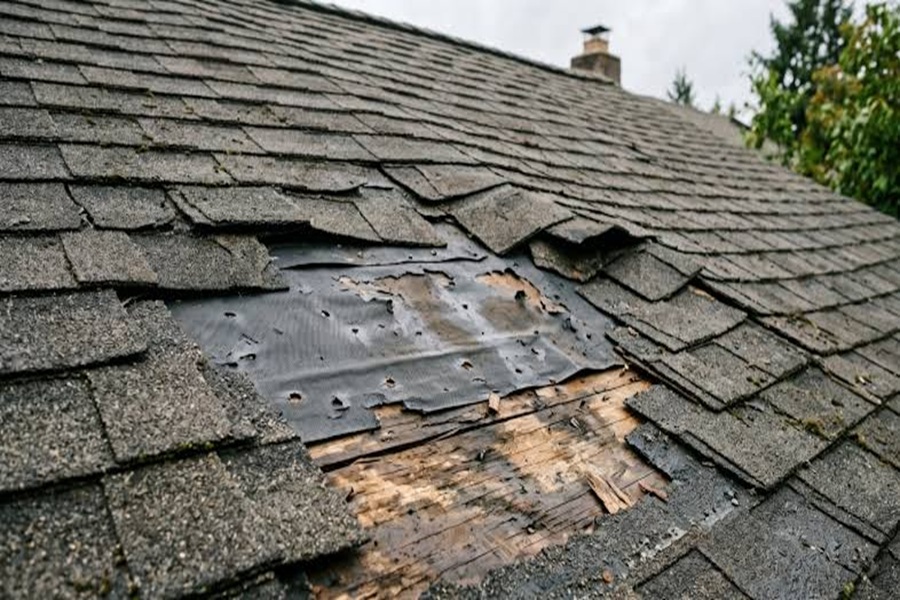
Lastly, investing in high-quality roofing upfront minimizes disruption later on. Repairs stemming from poor workmanship often require invasive procedures such as removing large sections of shingles or even replacing entire portions of structural decking beneath them. These repairs not only disrupt daily life but also come with hefty price tags that could have been easily avoided by emphasizing quality during initial installation.
Overall durability depends on both craftsmanship and material choices working in harmony over time. A professional roofer understands this delicate balance and ensures all elements are installed correctly—not just for today but for decades ahead—making initial investment worthwhile instead of an ongoing liability hidden beneath layers waiting silently until problems arise long after installation day is forgotten.
Common Roofing Mistakes That May Not Be Immediately Visible
When it comes to roofing, not all errors are immediately obvious. While some issues, such as missing shingles or water infiltration, may present themselves early on, many mistakes remain hidden for years before they develop into more significant problems. These hidden flaws can silently compromise the integrity of your roof and home, leading to costly repairs down the road. Understanding the most common errors in roofing—and why they might go unnoticed—can help homeowners make informed decisions about installation and maintenance.
One of the most frequent mistakes involves improper nailing techniques. Roofing nails must be placed precisely in order to secure shingles effectively. If nails are overdriven, underdriven, or placed incorrectly (such as too high on the shingle), it can compromise their ability to withstand wind and water exposure. Initially, these misplaced nails may not cause visible damage; however, over time, poorly fastened shingles can loosen or allow water infiltration.
Another common issue stems from inadequate ventilation in the attic space beneath the roof. Proper ventilation is critical for regulating temperature and moisture levels throughout the year. Without it, condensation can build up inside the attic, leading to mold growth and wood rot that weakens structural components over time. Homeowners often don’t realize there’s an issue until they spot mold stains on ceilings or experience a noticeable dip in indoor air quality.
Flashing installation is another area prone to subtle but damaging errors. Flashing refers to thin metal strips installed around roof penetrations like chimneys, skylights, or vents to divert water away from seams and joints. Improperly aligned or sealed flashing might appear functional at first glance but can allow small amounts of water to seep through during heavy rains or snowmelt cycles—potentially causing damage that grows worse with each passing year.
Additionally, inconsistent shingle alignment is a detail that may go unnoticed during installation but can lead to significant problems later on. Misaligned shingles not only detract from a roof’s overall appearance but also create gaps where wind-driven rain can penetrate beneath the surface layer.
Homeowners should also be cautious about low-quality materials used during installation. Substandard shingles may appear comparable to premium options initially but degrade much faster under sun exposure and harsh weather conditions. By the time signs of wear become apparent—such as curling edges or cracks—it may already be too late to address underlying issues without an extensive overhaul.
To avoid these hidden pitfalls associated with poor workmanship, homeowners should prioritize hiring licensed professionals with a track record of success in roofing projects. A thorough inspection by experienced contractors post-installation can also help identify any early signs of trouble before they escalate into larger concerns.
Ultimately, spotting these invisible mistakes requires vigilance and expertise—but doing so could save you from unexpected expenses years after your roof has been installed.
How Improper Flashing Installation Leads to Future Leaks
Flashing is a critical component of any roofing system, serving as a protective barrier to prevent water from seeping into vulnerable areas of the roof. Installed around roof penetrations such as chimneys, skylights, vents, and valleys where different roof sections intersect, flashing is designed to direct water away from these points. When installed improperly, however, flashing becomes a hidden liability that can lead to costly issues years down the line.
The Role of Flashing in Waterproofing
Flashing materials—typically metal or synthetic membranes—are not just decorative trims; they play an essential functional role. They create watertight seals that safeguard your home’s structural integrity. Properly installed flashing blends seamlessly with shingles and other roofing materials to form a continuous barrier against moisture. Even tiny gaps or irregularities in its installation can compromise this barrier, allowing water intrusion over time.
Common Mistakes During Flashing Installation
One of the most frequent errors in flashing installation is improper alignment or securing of the material. If the flashing isn’t properly overlapped or sealed with roofing cement or adhesives, it leaves openings for water to penetrate. Another issue arises when nails are placed too close to the edges of the flashing, creating holes that allow moisture infiltration.
Additionally, using subpar materials during installation can lead to premature deterioration. For instance, opting for thin aluminum instead of higher-quality galvanized steel may save money initially but results in corrosion and vulnerability within just a few years.
In some cases, contractors may skip installing step flashing altogether at roof-wall junctions or chimneys simply to save time—a shortcut that guarantees future problems once heavy rains arrive.
Consequences That Emerge Over Time
The effects of poorly installed flashing can take years to fully manifest. Homeowners might notice subtle signs like staining on ceilings or walls or more obvious problems like leaks after heavy rainfall. Beyond visible symptoms, improper flashing contributes significantly to hidden damage within attic spaces and walls.
Prolonged exposure to moisture leads not only to rotting wooden structures but also serves as breeding grounds for mold and mildew growth—both of which pose health risks if left unaddressed. Furthermore, repeated cycles of freezing and thawing can expand even minor cracks around flawed flashings into significant structural weaknesses over time.
Preventative Measures for Proper Flashing Installation
The best way to avoid future issues caused by poor flashing is by ensuring it’s done correctly during initial installation. Select high-quality materials suitable for your climate conditions—the choice between copper, galvanized steel, or specialized rubber membranes should depend on durability requirements specific to your region.
It’s equally important that homeowners work with licensed professionals familiar with industry standards for proper application techniques such as layering under shingles and ensuring adequate overlap between sections of material. Request detailed documentation from contractors about their methods during installation; asking questions upfront can provide peace of mind later on.
For an added layer of safety after installation is complete, schedule regular roof inspections every few years—especially following severe storms—to catch early signs of wear or potential failure around flashings before they escalate into larger concerns.
By prioritizing proper workmanship when it comes to installing flashings today, homeowners can avoid headaches tomorrow while safeguarding their investment for decades ahead.
Signs of Poor Workmanship Around Shingles and Roof Penetrations
The shingles and roof penetrations on a building are critical components that protect the structure from water intrusion, wind, and other environmental factors. When installed poorly, these areas can become weak points that lead to major problems over time. Often, issues around shingles and penetrations may not be immediately noticeable but can escalate into costly repairs if left unaddressed. Understanding the signs of poor workmanship in these areas is essential for homeowners, property managers, and anyone responsible for a building’s upkeep.
Misaligned or Uneven Shingles
One of the most obvious signs of poor workmanship is shingles that appear uneven or misaligned. High-quality roofing work ensures that shingles are properly aligned to create a seamless barrier against water entry. However, when shingles are installed hastily or with minimal attention to detail, gaps may form between them or their edges may not line up correctly. Such imperfections can expose your roof to water penetration during heavy rain or snow.
In many cases, improper alignment also leaves portions of the underlayment exposed to UV radiation from the sun. Over time, this exposure can degrade the underlayment material and compromise its ability to keep moisture out.
Inadequate Sealing Around Roof Penetrations
Roof penetrations—such as chimneys, vents, skylights, and plumbing stacks—are particularly vulnerable areas when it comes to roofing integrity. Poor sealing around these features often results in leaks that may go unnoticed until significant damage has occurred inside the house.
Signs to watch for include visible gaps where flashing meets roofing materials or where caulking appears thin, cracked, or absent altogether. High-quality workmanship involves applying durable flashing materials properly and adding an extra layer of sealant for long-term durability.
Curling or Lifting Shingles
Curling shingles are often a sign of either improper installation techniques or low-quality materials used during construction. When nails are placed too high up on a shingle (known as “high nailing”) or not driven in securely enough, it prevents the shingle from lying flat against the roof deck.
Over time, curled edges can collect debris like leaves and create pockets where water pools instead of draining off efficiently. This pooling exacerbates wear-and-tear on neighboring components of your roof system while increasing moisture risks at vulnerable spots.
Gaps at Ridge Caps and Valleys
Ridge caps (the shingles along roof peaks) and valleys (where two roof sections meet) must be installed with precision since they bear significant exposure to running water during storms. Gaps left in these areas due to rushed installation allow water to seep through more easily than elsewhere on your roof.
When inspecting ridge caps or valleys after installation—or several years later—you’ll want confirmation that every piece was secured tightly without leaving any exposed fasteners vulnerable to rusting over time.
Practical Tips for Homeowners
- Conduct visual inspections regularly by walking around your home’s perimeter with binoculars.
- Hire professional inspectors annually if you live in severe weather-prone regions.
- During installation projects—or even repairs—request photographs once work reaches key phases so you can confirm accuracy before completion payment is issued.
- Address concerns immediately; small fixes cost far less than rehabilitating entire roofing sections once mold spreads indoors due undetected leaks caused by faulty shingle placement above critical penetrative access points like air vents beneath attic flooring joists etc
Hidden Moisture Damage and Structural Problems
One of the most insidious consequences of poor workmanship in construction or renovation is hidden moisture damage, which can silently weaken structural elements over time. This type of damage is often not immediately visible, making it particularly dangerous because it can go unnoticed for years until it manifests as a much larger problem.
How Moisture Becomes Trapped
Improper sealing, missing vapor barriers, or incorrect installation of building materials are some of the most common culprits that allow moisture to infiltrate a structure. For example, improperly installed roofing underlayment or poorly executed flashing can create tiny gaps through which water seeps into walls and ceilings. Over time, this trapped moisture can lead to rot, mold growth, and even structural instability.
Moisture intrusion is especially harmful because it often occurs in areas that are difficult to inspect without removing parts of the structure. Roofs with improper ventilation exacerbate this issue by creating an environment where condensation builds up unseen in attics or crawl spaces.
The Silent Threat to Structural Integrity
When moisture penetrates wood, it begins to compromise its strength by causing decay over time. Wooden beams that have been affected by rot will lose their load-bearing capacity slowly but surely. Similarly, steel elements exposed to water may corrode internally, leading to weakness before external signs appear. These gradual effects can undermine the structural integrity of a building without any immediate warning signs.
Mold growth is another significant issue associated with hidden moisture damage. Beyond its impact on air quality and health concerns for occupants, mold feeds on organic materials like wood and drywall, further degrading these essential components.
Long-Term Financial Implications
Hidden moisture damage may initially seem minor but often results in expensive repairs down the line when the full extent of the problem comes to light. A leaky roof that wasn’t properly addressed during installation could necessitate replacing not only roofing materials but also insulation, sheathing, and even joists damaged by prolonged exposure to water.
The costs escalate further when mold remediation becomes necessary. Professionals must tear out and replace affected areas completely to prevent recurrence—a process that is both labor-intensive and costly.
Preventive Measures Against Hidden Damage
To minimize risks associated with hidden moisture damage: – Insist on high-quality workmanship during initial construction or renovation. – Use waterproof barriers like flashing or membranes in all vulnerable areas. – Ensure proper ventilation strategies are implemented for attics and other closed spaces. – Conduct regular inspections focusing on potential entry points for water such as windowsills, roof valleys, and pipe penetrations.
Addressing potential vulnerabilities at their onset will save homeowners significant stress and expense later on while ensuring the safety and durability of their homes remain uncompromised over time.
The Long-Term Cost of Cutting Corners on Roof Installation
When it comes to roof installation, cutting corners may seem like an appealing way to save money upfront. However, the long-term costs of poor workmanship often far outweigh any initial savings. A roof serves as a home’s first line of defense against the elements, and compromising its quality can lead to significant financial strain, unexpected repairs, and even potential safety risks down the road.
Increased Repair Costs Over Time
Subpar roofing work often manifests itself in small issues that grow into major problems over time. For instance, improperly sealed shingles or poorly installed flashing might initially cause small leaks that go unnoticed. Over the years, these minor problems can evolve into widespread water damage, mold growth, or rotting structural materials that require costly repairs. Addressing these issues piecemeal becomes far more expensive than investing in quality installation from the start.
Energy Inefficiency and Skyrocketing Utility Bills
A poorly installed roof can also negatively impact a home’s energy efficiency. Inadequate insulation or gaps in roofing materials allow for heat loss during winter months and heat infiltration during summer months. This forces HVAC systems to work harder to regulate indoor temperatures, leading to increased energy consumption and higher utility bills over time. Investing in proper roofing practices ensures better thermal performance and long-term energy savings.
Reduced Lifespan of Roofing Materials
The longevity of a roof is significantly reduced when shortcuts are taken during installation. Quality materials installed with care can last decades with proper maintenance; however, poor workmanship accelerates wear and tear on even the best materials. For example, uneven nail placement or improper ventilation can cause shingles to warp or deteriorate prematurely, leading to frequent replacements that could have been avoided with better craftsmanship.
Impact on Property Value
When it comes time to sell a home, buyers are likely to inspect the condition of the roof closely. A history of leaks or visible signs of shoddy workmanship can scare away potential buyers or force you as a seller to lower your asking price significantly. Conversely, a well-installed and maintained roof serves as a selling point that increases property value and buyer confidence.
Risk to Structural Integrity
In extreme cases, cutting corners during roof installation can pose safety risks related to structural integrity. Moisture intrusion caused by improper waterproofing may compromise wooden beams or other load-bearing components of your home over years of unchecked exposure. This not only weakens the structure but also presents potential hazards for occupants if left unaddressed.
Investing in high-quality roofing installation performed by experienced professionals is not simply about aesthetics—it’s about ensuring durability, energy efficiency, and overall peace of mind for years into the future. Avoiding shortcuts today prevents compounding costs tomorrow while safeguarding your property’s longevity and value for generations ahead.
How Regular Inspections Can Identify Issues Early
Regular inspections are one of the most effective ways to catch problems caused by poor workmanship before they escalate into costly repairs. While some roofing issues may take years to reveal themselves, periodic inspections can uncover subtle red flags that would otherwise go unnoticed. Identifying these warning signs early can save homeowners not only money but also the stress and inconvenience of dealing with significant roofing failures.
The Value of a Trained Eye
A professional roofing inspection enables trained contractors to detect issues that the untrained eye might miss. Even small details, such as loose shingles or improperly sealed flashing, can hint at underlying defects in installation quality. Over time, these minor flaws can grow into larger problems like water leaks or structural damage if left unchecked.
Inspectors assess critical areas such as roof penetrations (vents, chimneys, skylights), valleys, and eaves where water is more likely to pool or seep through weak spots. They also evaluate the overall condition of materials for wear and tear that could compromise a roof’s durability. This level of scrutiny ensures no hidden vulnerabilities are overlooked.
Preventing Hidden Moisture Damage
One of the most common long-term effects of substandard workmanship is moisture infiltration. Poorly installed flashing or shingles may allow water to seep underneath layers of roofing material without showing obvious signs on the surface for years. Once moisture penetrates, it can lead to mold growth, wood rot in structural components, and even damage inside the home.
Routine inspections help spot early evidence of moisture problems before they cause extensive harm. For instance:
– Discolored or stained sections on decking beneath shingles
– Warped or soft areas in wooden structures
– Moldy smells emanating from attic spaces
Addressing these issues promptly after detection minimizes both repair costs and health risks associated with mold exposure.
Protecting Against Long-Term Costs
Though many homeowners delay routine roof inspections thinking their newer roofs are still “safe,” neglecting this maintenance step could end up being far more expensive in the long run. Small defects often worsen over time as roofs endure seasonal weather changes like heavy rain, snow accumulation, heat cycles, and wind stress.
By scheduling regular check-ups—typically every six months to a year—you ensure small repairs are handled promptly rather than allowing them to deteriorate into major restoration projects requiring partial or complete reroofing efforts.
DIY vs Professional Assessments
While DIY assessments may help identify apparent damage (like missing shingles after a storm), they rarely provide an accurate picture of less-visible workmanship issues hidden beneath exterior layers. Certified roofing inspectors use specialized tools and techniques like infrared thermography to detect leaks or insulation voids caused by poor installation practices you wouldn’t notice during a casual glance at your roofline.
Investing in professional inspections not only ensures thorough evaluations but also provides documented reports you can use if warranty claims arise due to faulty workmanship identified later down the line.
Regular roof inspections act as both an insurance policy against future problems and a way to uphold your home’s value over time—making them indispensable for every homeowner serious about maintaining their property’s integrity for years ahead.