Wind and Impact Resistance
Metal roofing materials are renowned for their exceptional durability under harsh weather conditions, especially when it comes to resisting wind and impact. These qualities make metal roofs a popular choice in areas prone to hurricanes, tornadoes, and hailstorms.
Why Metal Roofing Excels in High Winds
- Interlocking Panels: Most metal roofs feature interlocking seams or concealed fasteners that hold panels firmly in place.
- Durable Materials: Sheets made of steel, aluminum, or copper resist the stress caused by wind pressure better than many other materials.
- Wind Ratings: Many modern metal roofs are engineered and tested to meet strict building codes and can handle wind speeds exceeding 140 mph (in some cases up to 180 mph).
Homeowners in areas with frequent high winds or hurricanes often choose standing seam metal roofs due to their exceptional ability to stay secure.
Impact Resistance Against Hail and Debris
- Strength of Material: Steel, aluminum, and other metals have high tensile strength, reducing the likelihood of dents or punctures from falling objects.
- Protective Coatings: Many metal roof systems come with specialized coatings (like polymer finishes) that add an extra layer of protection against surface damage.
- Class 4 Impact Rating: Some metal roofing products achieve a Class 4 impact rating—the highest rating available—indicating they can withstand severe impacts without compromising functionality.
Roofing Material | Impact Resistance Level | Maintenance Required After Hailstorms |
Metal Roofing | High | Minimal |
Asphalt Shingles | Low | Moderate to Extensive |
Wood Shakes | Moderate | Moderate |
Additional Design Features for Added Protection
- Reinforced Edges: Reinforced edges prevent uplift during storms.
- Thicker Gauge Panels: Opting for thicker panels reduces susceptibility to denting from hail or debris.
- Specialized Fasteners: Screws with gasket seals provide additional security against harsh elements.
For homeowners concerned about property safety during extreme weather scenarios like hurricanes or heavy storms, a properly installed metal roof serves as a durable solution with peace-of-mind benefits.
By prioritizing materials designed specifically for wind resistance and impact durability, you not only protect your home but also extend the lifespan of your roof—saving costs on repairs over time.
Wind and Impact Resistance
Metal roofing materials are renowned for their durability, making them an excellent choice for areas prone to extreme weather, such as high winds and hailstorms. Their unique design and structural integrity provide superior resistance compared to traditional roofing materials like asphalt shingles or clay tiles. Below is an exploration of how metal roofs perform under these challenging conditions.
Key Features That Enhance Wind Resistance
- Interlocking Panels: Many metal roofing systems use interlocking panels that create a tight seal, preventing panels from being lifted during high wind events.
- Enhanced Fastening Systems: High-grade fasteners secure the roofing material to the structure more firmly than nails or adhesives used in other types of roofs.
- Aerodynamic Design: The sleek and streamlined profile of metal roofs minimizes wind resistance by allowing air to flow over the surface without catching or lifting sections.
These factors enable metal roofs to remain secure even during hurricanes, with some products having wind ratings of up to 140–180 mph.
Superior Impact Resistance
- Durable Materials: Common options like steel, aluminum, and copper are naturally sturdy and less prone to cracking or breaking under impact.
- Impact-Rated Coatings: Many manufacturers apply specialized coatings that improve resilience against dents caused by heavy hailstones.
- Flexible Options: Heavier gauge metals tend to absorb impact better than thinner options. Homeowners can choose a material thickness based on anticipated weather conditions.
Comparing Metal Roofs With Other Roofing Materials
Feature | Metal Roofing | Asphalt Shingles | Clay Tiles |
Wind Resistance | Up to 180 mph | Susceptible to tearing | Prone to dislodgment |
Impact Durability | Highly resistant (minimal denting) | Cracks easily under pressure | Brittle; cracks under force |
Longevity | 40–70 years | 15–30 years | ~50 years (but fragile) |
Practical Tips for Ensuring Maximum Performance
- Hire Certified Installers: Work with professionals experienced in installing metal roofing systems specific to your region’s climate challenges.
- Choose a High-Quality Product: Opt for panels with certified ratings (e.g., UL 2218 Class 4 impact rating) for added assurance.
- Inspect Regularly: Periodically check for loose fasteners or minor damage after intense storms, ensuring longevity and functionality.
By leveraging these benefits and precautions, homeowners can ensure their properties remain secure even during severe weather events. The combination of strength, flexibility, and innovative design makes metal roofing one of the most reliable defenses against wind and impact-related damage.
Custom Snow Solutions
Metal roofing is highly effective in areas prone to heavy snowfall, offering unique advantages over traditional materials. Its durability, low maintenance, and ability to shed snow efficiently make it an excellent choice for regions with harsh winters. Let’s explore how metal roofing provides custom solutions for snow-related challenges.
Natural Snow Shedding
One of the standout features of metal roofing is its smooth surface and steep slope options, which enable snow and ice to slide off naturally. This design minimizes the risk of snow accumulation that can lead to structural stress or roof collapses. A few key benefits include:
– Reduced Weight Load: Prevents heavy snow from sitting on the roof for extended periods.
– Lower Maintenance Costs: Reduces the need for manual snow removal or additional reinforcements.
– Improved Safety: Eliminates hazards posed by falling chunks of ice or packed snow.
To enhance this functionality, homeowners can choose standing seam panels or other profiles specifically engineered for snowy environments.
Snow Guards and Retention Systems
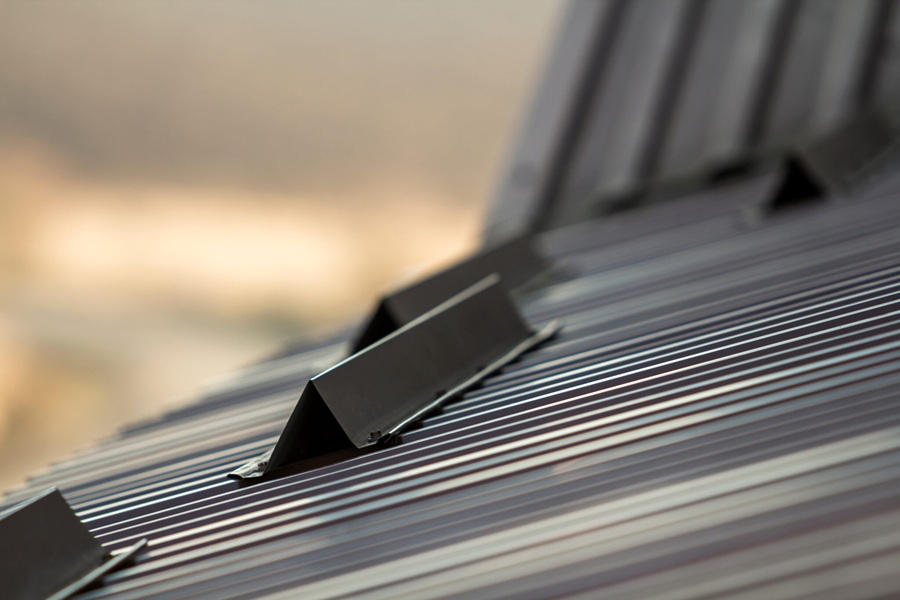
While shedding snow is crucial, some properties may require controlled release to prevent damage to gutters, landscape features, or pedestrians below. Metal roofs can be fitted with custom-designed snow guards and retention systems that hold snow in place until it melts gradually.
Snow guards are particularly useful in areas like commercial buildings or homes with high traffic around the perimeter. They come in different styles and materials, allowing customization based on roof design and aesthetic preferences.
Enhanced Insulation Options
Although metal itself is not a natural insulator, modern metal roofing systems often incorporate advanced insulation layers beneath the panels that help regulate indoor temperatures during winter months. These insulation solutions also prevent ice dam formation—a common issue caused by uneven heat distribution on roofs.
Key insulation benefits under snowy conditions include:
– Maintaining consistent attic temperatures for energy efficiency.
– Reducing heat escape that could cause premature melting and refreezing at eaves (ice dams).
Proper insulation combined with proper ventilation ensures a long-lasting solution against winter-related roofing issues.
Compatibility With Heating Systems
Metal roofs can also accommodate innovative technology such as heating cables or radiant heating systems, which keep critical sections warm enough to prevent ice buildup during frigid conditions. These systems are especially beneficial for heavily shaded buildings where natural sunlight isn’t sufficient to melt accumulated snow.
Feature | Benefit |
Snow Guards | Prevent sudden avalanches of snow/ice |
Insulation Layers | Minimize ice dams & improve energy savings |
Heated Panels/Cables | Melt ice efficiently in critical areas |
Longevity Under Extreme Conditions
Metal roofs are specifically engineered to withstand repeated freeze-thaw cycles without cracking or warping—issues commonly seen with asphalt shingles or other less durable materials in snowy climates. High-quality coatings further enhance resistance against corrosion caused by deicing chemicals typically used nearby.
By offering tailored solutions like efficient shedding mechanisms, adaptable accessories (e.g., snow guards), enhanced insulation properties, and compatibility with modern heating technologies, metal roofing proves itself as an excellent choice for managing even the most challenging winter weather conditions effectively.
Custom Snow Solutions
Metal roofing materials are uniquely suited to handle the challenges posed by heavy snow and ice accumulation. Unlike other roofing materials, which may become compromised under the weight or struggle with ice-related damage, metal roofs offer performance-driven solutions specifically designed for harsh winter climates. Below, we explore how these attributes translate into practical advantages for homeowners and businesses.
Key Features of Metal Roofs for Snow Management
- Strength and Durability:
Metal roofs are manufactured using durable materials like steel or aluminum, ensuring they can support the weight of accumulated snow without risk of sagging, cracking, or structural failure. This is particularly important in areas prone to heavy snowfall. - Slick Surface for Snow Shedding:
The smooth surface of metal roofing allows snow to slide off more easily compared to rougher surfaces like asphalt shingles. This natural shedding reduces the likelihood of excessive snow buildup that could lead to roof collapse or leaks.
Specialized Design Options for Snowy Regions
- Prevent sudden snow slides that could damage property or pose safety risks.
- Distribute the weight of accumulating snow evenly across the roof surface.
- Available in various designs and can blend with different architectural styles seamlessly.
- Integrated heat systems can be installed under a metal roof to melt ice dams or prevent their formation altogether.
- These systems are energy-efficient and minimize long-term maintenance needs caused by recurring freeze-thaw cycles.
- A steeper pitch ensures that snow naturally slides off the roof rather than lingering on flat or shallow surfaces.
- Architects working in snowy regions often recommend combining steep slopes with standing seam metal roofs for maximum performance.
Comparison Table: Metal Roofing vs Other Common Materials in Snowy Conditions
Feature | Metal Roofing | Asphalt Shingles | Wood Shingles | Clay Tiles |
Weight Capacity | High | Moderate | Low | Moderate |
Snow Shedding Ability | Excellent | Poor | Poor | Moderate |
Ice Dam Formation | Minimal | High | High | Moderate |
Maintenance Requirements | Low | High | High | Moderate |
Benefits Beyond Just Strength
- Reflective coatings on metal roofs improve insulation during winter months while maintaining proper indoor temperatures.
- Reduced risk of structural damage saves money on repairs over time.
- Enhanced safety minimizes hazards caused by falling ice and snow accumulation.
By choosing these adaptive features specific to snowy climates, building owners enjoy peace of mind knowing their roof is prepared to withstand even the harshest winter storms while minimizing upkeep requirements year after year.
Custom Snow Solutions
Metal roofing materials are particularly well-suited for areas that experience heavy snowfall. Their inherent properties and the availability of customizable solutions make them a reliable option to endure harsh winter conditions while maintaining durability and functionality. Below, we explore how metal roofs address challenges posed by snow accumulation and extreme cold.
Benefits of Metal Roofing for Snow-Prone Areas
- Snow Shedding Capability:
Metal roofs have smooth surfaces that allow snow to slide off more easily than traditional roofing materials like asphalt shingles. This reduces the risk of roof collapse due to excessive snow loads. Steeper roof pitches on metal roofs further enhance this natural shedding effect. - Structural Integrity:
High-quality metal roofing systems are designed to withstand the weight of accumulated snow, preventing sagging or structural damage. Their durability ensures long-lasting performance even under significant pressure. - Energy Efficiency in Cold Weather:
Many metal roofing systems come with advanced insulation options or coatings that minimize heat loss during winter months, improving energy efficiency for homeowners and reducing heating costs.
Customizable Features for Snow Management
- Snow Guards:
These small devices are installed on the surface of the roof to hold back snow until it melts gradually or can be removed safely. Snow guards prevent large sheets of ice and snow from sliding off suddenly, which could damage property below or pose safety risks. - Heating Cables/De-Icing Systems:
Heated cables can be installed along critical areas like eaves, valleys, and gutters to prevent ice dams from forming. Ice dams result when melting snow refreezes at colder parts of the roof, causing water backflow and potential leaks. - Specialized Coatings:
Some metal roofing options include coatings with low friction or hydrophobic properties that improve water resistance while also ensuring that snow glides off smoothly. - Reinforced Fasteners:
Custom fasteners or clips designed for snowy regions help secure panels tightly to withstand additional weight without loosening over time due to thermal expansion or freeze-thaw cycles.
Comparison Table: Key Features of Metal Roofs vs Other Materials in Snow Conditions
Feature | Metal Roofing | Asphalt Shingles | Clay Tiles | Wood Shakes |
Snow Shedding | Excellent | Poor | Moderate | Poor |
Weight | Lightweight | Moderate | Heavy | Moderate |
Ice Dam Prevention | Effective (with add-ons) | Prone | Prone | Prone |
Maintenance Needs | Low | High | Moderate | High |
Practical Tips for Homeowners
- Opt for a steeper slope if possible; it encourages better snow shedding.
- Install high-quality gutters with de-icing systems if your region is prone to prolonged freezing temperatures.
- Regularly inspect your roof after severe storms to ensure there is no unexpected damage.
- Work with experienced contractors who specialize in designing custom solutions for snowy climates.
By combining these features and strategies, metal roofs provide unparalleled protection during harsh winters while offering long-term cost savings through reduced maintenance efforts and energy efficiency gains. Investing in tailored solutions ensures your home remains safe and resilient year after year—even when faced with extreme weather conditions like heavy snowfall.
Custom Snow Solutions
Metal roofing materials offer highly effective solutions for managing snow accumulation in regions prone to heavy snowfall. Their durability, versatility, and unique design options make them one of the best choices for protecting structures from the challenges of winter weather.
Why Snow Accumulation is a Concern
Snow buildup on roofs can pose serious risks, including: – Structural Strain: Heavy snow can exceed a roof’s designed load capacity, leading to sagging or collapse. – Ice Dams: Melting snow that refreezes at roof edges can lead to ice dams, which obstruct proper drainage and cause water damage. – Safety Hazards: Large chunks of snow sliding off roofs can endanger people and property below.
Metal Roofing Features for Snowy Climates
Metal roofs are well-suited to combat these issues due to several inherent qualities: – Smooth Surface: The sleek surface of metal panels encourages snow to slide off naturally, reducing strain on the structure. – Strength Under Pressure: Most metal roofing is engineered to handle significant weight loads caused by heavy snowfall. – Corrosion Resistance: Protective coatings prevent rust and deterioration caused by prolonged exposure to melting snow and ice.
Custom Solutions Offered by Metal Roofing
- Snow guards are small devices installed on a metal roof that help hold snow in place until it melts gradually.
- These prevent large sheets of snow or ice from sliding off suddenly, reducing the risk of injury or damage below.
- Heat cables can be installed along metal roofs to prevent ice dams by maintaining consistent heat in targeted areas.
- These cables are particularly effective when paired with metal’s conductive properties.
- Metal roofing systems often allow for steeper slopes, which naturally minimize excessive accumulation by facilitating quicker shedding of snow.
- Architects can design custom pitches specifically adapted for local snowfall patterns.
- High-quality metal roofs use sealed fasteners that resist leaks caused by melting snow seeping through joints or screw holes.
Comparing Metal Roofing with Other Materials
Feature | Metal Roofing | Traditional Shingles |
Snow Shedding Efficiency | Excellent | Moderate |
Durability | High | Moderate |
Ice Dam Prevention | Better (with heat cables/snow guards) | Limited |
Maintenance | Low | Higher (due to material wear) |
Maintenance Tips for Winter Conditions
To maximize your metal roof’s performance during snowy seasons: – Clear debris before winter begins to ensure smooth shedding. – Inspect fasteners and seams regularly for signs of wear or gaps. – Consider energy-efficient underlayments that enhance insulation while preventing moisture infiltration due to melting.
By investing in these custom solutions and maintenance practices, homeowners can rest assured their metal roofing will withstand even the harshest winter conditions with ease.
Custom Snow Solutions
When it comes to regions that experience heavy snowfall, metal roofing has distinct advantages that make it an ideal choice for withstanding such conditions. Its durability, structural integrity, and innovative design features allow it to meet the challenges posed by snow accumulation, ice dams, and prolonged exposure to freezing temperatures. Below are some key considerations and solutions that make metal roofing stand out as a smart option in snowy climates.
Key Attributes of Metal Roofing for Snow
- Sloped Design for Shedding Snow:
Metal roofs are often designed with sufficient slope angles that help prevent snow from accumulating on the surface. The smooth texture of metal facilitates natural shedding as sunlight melts the bottom layer of snow. - Load-Bearing Capacity:
High-quality metal roofs are engineered to endure significant weight without warping or collapsing. This is particularly critical in areas where heavy snowfall is common. - Durability Against Freeze-Thaw Cycles:
Unlike some traditional roofing materials, metal does not crack or degrade when subjected to freeze-thaw cycles. This ensures longevity even in fluctuating temperatures.
Specialized Features for Snow Management
- Snow Guards:
Installing snow guards is a practical way to manage how snow slides off a roof. These devices prevent large sheets of snow from falling abruptly, which can cause injury or damage property below. - Ice and Water Shielding Underlayment:
Beneath the surface of the roof, an ice and water shield underlayment creates an additional layer of protection against leaks caused by melting snow or ice dams. - Seamless Panel Systems:
Standing seam metal roof designs reduce gaps and seams where water could seep through, making them especially effective in snowy climates where melting patterns fluctuate.
Preventing Ice Dams
- Reflective coatings on some metal roofs minimize heat absorption.
- Proper ventilation underneath the roofing system enhances air circulation, preventing temperature differences across the roof.
- The smooth surface reduces opportunities for trapped water to pool and refreeze.
Comparison Table: Metal vs Traditional Roofing in Snowy Climates
Feature | Metal Roofing | Asphalt Shingles | Clay Tiles |
Snow Shedding Efficiency | Excellent | Poor | Moderate |
Resistance to Ice Dams | High | Moderate | Low |
Longevity | 40–70 years | 15–30 years | 30–50 years |
Maintenance Requirements | Low | High | Moderate |
Practical Tips for Homeowners
- Consult with local contractors who understand your region’s specific needs.
- Opt for high-quality materials like galvanized steel or aluminum.
- Ensure proper insulation and ventilation throughout your attic space.
- Regularly inspect accessories such as flashing and snow guards after significant storms.
Metal roofing offers not only aesthetic appeal but also unmatched functionality when it comes to managing heavy snowfall effectively. By leveraging its inherent properties along with custom solutions tailored to winter challenges, homeowners can enjoy peace of mind regardless of what nature delivers each season.