How Do You Know If You Need a Roof Replacement
Identifying the signs that indicate your roof is nearing the end of its lifespan can save you from costly repairs or extensive damage. Below are key factors to assess when evaluating your roof’s condition.
Signs That Indicate You May Need a Roof Replacement
- Age of the Roof:
Most roofing materials have a finite lifespan: - Asphalt shingles: 20-30 years
- Wood shakes: 20-40 years
- Metal roofing: 40-70 years
- Slate or tile roofs: Over 50 years
If your roof is approaching or has already exceeded its expected lifespan, it may be time to consider a replacement.
- Frequent Repairs:
A roof requiring constant repairs or patching may be beyond simple fixes. Rather than spending more on repeated maintenance, replacing it might be the more cost-effective option in the long run. - Visible Damage:
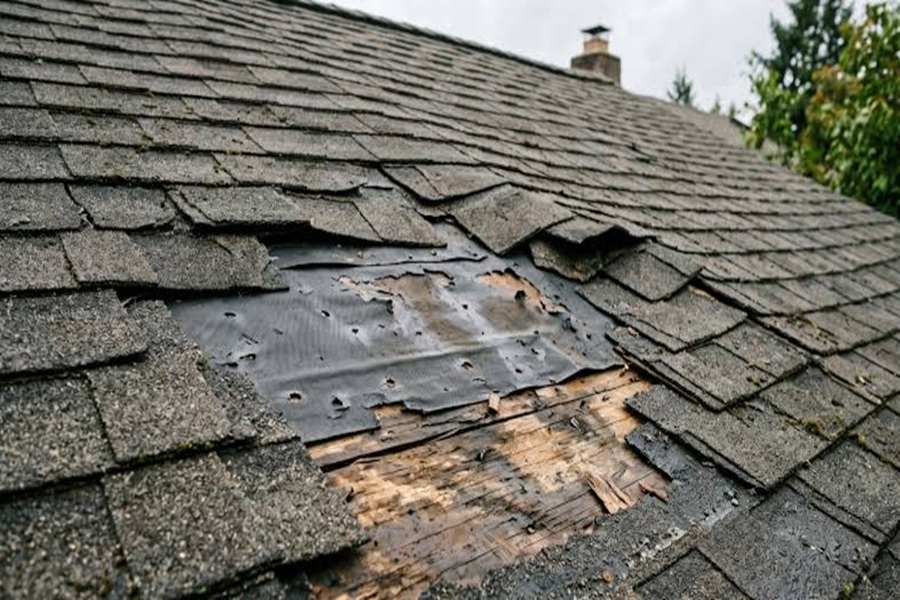
Check for obvious signs of wear and tear, such as: - Missing, cracked, or curled shingles
- Sagging areas on the roof surface
- Extensive moss or algae growth that cannot be cleaned off easily
These issues could indicate structural problems that necessitate replacement rather than repair.
Warning Signs Inside Your Home
- Water Stains and Leaks: Brownish stains on ceilings or walls often point to leaks caused by deteriorated roofing materials.
- Excessive Moisture in Attic: Poor ventilation in an aging roof can lead to condensation buildup, promoting mold growth and wood rot.
- Light Coming Through Roof Boards: If you notice daylight streaming through attic boards, it’s likely time for a full roof replacement.
Professional Inspection vs DIY Assessment
While you can conduct basic checks yourself, hiring a professional roofing contractor ensures potential issues are thoroughly evaluated with tools and expertise you may not have access to. A professional inspection might include examining underlying structures like decking and insulation to determine if they’ve been compromised.
DIY Assessment | Professional Inspection |
Check for missing shingles | Deep dive into structural integrity |
Look for leaks indoors | Thermal imaging to detect moisture |
Inspect rooftop visually | Evaluate flashing & ventilation |
Benefits of Acting Early
Delaying action when your roof shows signs of severe deterioration can result in escalating costs and risks such as water damage, compromised insulation efficiency, or even structural hazards.
By paying close attention to these warning signals and seeking professional advice when necessary, you’ll ensure your home remains safe and secure while protecting its overall value over time.
What Are the Advantages of a Roof Replacement
Replacing your roof is a significant investment, but it comes with numerous advantages that can improve not only your home’s structural integrity but also its overall value and functionality.
1.Enhanced Protection for Your Home
A new roof provides robust protection against external elements like rain, snow, wind, and debris. Over time, older roofs can develop leaks or weak spots that may lead to serious structural issues such as water damage or mold growth.
- You eliminate vulnerabilities that could compromise your home’s safety.
- It ensures better durability and resistance to extreme weather conditions.
2.Increased Energy Efficiency
Modern roofing materials often come with improved insulation properties compared to older materials.
- Reflective roofing materials reduce heat absorption, keeping your home cooler during warmer months.
- Proper insulation minimizes heat loss during winter, reducing strain on heating systems.
- Lower energy consumption translates into reduced utility bills over time.
3.Boost in Curb Appeal and Property Value
The aesthetic appeal of a home is heavily influenced by its roof—whether it’s the material, color, or condition of the shingles.
- Fresh roofing increases curb appeal for potential buyers if you plan to sell.
- Homes with newer roofs typically have higher resale values.
Roof Material | Average Value Added (%) |
Asphalt Shingles | 5% – 8% |
Metal Roofing | 6% – 10% |
Architectural Shingles | 7% – 12% |
4.Improved Safety
Over time, an old or deteriorating roof may pose safety hazards such as falling debris or sagging structures due to rot or weakness.
- Structural soundness that reduces long-term repair needs.
- Peace of mind knowing you’re protecting not just your property but also its occupants.
5.Warranty Coverage
- Material warranties can last between 20–50 years depending on the type.
- Installation warranties typically protect against workmanship defects for up to a decade.
This warranty coverage ensures you won’t face unexpected repair expenses in the near future.
Practical Considerations When Replacing Your Roof
- Material Options:Decide between asphalt shingles (affordable), metal (durable), slate (high-end), and other available choices based on cost and longevity.
- Hiring Professionals:Always work with licensed contractors who specialize in roofing for proper installation.
- Timing:Schedule replacements during mild weather seasons when conditions favor smooth execution.
A well-executed roof replacement does more than fix visible wear—it enhances safety, efficiency, appearance, and reliability while safeguarding one of your most important investments: your home itself.
What Are the Advantages of a Roof Replacement
Replacing your home’s roof is a significant investment, but it comes with numerous advantages that make it worthwhile. A new roof not only enhances the appearance of your property but also provides long-term practical benefits.
Modern roofing materials are designed with energy efficiency in mind. A new roof can help reduce heating and cooling costs by improving insulation and ventilation.
– Reflective materials: Certain roofing options, such as metal or cool roofs, reflect more sunlight and reduce heat absorption. This keeps your home cooler during hot months.
– Improved insulation: Advanced underlayment systems increase thermal resistance, keeping your home warmer during winter and cooler in summer.
A worn-out or damaged roof can detract from your home’s exterior aesthetics. Roof replacement offers an excellent opportunity to upgrade to modern designs and colors that match or enhance your property’s architectural style.
Key features to consider for curb appeal include: – Color options: Choose shades that complement your siding and overall design theme.Material upgrades: Transition from traditional asphalt shingles to sleeker materials like standing seam metal or architectural shingles.
Older roofs frequently require patch jobs that add up over time, whereas a well-installed replacement will last decades with minimal maintenance.
Here’s what makes it cost-effective: – Avoidance of recurring repair costs. – Improved durability with materials like composite shingles or metal roofs, which often have warranties spanning 20–50 years.
Roofing Material | Average Lifespan | Maintenance Needs |
Asphalt Shingles | 15–30 years | Moderate |
Metal Roofing | 40–70 years | Low |
Clay Tile | 50+ years | Low |
Older roofs are often more vulnerable to leaks, wind damage, and other weather-related issues due to wear and tear over time. Replacing your roof ensures better structural integrity and peace of mind by providing superior protection against extreme weather conditions such as heavy rainstorms or snow loads.
Some features enhancing weather resistance include: – Impact-resistant shingles: Designed to withstand hail damage.Waterproof barriers: Modern underlayment systems prevent leaks even during severe storms.
A deteriorating roof can allow moisture intrusion, leading to mold growth within the attic or walls of your home—potentially harming indoor air quality and family health. Roof replacement eliminates these risks by ensuring proper sealing and ventilation.
Signs of moisture-related issues include: – Persistent musty odors. – Visible mold on ceilings or walls. – Increased allergy symptoms among occupants.
Final Thoughts on Roof Replacement Benefits
When evaluating whether it’s time for a replacement, weigh these benefits against short-term repair solutions for the best decision tailored to both longevity and quality living conditions in your space.
When Should You Replace Your Roof
While most roofs are designed to last for decades, wear and tear due to weather, age, and other factors will eventually necessitate a replacement.
Factors That Determine Roof Replacement Timing
- Roof Age
The lifespan of your roof depends on the materials used: - Asphalt shingles: Typically last 20–30 years.
- Metal roofs: Can last 40–70 years.
If your roof is nearing or has surpassed its expected lifespan, start considering a replacement.
- Widespread granule loss on asphalt shingles (visible in gutters or at the base of downspouts) is another red flag.
- Sagging Roof Deck
A sagging roofline is often a sign of structural issues that require immediate attention. This could be caused by moisture damage or weakened supports. - Persistent Leaks or Water Damage
If you notice water stains on ceilings or walls, it may indicate leaks that cannot be resolved with simple repairs. - Moss, Mold, or Algae Growth
Excessive organic growth can trap moisture and deteriorate roofing materials over time. - Storm Damage
Severe storms with high winds, hail, or falling debris can cause significant damage to your roof that might warrant replacement rather than repair.
Seasonal Considerations for Replacement
- Spring and Fall:These seasons typically provide milder weather conditions ideal for roofing work.
- Winter:Cold temperatures can make some materials brittle and harder to work with.
- Summer:While roofing is possible in summer, excessive heat can cause asphalt shingles to become soft and less durable during installation.
Cost vs Timing Trade-Offs
While delaying a replacement might seem cost-effective in the short term, it could lead to higher expenses later due to compounding structural issues like water damage or mold growth. Balancing timing with budget constraints is critical—addressing problems sooner often saves more money over time.
Factors | Signs It’s Time | Recommended Action |
Age | Nearing lifespan limit | Inspect annually; plan ahead |
Damage | Cracking/Missing shingles | Consult roofing professional |
Sagging | Uneven/deformed structure | Immediate action required |
Consulting a Professional
If you’re unsure whether it’s time for a replacement, schedule an inspection with a licensed roofing contractor. They can evaluate the condition of your roof thoroughly and provide expert guidance tailored to your situation.
By keeping an eye out for these warning signs and proactively addressing potential issues, you’ll ensure that your home remains safe and well-protected from external elements without unnecessary delays in maintenance decisions.
Does Homeowners Insurance Cover Roofing Costs
When facing roof repairs or a replacement, many homeowners wonder if their insurance will help cover the costs. Understanding how homeowners insurance works concerning roof repair or replacement can save you both time and money. Let’s explore this topic in detail.
Types of Roof Damage Covered by Homeowners Insurance
Generally, homeowners insurance is designed to protect against sudden and unforeseen damage caused by events outside your control.
- Covered Perils:
Homeowners insurance usually covers roof damage caused by specific events such as:- Severe weather (e. g.
- Falling objects (e. g.
- Fire or smoke damage
- Wear and Tear Exclusions:
Damage resulting from gradual wear and tear, lack of maintenance, or age-related deterioration is typically not covered.- Leaks caused by old shingles failing over time
- Mold growth from poor ventilation
- Unresolved minor damages worsening over years
Factors That Influence Coverage
- Cause of Damage
If the damage results from a qualifying “covered peril,” you’re likely eligible for coverage. For instance, if a storm ripped shingles off your roof, your insurer may assist with repair costs. However, if your roof was already in poor condition before the storm hit, your claim may be denied. - Age of Your Roof
If your roof is nearing the end of its lifespan (typically 20–30 years for asphalt shingles), insurers may deny coverage altogether or offer only depreciated value instead of full replacement cost. - Your Policy Terms
Some policies include Replacement Cost Value (RCV), which reimburses for the full cost to replace damaged materials with new ones. Others operate on Actual Cash Value (ACV), deducting depreciation based on age or condition. - Geographic Location
Insurers often factor in regional risks like hurricanes or heavy snowfall when assessing coverage limits for roofs.
Practical Steps to Maximize Coverage
- Document Pre-Damage Condition: Take photos of your roof regularly to provide evidence that it was well-maintained before any issues arose.
- Perform Routine Maintenance: Clean gutters regularly and inspect shingles for cracks or curling; this demonstrates proactive care.
- Address Small Repairs Promptly: Fix minor issues before they escalate into larger problems that insurers may deem neglect.
- Understand Your Deductible: Ensure you’re aware of how much you’ll need to pay out-of-pocket before filing a claim makes financial sense.
Sample Table Comparing RCV vs ACV Policies
Feature | Replacement Cost Value (RCV) | Actual Cash Value (ACV) |
Reimbursement Basis | Full cost to replace with new materials | Depreciated value based on age |
Out-of-Pocket Expense | Higher initial premium | Higher out-of-pocket during claims |
Best For | Newer roofs | Older roofs |
When Insurance Won’t Cover Costs
If your claim is rejected due to neglect or age-related wear and tear but repairs remain necessary, consider financing options such as personal loans or contractor payment plans to manage expenses responsibly.
Understanding how homeowners insurance applies to roofing costs can make an unexpected repair situation far less stressful. By maintaining proper documentation and knowing what’s covered under your policy terms, you’ll be better prepared should an issue arise with your roof.
What Happens If You Don’t Replace Your Roof
Failing to replace an aging or damaged roof can lead to a cascade of problems that not only jeopardize your home’s structural integrity but also drain your financial resources. Below, we’ll explore the key risks and consequences of neglecting roof replacement.
Structural Damage
An old or severely damaged roof can allow moisture to seep into the structure of your home, leading to:
– Rotting wood: Prolonged exposure to water weakens wooden components such as rafters, beams, and decking.
– Weakened foundations: Water leaks may pool and infiltrate beyond the roofline, eventually undermining your home’s foundation.
Over time, such structural issues can require extensive repairs that cost significantly more than addressing the roof itself.
Mold and Mildew Growth
One of the most serious consequences of a neglected roof is increased vulnerability to mold and mildew. Moisture trapped in ceilings or walls provides an ideal environment for mold spores to grow.
– Respiratory problems: Mold exposure can aggravate asthma, allergies, or other respiratory conditions.
– Toxicity concerns: Certain types of mold, like black mold (Stachybotrys chartarum), can release harmful mycotoxins into your home environment.
Higher Energy Costs
A deteriorating roof often loses its ability to regulate indoor temperatures effectively.
– Increased heating bills in winter, as warm air escapes through gaps in the attic or ceiling.
– Higher cooling costs in summer, when hot air seeps in and forces your HVAC system to work harder.
This inefficiency means you’ll spend more on energy while remaining less comfortable year-round.
Decreased Property Value
A home with a visibly worn-out or poorly maintained roof is less attractive to potential buyers.
– Reduced curb appeal diminishes first impressions. – Home inspections will likely reveal roofing issues that could deter buyers or lead them to negotiate steep discounts.
Risk of Sudden Failure
Perhaps the most alarming risk is a surprise collapse during extreme weather conditions like heavy snowfall or storms. Warning signs—such as sagging areas—might go unnoticed until it’s too late.
Potential Signs You’re Nearing Roof Failure | Possible Consequences |
Persistent leaks | Water damage indoors |
Bowing ceilings | Risk of collapse |
Missing shingles | Exposure to elements |
Addressing these hazards sooner rather than later ensures safety for you and your family while protecting long-term investments in your property.
Neglecting timely replacement doesn’t just impact aesthetics—it poses significant risks for health, comfort, finances, and safety alike. Prioritizing maintenance ensures peace of mind while avoiding costly repairs down the road.
What Happens If You Don’t Replace Your Roof
Neglecting to replace a damaged or aging roof can lead to a myriad of problems, many of which can become costly and hazardous over time. Understanding the potential consequences of delaying roof replacement is crucial for maintaining the safety, functionality, and value of your home.
Structural Damage
An old or deteriorating roof often struggles to protect your home from weather-related elements such as rain, wind, snow, or heat.
– Rotting wood beamsin the attic or ceiling.
– Mold growth, which can cause health issues for those living in the household.
– Damage to insulation, reducing energy efficiency in your home.
– Sagging ceilings that may eventually collapse if left unaddressed.
Increased Repair Costs
While replacing a roof may seem like a significant expense upfront, avoiding it often leads to higher long-term costs: – Minor repairs needed for leaks or cracks may escalate into widespread damagerequiring extensive fixes.
– Water intrusion can damage interior drywall, flooring, wiring systems, and even furniture.
– A prolonged delay could require not just replacing the roof but also repairing additional structural components.
Issue | Cost Implication (Average) | Cause |
Water Damage | $1,000 – $8,000 | Leaks caused by worn-out shingles or flashing |
Mold Remediation | $500 – $6,000 | Prolonged moisture buildup in hidden areas |
Structural Repairs | $2,000 – $10,000+ | Rotting wooden supports due to ongoing exposure |
Energy Inefficiency
A failing roof compromises your home’s insulation and ventilation systems: – Cracks and holes allow warm air to escape during winter months or cool air during summer. – This forces heating and cooling systems to work harder than necessary. As a result: – Utility bills increase over time. – Your HVAC system may face premature wear due to overuse.
Pest Infestations
Gaps in an aging roof provide easy access points for pests such as rodents, birds, termites, or insects. These infestations might not only damage structural components but also create unhygienic living conditions within your home.
Decreased Property Value
Ignoring necessary roofing updates can reduce your home’s overall market value: – Potential buyers may view an old or damaged roof as a liability. – Homes with noticeable roofing problems are less appealing during resale efforts. This devalues what is often one of the most significant investments homeowners make—their property.
Health Concerns
Leaks that contribute to mold growth pose serious health risks: – Mold spores circulating within indoor air can exacerbate respiratory illnesses like asthma or allergies. – Persistent dampness caused by leaks encourages bacteria growth.
Investing in timely roof replacement is vital not only for protecting your property but also for ensuring a safe and comfortable living environment. Proactively addressing issues early on saves substantial costs while avoiding disruptions caused by escalating damages down the road.