Why Roof Inspections Are Critical in Real Estate
Roof inspections are a crucial aspect of the homebuying process, whether you’re purchasing an older property or a newly-built home. The roof, being one of the most significant structural elements of a house, protects the interior from weather elements and contributes to overall energy efficiency. Overlooking this component during due diligence can lead to expensive repairs or even safety hazards down the line.
Protecting Your Investment
- Current Condition: Identifies existing damage like leaks, broken shingles, or sagging areas.
- Lifespan Assessment: Evaluates how much longer the roof is expected to last based on its material and wear.
- Potential Repairs: Highlights immediate issues that need attention and estimates potential future repair costs.
This information allows buyers to negotiate repairs or adjust their offer price accordingly.
Safety and Structural Integrity
A compromised roof can jeopardize not only your investment but also your safety. Issues like mold growth from water leaks, rotting wood in attic structures, or poor ventilation can pose health risks. Moreover, structural problems in older homes with damaged roofs may lead to collapses if left unchecked.
Energy Efficiency and Utility Costs
A well-maintained roof also plays a critical role in maintaining proper insulation and energy efficiency. Poor roofing can result in excessive heat loss during winter or heat gain during summer months, driving up utility bills unnecessarily. An inspection ensures that features like ventilation systems and underlayment are intact.
Building Code Compliance
For new construction properties especially, inspecting the roof ensures compliance with local building codes and regulations. Builders may overlook key aspects such as proper flashing installation or appropriate drainage systems without a thorough review by professionals.
Prevalence of Hidden Issues
While some problems—like missing shingles—are easy to spot from ground level, others require a trained eye for detection. For instance: – Subtle cracks in tiles – Improperly installed flashing around chimneys – Signs of pest damage beneath roofing materials
These hidden issues often go unnoticed during standard home inspections but can cause significant long-term damage if ignored.
Investing in a professional roof inspection ensures peace of mind whether you’re buying an older property or new construction. It is not just about avoiding surprise costs; it’s about ensuring your future home remains safe, efficient, and structurally sound for years to come.
Difference Between General and Specialized Roof Inspectors
When considering roof inspections for homebuying or new construction, it’s crucial to understand the significant differences between general inspectors and specialized roof inspectors. Each plays a distinct role, offering varying levels of expertise and insight into the condition of your home’s roofing system.
General Home Inspectors
- Foundation
- Plumbing systems
- Electrical wiring
- HVAC systems
- Roofing (briefly)
Regarding the roof, general inspectors typically perform a surface-level assessment. They may look for obvious red flags such as missing shingles, visible leaks, or sagging areas in the structure. However, their training in roofing is often limited compared to that of a specialized inspector. While they can provide basic observations about potential concerns, they may not be equipped to assess underlying problems or long-term risks.
Specialized Roof Inspectors
In contrast, specialized roof inspectors possess focused expertise in assessing all facets of roofing systems. Their training enables them to understand complex roofing materials, designs, and structural concerns beyond what is visible during a general inspection.
- Material-specific knowledge: Expertise in asphalt shingles, metal roofs, tiles, flat roofs, and more.
- Detailed damage analysis: Identifying hidden issues such as moisture infiltration, underlayment deterioration, or improper installation.
- Structural integrity: Evaluating whether the roof’s framework can handle weight loads or has weakened over time.
- Ventilation and insulation assessment: Checking if attic ventilation supports proper airflow to prevent mold growth or ice damming.
Specialized inspections often involve advanced tools like infrared cameras for thermal imaging to detect moisture problems that are invisible to the naked eye.
Feature | General Inspector | Specialized Roof Inspector |
Scope | Broad (entire property) | Focused (roof-specific) |
Training | Surface-level on roofs | In-depth knowledge about all roofing aspects |
Tools | Standard inspection tools | Advanced equipment like thermal imaging cameras |
Problem Detection | Basic issues (e.g., missing shingles) | Complex issues (e.g., poor installation methods) |
Why This Difference Matters
Understanding these differences helps homeowners make better decisions when buying a property or starting construction. While general inspections offer valuable insights into overall property conditions, relying solely on this level of assessment for your roof may leave hidden problems undiscovered. A specialized inspection ensures that every potential issue with your roof is thoroughly identified and documented.
For example: – In new construction homes, improper flashing installation might go unnoticed during a general inspection but could cause leaks down the line if not addressed promptly. – In older homes being sold through real estate transactions, underlying water damage beneath shingles might only be found by someone trained specifically in roofing systems.
By combining both types of expertise when necessary—bringing in specialists after a general inspector raises concern—you’ll have confidence that your investment is protected from costly surprises later on.
When to Hire a Roofing Specialist
Hiring a roofing specialist is an essential step in ensuring your property’s safety, longevity, and value, especially when navigating the complexities of homebuying or new construction. While general home inspectors provide valuable insights into the overall condition of a property, a roofing specialist brings specific expertise focused solely on one of the most critical structural components of any building: the roof. Here are key scenarios where hiring a roofing specialist is highly recommended.
Homebuying: Evaluating Existing Roofs
When purchasing an older home, it’s important to understand the current condition and lifespan of its roof. A roofing specialist can provide detailed insights into potential issues that may not be obvious during a general inspection.
- Signs of wear and tear: Specialists can spot hidden damage such as small leaks, improperly installed flashing, or curled shingles that might lead to costly repairs later.
- Materials and lifespan evaluation: They assess whether materials like asphalt shingles, tiles, or metal roofing are nearing the end of their usable life.
- Ventilation and insulation: Roof ventilation plays an essential role in maintaining indoor air quality and energy efficiency. Specialists ensure proper venting systems are in place.
New Construction: Verifying Quality Workmanship
In new construction projects, hiring a roofing expert ensures that your roof has been installed correctly from the beginning. This proactive step reduces risks associated with future repairs or premature replacements.
- Code compliance: Roofing specialists verify that construction adheres to local building codes and regulations.
- Installation quality check: They inspect whether materials have been installed following manufacturer guidelines and industry standards.
- Drainage considerations: Proper water drainage systems should be in place to prevent ponding water or premature deterioration.
After Severe Weather Events
- Identify issues like hail impacts, missing shingles, or damaged flashing.
- Document findings for insurance claims to ensure you get appropriate coverage for necessary repairs.
Before Major Renovations
- Confirm whether the existing roof structure can support modifications.
- Ensure proper waterproofing around added features.
For Older Homes with Unique Roofing Systems
Type of Roof | Common Issues | Why Expertise Matters |
Slate Tiles | Cracking and slipping tiles | Requires precise repair methods |
Wood Shakes | Rotting due to moisture exposure | Needs careful treatment techniques |
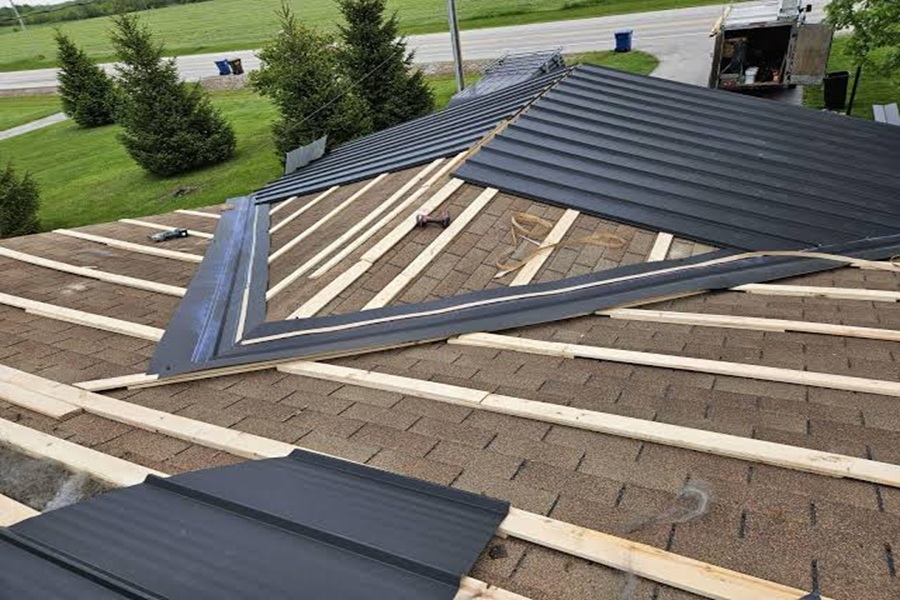
Metal Roofs | Corrosion at seams | Specialized tools are often required |
Final Thoughts
Knowing when to hire a roofing specialist ensures you get tailored expertise based on your situation—whether it’s evaluating an older home’s roof before purchase or inspecting new construction for potential issues. Their specialized knowledge provides peace of mind while protecting your investment for years to come.
What Inspectors Look for in New Construction vs Existing Homes
Roof inspections are indispensable when buying a home or evaluating new construction. However, there are notable differences between what inspectors focus on for newly built homes versus existing properties. Understanding these distinctions can help homeowners and buyers make informed decisions about their investment.
Key Focus Areas for Existing Homes
- Shingle Condition: Inspectors will check for missing, cracked, curled, or poorly installed shingles that may lead to water infiltration.
- Leak Detection: Signs of past or current leaks such as water stains on ceilings or in the attic are critical concerns.
- Flashing Integrity: The condition of metal flashing around chimneys, skylights, and vents is inspected to ensure a proper seal against moisture.
- Gutter System Evaluation: Blocked or damaged gutters can cause water pooling on the roof surface, leading to structural issues over time.
- Ventilation Assessment: Proper ventilation is crucial in older roofs to prevent moisture buildup in attics and reduce energy costs.
- Signs of Aging Materials: For older homes, inspectors will assess whether roofing materials have reached the end of their expected lifespan.
These inspections often uncover issues like mold growth under shingles, rotting wood structures beneath the roofline, or damage caused by storms.
Considerations for New Construction Roof Inspections
- Proper Installation Techniques: Even new roofs can have installation errors such as misaligned shingles or improperly sealed flashing that could compromise functionality.
- Material Quality Assurance: Inspectors verify that the roofing materials used meet quality standards and match what was promised in contracts or building plans.
- Structural Soundness: For new builds, inspectors check if the trusses and decking were installed correctly to support the weight distribution across the roof.
- Drainage Systems: Testing gutters and downspouts ensures that water will flow away from the structure efficiently without pooling at the foundation line.
- Adherence to Building Codes: A good inspector ensures that every element complies with local regulations regarding roofing height limits, insulation requirements, and more.
Even in brand-new construction projects, oversights during installation can lead to expensive problems later if not addressed promptly. For example, missing underlayment—a crucial waterproofing layer beneath shingles—might not be apparent until after heavy rainfall damages interior spaces.
Comparing Inspection Goals Side-by-Side
Aspect | Existing Homes | New Construction |
Material Condition | Check for aging/worn-out materials | Verify material quality matches standards |
Installation Practices | Evaluate past repairs | Assess proper installation methodology |
Signs of Damage | Look for rot/mold/leaks | Ensure no defects from manufacturing |
Compliance with Codes | Not always a focus unless updated | Crucial part of evaluation |
By tailoring their approach depending on whether it’s a pre-owned home or new construction build under review, specialized roof inspectors provide valuable insights into both short-term fixes and long-term maintenance strategies.
Common Roofing Issues Found During Inspections
A thorough roof inspection is an essential step in both homebuying and maintaining the structural integrity of a property. Roof problems, if left undiscovered or unaddressed, can lead to costly repairs and even compromise the safety of the home. Understanding common roofing issues found during inspections can help homeowners and buyers identify potential red flags early.
Leaks and Water Damage
Roof leaks are one of the most frequently reported issues, often caused by damaged shingles, improperly sealed flashing, or clogged gutters. During an inspection, professionals look for:
– Water stains on ceilings or walls inside the home
– Signs of mold or mildew growth in attics or on rafters
– Warped wood caused by prolonged water exposure
Addressing minor leaks early prevents structural damage and costly repairs later.
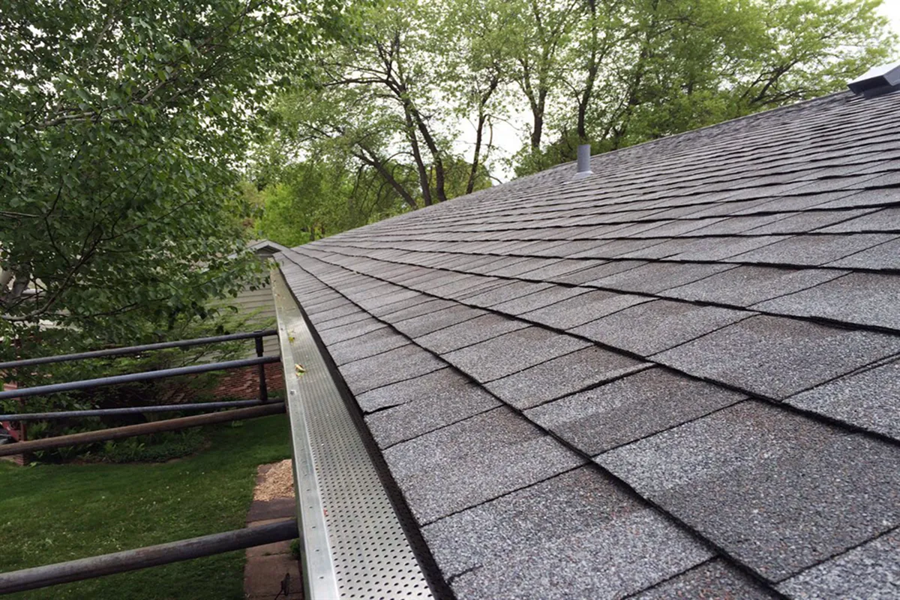
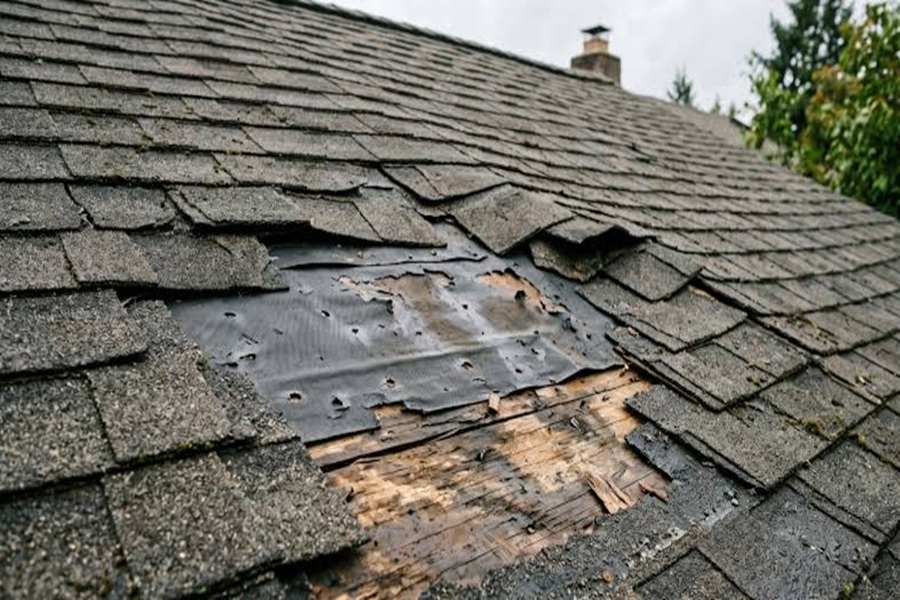
Missing or Damaged Shingles
Shingles play a critical role in protecting the roof from weather elements. Inspectors will check for:
– Cracked, curled, or missing shingles, especially after storms
– Granule loss, which can weaken asphalt shingles over time
– Discoloration that may indicate aging or wear
Replacing damaged shingles promptly prolongs the roof’s life.
Poor Flashing Installation
Flashing is used around chimneys, vents, skylights, and other roof openings to prevent water infiltration. Common flashing problems include:
– Rusty or corroded materials no longer providing a watertight seal
– Improper installation leading to gaps or buckling
– Loose flashing that allows moisture entry
Inspectors verify that all flashing is secure and properly installed.
Structural Sagging
A sagging roofline can indicate underlying structural issues due to age or excessive weight (e.g., from snow accumulation). Inspectors evaluate whether sagging is caused by:
– Compromised rafters or trusses
– Waterlogged decking material
– Poor workmanship during construction
This type of issue requires immediate attention to prevent collapse.
Ventilation Problems
Poor attic ventilation not only accelerates wear on roofing materials but also creates energy inefficiencies within the home. Indicators include:
– Excessive heat buildup in attics during summer months
– Mold growth due to trapped humidity
– Ice dams forming in winter as warm air melts snow unevenly
Proper ventilation extends roof life and enhances overall energy efficiency.
Gutter Issues
Functional gutters are integral to a healthy roofing system. Common concerns inspectors uncover include:
| Issue | Potential Consequences | Solution | |————————|———————————————–|——————————-| | Clogged gutters | Water overflow leading to fascia damage | Regular cleaning | | Improper gutter slope | Pooling water near foundation | Adjust slope during install | | Detached sections | Water infiltration at seams | Secure fittings |
Maintaining gutters ensures effective water drainage away from both the roof and foundation.
Aging Roof Materials
Over time, all roofing materials deteriorate due to exposure to sunlight, wind, rain, and temperature fluctuations. Inspectors assess whether aging has led to:
1. Brittle shingles prone to cracking
2. Surface blistering on flat roofs
3. Rust formation on metal roofs
Knowing your roof’s approximate lifespan helps plan for timely replacement before failure occurs.
By addressing these common problems proactively through specialized inspections and timely repairs, homeowners can save significant money while maintaining their property’s value.
Benefits of Hiring a Qualified Roofing Contractor
When it comes to ensuring the longevity and safety of your roof, hiring a qualified roofing contractor can make all the difference. A roof is one of the most critical structural components of any property, providing shelter and protection from external elements. Whether you’re purchasing a home, building new construction, or addressing post-inspection repairs, working with a skilled roofing contractor brings numerous benefits.
Expertise and Knowledge
- Assess various types of roofs (shingles, metal, tile, etc.) for damage or potential issues.
- Identify less obvious problems like improper ventilation or poor drainage.
- Recommend the best materials and solutions for your specific region’s climate.
Their in-depth knowledge ensures accurate assessments and proper installations or repairs that meet local building codes and safety standards.
Long-Term Cost Savings
- Preventing unnecessary repairs through precise installation.
- Using high-quality materials that require fewer replacements.
- Providing warranties on labor and materials for added peace of mind.
Investing in professional services upfront minimizes the risk of costly mistakes down the road.
Access to Proper Tools and Materials
Tools | Purpose |
Safety harnesses | To prevent falls during high-altitude work |
Pneumatic nailers | For quick and secure fastening |
Infrared scanners | To detect hidden moisture issues |
Professional-grade sealants | For durable weatherproofing |
Additionally, roofing contractors often have connections with suppliers, providing them access to premium materials at competitive prices.
Time Efficiency
- Work more efficiently due to prior experience with similar projects.
- Plan ahead for potential obstacles like weather changes.
- Complete projects within agreed timelines without compromising quality.
Their efficiency allows you to move forward with your homebuying process or new construction schedule without unnecessary delays.
Compliance With Regulations
Local building codes vary by region, covering everything from proper flashing installation to adequate insulation requirements. Licensed roofing contractors stay up-to-date on these regulations so they can ensure your roof complies with legal standards. This is particularly important when selling or buying a home since non-compliance can lead to delays during inspections or costly fines later on.
Enhanced Safety Protocols
- Using protective gear such as helmets, gloves, and harnesses.
- Following OSHA (Occupational Safety & Health Administration) guidelines.
- Minimizing hazards like falling debris around your property.
Hiring professionals reduces not only risks for workers but also liability concerns for homeowners during the project.
By relying on a qualified roofing contractor, you’re investing in professional craftsmanship that protects one of your home’s most valuable assets: its roof.
Tips for Choosing the Right Roofing Professional
Selecting the right roofing professional is crucial, whether you’re inspecting a roof during a real estate transaction or constructing a new home. With the roof being one of the most vital components of any house, ensuring that it’s handled by a qualified expert can save you time, money, and stress in the long run. Below are some essential tips for finding and hiring the right roofing professional.
1. Verify Credentials and Licensing
One of the first steps in choosing a roofing professional is to ensure they have proper credentials and licensing. Most states or municipalities require roofing contractors to have specific certifications or licenses to operate legally.
- Ask for proof: Request copies of their license and certifications relevant to roofing work in your area.
- Check affiliations: Look out for memberships with industry organizations like the National Roofing Contractors Association (NRCA) or other trade bodies that emphasize quality standards.
2. Review Experience and Specialization
Roofing professionals often vary in experience and expertise. Some specialize in residential properties, while others focus on commercial projects or certain materials like asphalt shingles, metal roofs, or tile.
- Ask about specialization: Determine if the contractor has experience working on roofs similar to yours (e.g., slate roofs vs flat roofs).
- Years in business: While newer companies aren’t necessarily bad, an established track record can indicate reliability and consistent performance.
3. Look Into Insurance Coverage
Roofing work can be hazardous, so it’s imperative that any contractor you hire carries proper insurance coverage. This ensures both you and their workers are protected against potential accidents or damages.
- General liability insurance: Covers property damage caused during the project.
- Worker’s compensation insurance: Protects workers injured while on-site.
- Pro tip: Don’t hesitate to request proof of active coverage before starting any project.
4. Read Reviews and Ask for References
Reviews from other homeowners provide valuable insights into a contractor’s reliability, professionalism, and quality of work.
- Online reviews: Platforms like Google Reviews, Yelp, or Better Business Bureau (BBB) ratings can reveal common customer experiences.
- References from past clients: A good contractor should be willing to give you references from recent projects so that you can directly verify their work quality.
5. Assess Communication Skills
Clear communication is key when working with any professional service provider. The right roofing specialist will listen carefully to your concerns, answer all questions thoroughly, and provide updates throughout the process.
Key indicators of effective communication: – Timely responses to inquiries (calls/emails). – Transparency about pricing estimates. – Willingness to explain technical details without jargon.
6. Compare Multiple Quotes
Don’t settle on the first estimate you receive; instead, get quotes from at least three contractors to compare costs and services offered.
Contractor Name | Estimated Cost | Warranty Details | Timeline | Additional Notes |
Contractor A | $10,000 | 10 years | 3 weeks | Specialized in tile roofs |
Contractor B | $8,500 | 5 years | 2 weeks | Highly rated on BBB |
Contractor C | $9,200 | Lifetime materials warranty + labor warranty up to 20 years | 4 weeks | Offers financing options |
Evaluate not just price but also what’s included—such as warranties on materials/workmanship—and timelines for completion.
7. Check Contracts Before Signing
Always review written contracts carefully before agreeing to terms with any roofing professional. The contract should outline specific details like payment schedules, project timelines, warranty information, and cleanup responsibilities post-project completion.
Key contract inclusions: – Scope of work (materials used/installation details). – Payment terms (deposit percentage/balance due dates). – Warranty coverage specifics (length/type).
Final Thoughts
Hiring a skilled roofing contractor requires careful research but pays off significantly through peace of mind and long-term durability for your home’s roof system. By focusing on credentials, experience levels, insurance protections—and comparing multiple professionals—you’ll ensure that your investment is handled by someone trustworthy who delivers top-notch results tailored specifically for your needs.