What to Do Immediately After Roof Damage
When a roof emergency happens, such as storm damage, leaks, or fallen debris, it’s essential to act swiftly and methodically to minimize further issues. Knowing the right steps to take immediately after roof damage can save time, prevent additional costs, and ensure your safety.
1. Prioritize Safety Above All
- Ensure everyone in the house is safe. If there are exposed electrical wires or water entering the home, turn off the electricity at the breaker box.
- Avoid entering rooms where ceilings appear to be sagging or where significant water pooling is occurring.
- Stay clear of areas where structural integrity might be compromised by falling debris.
2. Inspect From a Safe Distance
- Assess the extent of the visible damage without climbing onto the roof yourself. Use binoculars or observe from ground level.
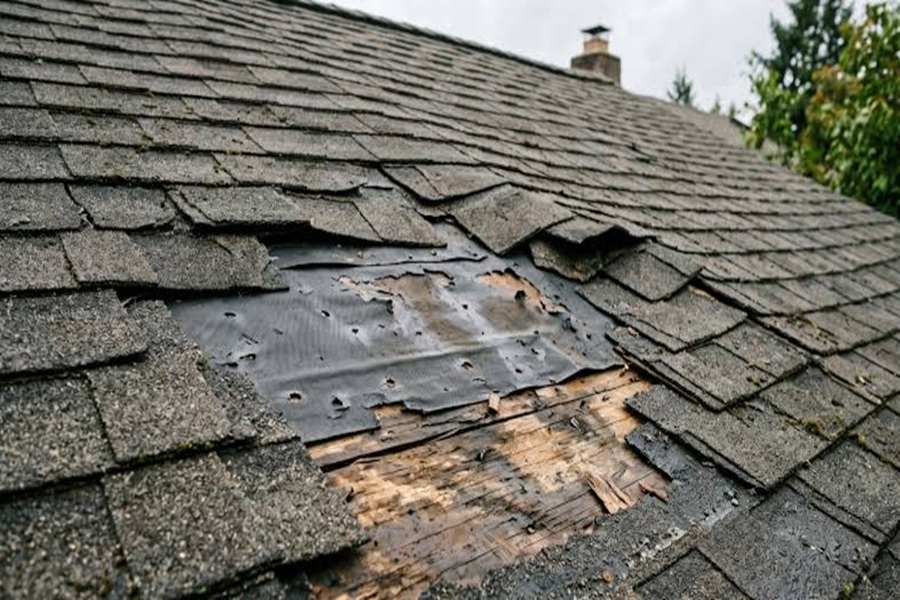
- Look for missing shingles, visible holes, damaged flashing, or debris like branches lodged in the roof.
3. Prevent Further Damage
To avoid worsening the situation while waiting for professional intervention: – Use tarps or plastic sheeting to temporarily cover exposed sections of your roof if you’re able to do so safely. – Place buckets or containers underneath leaks inside your home to catch dripping water and protect floors and furniture. – Remove any valuables from areas at risk of water damage.
4. Document Everything Thoroughly
Proper documentation will be vital when filing an insurance claim. Take these steps: – Photograph all visible damage from multiple angles (both inside and outside). – Create a written list of damaged items inside your home caused by leaks (e.g., furniture, electronics). – Record videos if needed to give insurers a clear view of structural issues.
5. Do Not Attempt Major Repairs Yourself
While minor temporary fixes like applying tarps can help prevent further issues temporarily, more extensive repairs should only be handled by licensed professionals with expertise in roofing systems. Doing so not only ensures proper repair work but also keeps you safe.
Sample Checklist: Immediate Steps After Roof Damage
Step | Action Taken? (Y/N) | Notes |
Ensure family’s safety | ||
Turn off electricity if needed | ||
Inspect roof from distance | Check for missing shingles/debris | |
Document damages | Photos/videos taken | |
Protect valuables indoors | Moved items away from leak-prone areas | |
Temporary tarp installed | Done only if safe |
By following this structured approach immediately after noticing roof damage, you’ll set yourself up for a smoother recovery process while protecting both your home and loved ones.
When to Contact Your Insurance Company First
When faced with roof damage after an emergency, knowing when to contact your insurance company first is crucial. In many cases, reaching out to your insurer promptly can simplify the claims process and help you secure financial assistance for repairs. However, specific situations may dictate whether it’s more appropriate to prioritize this step or call a roofing contractor.
Scenarios Where Contacting Insurance First is Essential
- Hailstorms, hurricanes, tornadoes, and other extreme weather events often result in widespread damage. If your home has been affected by such events, contact your insurance company before taking any further steps.
- Insurers are accustomed to handling claims related to natural disasters and can guide you through what’s covered under your policy.
- If the roof damage poses an immediate risk to structural stability or safety (e.g., large portions of the roof collapse), insurers often need early notification. They may send an adjuster quickly or provide instructions on mitigating immediate hazards.
- For emergency situations where temporary fixes are required (like tarping a roof after heavy rain), some insurance policies mandate prior approval for coverage of such expenses.
- When roof damage extends into interior areas (e.g., water damage affects walls or ceilings), contacting your insurer ensures that all aspects of the claim are appropriately documented and addressed.
Why Timing Matters
Insurance companies often have strict deadlines for reporting a claim after a covered event occurs. Delays could lead to complications such as:
– Denial of coverage due to late reporting. – Misalignment between emergency repairs and what’s covered by your policy. – Extended timelines for receiving funds needed for full restoration.
Contacting them as soon as possible keeps everything on track.
Necessary Information When Calling Your Insurance Provider
- Policy number and type.
- Date and time of the incident causing the damage.
- A brief description of what happened (e.g., hailstorm caused visible cracks in shingles).
- Initial observations about the extent of damage (avoid exaggeration but describe what’s evident).
This preparation ensures a smoother conversation with their claims department.
What Happens After You Notify Your Insurer?
After notifying your insurance company: 1. Adjuster Visit: They may send an adjuster to assess the extent of damages onsite. 2. Temporary Repairs Authorization: You may receive permission or reimbursement guidance if immediate temporary fixes like tarping are needed. 3. Next Steps Clarification: The insurer will explain what documentation is necessary moving forward (photos, roofer estimates) and how payments will be processed under your policy terms.
By contacting your insurance company first in applicable scenarios, you ensure compliance with their procedures while setting up potential financial support necessary for effective repairs.
When to Contact Your Insurance Company First
When your roof sustains damage during an emergency, such as a severe storm, fallen tree, or high winds, one of the first decisions you’ll need to make is whether to contact your insurance company or a roofing contractor. In certain situations, reaching out to your insurance company should take priority. Here are some key scenarios and factors that can help you determine when this step is necessary.
Situations When Contacting Insurance First Is Advisable
- Major Structural Damage: If the damage is extensive and involves more than just the roof—such as water damage inside the house, damaged walls, or compromised safety—it’s critical to inform your insurer immediately. They may need to send an adjuster promptly.
- Coverage Verification: If you’re unsure whether your policy covers the type of roof damage sustained (e.g., wind vs. flood damage), contacting your insurance company first can clarify coverage details.
- Emergencies Requiring Temporary Housing: If roof damage has made your home temporarily uninhabitable due to safety concerns, insurers can often assist with temporary living arrangements or reimbursement for related expenses.
- Mandatory Reporting Deadlines: Many insurers have specific deadlines for reporting claims after emergencies. Failing to notify them promptly could result in claim denial.
What To Prepare Before Calling Your Insurance Company
- Have a copy of your homeowner’s insurance policy handy.
- Review it for any specific requirements about emergency reporting and covered damages.
- Take note of visible issues such as missing shingles, exposed underlayment, or leaks inside the house.
- Avoid climbing onto the roof yourself; instead, inspect safely from ground level.
- Take clear pictures or videos of damaged areas from multiple angles—both outside and inside if applicable.
- Record dates and times of significant weather events leading up to the incident (e.g., storms, hail). Include official reports if available.
- If you’ve made minor repairs (like tarping) to protect your home from further damage before filing a claim, keep receipts and take photos of these efforts.
Benefits of Contacting Insurance First
- Streamlined Claim Process: Insurers typically require prior approval before covering repairs, so notifying them upfront avoids confusion later in the process.
- Access To Preferred Providers: Some insurers have partnerships with certified contractors who can conduct inspections or provide estimates aligned with their policies.
- Minimized Financial Risk: By involving them early on, you reduce the risk of paying out-of-pocket for services that may not meet claim requirements.
When To Be Cautious About Involving Insurance Immediately
- Minor cosmetic issues that don’t exceed your deductible could result in rate increases without offering significant reimbursement benefits.
- If you’re working with a trusted roofing contractor who specializes in emergency services and understands how to document claims effectively (and legally), they might handle initial assessments before involving insurance adjusters.
By carefully evaluating both immediate needs and long-term considerations, you’ll be better equipped to decide when informing your insurer takes precedence over other actions during a roofing emergency.
How Roofers Can Help With Insurance Claims
When dealing with roof damage caused by storms, accidents, or other emergencies, navigating the insurance claims process can be overwhelming. Many homeowners are unsure of the steps to take or how to ensure their claim is approved. This is where roofing contractors can provide valuable assistance. Working with a professional roofer experienced in insurance claims can make the process smoother and more efficient. Below are ways roofing contractors can help with insurance claims.
Expert Damage Assessment
Roofers with experience in insurance matters can provide a comprehensive damage assessment, which is critical for filing a claim. They will:
– Inspect your roof thoroughly for all visible and hidden damage. – Identify issues that may not be obvious to an untrained eye, such as structural problems or leaks. – Document findings in detail, ensuring no aspect of the damage is overlooked.
This thorough assessment ensures that your insurer receives an accurate representation of the extent of damage, reducing the likelihood of disputes.
Detailed Documentation Assistance
Proper documentation is key to filing a successful insurance claim. Skilled roofing professionals understand what insurers require and will help you compile necessary evidence, such as:
– Photographs showing specific areas of damage before and after any temporary repairs.
– Written reports describing the type of damage sustained (e.g., missing shingles, water intrusion).
– A detailed estimate for repair or replacement costs based on industry standards.
By providing these materials in an organized manner, roofers help you build a strong case for compensation.
Guidance Through Policy Details
Insurance policies vary widely in terms of coverage for roof repairs or replacements. Roofers familiar with handling claims can:
– Review your policy details alongside you to determine what is covered. – Explain any relevant clauses about full replacement versus repair costs. – Provide insights into whether depreciation applies and how it might affect payouts.
This guidance ensures you’re informed about your coverage and prepared for discussions with your insurer.
Acting as Liaison Between You and Your Insurer
Some roofing companies assist directly by communicating with your insurance company on your behalf. This can include:
– Answering technical questions about proposed repairs during inspections by adjusters. – Clarifying repair estimates or timelines if requested by the insurer. – Providing supplemental information promptly if the initial claim submission requires revisions or additions.
Having professionals handle these interactions reduces stress while improving clarity in communications with adjusters.
Preventing Underpayment Issues
Occasionally, insurers may undervalue roof damage during their evaluation. Roofing contractors who’ve worked on similar cases know typical repair costs and industry benchmarks. They may assist by:
1. Identifying discrepancies between their estimate and what’s offered by your insurer.
2. Supporting appeals processes if adjustments to initial settlements are required.
Their expertise ensures fair compensation that aligns closely with actual repair needs.
Table: Common Areas Where Roofers Add Value During Claims
Task | How Roofers Help |
Damage Assessment | Conduct thorough inspections post-storm or accident |
Documentation | Provide photos, detailed reports, and cost estimates |
Policy Interpretation | Break down complex terms in layman’s language |
Communication With Insurers | Act as a liaison during discussions with adjusters |
Ensuring Fair Settlement | Advocate on your behalf if underpayments occur |
Avoiding Errors That Could Delay Claims
Sometimes homeowners inadvertently make mistakes that delay approval from their insurer—such as failing to document temporary repairs properly or waiting too long to report damages. Roofers familiar with claims processes help avoid these pitfalls by advising clients on best practices every step of the way.
Overall, partnering with a knowledgeable roofer provides both practical support and peace of mind when managing roof-related emergencies through an insurance claim process effectively—allowing families back under safe shelter faster without unnecessary complications along the way.
Documenting Damage for Insurance Purposes
When dealing with roof damage after an emergency, accurately documenting the damage is a critical step. This ensures that your insurance claim process is smoother and backed by sufficient evidence. Here’s how to effectively document roof damage to support your case.
Why Documentation is Essential
- Insurance Adjusters Require Evidence: Insurance companies rely on detailed records to assess claims. Without clear documentation, it might be difficult to prove the extent of the damage or link it directly to the emergency event.
- Protect Yourself Against Disputes: Proper records can shield you in case of disputes about coverage or repair costs.
- Helps Roofing Contractors Understand Scope: Clear documentation also aids contractors in planning repairs or replacements based on precise data.
Steps to Document Roof Damage
- Avoid climbing onto the roof, especially if it appears unstable. Wait for professional guidance before attempting any close inspection.
- Use binoculars or a drone for a safer initial assessment.
- Capture images from multiple angles, including:
- Damaged shingles
- Holes, cracks, or exposed underlayment
- Broken gutters or flashing
- Interior water stains (e.g., ceilings and attic)
- Include photos of undamaged areas for comparison.
- Use timestamps if possible to provide context for when the images were taken.
- Write down what you observed during your inspection:
- The date and time of the event (e.g., storm or accident causing damage).
- Visible issues, such as missing tiles or water leakage.
- Any immediate actions taken (e.g., tarping).
- Be descriptive but factual — focus on observable details that align with your photos.
- Gather Supporting Documentation Compile additional information that might strengthen your insurance claim: | Type of Document | Example Details | |—————————-|—————————————————–| | Weather Reports | Proof of storms, hail, high winds during the time. | | Contractor Estimates | Initial repair quotes from roofing professionals. | | Maintenance History | Records that show prior upkeep before damages occurred.|
- Keep Damaged Materials if Possible If pieces of shingles, gutters, or other debris are accessible without risk:
- Safely collect and store them until an adjuster inspects them.
- Label these items with dates and locations found.
Tips for Effective Documentation
- Use Technology: Smartphone apps can help organize photos and notes into one convenient location.
- Maintain Copies: Keep duplicates of every file—both digital backups and physical copies—so nothing is lost during the claims process.
- Seek Professional Input: Some roofing contractors offer inspection services specifically designed to help gather evidence for insurance claims.
What Not To Do When Documenting Damage
- Avoid discarding debris too quickly; wait until an adjuster reviews it.
- Refrain from exaggerating damages—this could lead to issues with claim approval.
- Don’t delay documenting; timely reporting strengthens credibility with insurers.
Accurate documentation not only protects your interests but also reduces delays during stressful situations like roof emergencies. By taking systematic action following these steps, you’ll create a solid foundation for navigating both insurance claims and repair processes smoothly.
Best Practices for Handling Roof Emergencies
Dealing with a roofing emergency can be overwhelming, but having a well-prepared approach can significantly reduce the stress and prevent further damage. Below are some best practices you can follow to handle roof emergencies effectively.
Prioritize Safety First
- Evacuate if Necessary: If the damage to your roof has created structural concerns or exposed electrical wiring, ensure everyone exits the property safely.
- Avoid Inspecting Yourself: Climbing onto a damaged roof is dangerous. Instead, assess the situation from the ground and wait for professionals to inspect it properly.
- Turn Off Utilities if Needed: If water is leaking into your home due to roof damage, consider shutting off water or electricity in affected areas to minimize risks.
Contain Immediate Damage
Before professional help arrives, take steps to limit further damage:
– Protect Interior Spaces: Use tarps or plastic sheeting to cover furniture and flooring under leaks or damaged sections of the ceiling.
– Place Containers Under Leaks: Buckets or large containers can catch dripping water and prevent pooling on surfaces that might cause additional harm.
– Clear Debris (If Safe): Safely remove any smaller debris around your property that could pose additional hazards during cleanup efforts.
Notify Relevant Parties Promptly
Efficient communication during an emergency is critical:
1. Contact Your Insurance Provider: Notify your insurer as soon as possible about the incident and initiate a claim process if applicable. 2. Call a Roofing Company: Find a trusted contractor who specializes in emergency repairs to perform an inspection and temporary fixes. Many roofing companies also offer 24/7 emergency services.
Avoid Rash Decisions with Repairs
Making quick decisions without adequate information might lead to poor outcomes:
– Avoid hiring unlicensed contractors offering “quick fixes,” especially after severe storms when scams are more prevalent. – Always request proof of licensing, insurance, and references before hiring anyone for major repairs.
Prepare Documentation Thoroughly
Keeping track of all relevant details ensures smoother claim processing: – Take clear photos of all visible damage from multiple angles. – Write down notes regarding when the incident occurred and its perceived cause (e.g., storm winds). – Keep receipts for temporary repair materials like tarps or buckets.
Emergency Action | Recommended Steps | Notes |
Protecting belongings | Use tarps/plastic covers; move items away from leaks | Focus on high-value items |
Managing leaks | Place containers under drips; avoid climbing on roofs | Safety first |
Reporting issues | Contact both insurance company & roofer promptly | Documentation helps claims |
Build Preparedness Going Forward
While emergencies aren’t fully preventable, you can mitigate future risks by taking these measures:
1. Schedule regular inspections from licensed roofing contractors to address minor wear before it develops into major issues. 2. Maintain proper homeowner’s insurance coverage tailored specifically for weather-related incidents common in your area. 3. Compile an emergency kit that includes contractor contact numbers, basic tools like tarps, flashlights, batteries, and other essentials.
Handling roof emergencies requires prompt action balanced with careful planning—prioritizing safety above all else while ensuring proper communication with professionals will help protect both people and property effectively in difficult situations.
Best Practices for Handling Roof Emergencies
Prioritize Safety
The first step in any roof emergency is ensuring the safety of everyone in your household. Damaged roofs may pose risks such as falling debris, water leaks, electrical hazards, or structural instability. To stay safe:
– Avoid entering areas with visible damage until they are deemed secure.
– Be cautious of downed power lines or exposed wiring near the damaged roof area. – If severe weather is ongoing, wait until conditions improve before assessing damage.
Mitigate Immediate Damage
Once it’s safe to approach the situation, take steps to prevent further harm to your property:
– Use tarps or plastic sheeting to cover exposed areas of the roof and reduce water penetration. – Relocate furniture and valuables away from areas where leaks are present.
– Place buckets or containers under active leaks to contain water and reduce interior damage.
Assess the Situation
Understanding the extent of the damage will help you decide how to proceed:
– Check for missing shingles or tiles, sagging sections, broken gutters, or punctures caused by debris. – Look for signs of interior damage such as water stains on ceilings or walls.
If you’re unsure about climbing onto the roof for an inspection, rely on professional assistance.
Know Who to Contact First
Contact First | When To Do So |
Insurance Company | If extensive repairs are likely and you want an adjuster’s assessment before touching anything. |
Roofing Contractor | When emergency repairs are needed immediately (e.g., stopping active leaks) before other actions can be taken. |
Some roofing contractors specialize in working alongside insurance companies and can advise on next steps while addressing urgent issues.
Keep Detailed Records
Proper documentation is critical during any roof emergency: – Take photos and videos of both exterior and interior damage from multiple angles. – Keep receipts for temporary repair materials (like tarps) or services hired during cleanup efforts. – Record dates/times associated with events (e.g., when damage occurred) and communications with insurance providers or contractors.
Work With Reliable Professionals
Choosing experienced professionals is essential during a roofing emergency: 1. Roofing Contractors – Select licensed contractors with good reviews who offer clear contracts detailing costs and timelines. 2. Insurance Adjusters – Ensure adjusters perform thorough inspections; it may be helpful if your roofer can assist in these discussions.
Avoid hiring unsolicited door-to-door repair services that appear after storms—these could be scams attempting to exploit homeowners during emergencies.
By following these best practices, you’ll navigate roofing emergencies more effectively while minimizing stress and financial impact.