How Roofing Materials Affect Longevity
Common Roofing Materials and Their Lifespan
Material | Estimated Lifespan | Key Features |
Asphalt Shingles | 20-30 years | Affordable, easy to install, but prone to damage in extreme weather |
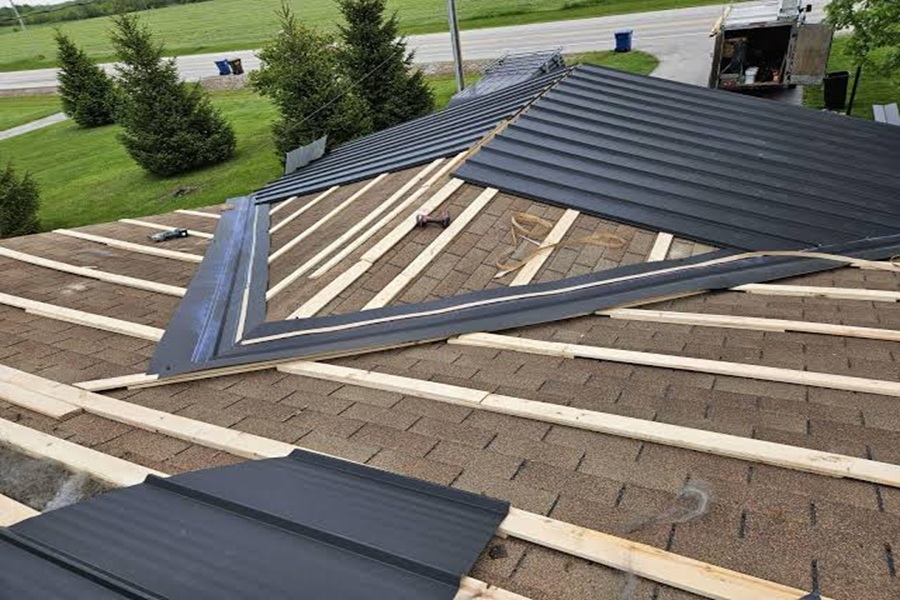
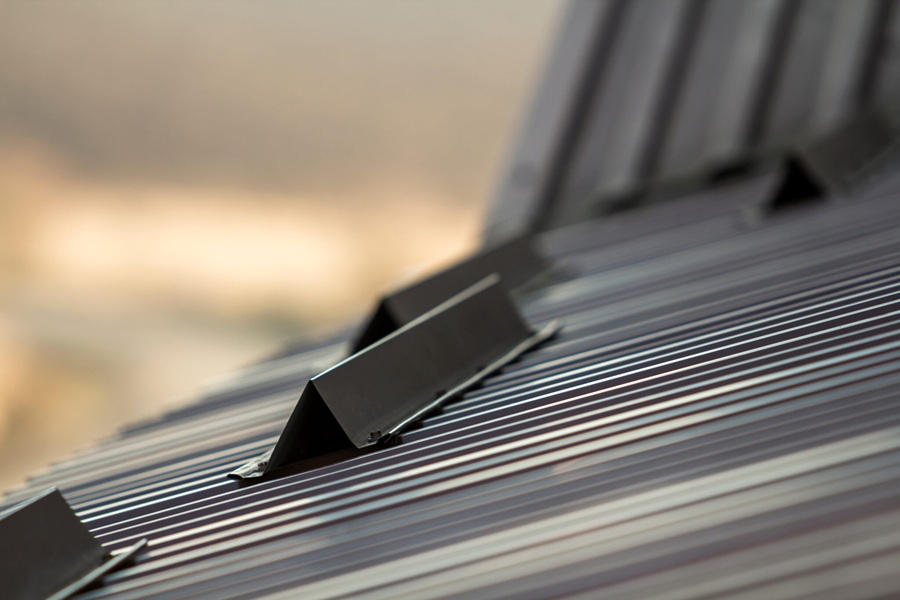
Metal Roofing | 40-70 years | Highly durable, resistant to fire and mold, often recyclable |
Clay or Concrete Tiles | 50-100 years | Long-lasting, heavy, ideal for warmer climates |
Slate | 75-200 years | Extremely durable, aesthetically pleasing, but costly |
Wood Shingles/Shakes | 20-40 years | Natural look but susceptible to fire and moisture-related issues |
Synthetic Materials | 20-50 years | Mimics natural materials like slate or wood while being more cost-effective |
Factors That Influence Material Longevity
- Higher-quality materials like slate or metal roofing naturally last longer than less durable options such as asphalt shingles.
- Synthetic roofing can provide a balance between durability and affordability.
- Metal roofs handle snow and hail well.
- Clay tiles perform best in dry, hot climates.
- Asphalt shingles may degrade quickly under prolonged UV exposure.
- Some materials require frequent maintenance (e.g., wood shingles prone to mold), while others are relatively low-maintenance (metal or synthetic roofs).
- Even high-quality materials can fail prematurely if improperly installed. Ensuring proper installation is critical regardless of the material chosen.
- Sustainable options like metal roofs or synthetic shakes often incorporate recycled content or are recyclable at the end of their lifespan.
Key Takeaways
When choosing a roofing material: – Match the material’s strengths with your local climate conditions. – Assess long-term maintenance costs alongside upfront costs. – Factor in environmental sustainability if it aligns with your values.
Each type of roofing material has its benefits and drawbacks. Understanding these trade-offs will allow you to make an informed decision that maximizes your roof’s longevity while meeting your aesthetic preferences and budgetary goals.
The Impact of Climate and Weather Conditions
The environment in which a roof resides plays a critical role in determining its overall lifespan. Different climatic and weather conditions can pose unique challenges, and understanding these factors is essential for homeowners looking to maximize roof durability. Below, we explore how various climate conditions affect roofing materials and performance.
Effects of Temperature Extremes
- High Heat: Prolonged exposure to intense sunlight can cause roofing materials, such as asphalt shingles, to dry out and crack over time. UV radiation also accelerates the deterioration of certain roof types, particularly those with lower heat resistance.
- Freezing Temperatures: In colder climates, the freeze-thaw cycle can be damaging. Water may seep into cracks and crevices during warmer phases, only to freeze and expand when temperatures drop, leading to splitting or warping of materials.
- Rapid Temperature Fluctuations: In areas where temperatures shift dramatically between day and night, roofs may experience thermal shock—a process where repeated expansion and contraction weakens the structure.
Influence of Precipitation
- Rainfall: Heavy or persistent rain can lead to water pooling on flat roofs or leaking through improperly sealed joints. Over time, prolonged moisture exposure encourages issues like mold growth or wood rot in underlying layers.
- Snow: Snow accumulation adds significant weight to a roof’s structure. If not properly cleared or if the roof lacks adequate support, this weight could lead to sagging or even collapse in extreme cases.
- Hailstorms: Hail can cause immediate physical damage by denting metal roofs or cracking brittle surfaces like clay tiles or asphalt shingles.
Wind Damage
Strong winds are another major factor that impacts roofing longevity: – High winds can lift shingles or tiles from their fastenings if not properly secured. – In hurricane-prone regions, debris carried by winds may puncture roofing membranes or damage gutters. – Repeated wind exposure weakens structural integrity over time even without immediate visible effects.
Humidity Levels
Regions with high humidity levels often face issues like: – Mold and mildew growth on roofing surfaces. – Metal components (e.g., flashing) becoming prone to rust when exposed to moist air. Conversely, excessively dry environments can make some materials brittle over time.
Regional Considerations Table
Climate/Weather Condition | Key Roofing Challenges | Suggested Mitigation Strategies |
Tropical (Hot & Humid) | UV damage; mold & algae growth | Use UV-resistant coatings; opt for moisture barriers |
Cold/Snowy | Freeze-thaw cycle; snow load stress | Clear snow regularly; choose durable materials |
Windy Areas | Shingle/fastener loosening | Reinforce fastening systems |
Rainy Regions | Water pooling; leaks | Ensure proper drainage systems |
Practical Tips for Homeowners
- Choose weather-specific roofing materials when possible (e.g., metal roofs for coastal areas due to salt air corrosion resistance).
- Regularly inspect your roof after severe weather events such as storms or heavy snowfalls—early detection of damage is key.
- Consider protective treatments such as waterproofing sprays for extra resilience against precipitation.
- Stay informed about local building codes that may require additional safeguards based on regional climate risks.
By understanding how climate factors affect your roof’s lifespan and taking proactive measures tailored to your specific environment, you can ensure better performance over time while minimizing costly repairs caused by environmental wear-and-tear.
Importance of Proper Roof Installation
Proper roof installation is one of the most critical factors influencing the lifespan and durability of a roof. Even the highest-quality roofing materials can fail prematurely if not installed correctly. This section focuses on how proper techniques, skilled labor, and attention to detail during installation contribute to a longer-lasting, more reliable roof.
The Role of Professional Installation
- Correct Material Usage: Professionals understand the specific requirements for different roofing materials (e.g., asphalt shingles, metal panels, clay tiles) and ensure they are used properly.
- Compliance with Building Codes: Licensed contractors adhere to local building codes and regulations, minimizing risks of legal or structural issues down the line.
- Manufacturer Warranties: Many roofing material warranties require proper installation by certified professionals to remain valid.
Key Elements of Proper Installation
- Before laying down roofing materials, installers inspect the structure beneath for any weaknesses or damage. A stable foundation prevents future sagging or cracking issues.
- A high-quality underlayment serves as an additional barrier against water penetration. Skipping this step (or using poor-quality materials) can lead to leaks and moisture damage.
- Nails, screws, or other fasteners must be applied at precise angles and depths to ensure materials stay secure in extreme weather conditions like windstorms or heavy snow.
- Flashing—applied around chimneys, vents, skylights, valleys—prevents water ingress in high-risk areas. Improper flashing can cause significant water damage over time.
- For sloped roofs, ensuring that materials align with the gradient prevents pooling water—a common cause of leaks and premature wear for certain types like asphalt shingles.
Common Pitfalls in Roof Installation
Mistake | Potential Consequence |
Using subpar materials | Reduced durability; increased maintenance costs |
Inadequate ventilation setup | Trapped moisture leads to mold growth & insulation decay |
Incorrect overlap on shingles/tiles | Water seepage during storms/heavy rain |
Benefits of Investing in Quality Workmanship
- Fewer repairs over time
- Enhanced energy efficiency (due to proper ventilation/insulation)
- Aesthetic appeal with clean finishes
- Peace of mind knowing your home is protected
Proper installation not only extends your roof’s lifespan but also enhances its ability to withstand harsh climates while maintaining structural integrity throughout its lifecycle.
How Ventilation and Insulation Affect Roof Life
The lifespan of a roof is not solely determined by the materials used or external weather conditions. An often-overlooked yet critical factor is the role of ventilation and insulation systems. Proper ventilation and effective insulation work together to create a balanced environment that protects the roof from internal damage while improving energy efficiency.
Why Ventilation is Essential for Roof Longevity
- Moisture Damage: Poor airflow traps humidity in the attic, leading to mold growth, wood rot, and compromised structural integrity. Over time, this can result in premature failure of roofing materials.
- Ice Dams: In colder regions, poorly ventilated roofs can cause uneven snow melting. This leads to ice dams forming along the roof edges and water seeping beneath shingles.
- Thermal Stress: Excessive heat buildup due to inadequate ventilation can cause roofing materials like asphalt shingles to crack or warp over time.
The Role of Insulation in Prolonging Roof Life
- Energy Efficiency: Proper insulation keeps homes cooler in summer and warmer in winter by reducing heat escape through the roof.
- Temperature Regulation: Balanced indoor temperatures reduce thermal cycling (repeated expansion/contraction), which is a common cause of wear on roofing materials.
- Moisture Control: Insulation helps prevent condensation buildup in attics by maintaining consistent temperatures.
Key Signs of Poor Ventilation or Insulation
Symptom | Potential Problem |
Mold or mildew in the attic | High humidity levels due to poor airflow |
Uneven temperature indoors | Inadequate insulation causing inefficiency |
Premature shingle aging | Excessive heat exposure |
Ice dams during winter | Heat escaping into attic space |
Steps to Improve Ventilation and Insulation
- Inspect Attic Vents: Ensure soffit vents, ridge vents, or gable vents are clear of debris for proper airflow.
- Install Additional Vents if Needed: For larger homes with complex roofs, additional vents may be necessary.
- Upgrade Insulation Material: Use high-quality insulating materials such as spray foam or fiberglass batt for better performance.
- Seal Air Leaks: Close gaps around lights, pipes, chimneys, and other penetration points to prevent drafts.
- Hire Professionals: Work with licensed contractors who understand how insulation/ventilation systems interact with roofing structures.
By addressing both ventilation and insulation needs promptly and effectively, homeowners can extend their roof’s lifespan while also enhancing energy conservation within their property.
The Role of Regular Roof Maintenance
Regular roof maintenance plays a crucial role in extending the lifespan of a roof. Even the highest-quality roofing materials and professional installation will be insufficient if routine inspections, cleaning, and repairs are neglected. By proactively maintaining your roof, you can prevent costly damages and ensure it remains durable for years to come.
Why Regular Maintenance Matters
- Prevention of costly repairs: Small issues like cracks or leaks can be addressed early before they turn into more extensive (and expensive) problems.
- Maximizing material lifespan: Maintenance helps you get the most out of your chosen roofing material by reducing wear and tear.
- Energy efficiency: A well-maintained roof ensures proper insulation and ventilation, reducing energy costs.
- Aesthetic appeal: Removing debris and repairing visible damage keeps the roof looking clean and well-kept.
Essential Roof Maintenance Tasks
- Check for signs of wear such as missing shingles, cracked tiles, or loose flashing.
- Look for water stains on ceilings or walls inside your home as an indicator of potential roof leaks.
- Remove leaves, branches, dirt, moss, or algae from the surface.
- Clean gutters and downspouts to prevent water accumulation that could lead to leaks or ice dams.
- Reseal flashing around vents or chimneys if gaps appear.
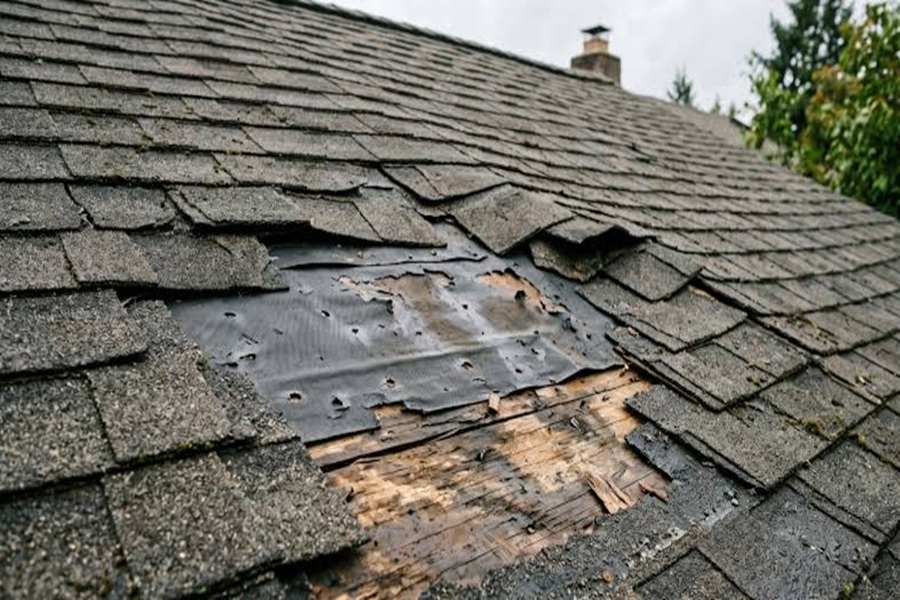
- Replace damaged shingles promptly to avoid further exposure.
- Ensure skylights, chimneys, and vents have secure seals that keep moisture out.
- Confirm that water flows properly off the roof through gutters and drains without pooling on flat sections.
Professional Inspections
- Schedule an inspection annually (or biannually in harsher climates).
- Arrange inspections after major weather events such as storms or heavy snowfall.
Maintenance Task | Frequency |
Inspecting for Damage | Twice per year* |
Cleaning Gutters | Every 6 months** |
Checking Seals/Flashing | Annually |
Professional Inspection | Annually |
* If located in areas with extreme weather conditions (e.g., hurricanes), increase inspection frequency.
** In fall/spring when leaves typically accumulate more frequently.
Regular maintenance is not just about addressing damage but creating a proactive approach toward preserving your investment in roofing materials and installation. By dedicating time to these steps consistently throughout the year—and combining DIY efforts with professional expertise—you can significantly extend your roof’s lifespan while avoiding unexpected expenses due to neglect or oversight.
Common Causes of Premature Roof Damage
Roof damage can occur for various reasons, many of which are avoidable with proper care and awareness. Identifying these causes early can help prevent costly repairs or the need for a roof replacement. Below, we’ll explore some of the most common culprits behind premature roof damage.
1. Poor Installation Practices
A roof’s lifespan is heavily influenced by how well it is installed. Mistakes during installation can compromise its structural integrity and shorten its life expectancy. Common issues include: – Incorrect placement or spacing of shingles. – Failure to properly seal joints or flashing. – Use of low-quality fasteners or adhesives. – Improperly aligned underlayment.
These errors often result in vulnerabilities to leaks, wind uplift, and water infiltration over time.
2. Weather Extremes
Severe weather conditions are one of the leading causes of premature roof damage. Some weather-related factors that affect roofs include: – High winds: Winds can lift shingles, exposing the underlayment and allowing moisture to seep in. – Hailstorms: Hail can dent metal roofs, cause granule loss on asphalt shingles, or crack tiles. – Heavy snow or ice: Accumulation adds significant weight that could lead to sagging or structural strain. Ice dams are particularly harmful as they trap water on the roof surface. – Intense heat: Prolonged exposure to UV rays deteriorates roofing materials over time.
3. Lack of Maintenance
Skipping routine maintenance leaves small problems unnoticed until they escalate into major issues: – Clogged gutters can cause water pooling and lead to water damage along the roofline. – Neglected moss, algae, or debris buildup adds unnecessary weight and retains moisture against the surface. – Loose flashing around vents, chimneys, and skylights allows leaks to develop.
Roof inspections should occur at least twice a year—preferably in spring and fall—to catch potential problems early.
4. Tree Damage
Overhanging branches pose significant risks to your roofing system: – Falling limbs during storms can puncture roofing materials. – Leaves build up in gutters, blocking drainage paths.
Additionally, persistent contact between branches and shingles may erode their protective layers over time due to friction.
5. Poor Ventilation
Inadequate attic ventilation traps heat and moisture beneath your roof deck: – Excessive heat accelerates material deterioration (especially for asphalt shingles). – Moisture buildup leads to wood rot within supports or mold growth inside your home.
Ensuring proper airflow prevents these issues while supporting overall longevity.
6. Pest Infestations
Wildlife such as birds, squirrels, raccoons, and insects may find their way into a poorly maintained roof: – Birds nesting under tiles can loosen them over time. – Rodents may chew through roofing materials in search of shelter.
Regular inspections help detect pests before they cause lasting damage.
Cause | Impact on Roof |
Poor installation | Structural weaknesses; reduces durability |
Weather extremes | Cracks; material degradation; water infiltration |
Lack of maintenance | Escalated minor issues; blocked drainage systems |
Tree damage | Punctures; added weight from debris |
Poor ventilation | Long-term material wear; trapped humidity |
Pest infestations | Material erosion caused by wildlife activity |
Proactive Measures
By understanding these common causes of premature roof damage, homeowners can take proactive measures such as scheduling regular inspections, trimming nearby trees, maintaining proper attic ventilation, and addressing minor repairs promptly. Preventative care goes a long way toward ensuring your roof lasts as long as possible without unexpected failures or costly replacements.
Tips to Extend the Lifespan of Your Roof
Extending the lifespan of your roof is a practical way to maximize your investment, reduce long-term costs, and ensure the safety and integrity of your home. By following these professional tips, you can significantly enhance your roof’s durability while minimizing potential issues.
Schedule Regular Inspections
- Look for damaged shingles, such as curling, cracking, or missing pieces.
- Check for signs of water damage or leaks inside the attic.
- Examine flashing areas around chimneys, vents, or skylights where leaks often form.
- Remove debris like leaves or branches that accumulate over time.
Routine inspections allow you to detect minor issues before they escalate into costly repairs.
Keep Gutters Clean and Functional
Clogged gutters can lead to water pooling on the roof and eventual damage. Ensure that gutters stay clean and properly aligned to carry water away from your home’s foundation.
- Clear leaves, dirt, and other debris regularly.
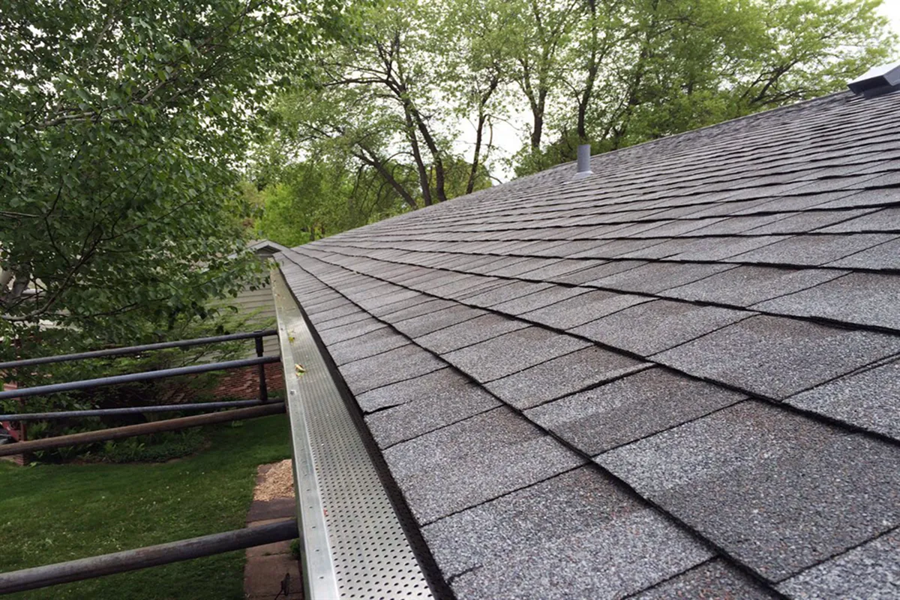
- Install gutter guards to minimize blockages.
- Check downspouts for proper drainage.
Address Repairs Promptly
- Replace broken or missing shingles immediately.
- Repair cracks in flashing or sealant around protrusions like vents.
- Seal small leaks before they cause interior water damage.
Proactive maintenance ensures that minor wear doesn’t develop into significant structural issues.
Trim Overhanging Branches
- Regularly trim branches back at least 3 feet from the roofline.
- Remove dead trees or high-risk limbs near the house.
This helps reduce physical wear on roofing materials while also minimizing gutter clogs caused by fallen leaves.
Ventilation and Insulation Upkeep
- Installing ridge vents or attic fans if ventilation is inadequate.
- Replacing old insulation with energy-efficient materials.
Maintaining both systems protects not only the roof but also overall household energy efficiency.
Ensure Proper Drainage on Flat Roofs
- Verify that slope angles are adequate for water shedding.
- Check for clogs in drains specific to flat roofs regularly.
- Use waterproof coatings as an added protective measure.
These steps help protect against ponding water-related damages common to flat roofs.
Invest in Quality Materials
Roofing Material | Average Lifespan | Durability Features |
Asphalt Shingles | 20–30 years | Affordable but requires regular upkeep |
Metal Roofing | 40–70 years | Resistant to fire & extreme weather |
Slate | 50+ years | Extremely durable but heavy installation |
Choosing appropriate material based on climate adds further resilience against local conditions.
By taking these steps seriously—ranging from routine maintenance tasks like cleaning gutters to structural investments such as improved insulation—you’ll ensure a longer-lasting, healthier roof capable of protecting both home value & occupants longer term.