Why Fall Is the Best Time for Roof Maintenance
Mild Temperatures
- Comfortable Weather for Repairs: The cooler yet stable temperatures of fall create favorable conditions for both DIY projects and professional roofing work. Asphalt shingles, for instance, are less likely to crack or become overly pliable during installation or repair in such moderate weather.
- Safer Working Conditions: Reduced risks of heat exhaustion or slippery surfaces caused by frost make fall a safer time to perform critical maintenance.
Early Preparation for Winter
Fall serves as a preparatory window before harsher winter weather arrives. Proactively addressing issues now can save you from costly repairs later when ice dams or heavy snow can exacerbate even minor problems.
– Prevent Ice Dams: Ensuring proper insulation and ventilation in the fall reduces the risk of ice dams forming on your roof during winter.
– Avoid Snow Load Stress: Identifying weak spots or sagging areas on your roof during fall allows you to reinforce them before they encounter heavy snow loads.
Longer Daylight Hours
Compared to winter, fall offers more daylight hours, which means more time to safely inspect, clean, and repair your roof. This added time is crucial for thorough assessments and completing larger tasks without feeling rushed.
Lower Demand for Roofing Services
Since many homeowners wait until spring or summer to schedule roofing work, contractors often have more availability during the fall months. Not only does this make scheduling easier but it may also result in cost savings as demand (and prices) tend to rise in warmer months.
Key Tasks Perfectly Timed for Fall
Some maintenance tasks are uniquely suited to this season: – Clearing Debris: Leaves and branches that accumulate on your roof during early autumn should be cleared away promptly. – Inspecting Flashing & Seals: These components may be compromised after summer storms; repairing them now ensures they’re ready to handle winter precipitation. – Testing Drainage Systems: Gutters and downspouts need attention after collecting debris from summer winds and falling leaves.
Task | Why It’s Best Done in Fall |
Gutter Cleaning | Prevents clogs before heavy winter rains/snow |
Shingle Repair | Avoids worsening damage under snow/ice weight |
Flashing Checks | Ensures water-tight protection against storms |
By taking advantage of fall’s favorable conditions—both environmental and practical—you can safeguard your home against costly damage while ensuring comfort through the colder months ahead.
Essential Roof Inspections Before Winter
As the seasons shift and temperatures begin to drop, an essential task for any homeowner is conducting thorough roof inspections before winter. Fall provides the perfect window of opportunity to identify and address potential issues that may worsen under the harsh conditions of ice, snow, and freezing temperatures. A proactive approach toward inspecting your roof can save you from costly repairs down the line and ensure your home remains safeguarded throughout the winter.
Why Roof Inspections Are Crucial in Fall
- Preventing Winter Damage: Minor roofing issues, such as small leaks or loose shingles, can escalate quickly when exposed to snow or ice buildup.
- Extreme Weather Readiness: Fall weather is generally milder, making it easier for homeowners or professionals to safely conduct inspections without the risks posed by icy or slippery roofs.
- Extending Roof Lifespan: Regular maintenance ensures that your roof continues performing optimally over its intended lifespan.
What to Look for During a Roof Inspection
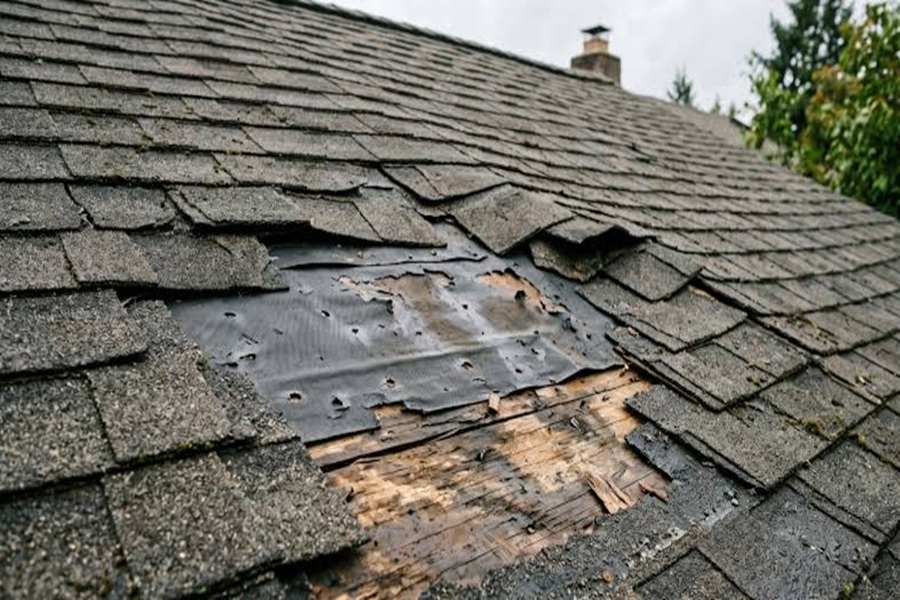
- Look for missing, cracked, curling, or buckling shingles.
- Check for granule loss, which may indicate aging shingles.
- Inspect areas around chimneys, vents, skylights, and valleys for damaged or improperly sealed flashing.
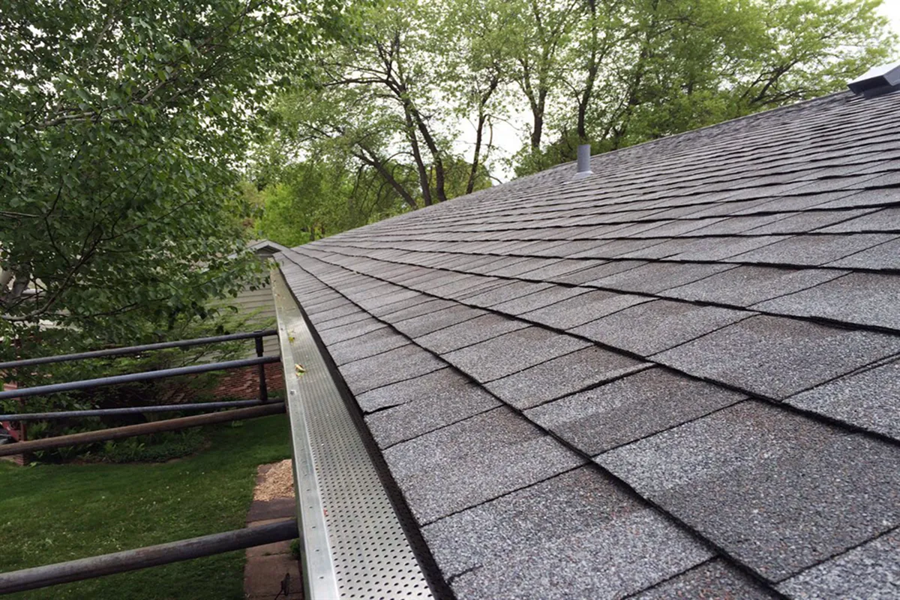
- Ensure gutters are securely attached with no blockages preventing water flow (this ties into gutter cleaning).
- Check visible areas inside your attic for water stains or sagging sections that may indicate hidden leaks.
- Watch out for moss buildup on shaded areas of your roof that could trap moisture and cause damage over time.
Tools You May Need
Tool | Purpose |
Binoculars | For spotting visible damage from afar |
Ladder | To access hard-to-reach areas |
Safety Harness | For added security when climbing |
Flashlight | To inspect attic spaces thoroughly |
Roofing Sealant | To address minor cracks while conducting basic maintenance |
Professional vs DIY Roof Inspections
- Cost-effective if you have experience with home repairs.
- Useful for spotting surface-level issues like missing shingles.
- Difficulty identifying structural problems like deck rot or ventilation issues.
- If your roof has steep slopes requiring specialized equipment.
- For peace of mind through comprehensive assessment reports.
Scheduling Your Inspection
To avoid last-minute stress as winter approaches, schedule your inspection during early fall before leaves accumulate in gutters and weather conditions worsen. Whether performing it yourself or hiring a roofing expert, taking action now ensures you’re fully prepared for whatever winter throws at you.
By prioritizing fall inspections as part of your seasonal home care routine, you’ll not only protect one of your largest investments but also enjoy greater peace of mind knowing your family remains safe under a strong and sturdy roof all season long.
Cleaning Gutters and Preventing Water Damage
Fall is the season of falling leaves, cool breezes, and preparing for the colder months ahead. However, while autumn has its beauty, it also poses risks to your roofing system—specifically through clogged gutters that can lead to costly water damage. Proper gutter maintenance is a crucial aspect of protecting your roof and home. Below is a comprehensive guide to cleaning gutters and preventing water-related issues during fall.
Why Gutter Cleaning Matters
Gutters play an essential role in directing rainwater away from your roof and foundation. When they are clogged with leaves, twigs, or debris during fall, several problems can arise: – Overflow Issues: Blocked gutters cause water to overflow, potentially damaging your roof edges, fascia boards, and siding. – Foundation Problems: Improper water drainage can lead to soil erosion around your home’s foundation or even basement flooding. – Ice Dams Formation: In colder regions, standing water in clogged gutters may freeze overnight. Ice dams can form along the edges of your roofline and cause leaks. – Pest Infestations: The debris in gutters creates a perfect habitat for pests like rodents or insects.
Step-by-Step Guide to Gutter Cleaning
Cleaning out your gutters doesn’t have to be a daunting task. Follow these steps for effective maintenance: 1. Gather the Right Tools: You’ll need gloves, a sturdy ladder with stabilizers, a trowel or gutter scoop, a bucket or tarp for debris collection, and a garden hose. 2. Inspect Safety Measures: Always ensure the ladder is stable and placed on solid ground. Avoid leaning too far while working. 3. Remove Debris by Hand: Use gloves to scoop out leaves and debris into the bucket or drop them onto the tarp below. 4. Flush with Water: Use a garden hose to rinse out remaining dirt or clogs in the downspouts. Check that water flows freely through them. 5. Inspect for Damage: While cleaning, check for signs of rusted gutters, loose connections, cracks, or sagging areas.
Preventative Measures Against Future Clogs
Proactive steps can significantly reduce how often you need to clean your gutters: – Install Gutter Guards: These mesh covers prevent large debris from entering your gutter system while still allowing rainwater flow. – Trim Overhanging Branches: Prevent excessive leaf accumulation by cutting back tree branches near your home. – Regular Maintenance Schedule: Clean gutters at least twice annually—once in late fall after most leaves have dropped and once in spring.
Maintenance Task | Recommended Frequency |
Clean Gutters | Twice a year |
Inspect Downspouts | Twice a year |
Trim Nearby Branches | Annually |
Signs It’s Time for Professional Help
While DIY can cover routine maintenance tasks effectively, certain situations may require professional assistance: – Persistent clogs despite regular cleaning efforts
– Visible sagging sections of the gutter system
– Water pooling near the foundation despite clean drains
Bringing in professionals ensures more complex issues are resolved quickly before they escalate into expensive problems.
By keeping up with gutter maintenance during fall, you not only protect your roof but also prevent long-term damage that could affect other parts of your home’s structure.
Repairing Minor Issues Before They Get Worse
Addressing minor roofing issues during the fall can save significant time and money in the long run. Small problems, such as loose shingles or minor leaks, may seem insignificant at first but can escalate into larger, more expensive repairs if left unresolved. Fall provides an ideal window of opportunity to tackle these small issues before freezing temperatures and snow complicate the process.
Benefits of Early Repairs
- Cost Savings: Preventative repairs are often less expensive than major replacements later down the road when damage worsens.
- Reduced Energy Loss: Fixing gaps or cracks helps retain heat in your home during winter, reducing energy bills.
- Increased Lifespan: Timely repairs can extend your roof’s lifespan by preventing water infiltration and structural degradation.
- Improved Safety: Damaged roofs can pose safety risks due to falling debris or weakened structures. Minor fixes ensure your roof remains secure throughout harsh weather conditions.
Common Roofing Issues to Address in Fall
- Damaged shingles allow water to seep beneath the surface, leading to leaks and possible mold growth over time.
- Flashing around chimneys, vents, skylights, or other openings should be intact, as it prevents water from entering sensitive areas of your roof.
- If you notice discoloration on ceilings or walls inside your home, it may indicate a leak that needs immediate attention.
- Gutters that pull away from the roofline can direct water back toward your home’s foundation instead of away from it.
- Ponding Water (on flat roofs)
- Pooled water indicates a drainage problem that could lead to material breakdown or leaks over time.
Steps for Effective Repairs
- Conduct a thorough inspection of your roof either yourself (if safe) or with help from a professional roofer.
- Identify problem areas such as loose shingles, cracks in flashing, clogged gutters, and small leaks.
- Roofing cement for sealing cracks
- Replacement shingles for damaged areas
- Caulk around vent pipes or chimney bases where necessary
- Ensure all debris is cleared from gutters and downspouts while addressing any sagging sections.
If repairs seem beyond your skill set—or if you’re concerned about safety—it’s wise to call in qualified professionals who have the expertise and equipment to handle more complex issues.
DIY Repairs vs Professional Assistance
Issue Type | DIY Friendly? | Professional Needed? |
Replacing single shingles | Yes | No |
Sealing small leaks | Yes | No |
Repairing flashing | Maybe (simple cases) | Yes (complex cases) |
Large-scale damage | No | Yes |
Final Thoughts on Timely Roof Repairs
Fall is an ideal season for catching and repairing small roofing issues before inclement winter weather arrives. By taking preventive action now—whether through DIY efforts or hiring professionals—you can protect both the integrity of your roof and avoid costly emergencies later on. Prioritize these tasks so that when winter arrives, you’ll have peace of mind knowing your home is well-protected against harsh conditions ahead.
Repairing Minor Issues Before They Get Worse
Fall is the perfect season to tackle minor roof issues before they escalate into costly and damaging problems during winter. Small repairs, when addressed early, can save significant time, money, and stress as colder months approach. Ignoring these concerns can lead to leaks, structural damage, or even health hazards such as mold growth. This section outlines common minor roofing issues to address in fall and provides actionable advice on how to manage them effectively.
Common Minor Roofing Issues to Address
- Missing or Damaged Shingles: Autumn storms or summer heat may have loosened shingles or caused them to crack.
- Worn Flashing: Flashing around chimneys, vents, or skylights often wears down over time and can create entry points for water.
- Small Leaks: Even a tiny leak can let moisture infiltrate your home, leading to insulation damage or rot.
- Sagging Gutters: Gutters that sag under the weight of debris may break under winter snow and ice if not repaired now.
- Clogged Roof Vents: Debris buildup in vents can impact ventilation and lead to trapped moisture.
Steps for Tackling Minor Repairs
- Conduct a detailed walk-around inspection of the roof from the ground.
- Use binoculars if necessary to spot loose shingles or flashing damage.
- Inspect interior ceilings and attics for signs of leaks like stains or dampness.
- Replace missing shingles immediately with matching materials.
- Use roofing adhesive to secure any loose shingles that are still intact.
- Apply a high-quality roof sealant around compromised flashing areas.
- If flashing is severely damaged, consider professional replacement.
- Remove all debris from gutters (leaves, twigs) using gloves and a scoop tool.
- Ensure downspouts are clear by running water through them with a hose.
- Reinforce sagging sections with gutter hangers for added support.
- Identify the source of leaks by testing with water on suspected areas.
- Use waterproof caulking or roofing tape as a temporary fix until further repairs are done.
- Use a soft brush to remove debris blocking roof vents.
- Ensure proper airflow by inspecting attic ventilation systems.
When Professional Intervention Is Needed
While many minor repairs can be handled independently, certain situations require professional attention: – Persistent leaks that you cannot locate – Broken flashing pieces – Large sections of missing shingles – Structural concerns such as sagging areas
Tools You’ll Need for DIY Repairs
Tool | Purpose |
Roofing Adhesive | Secures loose shingles |
Gutter Scoop | Removes debris from gutters |
Caulking Gun & Sealant | Patches small gaps or cracks |
Soft Brush | Cleans clogged vents without causing damage |
By addressing these smaller issues promptly in the fall season, you’re investing in the long-term health of your roof while avoiding larger repair costs in the future. A proactive approach will ensure your home stays dry and well-protected through harsh weather conditions ahead.
When to Schedule Professional Roofing Services
Knowing when to enlist the expertise of professional roofing services is crucial to maintaining your roof’s integrity and ensuring it can handle the challenges fall and winter bring. While some roof maintenance can be done by homeowners, there are specific situations where hiring a professional is both safer and more effective. Below, we’ll explore the ideal times and circumstances to schedule professional roofing services, as well as what to expect during these appointments.
Signs You Need a Professional Roofer
- Leaks or water stains: Water entering your home is an indicator of possible damage to shingles, flashing, or other roofing components.
- Sagging areas: Sections of your roof that appear uneven or sunken might signal structural damage.
- Damaged shingles: Missing, cracked, or curling shingles need immediate attention before they allow moisture infiltration.
- Moss or algae growth: Persistent growth can weaken roofing materials over time if not removed properly.
- High energy bills: A poorly insulated or damaged roof can lead to heat loss in the colder months.
If you notice any of these issues, it’s time to call in a licensed roofer for inspection and repair.
Scheduling Seasonal Roof Inspections
- Early Fall (September – October): This is the perfect window for identifying and repairing problems before harsher weather arrives.
- Late Fall (November): If you’ve delayed maintenance earlier in the season, it’s still worthwhile to have professionals inspect your roof before winter fully sets in.
Benefits of Hiring Professionals in Fall
- Thorough assessments: Experts have the skills and tools required for detailed inspections that may uncover hidden issues unnoticed by homeowners.
- Preventive measures: Small repairs conducted promptly can prevent larger issues like ice dams or leaks during freezing temperatures.
- Extended lifespan: Routine upkeep managed by professionals helps prolong the overall lifespan of your roof.
- Warranty compliance: Many warranties require regular inspections; fall appointments ensure you meet those terms.
How Long Does a Roofing Appointment Take?
The duration of a professional roofing service varies depending on its nature:
| Service Type | Estimated Time | |——————————-|———————–| | Basic Inspection | 1–2 hours | | Minor Repairs | 2–4 hours | | Extensive Repairs/Replacements| 1–3 days |
This timeline allows homeowners to plan accordingly while ensuring their roofs receive proper care.
Preparing for Your Appointment
- Clear debris from around your home so roofers have easy access.
- Document any areas of concern you’ve noticed ahead of time.
- Ensure pets are kept indoors during on-site work for their safety.
By addressing potential problems proactively with help from skilled professionals, you’re not only protecting your home but also providing peace of mind as colder months approach.
When to Schedule Professional Roofing Services
Timing is critical when it comes to roof maintenance and repairs, especially during the fall season. Knowing when to bring in professional roofing services can save you time, money, and headaches down the road. The autumn months are an ideal window for checking in on your roof’s condition and addressing issues before winter weather sets in. Here’s what you need to know about scheduling roofing services at the right time.
Why Fall Is Ideal for Professional Services
- Moderate Weather: Fall’s mild temperatures provide optimal conditions for roofing work. Shingles adhere better when temperatures aren’t too hot or too cold, ensuring long-lasting results.
- Pre-Winter Preparation: Addressing problems before snow, ice, and freezing temperatures arrive reduces the likelihood of costly emergency repairs during winter.
- Less Busy Than Spring Storm Season: While spring often brings a rush of emergency roof repairs due to post-winter storms, fall tends to be slightly less hectic for roofing contractors. This makes it easier to schedule an appointment that fits your timeline.
Key Signs That It’s Time to Call a Roofing Professional
- Visible Damage: Cracked or curling shingles, sagging areas, or missing tiles suggest that repairs may be needed.
- Water Leaks: Stains on ceilings or walls can indicate water infiltration caused by roof damage.
- Granule Loss: Check gutters or downspouts for shingle granules. Excessive granule loss weakens shingles and compromises their performance.
- Age of Roof: If your roof is nearing the end of its lifespan (typically 20–30 years for asphalt shingles), scheduling an inspection is crucial.
Timing Tips for Scheduling
To maximize efficiency and ensure timely service during the busy fall months:
1. Book Early: Many homeowners rush to complete roofing projects before winter arrives. Scheduling early in the season can help secure appointments with top-tier contractors.
2. Plan Around Weather Forecasts: Check local weather patterns before committing to a specific date since rain or high winds could delay work.
3. Combine Services When Possible: If you’re hiring professionals for gutter cleaning or attic insulation updates during fall, consider bundling these with roof inspections or minor repairs.
Factor | Ideal Action Timeline | Notes |
Seasonal Roof Inspection | Early-to-Mid Fall | Verify roof health after summer heat exposure |
Minor Repairs | Mid-Fall | Address small issues like cracked shingles |
Major Repairs/Replacement | Early Fall | Allow adequate time before colder weather arrives |
Questions To Ask Your Roofing Contractor
When selecting a professional roofing service provider, ask these critical questions: – Are you licensed and insured? – What warranties do you offer on materials and labor? – Can you provide references from recent customers? – What safety measures do you take during installations/repairs?
By aligning your needs with seasonal advantages and taking proactive steps toward professional support, you’ll extend your roof’s life while minimizing stress as colder weather approaches.