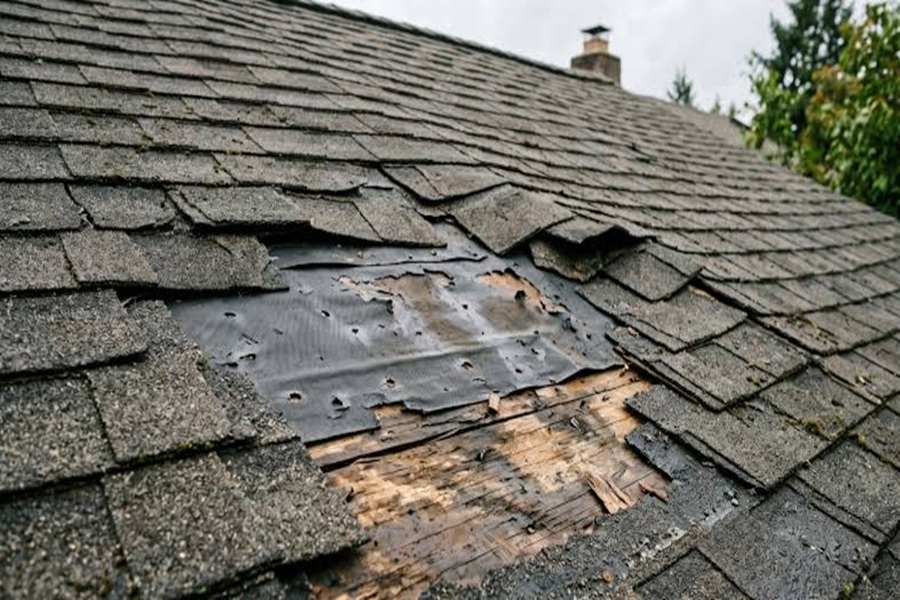
Inspect Your Roof Before Storm Season
Proper preparation is key to storm-proofing your roof, and it begins with a thorough inspection before storm season arrives.
Why Inspecting Your Roof Matters
Storms bring high winds, heavy rain, hail, and flying debris that can wreak havoc on your home.
– Identify areas of wear and tear such as cracked shingles or warped panels.
– Spot minor issues (e. g.
Conducting a Visual Inspection
- Flashing:Check the flashing around chimneys, vents, skylights, and other penetrations for any signs of rust or looseness. These are common areas for leaks to develop.
- Exterior Damage:Examine the fascia boards and soffits for cracks or rotting wood that might weaken the roof’s defense against storms.
Interior Warning Signs
Inspecting the interior of your home is just as important:
– Check attic spaces for damp insulation or visible light peeking through gaps in the roofing structure. – Be mindful of musty smells indicating mold growth due to long-term moisture exposure.
When To Call A Professional
While DIY inspections can catch many apparent issues, some problems require an expert eye. Consider professional assistance if: 1. You notice widespread damage beyond minor repairs. 2. 3. Your roofing materials require specialized knowledge (e. g. , slate tiles).
A professional roofer has both the expertise and equipment needed to conduct an in-depth assessment safely.
By inspecting your roof before storm season begins, you’re taking preventive steps that could protect both your home and wallet during unpredictable weather events. The next step involves addressing any vulnerabilities identified during this process ensuring loose materials are secured and damages are repaired promptly prior to anticipated storms.
Secure Loose or Damaged Roofing Materials
Ensuring that your roof is free from loose or damaged materials is a critical step in storm-proofing your home. A weakened roof can quickly turn into a major liability during severe weather, as high winds and heavy rainfall can exploit vulnerabilities, leading to costly repairs or even structural damage. Below, we’ll explore practical ways to secure and repair roofing materials effectively.
Identify Loose or Damaged Areas
Start by thoroughly inspecting all roofing materials for visible signs of damage.
– Shingles: Look for cracked, curled, or missing shingles.
– Tiles: Check for chips, cracks, or dislodged tiles if you have a tile roof.
– Metal Panels: Inspect for rust spots, gaps, or loose fasteners if your roof is metal.
If any of these issues are present, address them immediately to strengthen your roof ahead of storm season.
Steps to Repair and Secure Roofing Materials
- Use adhesive roofing cement for minor cracks in asphalt shingles. For missing shingles or tiles, replace them with new ones that match the existing material as closely as possible.
- Secure loose shingles with roofing nails and seal the edges with waterproof caulk or adhesive cement. This will prevent water seepage during storms.
- If you have a metal roof, tighten any loosened screws with a screwdriver and apply a weatherproof sealant around the fastener.
- For small holes caused by wear-and-tear or debris impact, apply roofing tape under flashing as temporary protection before scheduling professional repairs.
Consider Upgrading Fastening Systems
In regions prone to strong winds such as hurricanes and tornadoes:
– Use wind-resistant nails (ring-shank nails) instead of smooth shank nails when repairing asphalt shingles. – Retrofit hurricane clips under the edges of the roof deck to add another layer of protection against uplift forces.
| Common Problems | Quick Fix | Recommended Tool/Material |
| Missing shingles | Replace with new | Hammer & roofing nails |
| Small cracks | Seal with adhesive cement | Roofing cement |
| Loose metal panels | Tighten screws & reseal edges | Weatherproof sealant |
Perform Regular Maintenance Ahead of Storms
Setting up regular maintenance plans can help reduce emergency repairs during storm season: – Schedule biannual inspections (spring and fall) so problems are identified early. – Clean away debris like leaves regularly; they can worsen shingle displacement over time.
By taking proactive steps today like securing vulnerable areas you’ll save yourself significant stress and expense later when storms inevitably arrive.
Strengthen Flashing, Seams, and Vulnerable Areas
When it comes to storm-proofing your roof, one of the most critical steps is ensuring that vulnerable areas such as flashing, seams, and other weak points are properly reinforced. High winds and heavy rain often target these spots first, leading to leaks or structural damage.
What Is Flashing and Why It Matters
Flashing is typically made from metal or other waterproof materials and serves as a barrier where your roof meets vertical surfaces like chimneys, skylights, or walls. Its purpose is to prevent water from seeping into joints or openings. If flashing is loose, rusted, or improperly installed, it can quickly become a weak point during a storm.
Key Areas Requiring Flashing: – Chimneys – Skylights – Vent pipes – Valleys where two roof planes meet
Steps to Strengthen Flashing and Seams
- Check for cracks, corrosion, or gaps in the flashing.
- Look for any peeling sealant that may allow water intrusion.
- Remove old or damaged flashing carefully with appropriate tools.
- Install new flashing securely using roofing nails and sealants designed for waterproofing.
- Apply high-quality roofing sealant along seams to prevent water from leaking through small cracks.
- Use a weather-resistant material that can withstand temperature changes without cracking.
- Ensure all screws and nails holding the flashing are tight and not rusted.
- Replace any compromised fasteners with corrosion-resistant ones.
Reinforcing Other Vulnerable Areas
- Skylight Perimeters:Use leak-proof membrane systems around skylights to ensure water-tight seals.
- Roof Valleys:Reinforce valleys with durable underlayment such as ice-and-water shields to add an extra layer of protection.
Table: Common Weak Points vs Recommended Reinforcements
| Weak Point | Potential Issue | Recommended Solution |
| Flashing | Water leaks due to gaps or rust | Replace damaged sections; reseal gaps |
| Roof Valleys | Pooling water | Add ice-and-water shield underlayment |
| Skylight Perimeters | Leaks around edges | Install waterproof membranes |
Why Maintenance Matters
Regular maintenance is crucial for keeping these areas storm-ready year-round. Small issues like worn-out sealants or loose fixtures can escalate quickly when subjected to extreme weather conditions.
Pro maintenance tips:– Schedule seasonal inspections of all critical areas. – Keep records of repairs so you know when reinforcements need updating.
If they become clogged, water can back up onto the roof, seep into your home’s structure, or cause damage to your landscaping.
Why Clean Gutters Matter
Blocked gutters can lead to several issues, including: – Water Damage:Overflowing water can pool on the roof or seep into walls and ceilings, leading to costly structural damage.Foundation Issues:Improperly drained water can accumulate at the base of your house, causing foundation cracks or soil erosion.Increased Weight:Wet debris in gutters adds extra weight, potentially damaging the gutter system or pulling it away from the house.Ice Dams:In colder climates, clogged gutters contribute to ice dams that worsen roof damage during freeze-thaw cycles.
A proactive approach is best when it comes to managing gutters.
- Look for blockages caused by leaves, twigs, nests, and other debris.
- Use a sturdy ladder to access your gutter system safely. Consider having someone hold the ladder steady for added safety.
- Remove debris with gloves or a gutter scoop, ensuring water flows freely through the gutter channels.
- Rinse with a garden hose to check for leaks or persistent clogs in downspouts.
- Ensure all downspouts are clear by running water through them with a hose.
- For clogged downspouts, use a plumber’s snake or specialized pressure nozzle attachment.
- Install mesh screens or leaf guards on your gutters to minimize debris buildup while allowing water flow.
Table: Recommended Gutter Cleaning Tools
| Tool | Purpose |
| Gutter Scoop | Removing large debris like leaves |
| Garden Hose | Flushing out minor blockages |
| Plumber’s Snake | Clearing stubborn clogs in downspouts |
| Ladder Stabilizer | Keeping ladder steady during cleaning |
| Gutter Guards | Preventing future clogs |
Additional Tips
- After heavy storms or high winds, inspect your gutters immediately for new blockages caused by fallen branches or excess leaves.
- Avoid cleaning during wet weather when surfaces are slippery and hazardous.
- For multi-story homes or hard-to-reach areas, consider hiring professional gutter cleaning services for safety.
Proper maintenance ensures rainwater flows where it should while minimizing risks of costly repairs later on.
Check Roof Ventilation and Underlayment
Proper roof ventilation and underlayment are critical components in storm-proofing your roof. These elements work together to protect your home from moisture buildup, structural damage, and wind-related issues. Neglecting either can result in long-term problems, especially when severe weather strikes.
Why Roof Ventilation Matters
Roof ventilation helps regulate temperature and control moisture levels in the attic.
- Mold and Mildew Growth: Trapped moisture creates the perfect environment for mold and mildew to thrive.
- Wood Rot: Prolonged exposure to moist conditions weakens wooden structures, making them more vulnerable during storms.
- Ice Dams: In colder climates, poor ventilation can cause uneven melting of snow on the roof, leading to ice dams that exacerbate leaks.
- Premature Roof Damage: Excess heat can degrade roofing materials over time, reducing their lifespan.
Investing in ridge vents, soffit vents, or mechanical ventilation systems ensures consistent airflow through your roof system.
The Role of Underlayment
Underlayment is a protective barrier installed beneath roofing materials (such as shingles or tiles). It serves as an extra layer of defense against water infiltration. During heavy storms with wind-driven rain or flying debris, underlayment becomes a crucial line of protection if shingles are torn off or damaged.
| Type | Benefits | Considerations |
| Asphalt-Saturated Felt | Affordable and widely available | Less durable compared to synthetic options |
| Synthetic Underlayment | Lightweight, tear-resistant, and durable | Higher upfront cost |
| Rubberized Asphalt | Fully waterproof with self-sealing properties | Best for leak-prone areas; expensive |
High-quality underlayment ensures better performance during storms by preventing leaks caused by wind-driven rain or broken tiles.
Practical Tips for Improving Ventilation & Underlayment
- Ensure soffit vents are unobstructed by insulation or debris.
- Clean ridge vents regularly to maintain optimal airflow.
- Consult a roofing professional if you notice signs of poor venting (e. g. , excessive attic heat).
- Add gable vents or powered ventilators where natural ventilation isn’t sufficient.
- Replace older felt paper with durable synthetic options when re-roofing.
- Install rubberized asphalt underlayments in high-risk areas like valleys or eaves for enhanced protection.
- Areas like chimneys, skylights, and vent pipes should have properly sealed borders between the underlayment and flashing.
By addressing both ventilation needs and underlayment quality before storm season arrives, you create a resilient roofing system capable of withstanding extreme weather conditions while also preventing internal damage like leaks or mold growth. Not only does this protect your home’s structural integrity but it also improves energy efficiency year-round.
Trim Nearby Trees and Remove Potential Hazards
When preparing your roof to withstand the forces of a storm, paying attention to the environment around your home is just as important as addressing the roof itself. Overhanging branches, unstable trees, and other nearby hazards can become significant threats during high winds or heavy rain. Taking preemptive action to manage potentially dangerous surroundings can help reduce damage and ensure your home stays safe.
Why Tree Maintenance Matters
Trees provide shade, beauty, and environmental benefits to any property. However, when they grow too close to your roof or are poorly maintained, they pose considerable risks during severe weather.
– Falling Branches:Even small branches can cause damage to shingles, tiles, gutters, and vents when carried by strong winds. Larger branches can puncture or collapse portions of the roof.
– Overhanging Limbs:Branches that hang over your roof can scrape against roofing materials during storms and cause wear over time.
– Unstable Trees:Dead or dying trees are more likely to topple in high winds. If located close to your home, they could cause extensive structural damage upon falling.
Steps for Trimming and Hazard Removal
- Look for dead limbs, cracks in trunks or branches, signs of disease (like fungus), or leaning trees that may be unstable.
- Identify branches that hang directly over your home or within 6–10 feet of your roofline.
- Use proper tools like pruning shears, loppers, or pole saws for smaller limbs.
- For larger branches near power lines or high rooftops, hire a certified arborist for safe removal.
- If a tree shows signs it could fall during extreme weather (e. g. , rotted wood or hollow cores), consult with an expert about removing it entirely.
- Remove fallen leaves and twigs around the base of trees that could clog gutters if blown onto the roof.
Best Practices for Safe Trimming
- Perform maintenance during calm weather conditions never during storms.
- Maintain a balanced canopy by avoiding excessive trimming on one side of a tree.
- Use protective gear such as gloves and safety glasses if handling tools yourself.
| Maintenance Task | When To Perform | Who Should Handle It |
| Inspecting tree health | Twice per year | Homeowner (or certified arborist) |
| Trimming small branches | Before storm season | Homeowner (if reachable safely) |
| Removing large/diseased trees | As soon as issues are identified | Certified arborist/tree removal service |
Benefits Beyond Storm-Proofing
Proper tree maintenance not only reduces risks during storms but also extends other long-term benefits: increased curb appeal, healthier landscaping ecosystems, improved sunlight exposure for rooftops (helpful for solar panels), and reduced clogging in drainage systems like gutters.
By effectively managing nearby trees and potential hazards early on, you can better protect both your roof and overall property from storm-related damages while fostering a safer outdoor environment year-round.
While homeowners can address basic maintenance tasks themselves, such as cleaning gutters or trimming nearby trees, there are many potential issues that only a trained roofing expert can identify and address. A professional inspection minimizes risk and ensures that your roof is fully prepared to withstand severe weather conditions.
Why Professional Inspections Are Crucial
- Comprehensive Evaluation: Experts assess the entire roof system, including shingles, flashing, underlayment, vents, and drainage systems.
- Localized Expertise: Professionals understand the unique challenges posed by local weather patterns. For example, they may adjust recommendations based on high winds or heavy rainfall common in your area.
What to Expect During an Inspection
- Inspect shingles for signs of cracking, curling, or missing materials.
- Review flashing near chimneys, skylights, and valleys for gaps or wear.
- Check for any sagging areas of the roof that could indicate weakened structures.
- Inspect attic spaces for leaks or signs of water intrusion (e. g. , discoloration on ceilings).
- Assess ventilation systems to ensure proper airflow and prevent moisture buildup.
- Proper drainage reduces strain on the roof during storms.
- Evaluate areas prone to wind uplift or debris impact based on local weather risks.
Benefits of Routine Inspections
- Cost Savings: Addressing minor issues early prevents costly damages caused by neglect.
- Prolonged Roof Life: Routine care ensures your roof’s longevity by maintaining its integrity over time.
- Insurance Benefits: Some insurance providers offer lower premiums for properties with documented evidence of annual inspections.
| Issue Detected | Potential Solution | Urgency Level |
| Loose shingles | Replace damaged shingles | High |
| Cracked flashing | Reseal or replace flashing | Medium |
| Debris in drainage | Clear gutters/downspouts | Immediate |
By taking this step proactively with help from experts in roofing care, homeowners can avoid preventable damage while protecting their property investment effectively throughout storm seasons year after year.